Research Articles
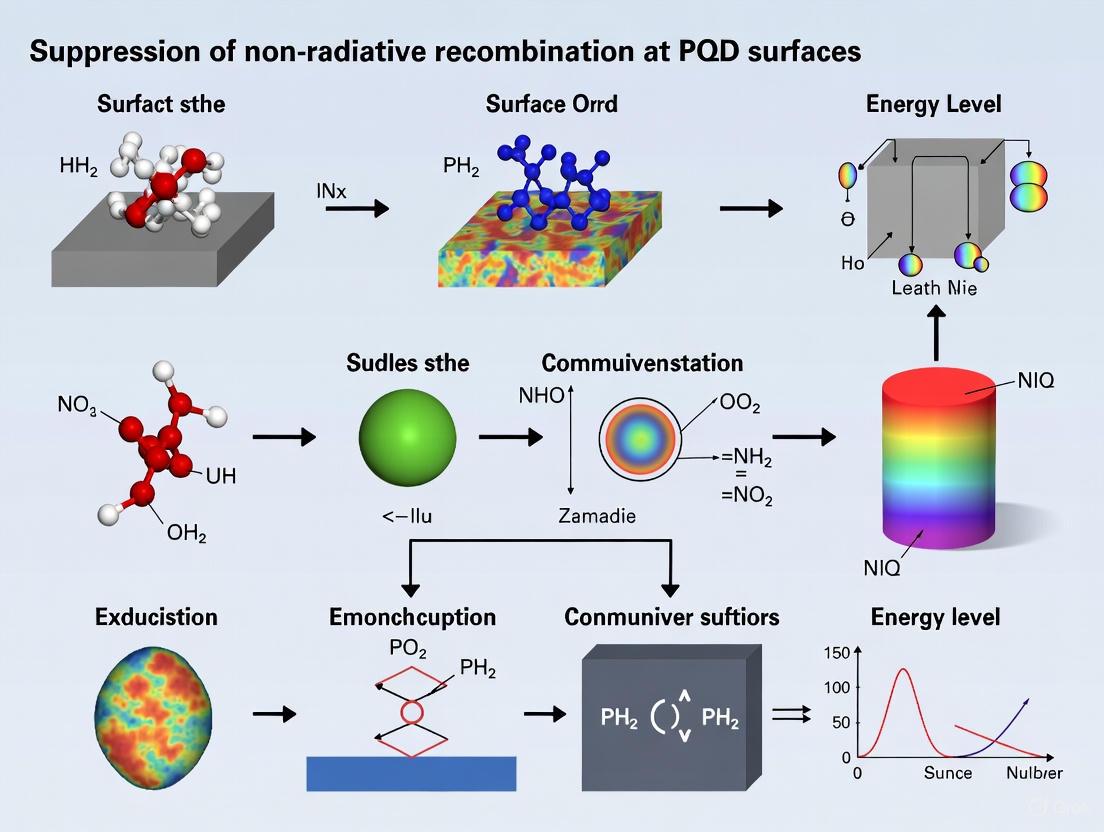
Advanced Strategies for Suppressing Non-Radiative Recombination at Perovskite Quantum Dot Surfaces
Non-radiative recombination at perovskite quantum dot (PQD) surfaces represents a critical bottleneck, limiting their efficiency and stability in optoelectronic devices and biomedical applications.
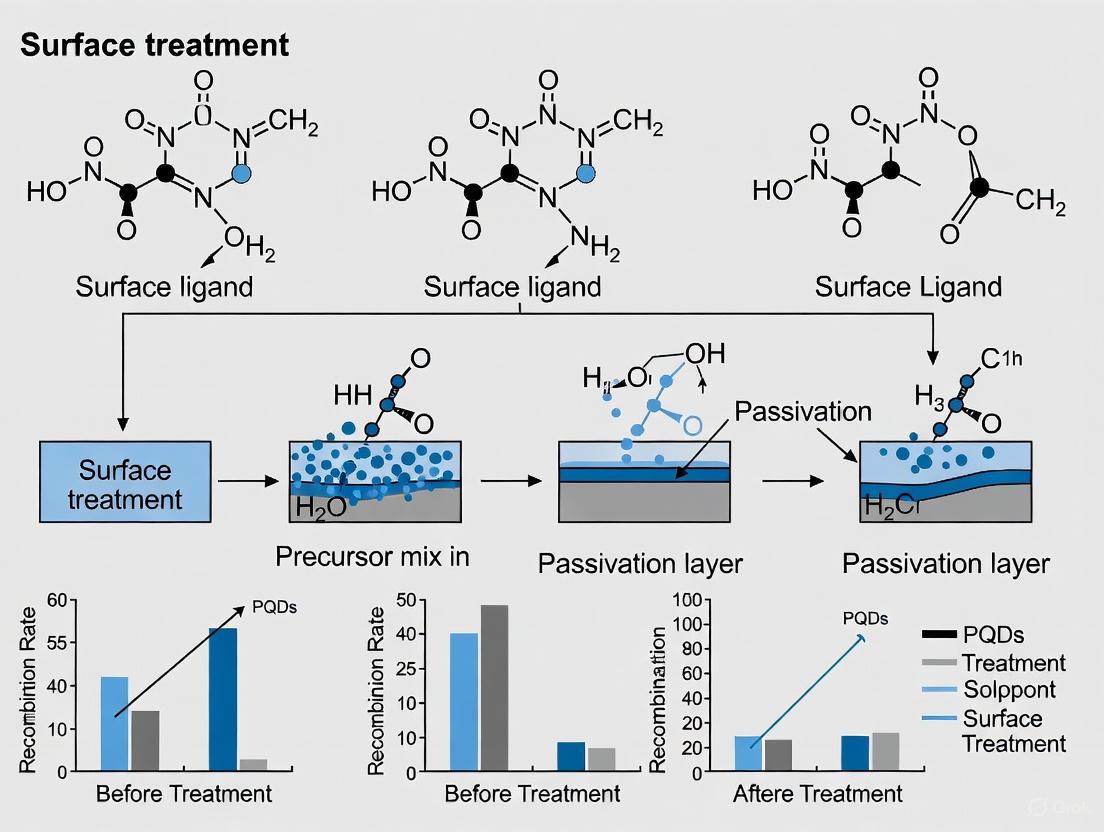
Surface Treatment Strategies for Reduced Auger Recombination in Perovskite Quantum Dots
Auger recombination is a critical non-radiative process that plagues the performance of perovskite quantum dots (PQDs) and light-emitting diodes (PeLEDs), causing efficiency roll-off and limiting achievable brightness, which directly impacts...
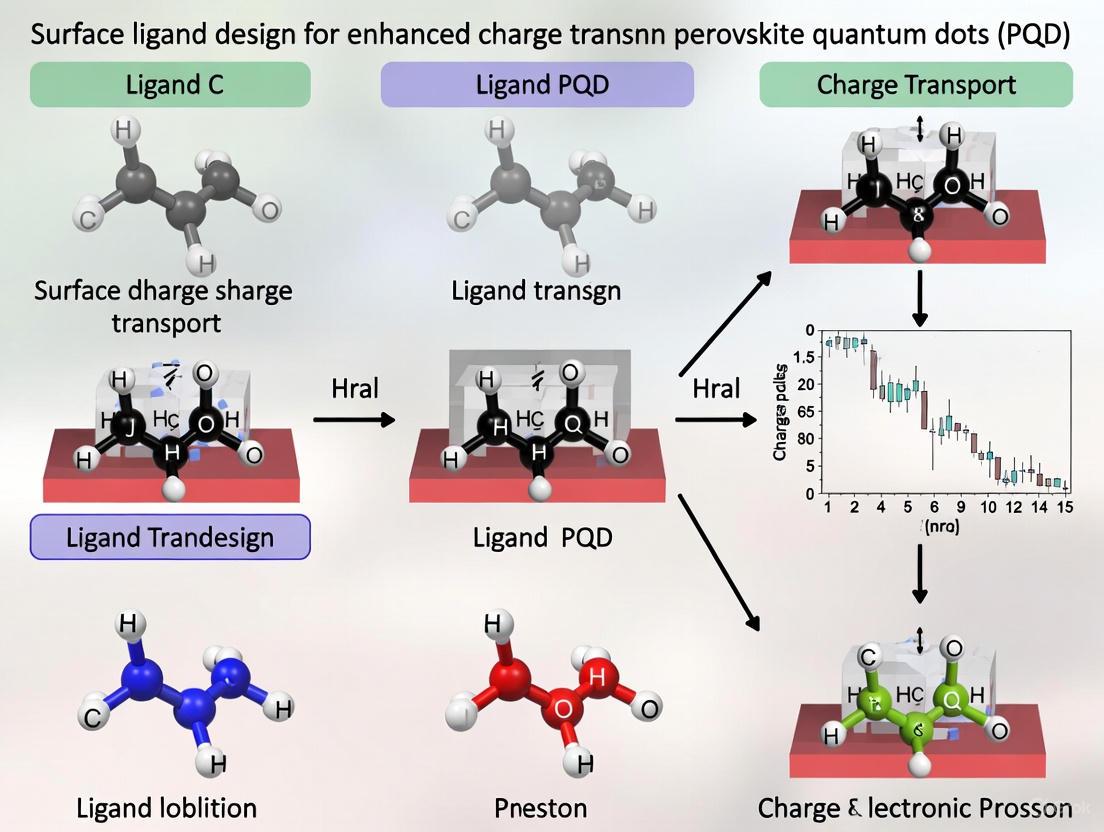
Surface Ligand Engineering for Enhanced Charge Transport in Perovskite Quantum Dots: Strategies, Challenges, and Computational Tools
This article provides a comprehensive overview of advanced surface ligand design strategies to overcome the critical challenge of inefficient charge transport in perovskite quantum dot (PQD) films.
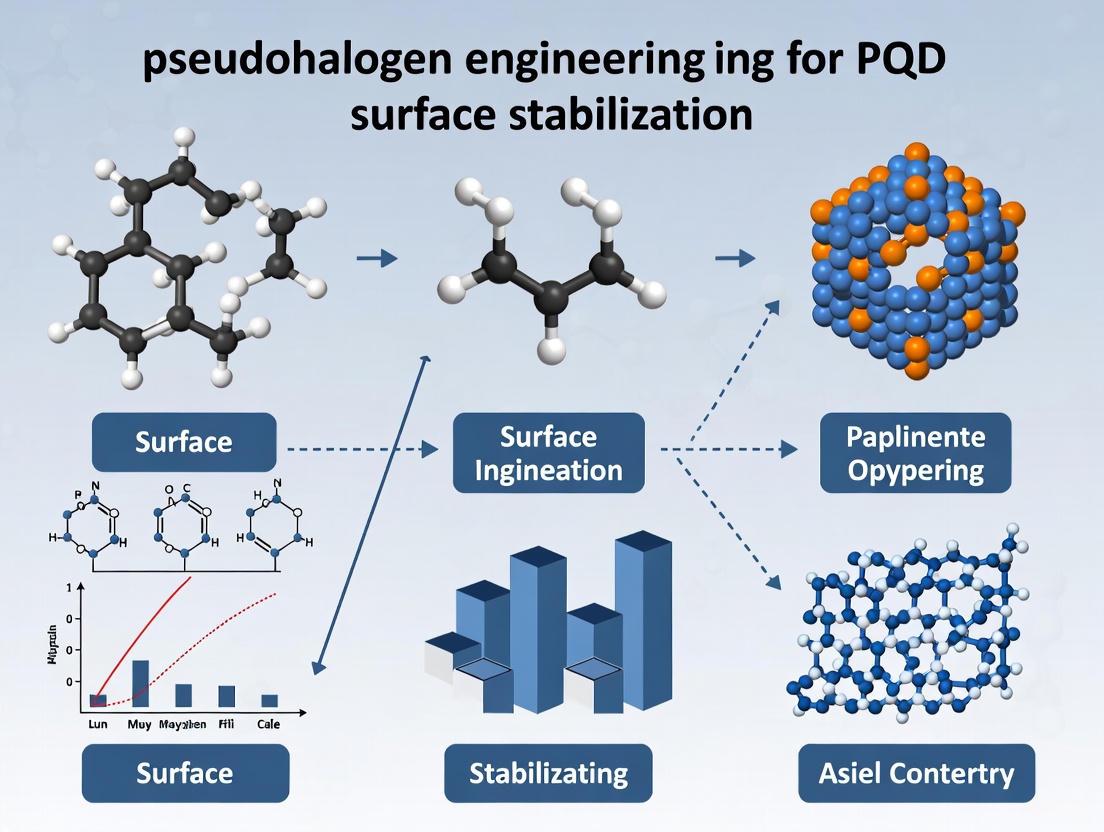
Pseudohalogen Engineering for Stable Perovskite Quantum Dots: Mechanisms, Methods, and Biomedical Prospects
This article explores pseudohalogen engineering as a transformative strategy for enhancing the surface stability and optical performance of perovskite quantum dots (PQDs).
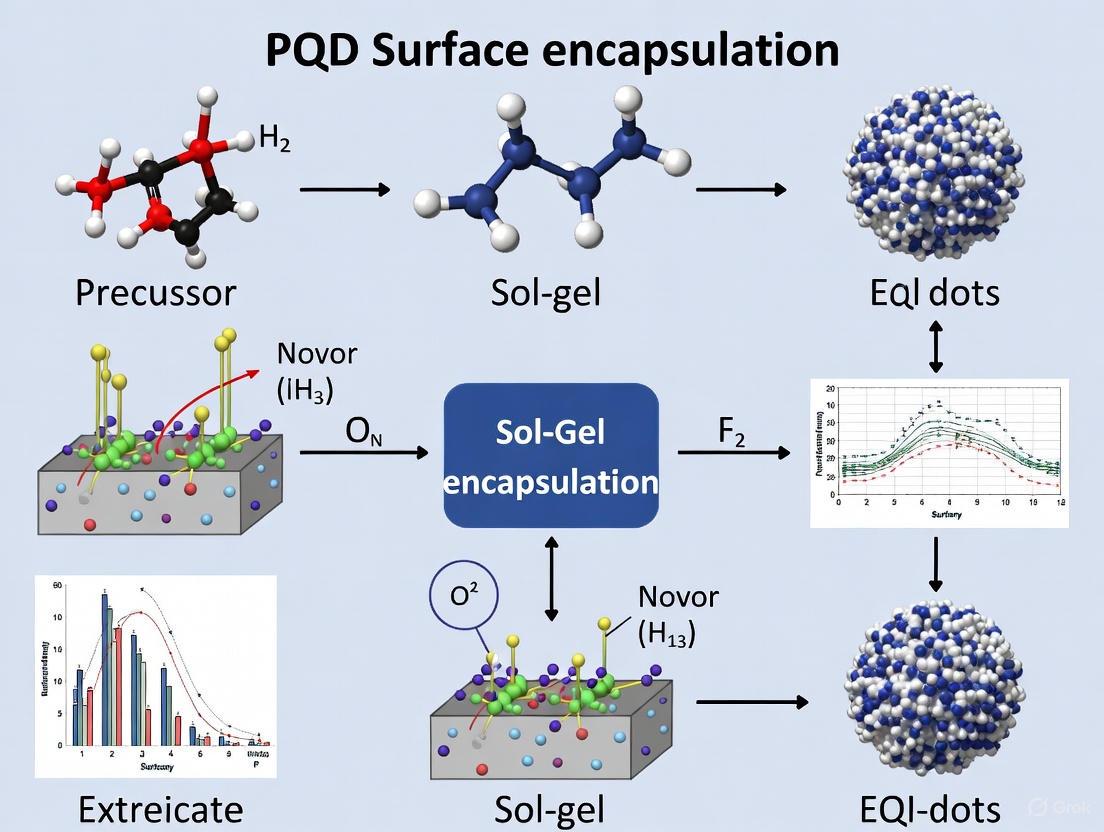
Advanced Sol-Gel Encapsulation of Perovskite Quantum Dots: Enhancing Stability for Biomedical Sensing and Drug Delivery
This article provides a comprehensive analysis of sol-gel methods for the surface encapsulation of perovskite quantum dots (PQDs), a critical technology for stabilizing these highly luminescent but fragile nanomaterials in...
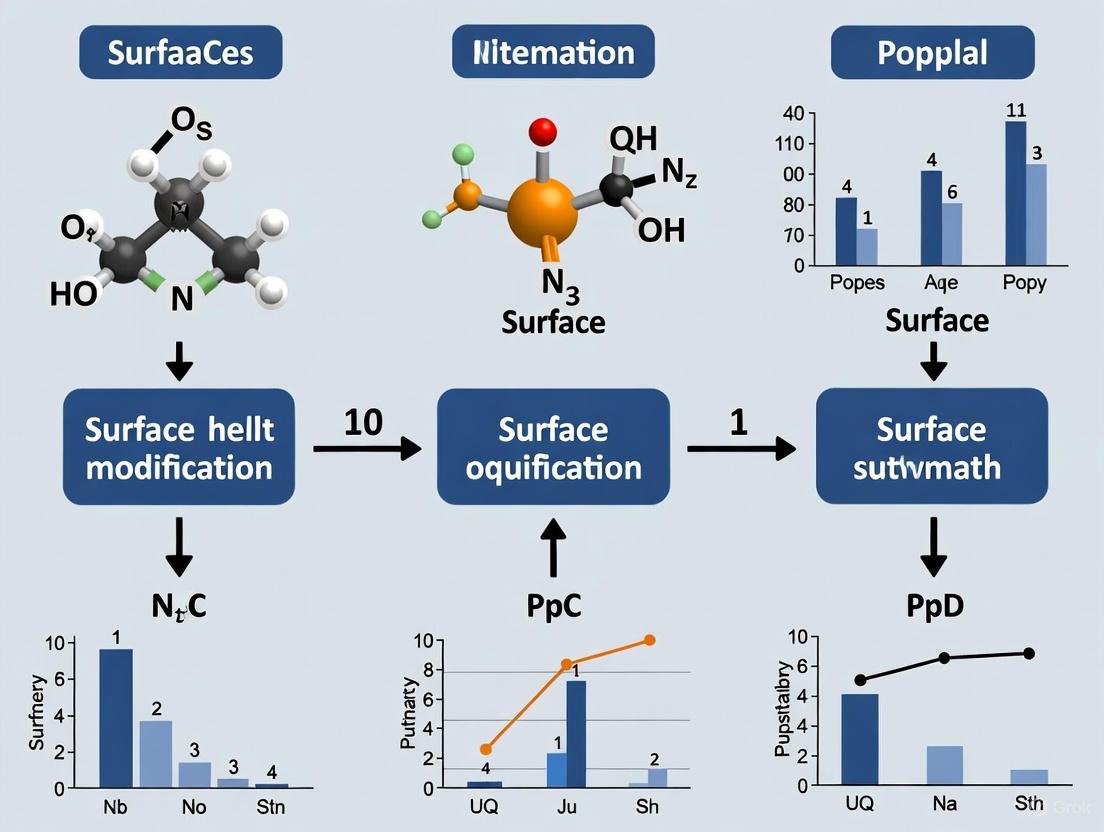
Surface Modification Strategies for High-Performance Perovskite Quantum Dot Light-Emitting Diodes
This article provides a comprehensive review of surface modification techniques for perovskite quantum dots (PQDs) to enhance the performance and stability of light-emitting diodes (LEDs).
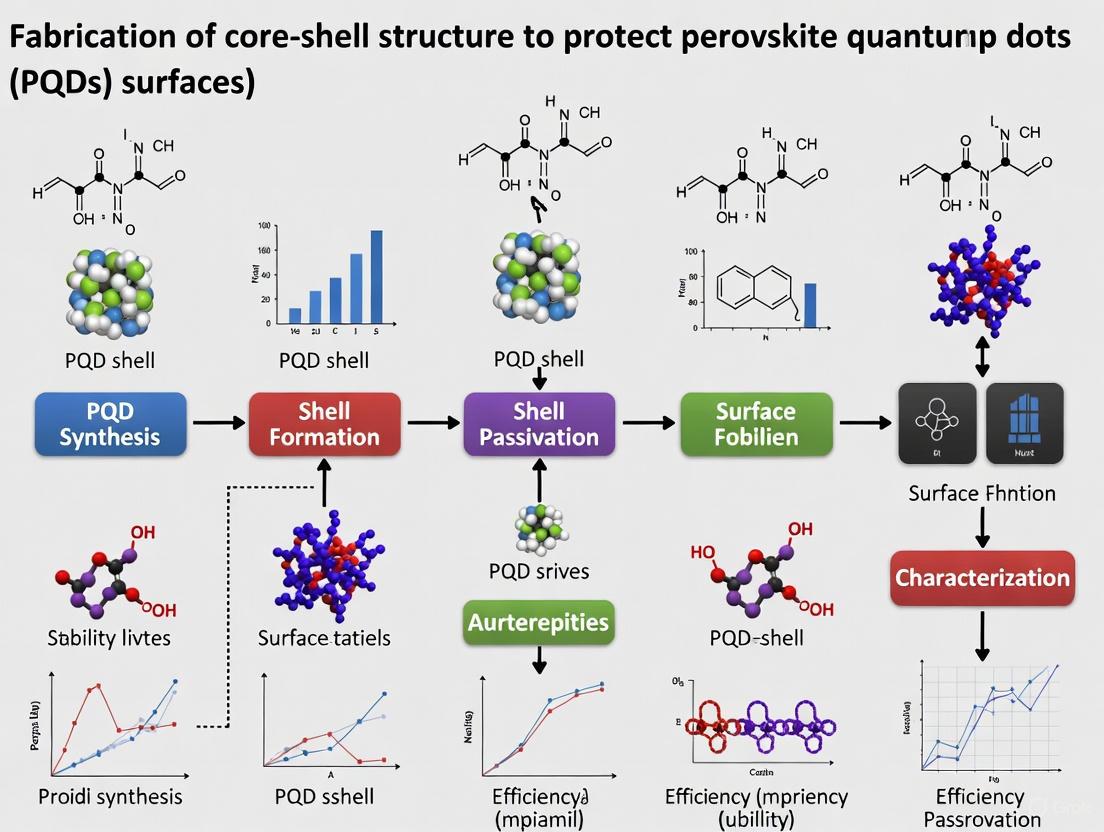
Core-Shell Structures for Perovskite Quantum Dot Surface Protection: Synthesis, Optimization, and Biomedical Applications
This article provides a comprehensive analysis of core-shell structure fabrication strategies designed to enhance the stability and performance of Perovskite Quantum Dots (PQDs) for biomedical applications.
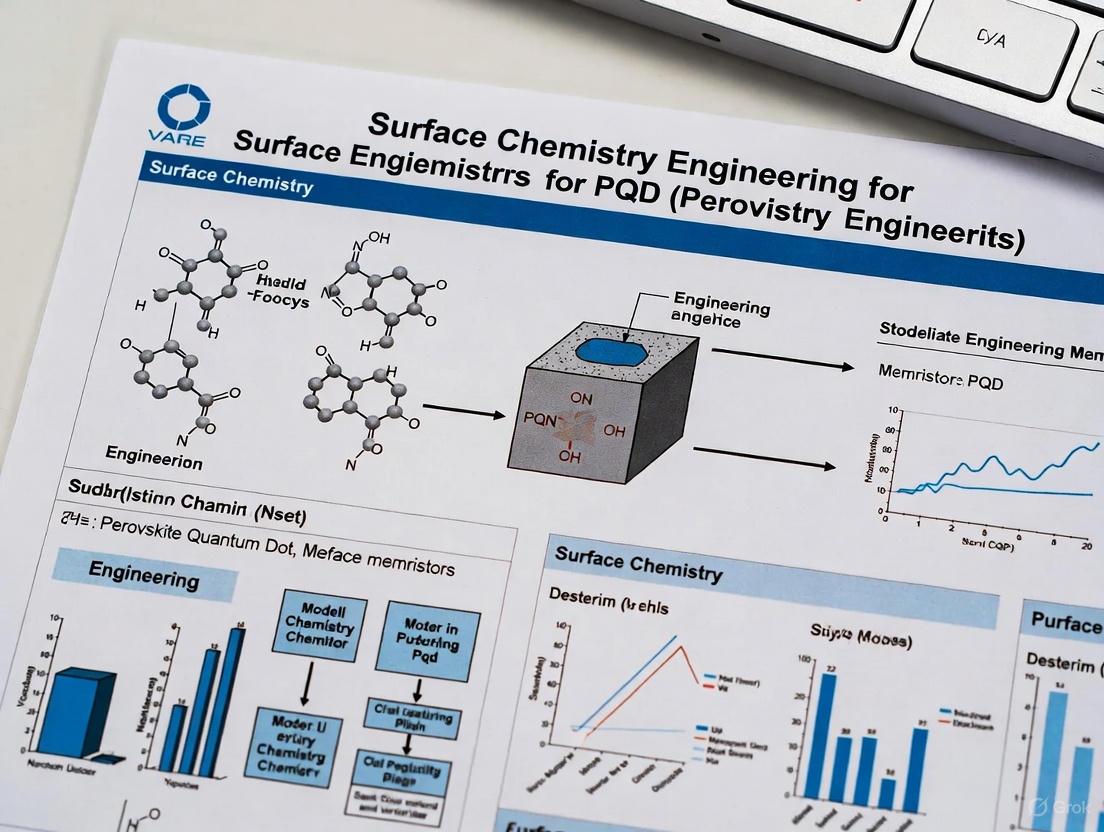
Surface Chemistry Engineering for Perovskite Quantum Dot Memristors: Foundations, Methods, and Biomedical Applications
This article provides a comprehensive examination of surface chemistry engineering as a pivotal strategy for enhancing the performance and stability of perovskite quantum dot (PQD) memristors.
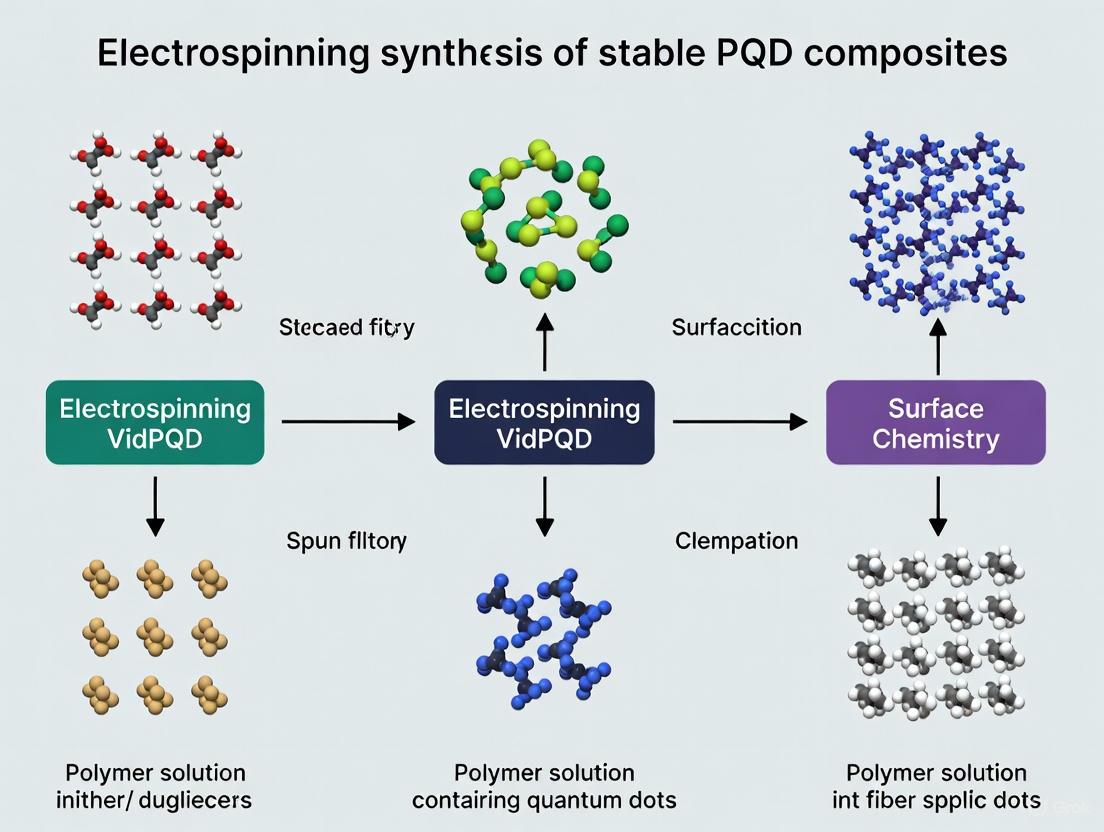
Electrospinning Synthesis of Stable Perovskite Quantum Dot Composites: Strategies for Biomedical and Drug Delivery Applications
This article comprehensively explores the synthesis of stable perovskite quantum dot (PQD) composites via electrospinning, a versatile technique for creating nanofibrous scaffolds.
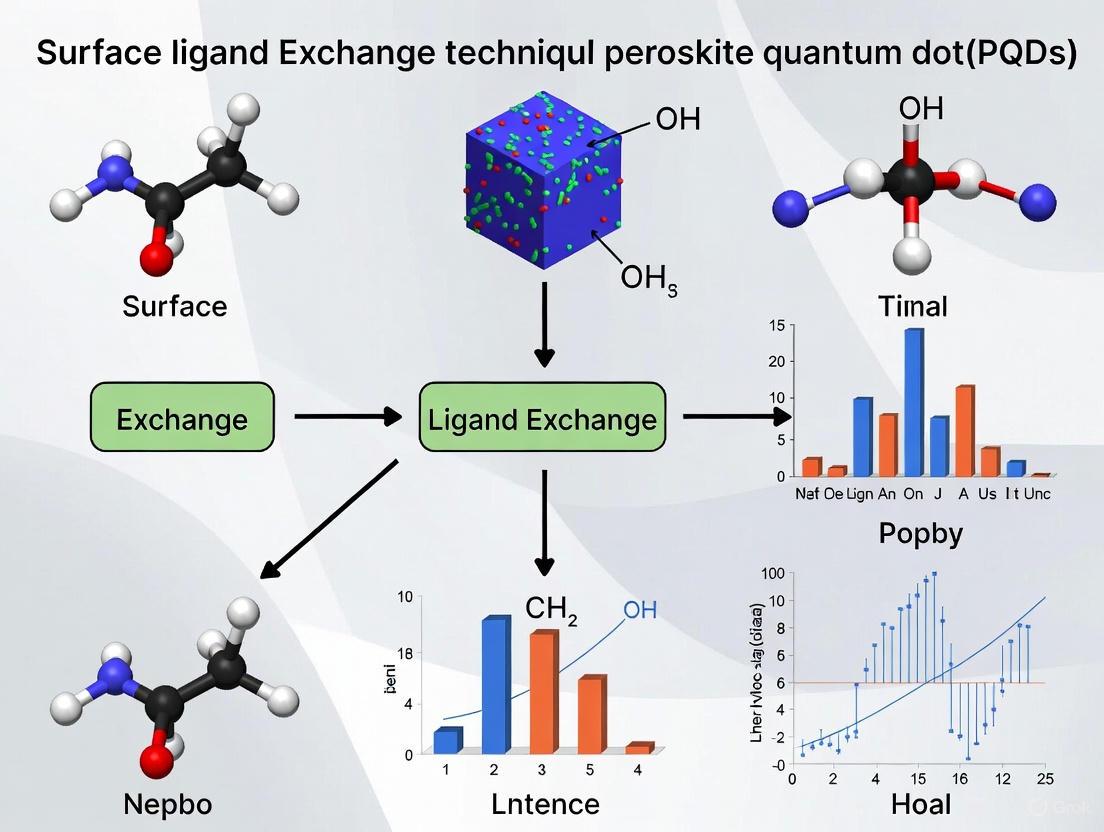
Surface Ligand Exchange of Perovskite Quantum Dots: Techniques, Applications, and Frontiers in Biomedicine
Surface ligand exchange is a critical transformation that enables the application of perovskite quantum dots (PQDs) in biomedicine and optoelectronics.