Ultimate Guide to Troubleshooting Vacuum System Issues in Surface Analysis
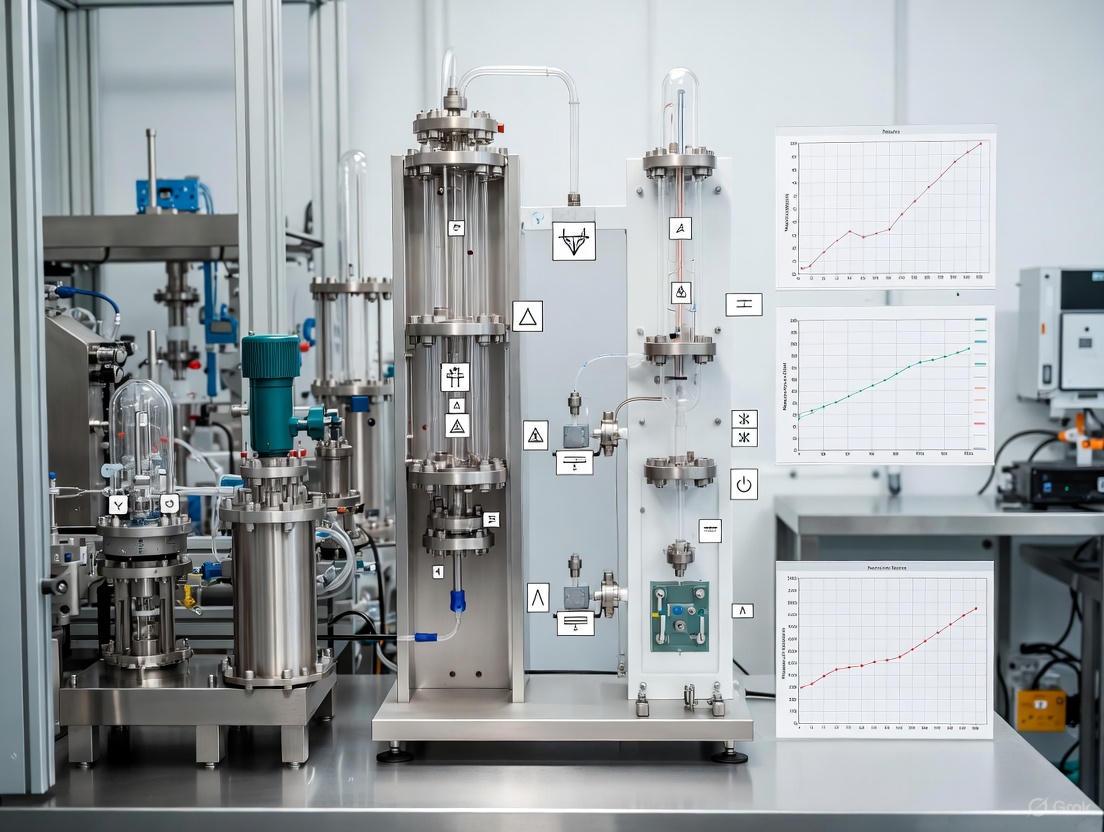
This guide provides researchers, scientists, and drug development professionals with a comprehensive framework for understanding, operating, and troubleshooting vacuum systems critical for surface analysis techniques like XPS and AFM.
Ultimate Guide to Troubleshooting Vacuum System Issues in Surface Analysis
Abstract
This guide provides researchers, scientists, and drug development professionals with a comprehensive framework for understanding, operating, and troubleshooting vacuum systems critical for surface analysis techniques like XPS and AFM. It covers foundational principles, best practices for daily operation, a systematic methodology for diagnosing common problems such as insufficient vacuum and contamination, and guidance for validating system performance against current technological standards to ensure data integrity and instrument uptime in biomedical research.
Why Vacuum is the Foundation of Reliable Surface Analysis
The Critical Role of Ultra-High Vacuum (UHV) in Surface Science
Troubleshooting Guides
Guide 1: Troubleshooting Failure to Achieve UHV Pressure
Problem: The vacuum system cannot reach the required Ultra-High Vacuum pressure (typically below 10⁻⁹ mbar or 10⁻⁷ Pa) even after prolonged pumping.
Investigation & Resolution Workflow:
Detailed Diagnostic Steps:
Conduct Visual and Leak Checks
- Large Leaks: Use a helium leak detector with a mass spectrometer to find even the smallest leaks. This method can detect leak rates as low as 10⁻¹² mbar·L/s [1].
- Virtual Leaks: Check for trapped volumes, such as those behind bolts or in blind holes, where gas is trapped and slowly releases, mimicking a leak [2] [3].
Perform System Bake-Out
Check Pump Configuration and Performance
Analyze Residual Gas
- Use a Residual Gas Analyzer (RGA) to identify the specific gases present in the vacuum [3].
- Interpretation: A high proportion of hydrogen (H₂) and carbon monoxide (CO) is typical in a well-baked UHV system, as these diffuse from stainless steel walls. A high water (H₂O) peak suggests incomplete bake-out or a moisture leak [2].
Guide 2: Troubleshooting Sample Contamination in UHV
Problem: Sample surfaces become contaminated during analysis, leading to unreliable data.
Investigation & Resolution Workflow:
Detailed Diagnostic Steps:
Review Sample History and Preparation
Check Chamber Pressure and Time
- Contamination Rate: The time to form a single monolayer of contaminant on a clean surface is pressure-dependent [4].
- Quantitative Data: The table below shows why UHV is critical for long-term experiments.
Table: Time to Form a Contaminant Monolayer vs. Pressure [4]
Pressure Range Pressure (mbar) Approximate Time for Monolayer Formation High Vacuum (HV) 10⁻⁶ A few seconds Ultra-High Vacuum (UHV) 10⁻¹¹ Several days Identify and Eliminate Outgassing Sources
- Materials: Standard materials like common plastics, adhesives, and lubricants cannot be used as they continuously release gas [2] [3] [5]. Use only UHV-certified materials such as certain stainless steels (e.g., 304, 316L), ceramics, and glass [2].
- Components: Ensure all internal components, such as precision motion stages, are specifically designed for UHV to minimize outgassing [5] [6].
Frequently Asked Questions (FAQs)
1. Why is UHV absolutely essential for surface science experiments?
UHV is crucial for two primary reasons [4]:
- Surface Cleanliness: It allows for the creation and maintenance of an atomically clean surface for study. At higher pressures, residual gas molecules rapidly adsorb onto the sample, contaminating the surface in seconds. UHV preserves surface cleanliness for days.
- Mean Free Path: UHV ensures that the mean free path of electrons, ions, and gas molecules is much longer than the chamber dimensions. This prevents scattering and enables techniques like XPS, AES, and LEED to function properly.
2. What are the most common residual gases in a UHV system and what do they indicate?
In a well-baked, leak-free UHV system, the most common background gases are hydrogen (H₂) and carbon monoxide (CO), which diffuse out from the grain boundaries of stainless steel chamber walls [2]. The presence of a large water (H₂O) peak typically indicates an incomplete bake-out, a minor water leak, or the presence of moisture absorbed on internal surfaces [2] [3]. A significant oxygen (O₂) or nitrogen (N₂) peak often suggests a real air leak.
3. Our UHV system was just vented to air. What is the correct procedure to bring it back to base pressure?
The key step is to perform a full bake-out [2] [4]. After rough pumping, you must heat the entire chamber to temperatures between 180°C and 400°C for several hours (or even days for large systems) while the high-vacuum pumps are running. This process provides the energy needed to desorb water vapor and hydrocarbons that have adsorbed onto the chamber walls during exposure to air. Without baking, it could take months for the system to naturally outgas and reach base pressure.
4. What materials are suitable for use in UHV systems, and which should be strictly avoided?
Table: UHV-Compatible Materials vs. Materials to Avoid
| Suitable Materials | Function & Reason | Materials to Avoid | Reason |
|---|---|---|---|
| Stainless Steel (304, 316L) | Chamber and component construction; low outgassing and oxidation resistance [2]. | Most Plastics & Elastomers | High outgassing rates (exception: PTFE, PEEK in limited, unbaked uses) [2]. |
| Copper | Used as a soft gasket material in ConFlat-style flanges to create a metal-to-metal seal [2]. | Adhesives and Glues | High outgassing; mechanical fasteners are preferred [2]. |
| Ceramics & Glass | Electrical insulation and viewports; very low vapor pressure and high-temperature stability [2]. | Lead-based Solder | High vapor pressure; use lead-free alternatives [2]. |
| Non-Evaporable Getters (NEGs) | Pumps that actively absorb gas molecules, particularly H₂, CO, and CO₂ [2] [3]. | Standard Lubricants | Volatile; require specialized, low-outgassing vacuum greases. |
The Scientist's Toolkit: Essential UHV Research Reagents & Materials
Table: Key Materials and Components for UHV Experiments
| Item | Function in UHV System | Critical Specification |
|---|---|---|
| Ion Gauge | Measures pressure in the UHV range (down to 10⁻¹¹ mbar) [2]. | Calibration against a standard. |
| Residual Gas Analyzer (RGA) | Identifies and quantifies specific residual gases in the chamber for diagnostics [3]. | Mass range and sensitivity. |
| Turbomolecular Pump | High-throughput pumping to achieve high vacuum and UHV; often used in series with a roughing pump [2] [4] [3]. | Pumping speed (L/s) and compression ratio. |
| Ion Pump / NEG Pump | Oil-free pumping to maintain UHV without moving parts; ideal for clean environments [2] [3]. | Pumping speed for specific gases (e.g., noble gases). |
| Helium Leak Detector | Finds minute leaks by detecting helium tracer gas; essential for integrity assurance [1]. | Minimum detectable leak rate (e.g., 10⁻¹² mbar·L/s). |
| All-Metal Seals | Flange seals (e.g., copper gaskets) that prevent leakage and withstand bake-out temperatures [2] [4]. | Material purity and single-use integrity. |
| UHV-Compatible Motion Systems | Provide precise, reliable sample or tool positioning without introducing contamination [5] [6]. | Low outgassing materials, magnetic permeability, and thermal design. |
For researchers in surface analysis and drug development, maintaining an optimal vacuum is critical for processes like XPS, SEM, and thin-film deposition. This guide provides a systematic approach to troubleshooting the core components of your vacuum system—pumps, chambers, gauges, and controls—to ensure data integrity and experimental reproducibility. A methodical approach to problem-solving, beginning with simple checks before progressing to complex diagnostics, is essential for efficient resolution of vacuum issues [7].
Systematic Troubleshooting Methodology
When a vacuum issue arises, a logical, step-by-step investigation helps isolate the root cause efficiently. The following workflow outlines this diagnostic process.
Troubleshooting Guides & FAQs
Vacuum Pumps
Q: What are the common reasons a vacuum pump fails to achieve its specified base pressure or does so too slowly?
A: This is a frequent problem with multiple potential causes, ranging from simple fixes to serious internal issues [8].
- System Leaks: Check all flange seals, connections, and the chamber itself for leaks. Slight scratches on seals can be significant [8].
- Pump Contamination or Damage: Internal scaling, corrosion, or worn parts (like impellers) can drastically reduce performance [9]. Inspect for carbon deposits, oil sludge, or scale.
- Incorrect Motor Rotation: Verify the motor is spinning counter-clockwise (when viewed from the motor end). Incorrect rotation can be fixed by interchanging two phases at the motor terminal [8].
- Low/High Working Fluid (for Liquid Ring Pumps): Ensure the water supply is sufficient and the temperature is not too high (generally below 25°C is recommended) [9].
- Worn Internal Clearances: Over time, wear on the impeller, side covers, or casing can increase clearances beyond tolerances, reducing pumping efficiency [9].
- Blocked Flow Path: The pump's inlet, outlet, or internal flow sections may be obstructed by debris or deposits [9].
Q: Our liquid ring pump has started vibrating excessively. What could be the cause?
A: Strong vibration often points to a mechanical fault that requires immediate attention to prevent further damage [9].
- Broken Valve Plate: A fractured valve plate typically causes strong axial vibration and significant noise [9].
- Unbalanced Rotor: This can be caused by uneven scaling on the rotor blades or general wear, throwing the assembly off balance [9].
- Worn Coupling: The rubber cushion in the coupling can wear out or break, leading to direct metal-on-metal contact and vibration [9].
- Improper Liquid Ring Formation: Incorrect water supply can cause the liquid ring's inner diameter to become too large or small, leading the impeller blades to collide with the ring or experience increased turbulence [9].
Vacuum Chambers
Q: What factors prevent our vacuum chamber from reaching its ultimate low pressure?
A: The ultimate pressure is limited by the balance between the pump's speed and the total gas load entering the chamber [10].
- Virtual Leaks & Outgassing: This is the most common constraint in high and ultra-high vacuum systems. Gas is slowly released from the chamber walls and internal components through desorption and diffusion. Baking the chamber is the most effective way to accelerate this process [10].
- Real Leaks: Permanent leaks can stem from material defects, poor welds (especially arc start/stop points), or inadequate seals on flanges [10].
- Material Selection: Using materials with high vapor pressure (e.g., some plastics, brass, zinc) or poor surface characteristics will continuously contribute to the gas load. Stainless steel, copper, and aluminum are preferred [10].
- Water Vapor: Ambient water vapor readily adsorbs on surfaces. Purging the system with dry nitrogen before venting to atmosphere can significantly reduce pump-down time [10].
Vacuum Gauges & Controls
Q: My vacuum gauge displays an error message like "TUBE?" or dashes. What does this mean?
A: This error indicates the gauge cannot get a valid reading from its sensor [11].
- Sensor Disconnected or Unrecognized: Check that the sensor cable is firmly connected to the gauge [11].
- Pressure Out of Range: The error can appear if the pressure is above atmospheric (over 999 Torr) or below the gauge's measurable lower limit. Ensure the sensor is mounted upright and allow a few seconds for the reading to stabilize at atmospheric pressure [11].
- Damaged Sensor Filaments: The thin internal filaments can break due to vibration, contamination, or physical impact. The sensor can be tested for electrical continuity with a multimeter [11].
- Internal Contamination: Process debris, oil, or metal flakes inside the sensor can cause malfunction [11].
Q: The vacuum gauge powers on but provides inaccurate readings. How can I diagnose this?
A: Inaccurate readings can stem from the gauge, the sensor, or the system itself [11].
- Confirm Pump Base Pressure: Test your vacuum pump's base pressure independently to establish a known reference point [11].
- Check for System Leaks: Isolate the pump and monitor the pressure rise in the chamber. A rapid rise indicates a leak [11].
- Sensor Contamination: Inspect the sensor for oil, debris, or discoloration. Contamination alters the thermal conductivity of the sensor's filaments, causing reading drift [11].
- Calibration Drift: All gauges require periodic calibration. Drift is normal over time and is accelerated in dirty or wet processes (e.g., lyophilization) [11].
- Process Gas Effects: Most thermal conductivity gauges are calibrated for nitrogen. Using gases like argon, helium, or hydrogen will yield inaccurate readings due to their different thermal properties [11].
The following tables consolidate key performance data and maintenance intervals for vacuum system components.
Vacuum Pump Performance Factors
| Factor | Symptom | Diagnostic Method | Corrective Action |
|---|---|---|---|
| Internal Scaling | Reduced suction, high power draw, noise [9] | Disassembly and inspection | Chemical descaling (e.g., 10% oxalic acid) or mechanical removal [9] |
| Worn Clearances | Low ultimate vacuum [9] | Measure internal parts with calipers | Repair/replace worn parts (impeller, side covers); hardfacing surfaces [9] |
| Incorrect Water Level | Vibration, reduced vacuum (Liquid Ring Pumps) [9] | Observe liquid ring sight glass | Adjust water supply to manufacturer's specification [9] |
| Wrong Motor Rotation | Low pumping speed [8] | Check rotation arrow on housing | Swap two phases at the motor connection terminal [8] |
Vacuum Gauge Troubleshooting & Calibration
| Issue | Possible Cause | Verification Step | Solution |
|---|---|---|---|
| "TUBE?" Error/Dashes | Sensor disconnected, out-of-range pressure, damaged sensor [11] | Check connections, ensure upright mounting, test sensor continuity [11] | Reconnect sensor, allow pressure stabilization, replace faulty sensor [11] |
| Inaccurate Readings | Calibration drift, sensor contamination, wrong process gas [11] | Compare with trusted gauge, inspect sensor internally [11] | Clean sensor, send for calibration, apply correction factor for non-N₂ gas [11] |
| Gauge Won't Power On | Dead batteries, corroded terminals, faulty power supply [11] | Test batteries with voltmeter, inspect for white corrosion [11] | Replace batteries, clean terminals, use correct external power supply [11] |
The Scientist's Toolkit: Essential Maintenance Materials
| Item | Function | Application Note |
|---|---|---|
| Helium Leak Detector | Precisely locates and quantifies minute leaks in a vacuum system. | Used with a helium tracer gas; the industry standard for sensitive leak detection [7]. |
| Multimeter | Tests electrical continuity in gauge sensors, checks batteries, and verifies power supplies. | A basic diagnostic tool; used to check for broken filaments in vacuum gauge sensors [11]. |
| Ultrasonic Cleaner & Solvents | Removes contaminants from gauge sensors, small valves, and other components. | Essential for restoring accuracy to contaminated sensors; use appropriate solvents [11] [8]. |
| Sealant & Gasket Kit | Contains various replacement O-rings, gaskets, and flange seals for common vacuum fittings. | Critical for quickly addressing the most common source of leaks in a vacuum system [8] [10]. |
| Descaling Solution (e.g., Oxalic Acid) | Dissolves mineral scale from the internal flow paths of liquid ring vacuum pumps. | Restores pump efficiency and prevents imbalance and vibration caused by scale [9]. |
| Liquid Nitrogen Cold Trap | Freezes out water vapor and other condensable gases before they enter the vacuum pump. | A sharp pressure drop after insertion indicates a contaminated system with high vapor load [8]. |
Experimental Protocols for Key Diagnostics
Protocol 1: Pressure Rise (Leak) Test
Purpose: To distinguish between a true vacuum leak and internal outgassing as the cause of a high system pressure.
- Pump Down: Evacuate the entire system to the lowest achievable pressure.
- Isolate: Close the valve between the vacuum chamber and the pump.
- Record: Monitor and record the pressure increase on the chamber gauge over a set time (e.g., 10-30 minutes).
- Analyze:
- A linear pressure rise typically indicates a real leak (air in-flow).
- A pressure rise that decays and plateaus suggests outgassing (internal gas sources are being depleted).
Protocol 2: Contamination Check with Cold Trap
Purpose: To determine if condensable vapors (like water) are a significant component of the gas load [8].
- Establish Baseline: Pump down the system and record the stable base pressure.
- Insert Cold Trap: Place a cold trap between the chamber and pump. Fill the trap with liquid nitrogen.
- Observe Pressure: If the pressure drops abruptly by a power of ten or more, the system is contaminated with condensable vapors [8].
- Action: This confirms that baking the chamber or using a permanent cold trap is necessary to achieve a lower base pressure.
Troubleshooting Guides
1. Why is my vacuum pressure unstable or unable to reach the desired setpoint?
Unstable vacuum pressure is a common issue that can stem from several causes, including leaks, outgassing, pump problems, or improper controller settings [12] [13].
- Leaks in the System: Unwanted air ingress is a primary culprit. Even a single fingerprint can introduce a significant gas load of about 10⁻⁵ Torr·L/s [14].
- Virtual Leaks and Outgassing: Virtual leaks are trapped gases in blind holes or cavities, while outgassing is the release of gases from internal surfaces or components (such as O-rings or chamber walls) [15] [14]. These can mimic real leaks and cause pressure to rise.
- Pump Performance Issues: A loss of vacuum can be caused by a lack of pump maintenance. Check for worn or sticking vanes, clogged inlet filters, or saturated oil separators [16].
- Faulty Pressure Control System: The control system itself may be improperly configured. If using electronic control, the Proportional-Integral-Derivative (PID) parameters may need tuning to improve response and stability [13].
2. My vacuum pump is making unusual noises. What does this mean?
Unusual noises often indicate mechanical problems that should be addressed promptly to avoid severe damage [16].
- Clicking Sounds: A clicking sound, especially during initial startup of a dry vane pump, can be normal as vanes drop into place. However, a new or increasing clicking noise in an older pump may indicate worn vanes or "washboarding" of the cylinder wall [16].
- High-Pitched Screeching: This is often associated with new vanes breaking in and may resolve after 24-48 hours of operation. If it persists, it could be due to contamination or improper assembly [16].
- Grinding or Knocking: These sounds are more serious and can point to bearing failures, broken vanes, or other internal mechanical contact [16] [17].
3. What are the common sources of contamination in my vacuum system?
Contamination can be divided into two categories: gases that are pumped away (CRAPP - Contamination Resulting in Additional Partial Pressure) and contaminants that are not pumped away and form deposits (CRUD - Contamination Resulting in Undesirable Deposits) [14].
- Human Handling: Fingerprints and skin oils are significant sources of both CRAPP and CRUD [14].
- Elastomer O-Rings: Viton O-rings can outgas water, solvents, and plasticizers for weeks or months (CRAPP). When heated, they can also release materials that re-condense as CRUD [14].
- Vacuum Pumps: Oil-sealed mechanical pumps can backstream oil vapor into the chamber, contaminating surfaces. This can occur when the system transitions to molecular flow conditions [14].
- Cleaning Solvents: Improper use of solvents can leave residues (CRUD) or be absorbed by elastomers, increasing their permeability and causing long-term outgassing (CRAPP) [14].
Frequently Asked Questions (FAQs)
Q1: How often should I perform maintenance on my vacuum pump? A rigorous preventive maintenance schedule is crucial for reliable operation [17].
| Frequency | Maintenance Task |
|---|---|
| Daily | Visual inspection for leaks and damage; check oil level and condition; monitor operating temperature; listen for unusual noises [17]. |
| Weekly/Monthly | Check and clean/replace inlet and exhaust filters; verify pump speed and performance; tighten loose bolts and connections [16] [17]. |
| Annually/Bi-annually | Change oil; perform a deep clean of the pump and its surrounding environment; inspect and replace worn vanes or other internal components as needed [17]. |
Q2: How can I distinguish between a real leak and outgassing in my vacuum chamber? You can use a pressure rise test to help differentiate between the two [15].
- Procedure:
- Evacuate the chamber to your typical base pressure.
- Isolate the chamber from the pumps by closing the high vacuum valve.
- Record the pressure increase over time.
- Interpretation:
- A linear rise in pressure over time typically indicates a real leak [15].
- A pressure rise that tapers off and reaches a stable value is more characteristic of outgassing, as the gas source is finite and depletes [15].
- Often, both phenomena occur simultaneously, making them difficult to separate [15].
Q3: What is the most reliable method for finding very small leaks? For leaks smaller than 1x10⁻⁶ mbar·L/s, the most reliable and sensitive method is using a helium leak detector [15]. This device is a mass spectrometer tuned to detect helium.
- Why Helium? Helium is inert, non-toxic, relatively inexpensive, and present in low concentration (5 ppm) in the atmosphere, which results in a low background signal [15] [18].
- Two Common Methods:
- Vacuum Mode (Sample Under Vacuum): The test piece is connected to the leak detector. Helium is sprayed on the outside suspected leak points. If a leak is present, helium is drawn in and detected [15].
- Sniffer Mode (Sample Under Pressure): The test piece is pressurized with helium. A "sniffer" probe is used to sample air around potential leak sites to detect any escaping helium [15].
Q4: What are the key pressure ranges and corresponding leak rate classifications? Understanding pressure ranges and what constitutes a significant leak is fundamental. The following table summarizes key quantitative data [12] [15].
| Parameter | Range/Classification | Typical Application Context |
|---|---|---|
| Rough Vacuum | to 1x10⁻³ mbar | Initial pumping stage [12]. |
| Medium Vacuum | 1x10⁻³ to 1x10⁻⁷ mbar | Process range for many applications [12]. |
| High & Ultra-High Vacuum | 1x10⁻⁷ mbar and below | Surface analysis, research [12]. |
| Leak Rate: Water Tight | < 1x10⁻² mbar·L/s | - |
| Leak Rate: Vapor Tight | < 1x10⁻³ mbar·L/s | - |
| Leak Rate: Gas Tight | < 1x10⁻⁷ mbar·L/s | Required for high vacuum integrity [15]. |
Experimental Protocols
Protocol 1: Pressure Rise Test for Leak and Outgassing Assessment This test helps determine if poor pressure is due to a leak or outgassing.
- Preparation: Ensure the vacuum chamber is clean and the pumping system is operational.
- Evacuation: Pump down the chamber to the lowest achievable base pressure.
- Isolation: Close the high vacuum valve to isolate the chamber from the pumps. Record the starting pressure (P₁) and time (t₁).
- Measurement: Monitor and record the pressure inside the chamber at regular intervals (e.g., every minute for 10-30 minutes).
- Analysis: Plot pressure versus time.
Protocol 2: Helium Leak Detection using a Sniffer Probe This protocol is for finding the location of leaks in a pressurized system.
- Setup: Connect the helium leak detector according to the manufacturer's instructions. Ensure the sniffer probe is attached.
- Pressurization: Fill the vacuum chamber or component with pure helium to a positive pressure slightly above atmospheric.
- Calibration: Allow the leak detector to zero itself on the background air or use a standard leak for calibration.
- Scanning: Slowly move the sniffer probe along all potential leak paths—welds, flange seals, O-rings, feedthroughs, and valves. Maintain a distance of a few millimeters from the surface.
- Detection: A significant and sustained increase in the helium signal indicates a leak. Mark the location immediately. Be aware that air currents can disperse helium, so move systematically to pinpoint the exact source [15].
The Scientist's Toolkit: Essential Research Reagents & Materials
| Item | Function / Explanation |
|---|---|
| Helium Leak Detector | A mass spectrometer tuned to detect helium; the gold-standard instrument for locating and quantifying very small leaks in high and ultra-high vacuum systems [15] [18]. |
| Residual Gas Analyzer (RGA) | A mass spectrometer that identifies the specific gases present in a vacuum chamber. It is invaluable for diagnosing contamination issues, identifying the gas composition of a leak, and monitoring process gases [18]. |
| Pre-Baked Elastomer O-Rings | O-rings that have been vacuum-baked before installation to drastically reduce outgassing of water, solvents, and plasticizers, which is a major source of contamination (CRAPP and CRUD) [14]. |
| Dry (Oil-Free) Vacuum Pumps | Pumps that do not use oil for sealing or lubrication, eliminating the risk of oil backstreaming and hydrocarbon contamination of the vacuum chamber. Essential for clean processes [14] [13]. |
| Capacitance Manometer Gauge | A pressure sensor that measures pressure by the deflection of a diaphragm. It provides highly accurate and gas-species-independent pressure readings, making it ideal for process control [13]. |
| Foreline Trap | A device installed between a backing pump and a high-vacuum pump to prevent oil vapor from backstreaming into the vacuum chamber. It requires regular maintenance to be effective [14]. |
Vacuum System Troubleshooting Logic
The following diagram outlines a systematic workflow for diagnosing common vacuum system problems, helping to efficiently narrow down the root cause.
Market Growth and Technological Evolution in Vacuum Systems
Frequently Asked Questions (FAQs)
1. What are the most common signs that my vacuum pump is failing? Common signs include excessive noise, overheating, longer processing times to achieve the desired vacuum, and situations where the pump will not start or has slow starts [19]. A noticeable loss of vacuum or pressure and oil misting from the exhaust are also frequent indicators of problems [16].
2. My vacuum system cannot achieve the required ultimate vacuum. What should I check first? First, separate the pump from the rest of the system to determine if the issue lies with the pump or the vacuum chamber and piping [20]. If the pump itself cannot reach its rated vacuum, potential causes include:
- Contamination: The pump might be dirty, or the pump oil may be contaminated or degraded [19] [21].
- Leaks: Check for leaks in the pump itself, such as at seals, the gas ballast valve, or the exhaust valve [21].
- Incorrect Operation: Ensure the pump temperature is not too high due to insufficient cooling, and verify that the pump oil is being heated sufficiently in the case of a diffusion pump [21].
3. I suspect a leak in my vacuum system. How can I locate it? Leaks are a common issue, particularly at welds, flanges, seals (like O-rings), and feedthroughs (e.g., for electrodes or thermocouples) [22] [21]. Methods for leak detection include:
- Helium Leak Detection: This is a highly sensitive method where helium is sprayed around suspected areas and a sniffer or mass spectrometer detects it [7].
- Pressure Rise Test: Isolate the vacuum chamber and monitor the pressure over time. A rapid rise indicates a significant leak or high outgassing [20] [21]. In one case study, a small, difficult-to-find hole in a condenser dipleg was pinpointed by an operator who felt the leak "suck" onto his gloved hand [7].
4. Why is my oil-lubricated vacuum pump misting oil from the exhaust? Oil misting can be caused by:
- Operating at a Shallow Vacuum: Running at less than 20"Hg can increase exhaust pressure and force more oil out [16].
- Saturated Oil Separators: The oil separators are designed to trap oil particles. If they become saturated, they lose effectiveness and need replacement [16].
- Clogged Scavenger Line: A clogged line in the float chamber can starve the pump of oil and cause the chamber to overfill, leading to oil being forced out the exhaust [16].
5. What is the most important thing to consider when working with High Vacuum (HV) and Ultra-High Vacuum (UHV) systems? Cleanliness and material selection are paramount. To achieve and maintain HV and UHV conditions, you must minimize outgassing [23]. This involves:
- Using materials with low outgassing rates (e.g., certain stainless steels).
- Electro-polishing internal surfaces.
- Minimizing the use of elastomers and using metal seals instead.
- Bake-out: Heating the entire chamber to drive off volatile compounds adsorbed on the surfaces [23].
Troubleshooting Guide
Common Problems and Solutions
The table below summarizes frequent issues, their potential causes, and corrective actions.
| Problem | Possible Causes | Corrective Actions |
|---|---|---|
| Pump Will Not Start [19] [16] | Tripped breaker; Blown fuse; Motor wiring issue. | Check breaker rating matches motor; Check/replace fuse; Verify motor wiring matches supply voltage [19] [16]. |
| Loss of Vacuum / Slow Pumpdown [19] [20] [21] | System leak; Contaminated pump or oil; Clogged inlet filter; Worn or stuck vanes. | Perform leak check; Clean pump and change oil; Clean or replace inlet filter; Inspect and replace worn vanes [16] [20] [21]. |
| Excessive Noise/Vibration [19] [16] | Worn bearings; Broken or cupping vanes; "Washboarding" of cylinder wall; Contamination inside pump. | Inspect and replace bearings; Measure and replace vanes; Replace cylinder; Dismantle, clean, and inspect pump [16]. |
| Overheating [19] [21] | Poor ventilation; Inadequate cooling water flow; Internal mechanical wear; Incorrect oil viscosity. | Ensure clear ventilation; Clear clogged cooling waterways; Inspect for internal wear; Change to correct specification oil [19] [21]. |
| Oil Misting from Exhaust [16] | Saturated oil separator; Operation at shallow vacuum; Clogged scavenger line. | Replace oil separator; Check for inlet leaks to achieve deeper vacuum; Clean scavenger line and float chamber [16]. |
Troubleshooting Workflow for Poor System Performance
The following diagram outlines a systematic logical approach to diagnosing a vacuum system that is not performing to specification.
Essential Research Reagent Solutions for Vacuum Systems
This table details key consumables and materials critical for the maintenance and operation of vacuum systems in a research environment.
| Item | Function / Explanation |
|---|---|
| High-Purity Pump Oil | Specially formulated lubricant with low vapor pressure to maintain vacuum seal and protect internal components. Using incorrect oil leads to poor vacuum and pump damage [16] [21]. |
| Oil Separators / Filters | Located in the pump exhaust, they capture oil mist from the air stream, preventing oil loss and environmental release. Saturated filters cause oil misting [16]. |
| Inlet Filters/Strainers | Protect the vacuum pump from particulate contamination (dust, debris) drawn from the chamber, which can cause wear and sticking vanes [16]. |
| Seals (O-Rings) | Create airtight seals between flanges and components. They are susceptible to damage, permanent deformation, and outgassing. Regular inspection and replacement are crucial [22] [21]. |
| Helium Leak Detector | Essential reagent for troubleshooting. A sensitive instrument used to locate and quantify minute leaks in a vacuum system by detecting trace helium gas [7]. |
| Solvents & Cleaning Agents | High-purity solvents (e.g., acetone, isopropanol) are used for degassing and cleaning vacuum components and O-rings to prevent contamination [20]. |
| Liquid Nitrogen (Cold Trap) | Used in a cold trap to freeze out water vapor and other condensable gases from the vacuum chamber, significantly reducing the gas load and improving ultimate vacuum [20]. |
Experimental Protocols
Protocol 1: Conducting a Pressure Rise Test (Vacuum Decay Test)
This is a fundamental method to determine if a vacuum system has a significant leak or is contaminated with volatiles.
1. Objective: To quantify the leak rate and outgassing rate of an isolated vacuum chamber. 2. Materials:
- The vacuum system under test.
- Calibrated vacuum gauge.
- Stopwatch or data logger.
3. Methodology:
- Pump the chamber down to the base pressure you normally use for your experiments.
- Once stable, close the valve between the vacuum chamber and the pump.
- Simultaneously, start the stopwatch and record the initial pressure (P₁) from the vacuum gauge.
- Continue to record the pressure at regular time intervals (e.g., every 60 seconds) for a predetermined period (e.g., 30 minutes).
- Plot pressure versus time. 4. Data Interpretation:
- A linear, rapid rise in pressure typically indicates the presence of a real leak from the atmosphere [21].
- A curve that decreases in slope and eventually plateaus is characteristic of outgassing, where volatiles from internal surfaces are desorbing into the vacuum volume [20] [22].
5. Formula:
The pressure change is governed by:
dP/dt = Q/V, wherePis pressure,tis time,Qis the total gas load (leak rate + outgassing rate), andVis the chamber volume [22].
Protocol 2: Systematic Leak Detection using Helium Mass Spectrometry
This protocol uses a helium leak detector for highly sensitive and precise leak location.
1. Objective: To precisely locate and quantify leaks in a vacuum system. 2. Materials:
- Helium leak detector.
- High-pressure helium source with a fine spraying nozzle.
- Portable vacuum gauge (optional).
3. Methodology:
- Connect the vacuum system's main pumping port to the inlet of the helium leak detector. The system should be under vacuum.
- Set the leak detector to its most sensitive setting for helium.
- Systemically spray a fine stream of helium over all potential leak sites: welds, seals, flanges, feedthroughs, and valves.
- Move the spray in a logical pattern. Allow a few seconds for helium to be drawn into any leak and travel to the detector.
- A significant increase on the leak detector's output indicates the location of a leak. 4. Troubleshooting Note: As demonstrated in a case study, not all leaks are easily accessible. A "hands-on" approach (with proper safety precautions) to feel for air being sucked in can sometimes locate leaks that are missed by a systematic spray, such as small holes in inaccessible dipleg piping [7].
Operational Best Practices and Proactive Maintenance for Daily Use
Establishing a Routine Maintenance and Inspection Schedule
Maintenance Schedule and Checklist
A comprehensive preventive maintenance program is mandatory for producing repeatable, high-quality process results and preventing costly interruptions [24]. The following table provides a consolidated schedule for routine vacuum pump maintenance.
Table 1: Vacuum Pump Preventive Maintenance Schedule
| Task | Frequency | Key Details |
|---|---|---|
| Oil Level & Condition Check | Before each use / Daily [25] [17] | Check via sight glass. Look for dark, cloudy, or milky appearance indicating contamination [24] [25]. |
| Visual Inspection & Leak Check | Before each use / Daily [25] [17] | Look for oil leaks, damage, and wear. Listen for unusual noises [17]. |
| Operating Temperature Monitor | Daily [17] | Use an infrared thermometer; compare to manufacturer's range [17]. |
| Oil Change | Every 3,000 hours or as needed; from weekly to per cycle for severe applications [24] [25] | Drain warm oil. Refill with manufacturer-recommended oil. Change filters simultaneously [24] [25] [17]. |
| Filter Cleaning/Replacement | Monthly or when dirty [25] | Includes air intake, oil, and exhaust filters [26]. |
| Belt Tension & Alignment Check | Quarterly [25] | Belts should deflect no more than ~1/2 inch. Surfaces must be dry and free of oil [24]. |
| Vacuum Performance Test | Quarterly [25] | Check ultimate vacuum with a calibrated gauge and record motor amp draw [24] [25]. |
| Vane Inspection/Replacement | Annually or after 500 hours [25] | Inspect for cracks or wear. Replace as a complete set [24]. |
| Seal Replacement | Annually or when leaking [25] | Inspect shaft seals and gaskets for wear, cracks, or oil leakage [26]. |
| Full Internal Inspection | Every 3,000 hours / Annually [24] [25] | Dismantle pump to inspect vanes, rotors, gears, and internal surfaces for wear and deposits [24]. |
Essential Maintenance Procedures
- Oil Change Procedure: Run the pump for 10-15 minutes to warm the oil. After draining and replacing the plug, refill with fresh, manufacturer-recommended oil. Run the pump briefly with the gas ballast open, then recheck the level [25].
- Ultimate Vacuum Test: Close the inlet valve and operate the pump. Measure the pressure between the valve and the pump using a calibrated micron gauge. Record this reading and the motor's amp draw for comparison over time [24] [25].
- Drive Belt Inspection: With the pump off and locked out, check belts for cracks, glazing, or oil contamination. Adjust motor tension if the belt deflects more than half an inch [24].
Troubleshooting Common Vacuum Pump Issues
Table 2: Troubleshooting Guide for Common Vacuum Pump Problems
| Problem | Possible Causes | Recommended Actions |
|---|---|---|
| Fails to reach ultimate vacuum | Contaminated oil; leaking inlet connection; worn vanes/seals; gas ballast valve open [24] [25]. | Change oil; check connections with leak detector; inspect/replace vanes; close gas ballast valve for final vacuum [25]. |
| Excessive noise or vibration | Low oil level; worn bearings; damaged vanes; foreign material in pump [25]. | Check and add oil; replace bearings or vanes; flush pump with clean oil [25]. |
| Oil leaking from pump | Loose drain/fill plugs; damaged seals or gaskets; cracked housing; overfilled reservoir [25]. | Tighten plugs; replace seals/gaskets; check housing for cracks; drain excess oil [25]. |
| Pump overheating | Inadequate ventilation; low oil level; incorrect oil type; blocked cooling fins [25]. | Ensure adequate airflow; check/oil level; use correct oil type; clean cooling fins [25]. |
| Oil turns dark quickly | System contaminants; operating at high temperatures; exposure to refrigerant acids; poor quality oil [25]. | Flush pump and change oil more frequently; check cooling system; use acid-neutralizing, high-quality oil [25]. |
Frequently Asked Questions (FAQs)
How often should the oil inside a vacuum pump be changed?
As a general rule, oil should be changed every 3,000 hours of operation at a minimum [24]. However, this depends on the application's severity. In demanding applications, oil changes may be needed weekly, monthly, or even after every operating cycle [24]. Always follow the manufacturer's specifications for optimized timelines [17].
How can I protect my vacuum pump from moisture contamination?
Use the gas ballast valve to expel water vapor, install a moisture filter, and keep the pump in a dry, well-ventilated area. For moisture-based applications, purging the pump with air for 5-10 minutes prior to shutdown is recommended [17].
Can I perform vacuum pump maintenance myself, or should I seek professional service?
While basic maintenance tasks like visual inspections, oil level checks, and filter cleaning can be performed in-house, more complex issues such as internal inspections, vane replacements, or bearing failures are best left to professional service providers [24] [17].
What is the most important practice for preventing unexpected vacuum pump failures?
Documentation. Maintain a detailed maintenance log documenting all routine maintenance, repairs, component replacements, and performance test results. This log is critical for diagnosing future problems, scheduling maintenance, and stocking spare parts [24].
The Scientist's Toolkit: Essential Maintenance Materials
Table 3: Key Research Reagent Solutions for Vacuum System Maintenance
| Item | Function |
|---|---|
| High-Quality Vacuum Pump Oil | Lubricates moving parts and helps maintain a seal. Using the manufacturer-recommended grade is critical for optimal performance and preventing oxidation [24] [17]. |
| Replacement Filters (Oil, Inlet, Exhaust) | Prevent contaminants from entering the pump, protecting sensitive internal components and maintaining optimal airflow and performance [25] [26]. |
| Replacement Vanes, Seals, and Gaskets | Critical spare parts for maintaining proper vacuum pressure and preventing leakage. Seals should be replaced as a set and lightly lubricated during installation [24] [26]. |
| Calibrated Micron Gauge | Essential tool for accurately measuring vacuum pressure during performance tests to ensure the pump meets required specifications [25]. |
| Solvents (Acetone, Isopropyl Alcohol) | Used for thorough cleaning of internal pump components, such as diffusion pump jet assemblies, to remove deposits and contaminants without leaving residue [24]. |
| Gas Ballast Valve | A built-in pump feature that allows the intake of a small, controlled amount of air to help expel condensed vapors (like water) from the oil, preventing contamination [25] [26]. |
Experimental Protocol: Vacuum Performance and Leak Testing
Objective: To verify the operational performance of a vacuum pump and check for system leaks.
Materials: Vacuum pump system, calibrated micron gauge.
Methodology:
- Connect the calibrated micron gauge directly to the pump inlet.
- Close the inlet valve completely to isolate the pump.
- Start the pump and allow it to run until the pressure reading stabilizes. This is the "ultimate vacuum." [24]
- Record the ultimate vacuum level (in microns or Torr) and the time taken to reach it.
- Simultaneously, measure and record the motor's amp draw [24].
- With the pump still running and the inlet valve closed, monitor the vacuum level for one minute. A minimal rise in pressure indicates a well-sealed pump. A significant and continuous rise suggests a potential leak or internal issue [25].
Workflow Diagram for Maintenance and Troubleshooting
The following diagram outlines the logical workflow for maintaining and troubleshooting a laboratory vacuum pump system.
Proper System Installation for Optimal Performance and Longevity
Troubleshooting Guides & FAQs
This technical support center provides targeted guidance for researchers and scientists troubleshooting vacuum systems essential for surface analysis techniques such as XPS, SIMS, and AES.
Q1: What are the most common symptoms of vacuum pump failure and their immediate causes?
A: Common symptoms often point to specific, actionable issues within the vacuum system. The table below summarizes these symptoms, their potential causes, and initial troubleshooting steps.
| Symptom | Potential Causes | Initial Troubleshooting Steps |
|---|---|---|
| Excessive noise or vibration [16] [19] | Worn bearings, broken or sticking vanes, "washboarding" of the cylinder wall, or contaminants in the working chamber. [16] [19] | Inspect filters and vanes for wear or debris; check bearings for alignment and wear. [16] [19] |
| Loss of vacuum/pressure [16] | Clogged inlet filters, sticking or worn vanes, overheated vanes causing cupping, or leaks in the system. [16] | Check and clean inlet filters; inspect vanes for wear, cupping, or sticking; check all plumbing connections. [16] |
| Pump will not start [19] | Tripped breaker, blown fuse, or internal mechanical seizure. [16] [19] | Verify breaker is correctly rated for the motor's amp draw. [16] Check for obstructions in the working chamber if the breaker continues to trip. [16] |
| Oil misting from exhaust [16] | Pump operating at insufficient vacuum levels, saturated oil separators, or a clogged float chamber/scavenger line. [16] | Ensure pump operates at >20"Hg; inspect and replace oil separators; clear blockages from the float chamber and scavenger line. [16] |
| Overheating [19] | Poor ventilation, incorrect oil viscosity, internal friction from metal-to-metal contact, or a clogged filter. [16] [19] | Clear ventilation areas, check oil condition and level, and inspect the working chamber for restrictions. [16] |
Q2: What are the critical first steps during a new vacuum pump installation to ensure longevity?
A: A proper installation is crucial for achieving optimal performance and preventing premature failure. The following workflow and detailed protocols outline the critical steps.
Experimental Protocol: Installation & Verification
Pre-Installation Inspection:
- Suitability Check: Confirm the pump model is appropriate for the intended application and capacity. [19]
- Visual Inspection: Clean the pump prior to installation and check for any signs of physical damage incurred during shipping. [19]
- Component Check: Ensure all accessories, including inlet filters and oil separators, are present and clean. [16]
Power and Motor Setup:
- Voltage Verification: Identify the incoming power supply and verify the motor wiring configuration (e.g., high or low voltage for three-phase) matches it exactly to prevent motor damage. [16]
- Breaker Rating: Confirm the circuit breaker is rated for the motor's full-load amperage as listed on the motor tag. [16]
- Rotation Direction: After ensuring the inlet and outlet are open to air, "bump start" the pump to check rotation direction against the indicated arrow. For three-phase motors, reverse rotation by swapping two incoming power leads. [16]
System Integration and Testing:
- Leak Prevention: Ensure all plumbing connections between the pump and the vacuum system are tight and secure. [16]
- Initial Run: Before connecting to the full system, run the pump and monitor for atypical noise, vibration, or overheating. [19]
- Performance Baseline: Once integrated, measure and record the vacuum level at the pump's inlet to establish a performance baseline. [16]
Q3: What preventative maintenance schedule should be followed for a vacuum pump in a research environment?
A: Adherence to a strict maintenance schedule tailored to the operational hours and specific application is the most effective strategy to prevent unexpected failures. [16] [19]
| Maintenance Task | Frequency | Procedure & Acceptance Criteria |
|---|---|---|
| Inlet Filter Inspection | Every 1-3 months | Visually inspect; clean or replace if light does not pass through when held to a flashlight. [16] |
| Oil Change (Lubricated Pumps) | ~3,000 hours or per manufacturer | Drain oil completely; refill with fresh, correct grade oil. Repeat until oil runs clear if excessively dirty. [19] |
| Oil Separator Replacement | With every oil change | Replace saturated oil separators to prevent oil misting from the exhaust. [16] |
| Vane Inspection | ~3,000 hours or as needed | Remove and measure vanes against minimum spec; check for chips, breaks, abnormal wear, or cupping. [16] |
| Drive Belt Inspection | ~3,000 hours | Check for cracks, wear, and oil contamination; tighten or replace as necessary. [19] |
| Bearing Inspection | ~3,000 hours | Inspect for proper alignment and gradual wear; replace if necessary. [19] |
Q4: How do I decide between repairing or replacing a failing vacuum pump?
A: The decision involves a cost-benefit analysis based on the extent of damage, the pump's age, and operational needs. The following diagram outlines the key decision points.
Decision Protocol:
- Opt for Repair: When the pump has minor to moderate wear (e.g., requires new vanes, filters, or a standard seal kit) and the cost of repair and downtime is significantly lower than purchasing a new unit. A common strategy is to have the old model rebuilt to serve as a backup. [16]
- Opt for Replacement: When an evaluation by a factory-trained technician reveals extensive damage (e.g., a seized pump from broken vanes, a "washboarded" cylinder, or a cracked shell). [16] [19] If the cost of a total rebuild approaches or exceeds the price of a new pump, replacement is the more economical and reliable choice. [16]
The Scientist's Toolkit: Essential Research Reagent Solutions
| Item | Function in Vacuum Systems |
|---|---|
| Flushing Oil | A cleaning agent run through oil-lubricated pumps to free stuck vanes and remove sludge and contaminants, restoring proper oil flow and lubrication. [16] |
| Compressed Air & 220 Grit Sandpaper | Used in tandem to gently clean carbon vane dust and other debris from the rotor slots of dry vane pumps, preventing vanes from sticking and ensuring smooth operation. [16] |
| Maintenance Kits (O-rings, Seals, Gaskets) | Contain critical replacement parts for specific pump models. Proactive replacement of worn seals during maintenance prevents internal corrosion and vacuum leaks, which are common failure points. [16] [27] |
| High-Vacuum Grease | Applied to O-rings and seals in the vacuum chamber and plumbing to ensure an airtight connection, preventing one of the most common sources of performance loss in the broader system. [16] |
Selecting the Right Vacuum System for Your Specific Application
Troubleshooting Common Vacuum System Issues
Why is my vacuum system not reaching the desired pressure?
If your vacuum system fails to achieve its specified base pressure or takes an excessively long time to do so, the causes can be broadly categorized into leaks, contamination, or pump-related issues [20].
- Symptom: Ultimate pressure not reached or very long pump-down times.
Possible Causes:
- Leaks in the vacuum system: Check flanges and seals for minor scratches or mechanical damage [20].
- System Contamination: The chamber or piping may be contaminated with oil, grease, or other substances releasing vapor [20].
- Pump Issues: The pump itself could be dirty, damaged, or have an insufficient capacity for the application [20].
- Restricted Flow: The piping might have a small diameter or an obstruction, limiting conductance [20].
Diagnostic Steps:
- Isolate the Pump: Disconnect the vacuum pump from the main chamber and test its standalone performance. If it achieves its specified base pressure, the problem lies within the system, not the pump [20].
- Check for Leaks: Perform a pressure rise test or use a helium leak detector to locate leaks in the chamber and piping [20].
- Check for Contamination: A strong indicator of vapor contamination is a sudden pressure improvement (e.g., by a factor of 10 or more) when a cold trap is cooled with liquid nitrogen [20].
My vacuum pump is making unusual noises. What does this mean?
Unusual sounds from a vacuum pump, such as scraping or high-frequency noises, often indicate mechanical problems like rotor wear, especially in oil-free pumps (e.g., scroll, claw, or screw types) [28]. These sounds differ significantly from the normal, uniform hum of a healthy pump.
- Common Causes & Solutions for Noisy Pumps [28]:
| Noise Type | Potential Cause | Diagnostic Checks | Corrective Actions |
|---|---|---|---|
| Scraping/Grinding | Rotor contact with pump casing; Foreign object ingestion | Inspect intake filter for damage/blockage; Check for internal scratches on rotors | Replace/clean filter; Polish minor rotor scratches (<0.05 mm); Replace severely damaged rotors |
| High-Frequency Squeal | Worn rotor bearings; Loss of rotor balance | Monitor motor current (may be >10% above rated); Check vacuum performance | Replace bearings; Rebalance or replace rotor assembly |
Why has the pumping speed or vacuum level dropped suddenly?
A sudden loss of vacuum performance is a common issue. The diagnostic approach should first rule out the vacuum system before focusing on the pump itself [28].
System-Level Checks (Non-Pump Issues):
Pump-Specific Checks [28]:
- Seal Failure: Worn O-rings or mechanical seals can cause internal ("backstreaming") or external leaks. Inspect seals for hardening or cracking.
- Filter Blockage: A clogged inlet filter will severely limit flow. Check the filter pressure differential; a reading >5 kPa often indicates a need for cleaning or replacement.
- Rotor Wear: As discussed, internal wear reduces pumping efficiency.
Guide to Vacuum Pump Selection
Matching Pump Technology to Your Vacuum Requirements
The first step in selecting a vacuum pump is to identify the required operating pressure range for your application. Vacuum levels are categorized, and different pump technologies are optimized for different ranges [29].
Oil-Free vs. Lubricated Pumps: Making the Right Choice
A key decision is choosing between oil-lubricated and oil-free (dry) vacuum pumps. The market is shifting towards dry pumps due to environmental and maintenance benefits [30].
Oil-Free (Dry) Pumps:
- Advantages: No risk of oil contamination, lower maintenance, better for clean processes, and more environmentally friendly [30].
- Disadvantages: May have higher initial cost and can be less tolerant of certain process chemicals.
- Common Types: Diaphragm, Scroll, Claw, and Screw Pumps [28] [29].
- Ideal For: Semiconductor fabrication, pharmaceutical and food processing, analytical instrumentation (e.g., mass spectrometers), and cleanrooms [28] [30].
Oil-Lubricated Pumps (e.g., Rotary Vane):
- Advantages: Robust, can handle continuous operation, often lower initial cost.
- Disadvantages: Require regular oil changes, risk of oil backstreaming into the vacuum chamber, potential for oil mist emissions.
- Ideal For: General industrial applications like vacuum ovens and furnaces where minor hydrocarbon contamination is acceptable.
Key Selection Criteria and Market Trends
Beyond vacuum level and lubrication type, consider these factors and current trends when selecting a pump [30]:
| Selection Factor | Considerations | Current Market Trend / Impact |
|---|---|---|
| Chemical Compatibility | Will process vapors corrode or damage the pump? Use inert or coated components for aggressive chemicals. | Demand for chemically resistant diaphragm and scroll pumps is rising in lab and pharmaceutical sectors [29]. |
| Pumping Speed | The volume of gas moved per unit time. Must be sufficient to handle the gas load and achieve desired pump-down time. | Hybrid systems (e.g., roughing pump + turbomolecular pump) are common for high-speed, high-vacuum applications [29]. |
| Smart Features | IoT sensors, predictive maintenance, remote monitoring. | A major growth area. Integration with Industry 4.0 allows for proactive maintenance, reducing downtime [30]. |
| Ultra-High Vacuum (UHV) | Required for surface analysis, particle physics, and semiconductor research. | The market for UHV technologies like Cryopumps and Non-Evaporable Getter (NEG) Pumps is growing, driven by quantum computing and advanced research [31]. |
The Scientist's Toolkit: Essential Research Reagent Solutions
For researchers, the components surrounding the vacuum pump are critical for successful and clean experiments.
| Item | Function & Importance |
|---|---|
| Cold Traps | Placed between the chamber and pump to condense and capture volatile vapors (e.g., solvents, water). This protects the vacuum pump from corrosion and contamination, extending its life and maintaining performance [29]. |
| Inlet Filters | Prevents dust, particulates, and other solids from entering the pump, which can cause abrasive wear on rotors and other internal components [28]. |
| Vacuum Grease & Sealants | Specialized, low-vapor-pressure greases and seals are used on flanges and joints to ensure an airtight seal without introducing contaminants into the vacuum environment. |
| Electrical Feedthroughs | Allow for the introduction of electrical power into the vacuum chamber for heating, sample manipulation, or electrical measurements without compromising the vacuum integrity. |
| Viewports | Provide visual access to the process inside the vacuum chamber. They use special glass or viewport designs to maintain the vacuum seal. |
Frequently Asked Questions (FAQs)
What is the single most important maintenance task for my vacuum pump?
For oil-free pumps, regularly checking and cleaning the inlet filter is crucial to prevent abrasive wear from particulates [28]. For oil-lubricated pumps, regular oil changes are essential to maintain vacuum performance and protect internal components.
How often should I perform preventive maintenance on my lab vacuum pump?
Maintenance frequency depends on usage and the processes running. As a general guideline:
- Daily/Weekly: Check vacuum level, motor current, and listen for unusual sounds [28].
- Every 1000-3000 hours: Inspect and replace seals (O-rings), check rotor clearances, and for some pumps, re-lubricate bearings [28].
Can I clean a contaminated metal vacuum chamber myself?
Yes. For contaminants like oil and grease, clean with an appropriate organic solvent. For applications requiring very low pressures (e.g., < 10⁻⁷ mbar), a high-temperature bake-out (up to 200°C) is necessary after cleaning [20].
The vacuum was fine yesterday but is bad today. What is the most likely cause?
A sudden failure often points to a single-point issue like a catastrophic leak (e.g., a broken seal or open valve), a complete blockage of the inlet filter, or a pump that has sustained sudden mechanical damage [28]. Follow the diagnostic flowchart to isolate the problem.
Strategies for Centralizing Vacuum Capabilities to Enhance Reliability
Technical Support Center
Troubleshooting Guides
Table 1: Common Vacuum System Issues and Solutions
| Problem Symptom | Potential Root Cause | Diagnostic Procedure | Corrective Action |
|---|---|---|---|
| Insufficient Vacuum Level | - System air leak [32]- Steam ejector nozzle fouling [32]- Off-specification utility supply (e.g., warm cooling water, wet steam) [32] | 1. Perform leak detection survey.2. Inspect ejector nozzles for blockages or wear [32].3. Verify steam pressure and cooling water temperature meet design specifications [32]. | - Seal identified leaks.- Clean or replace fouled ejector components [32].- Adjust utility supplies to meet design basis [32]. |
| Reduced Process Throughput | - Process constituent fouling or deposits [32]- Actual plant operations differing from original design simulation [32] | 1. Inspect precondenser and piping for internal fouling.2. Compare current process parameters (throughput, composition) with original design basis [32]. | - Clean process-side components.- Consult with vacuum system supplier to re-evaluate system design for current operations [32]. |
| Ice Formation in System | - Process vapors condensing and freezing in low-temperature zones | 1. Identify locations of ice accumulation.2. Check operation and temperature of precondensers. | - Insulate vulnerable piping.- Adjust process or utility temperatures to prevent condensation freezing. |
| Poor Surface Analysis Results | - Sample surface contamination during handling [33]- Sample not vacuum-compatible [33] | 1. Review sample collection, preparation, and packaging protocols [33].2. Confirm sample volatility and need for cooling [33]. | - Use clean tools and packaging (e.g., aluminum foil, filter paper); avoid plastic [33].- For volatile samples, use cooling during analysis [33]. |
Frequently Asked Questions (FAQs)
Q1: What is the typical turnaround time for receiving surface analysis results from an external lab? A: In approximately 90% of cases, preliminary results are available within three working days after the lab receives the samples. A detailed written report usually follows within one week after measurements are completed. Expedited services are often available upon request [33].
Q2: What are the best practices for preparing and shipping samples for surface analysis to avoid contamination? A:
- Handling: When cutting a sample from a larger piece, cover the work area with clean filter paper or household aluminum foil. Do not touch the surface to be analysed with tools, liquids, or hands [33].
- Packaging: Powders or liquids can be shipped in clean laboratory glasses. Larger solid samples can be protected with aluminum foil or paper (e.g., filter paper). Avoid plastic packaging materials, as polymer additives can contaminate the sample [33].
- Information to Include: Provide a problem description, sample list, desired analytical technique, specific positions to be analysed, and contact information [33].
Q3: What types of samples are suitable for surface analysis in ultra-high vacuum (UHV) systems? A: In principle, all vacuum-compatible surfaces can be analysed, including flat solids, powders, and liquids. Insulating materials can also be analysed, though a conductive surface coating may be required for some techniques. Volatile samples may be cooled to make them viable for analysis [33].
Q4: What are the key advantages of a centralized vacuum system compared to portable units? A: Centralized systems offer several key advantages [34]:
- Improved Air Quality: The power unit vents remotely or outside, significantly reducing the recirculation of dust, pollen, and allergens in the lab space.
- Superior Suction Power: Larger, more powerful motors provide deeper cleaning and more efficient removal of embedded debris.
- Quieter Operation: The motor is located remotely (e.g., in a utility room), dramatically reducing noise in the laboratory.
- Enhanced Durability: These systems are built for long service life, often 30-40 years, with minimal maintenance.
- High-Capacity Emptying: Large collection canisters may only need emptying a few times per year.
Q5: How can I ensure the vacuum system design remains reliable after a process change? A: This is a common challenge. If process throughput or purity is adjusted, the actual plant operations may differ from the original process simulations used for the vacuum system design. It is crucial to consult with the vacuum system supplier to re-evaluate the system's design against the current operating conditions [32].
Experimental Protocols & Workflows
Detailed Methodology: Troubleshooting Vacuum System Fouling
Objective: To systematically identify, diagnose, and resolve fouling-related performance shortfalls in a vacuum system.
Materials and Equipment:
- Pressure gauges and vacuum sensors
- Leak detection equipment (e.g., helium mass spectrometer)
- Temperature sensors and data logger
- System design basis documentation (P&IDs, design specifications)
Procedure:
- Performance Assessment: Document the current system performance (operating pressure, pump-down time) and compare it to the baseline design performance [32].
- Leak Check: Perform a comprehensive leak detection survey to rule out air in-leakage as a primary cause [32].
- Utility Verification: Check that all utility supplies (steam pressure and quality, cooling water flow and temperature) are within the specified design ranges [32].
- Visual and Physical Inspection:
- Safely isolate and open the system for inspection.
- Examine ejector nozzles, diffusers, precondenser tubes, and interconnecting piping for signs of fouling, deposits, or erosion [32].
- Identify the nature of the foulant (e.g., scale, process residue, polymer).
- Root Cause Analysis: Correlate the findings from the inspection with process operating data and material compatibility information to determine the source of the fouling [32].
- Implementation of Corrective Actions:
- Clean or replace fouled components.
- If process changes are the root cause, engage with the vacuum system supplier to explore design modifications, such as different materials of construction or additional pre-conditioning stages [32].
Visual Workflow: Systematic Vacuum Troubleshooting
The Scientist's Toolkit
Table 2: Essential Research Reagent Solutions for Surface Analysis
| Item | Function / Purpose |
|---|---|
| Clean Filter Paper | Used to cover work surfaces and larger samples during cutting to prevent contamination from particulate matter [33]. |
| Household Aluminum Foil | Provides an inert barrier for wrapping and protecting samples during preparation, storage, and shipping; avoids contaminating polymer additives found in some plastics [33]. |
| Clean Laboratory Glasses | Suitable containers for shipping powder, dust, or liquid samples to the analysis facility [33]. |
| Conductive Coating Materials | (e.g., Gold, Carbon). Applied to insulating samples to provide a conductive surface necessary for certain analytical techniques, preventing surface charging [33]. |
| Sample Cooling Apparatus | Used to stabilize volatile samples, making them compatible with the ultra-high vacuum environment required for analysis [33]. |
| Helium Mass Spectrometer | Critical equipment for performing highly sensitive leak detection checks on the vacuum system to locate and quantify air in-leakage [32]. |
A Step-by-Step Diagnostic Guide for Common Vacuum System Failures
Systematic Approach to Diagnosing Insufficient Vacuum or Slow Pump-Down
Frequently Asked Questions
What are the most common causes of a slow pump-down? Common causes include high outgassing from contaminated or moist chamber walls, virtual leaks from trapped volumes, real air leaks, issues with the roughing pump (like contaminated fluid), or an undersized vacuum pumping system for the chamber volume and gas load [35].
My system’s base pressure has suddenly increased. What should I check first? Review your system's logbook for the most recent maintenance or component changes, such as new flanges or gaskets, which may have introduced a leak or increased outgassing [35]. A sudden change often points to a real leak that was previously blocked by ice or residue [35].
How can I tell if my pressure rise is due to a leak or outgassing? Perform a rate-of-rise (or "leak-up") test. Isolate the chamber from the pumps and graph the pressure increase. If the pressure continues to rise linearly, it likely indicates a real leak. If the pressure begins to level off over time, the gas load is likely from outgassing or contamination, often described as Contamination Resulting in Additional Partial Pressure (CRAPP) [36].
What is the most valuable tool for diagnosing vacuum problems? The Residual Gas Analyzer (RGA) is considered the most powerful diagnostic tool for identifying specific gas compositions and pinpointing problems like water vapor, virtual leaks, or air leaks [36] [35]. For systems without an RGA, pumpdown and rate-of-rise curves are simple and effective diagnostic tools [36].
My system passed a leak check, but pump-down is still slow. Why? The problem is likely high outgassing from internal surfaces. This can be caused by moisture, hydrocarbons, or porous deposits that absorb gas [36] [35]. This is a common issue after chamber maintenance or if the system has been vented to humid air [36].
Troubleshooting Guides
Guide 1: Diagnosing Slow Pump-Down
This guide provides a systematic method for investigating extended pump-down times.
| Investigation Step | Key Questions to Ask | Diagnostic Data to Collect |
|---|---|---|
| Assess System Design & History | Is this the first pump-down? Has the time slowly or suddenly gotten worse? [35] | Compare current pumpdown curve to a baseline curve recorded when the system was performing properly [36]. |
| Check for Leaks | Were any components recently changed? Are all gas inlet valves fully closed? [35] | Perform a leak check with a helium leak detector. Perform a rate-of-rise test to differentiate between a leak and outgassing [36] [35]. |
| Inspect Roughing Stage | Is the roughing pump fluid contaminated? Is the pump's speed sufficient for the chamber volume? [35] | Check the foreline pressure. Observe the roughing portion of the pumpdown curve for deviations [36] [35]. |
| Evaluate High Vacuum Stage | Are traps (foreline, cryo) functioning? Are chamber walls clean or contaminated? [35] | Use an RGA to identify the gas species during pump-down. Check the high vacuum pump's base pressure [35]. |
The following workflow outlines the logical process for diagnosing a slow pump-down complaint:
Guide 2: Interpreting Rate-of-Rise Curves
A rate-of-rise test is performed by valving off the chamber from the pumps and recording the pressure increase over time. The shape of the resulting curve is a key diagnostic.
| Observed Pattern | Probable Cause | Recommended Action |
|---|---|---|
| Pressure rises linearlyand does not level off | A real leak is allowing a constant flow of gas into the system. | Use a leak detector (e.g., helium mass spectrometer) to locate and repair the leak [36]. |
| Pressure rises and begins to level offcurving toward a steady state | Outgassing or Contamination (CRAPP). The gas source is finite and its release rate decreases as pressure builds [36]. | Identify and reduce the gas load: clean the chamber, replace contaminated components, or extend pumping time with heating if possible [36] [35]. |
| A combination of both patterns | A mixture of a small leak and significant outgassing. | The curve will fall between the two classic shapes. Use an RGA to identify the gas species and prioritize the dominant gas load [36]. |
Guide 3: Qualifying a System After Maintenance
After any maintenance, cleaning, or venting, use this protocol to ensure the system is ready for production.
| Step | Protocol | Acceptance Criteria |
|---|---|---|
| 1. Baseline Recording | Before maintenance, record a reference pumpdown and rate-of-rise curve when the system is known to be performing well [36]. | N/A |
| 2. Post-Maintenance Pumpdown | After maintenance, perform a pumpdown and record a new pressure-vs-time curve [36]. | The new pumpdown curve should match the shape and timing of the baseline curve. |
| 3. Rate-of-Rise Test | At the desired base pressure, isolate the chamber and perform a rate-of-rise test [36]. | The rate-of-rise (Torr/sec) and curve shape should match the baseline standards. |
| 4. System Sign-off | Only return the system to production status once the recorded curves match the established standards [36]. | Curves match the baseline. |
The Scientist's Toolkit: Key Diagnostic Tools and Methods
| Item | Function in Diagnosis |
|---|---|
| Pumpdown Curve | A graph of pressure vs. time from the start of roughing. Deviations from a baseline curve provide early warning of problems like water vapor buildup or increased outgassing [36]. |
| Rate-of-Rise Curve | A graph of pressure vs. time with the chamber isolated. Used to differentiate between a real leak (linear pressure rise) and outgassing/contamination (pressure levels off) [36]. |
| Residual Gas Analyzer (RGA) | Identifies the specific gases present in the vacuum. Essential for pinpointing the source of gas loads, such as water vapor (mass 18), air leaks (mass 14, 28, 32), or hydrocarbons [36] [35]. |
| Helium Leak Detector | The most sensitive method for locating and quantifying real leaks in a vacuum system. |
| System Logbook | A detailed record of all maintenance, component changes, and system performance. Critical for tracing the root cause of sudden performance changes [35]. |
Identifying and Eliminating Leaks in the Vacuum System
In surface analysis research, the integrity of the vacuum system is paramount. Unidentified leaks compromise pressure levels, introduce contaminants that skew analytical results, and lead to significant instrument downtime. Industry data indicates that approximately 30% of vacuum system failures originate from minor, undetected leaks [37]. This guide provides a systematic approach to identifying and eliminating vacuum leaks, ensuring the reliability of your research data.
Troubleshooting Guide: Common Leak Symptoms and Initial Actions
Before employing specific detection techniques, use this guide to diagnose potential leak issues based on observed symptoms.
Frequently Asked Questions (FAQs)
Q1: What are the most common points of failure in a vacuum system? The majority of leaks occur at seals and connections. Data shows that O-ring degradation accounts for 45% of annual system failures, while installation errors (like over-tightening) cause 31%, and chemical incompatibility leads to 24% of failures [38].
Q2: How can I quickly check if my system has a gross leak? A pressure decay test is an effective qualitative method. Pressurize the system to about 1.5 times its operating pressure, isolate it, and monitor the pressure gauge. A noticeable drop over 30-60 minutes indicates a significant leak [38]. For a more visual method, a bubble test with a specialized leak detection solution can pinpoint the location of larger leaks [37] [40].
Q3: Why is helium the preferred tracer gas for sensitive leak detection? Helium is ideal for several reasons: it is non-toxic, relatively inexpensive, naturally low in atmospheric concentration (only 5 ppm), and has a small atomic size that allows it to escape through the tiniest leaks. Furthermore, it is easily detected by mass spectrometers with extremely high sensitivity [39].
Q4: How often should I perform preventive maintenance on my vacuum system? A structured maintenance schedule is crucial. The table below outlines a recommended regimen, which can prevent up to 89% of common failure modes [38].
Table: Preventive Maintenance Schedule for Vacuum Systems
| Frequency | Key Tasks | Typical Time Required | Failure Prevention Efficacy |
|---|---|---|---|
| Daily | Visual inspection for damage, unusual sounds, performance checks | 5 minutes | 23% |
| Monthly | Comprehensive seal inspection, torque verification, pressure testing | 30 minutes | 67% |
| Quarterly | Complete disassembly, cleaning, and seal replacement | 45 minutes | 89% |
| Annually | Full system overhaul, often requiring vendor service | 2+ hours | 96% |
Q5: My vacuum pump oil turns dark and cloudy quickly. Could this be related to a leak? Yes. Dark, cloudy oil often indicates contamination from atmospheric moisture or chemical vapors drawn in through a leak. Using a cold trap between your experiment and the pump is essential to protect pump oil from condensable vapors [41]. Regularly check and maintain seals to prevent this issue.
Leak Detection Methods: A Comparative Analysis
Selecting the right leak detection method depends on your required sensitivity, available equipment, and the system's configuration. The following table summarizes the most common techniques.
Table: Comparison of Vacuum Leak Detection Methods
| Method | Principle of Operation | Typical Sensitivity (mbar·L/s) | Best Use Cases | Advantages & Limitations |
|---|---|---|---|---|
| Bubble Testing | Visual observation of bubbles formed by leaking gas under pressure in a liquid solution [38]. | 10⁻² - 10⁻³ | Gross leak identification; pressurized systems; quick checks. | Advantages: Low cost, simple. Limitations: Low sensitivity, messy, not for ultra-high vacuum (UHV) [40]. |
| Pressure Decay | Monitoring the rate of pressure drop in an isolated, pressurized system [38]. | 10⁻³ - 10⁻⁴ | Checking integrity of vacuum chambers, plumbing, before pump-down. | Advantages: Quantitative, no special gases needed. Limitations: Does not locate leak, sensitivity depends on gauge and volume [38]. |
| Ultrasonic Detection | Detection of high-frequency sound (20-100 kHz) generated by turbulent gas flow through a leak [37] [40]. | 10⁻³ | Locating leaks in complex pipeline networks or in noisy environments. | Advantages: Can be used on pressurized systems, pinpoints location. Limitations: Less accurate for very small leaks [40]. |
| Helium Mass Spectrometry (Spray Probe) | Pressurizing the system with helium and using a sniffer probe to detect escaping tracer gas [39]. | 10⁻⁷ - 10⁻⁸ | Pinpointing leak locations on pressurized systems or external testing of sealed components. | Advantages: Pinpoints exact location, simulates real leakage. Limitations: Sensitivity reduced by ambient helium background [39]. |
| Helium Mass Spectrometry (Vacuum Mode) | Evacuating the system and spraying helium on the outside; the mass spectrometer inside detects helium drawn in through leaks [37] [39]. | 10⁻¹¹ - 10⁻¹² | Quantitative leak testing of high and ultra-high vacuum systems. Highest sensitivity requirement. | Advantages: Extremely sensitive, quantitative. Limitations: Requires system to be under vacuum, more complex setup [37] [42]. |
The Scientist's Toolkit: Essential Reagents and Materials
Proper leak detection and prevention require specific tools and materials. The following table lists key items for your vacuum system maintenance toolkit.
Table: Essential Research Reagent Solutions for Vacuum System Integrity
| Item | Function / Purpose | Key Considerations |
|---|---|---|
| Helium Tracer Gas | The search gas for mass spectrometry-based leak detection due to its small atomic size and low natural abundance [39]. | Use high-purity grade. It is non-toxic and relatively inexpensive [39]. |
| Specialized Bubble Solution | A surfactant solution used in bubble testing to visually identify leak locations by forming stable bubbles at the leak site [38]. | Superior to soapy water; specialized formulas offer higher sensitivity [38]. |
| Vacuum-Compatible O-Rings | Elastomeric seals for flanges and connections. | Choose material for chemical compatibility (e.g., FKM). Use vacuum-baked O-rings to reduce outgassing [40]. |
| Ultrasonic Leak Detector | Instrument that converts high-frequency sounds from leaks into audible signals or visual displays [40]. | Effective for pressurized systems and in noisy plant environments [37] [40]. |
| Residual Gas Analyzer (RGA) | A mass spectrometer installed in the vacuum system that identifies and quantifies partial pressures of gases present [40]. | Can distinguish between a true air leak (high N₂, O₂) and a virtual leak/outgassing (high H₂O, hydrocarbons) [40]. |
Step-by-Step Experimental Protocols
Protocol 1: Pressure Decay Testing for Gross Leaks
This method is ideal for an initial, quantitative check of system integrity before committing to more complex techniques.
- Isolate the System: Ensure the vacuum chamber or component is isolated from pumps and other volumes.
- Pressurize: Connect a clean, dry gas source (typically nitrogen or air) and pressurize the system to 1.5 times its normal operating pressure [38].
- Stabilize: Isolate the system from the gas source and allow it to stabilize for 30 minutes to account for initial thermal effects [38].
- Measure: Using a calibrated digital pressure gauge, record the pressure at the beginning of the test and again after a 60-minute interval [38].
- Analyze: Calculate the pressure decay rate. For high-integrity applications, a decay rate exceeding 2% per hour typically indicates an unacceptable leak [38].
Protocol 2: Helium Leak Detection in Sniffer Mode
This protocol is used to locate the exact position of a leak on a pressurized system.
- Preparation: Connect the sniffer probe (a handheld wand with a small orifice) to the inlet of the helium leak detector via a flexible vacuum hose. Ensure the instrument is calibrated and operational [39].
- Pressurization: Pressurize the vacuum system or component with pure helium to a safe pressure, typically above atmospheric pressure.
- Scanning: Systematically move the sniffer probe tip along all potential leak paths—including seals, welds, flange joints, and valve stems—at a steady pace of about 1-2 inches per second. Maintain a distance of ~5 mm from the surface [39].
- Detection: The leak detector will trigger an audible alarm and display a rising leak rate when helium from a leak is drawn into the probe. The sensitivity in this mode is typically around 1x10⁻⁷ mbar·L/s due to dilution from ambient air [39].
- Pinpointing: Once a general area is identified, move the probe more slowly to pinpoint the exact source of the leak. Mark the location for repair.
Advanced Maintenance and Proactive Strategies
Moving beyond reactive troubleshooting, adopting a proactive maintenance philosophy significantly enhances system uptime and data quality.
- Predictive Maintenance: Integrate sensor data (vacuum level, temperature, vibration) with AI algorithms to establish performance baselines. Anomalies can trigger alerts for investigation long before a leak causes process failure [37]. Facilities using such systems report 34% longer seal life and 52% fewer emergency repairs [38].
- Material Science Solutions: Consider upgrading seal technology. Applying polyimide or ceramic nanocoating to flange surfaces can reduce leakage rates by over 90% compared to traditional rubber gaskets [37].
- Systematic Lifecycle Management: Implement a holistic framework covering "monitoring, localization, repair, and optimization." For high-end manufacturing and research scenarios, a quarterly systematic leak detection schedule is strongly recommended [37].
FAQs: Understanding Vacuum Contamination
What are the most common sources of contamination in a vacuum system for surface analysis? Contamination originates from both external leaks and internal outgassing. Key sources include:
- Real leaks: Physical gaps in flanges, seals, or welds [43].
- Virtual leaks: Gas slowly released from trapped volumes like blind holes or imperfect joints [43].
- Material Outgassing: The release of gases (especially water vapor) from internal materials such as elastomer O-rings, plastics, adhesives, and even human fingerprints [43] [14].
- Pump Backstreaming: Hydrocarbon vapors from oil-sealed mechanical pumps or other lubricated components can backstream into the chamber, especially under molecular flow conditions [14] [44].
How can I quickly determine if my vacuum pressure issues are from a leak or outgassing? A Residual Gas Analysis (RGA) is the most effective tool. It acts as a "forensic report" of the gases in your chamber [43]:
- High levels of Nitrogen (N₂) and Oxygen (O₂): Typically indicate an air leak [43].
- High levels of Water Vapor (H₂O) and Carbon-based gases (e.g., CO, CO₂): Strongly suggest outgassing from internal materials or contaminants [43].
- A helium leak test can then be used to pinpoint the exact location of any physical leaks found with the RGA [43].
Why is handling components with bare hands a major problem for vacuum systems? A single fingerprint can produce a gas load of about 1x10⁻⁵ Torr·L/sec, which is an intolerably high leak rate for most high-vacuum processes [14]. This load would require a pumping speed of 100 L/s just to maintain a partial pressure of 1x10⁻⁷ Torr. Furthermore, fingerprints leave behind non-pumpable residues that can contaminate surfaces [14]. Always handle components with clean gloves or tools.
What is the difference between "CRAPP" and "CRUD"? These terms categorize two mechanisms of contamination:
- CRAPP (Contamination Resulting in Additional Partial Pressure): Gaseous contaminants that can be pumped away, such as water vapor from a Viton O-ring. They increase the system's pressure and disrupt processes [14].
- CRUD (Contamination Resulting in Undesirable Deposits): Non-pumpable contaminants that condense and form films on surfaces. Examples include low-vapor-pressure plasticizers released from heated O-rings or oil creep from pumps, which can obscure samples or interfere with analysis [14].
Troubleshooting Guides
Guide 1: Diagnosing Poor Base Pressure
Symptoms: The system fails to reach its normal base pressure, or the pressure decreases very slowly after rough pumping.
| Suspected Cause | Diagnostic Procedure | Recommended Solution |
|---|---|---|
| Major External Leak | Perform a quick pressure rise test. Isolate the chamber from pumps and monitor the pressure increase. A rapid rise indicates a large leak. | Use a helium leak detector to locate and seal the leak [43]. |
| Severe Outgassing | Use an RGA. The spectrum will be dominated by water (mass 18) and possibly carbon dioxide (mass 44) [43]. | Perform a prolonged pump-down, implement a system bake-out (if possible), and replace high-outgassing materials like certain O-rings or plastics [43]. |
| Virtual Leak | The pressure rise is slow but persistent. RGA may show air components. | Inspect the chamber for blind holes, poorly vented screws, or trapped volumes. Redesign components to eliminate trapped gas [43]. |
| Pump Contamination or Failure | Check the pump's ultimate pressure in a standalone test. Oil in a mechanical pump may be dark or cloudy. | Service or replace the pump. Install or maintain foreline traps to prevent oil backstreaming [14]. |
Guide 2: Solving Hydrocarbon Contamination in Surface Analysis
Symptoms: Unidentified carbon peaks in XPS or AES spectra, hazy films on viewports, or poor sample quality.
| Suspected Cause | Diagnostic Procedure | Recommended Solution |
|---|---|---|
| Oil Backstreaming from Pumps | Use RGA to look for a complex spectrum of hydrocarbon fragments. Inspect foreline and chamber viewports for oily films. | Install and properly maintain foreline traps (cryogenic, adsorption, or absorption). Switch to "dry" (oil-free) pumps where critical [14]. |
| Outgassing of Polymers/Seals | RGA shows hydrocarbon patterns. The problem may lessen after a long bake-out but returns. | Replace standard polymers with low-outgassing alternatives that meet standards like ASTM E595 (e.g., TML ≤ 1.00% and CVCM ≤ 0.10%) [45]. Pre-bake O-rings under vacuum before installation [14]. |
| Contamination from Samples | Contamination is only present when a sample is loaded. | Implement a sample pre-treatment and cleaning procedure, such as vacuum pre-baking or solvent cleaning (with high-purity solvents to avoid residue) [14]. |
| Previous Contaminant Exposure | General pervasive hydrocarbon background. | Perform a thorough chamber cleaning with appropriate high-purity solvents and lint-free wipes, followed by a full bake-out [43] [14]. |
Key Experimental Protocols & Data
Protocol 1: Standard Helium Leak Detection
This is the gold-standard method for locating and quantifying real leaks [43].
- Preparation: Connect the helium leak detector to a port on the vacuum system.
- Testing: Spray a fine jet of helium gas over potential leak points (flanges, welds, seals, electrical feedthroughs) while the system is under vacuum.
- Detection: The leak detector's mass spectrometer will signal an increase in helium partial pressure when helium passes through a leak.
- Quantification: The detector provides a quantitative leak rate, typically in mbar·L/s.
Protocol 2: ASTM E595-07 Outgassing Test for Materials
This standard test evaluates the outgassing properties of non-metallic materials before they are used in a vacuum system [45].
- Sample Prep: A material specimen (e.g., ~50mm x 50mm) is cleaned and its initial mass is recorded.
- Setup: The sample is placed in a vacuum chamber with a collector plate positioned above it.
- Test Conditions:
- Chamber pressure: ≤ 5 x 10⁻⁵ Torr
- Sample temperature: 125°C ± 2°C
- Collector temperature: 25°C ± 2°C
- Test duration: 24 hours
- Measurement: After the test, the sample and collector plate are weighed.
- Calculation:
- Total Mass Loss (TML) = [(Initial Mass - Final Mass) / Initial Mass] x 100
- Collected Volatile Condensable Material (CVCM) = [(Mass on Collector Plate) / Initial Mass] x 100
The table below summarizes acceptable limits for space-grade materials, which are excellent benchmarks for sensitive surface analysis systems [45]:
| Parameter | Description | Acceptable Limit (e.g., NASA) |
|---|---|---|
| Total Mass Loss (TML) | Percentage of total mass lost. | ≤ 1.00% |
| Collected Volatile Condensable Material (CVCM) | Percentage of mass that recondenses on a cold surface. | ≤ 0.10% |
| Water Vapor Regained (WVR) | Moisture re-absorbed after test. | Reported for information |
Quantitative Impact of Common Contaminants
| Contaminant Source | Quantitative Gas Load | Impact & Required Pumping Speed |
|---|---|---|
| Single Fingerprint [14] | ~1 x 10⁻⁵ Torr·L/sec | Requires 100 L/s pumping to maintain 1 x 10⁻⁷ Torr. |
| Small Real Leak [43] | ~1 x 10⁻⁶ mbar·L/s | Too high for many high-vacuum applications (e.g., SEM, surface analysis). |
Visual Workflows
Diagram: Contamination Troubleshooting Logic
Diagram: Vacuum Baking Protocol for Outgassing Reduction
The Scientist's Toolkit: Essential Reagents & Materials
This table lists key materials and tools for maintaining a contamination-free vacuum system.
| Item | Function & Rationale |
|---|---|
| Helium Leak Detector | The most sensitive tool for locating and quantifying real leaks in a vacuum system [43]. |
| Residual Gas Analyzer (RGA) | A mass spectrometer that identifies specific gas species in the vacuum, crucial for distinguishing leaks from outgassing [43]. |
| High-Purity Solvents | For cleaning components without leaving residues. Must be used with lint-free wipes [14]. |
| Low-Outgassing O-Rings | Elastomer seals (e.g., pre-baked Viton) with certified low TML and CVCM values to minimize internal gas sources [14] [45]. |
| Foreline Trap | Installed between a mechanical pump and the high-vacuum system to prevent oil backstreaming and capture hydrocarbons [14]. |
| Cleanroom Gloves & Tools | Prevents the introduction of contaminants from fingerprints and skin oils during component handling and sample loading [14]. |
| ASTM E595 Test Data | Provides certified outgassing properties (TML, CVCM) for materials, ensuring only vacuum-compatible components are used [45]. |
Resolving Excessive Noise, Vibration, and Pump Overheating
In surface analysis research, the integrity of vacuum conditions is paramount. Excessive noise, vibration, or overheating in your vacuum system are rarely isolated symptoms; they are frequently interconnected indicators of underlying issues that can compromise experimental results, damage sensitive instrumentation, and lead to costly downtime. This guide provides a systematic approach to diagnosing and resolving these common problems, ensuring the reliability of your research data and the longevity of your equipment. Understanding these failure modes is essential for maintaining the ultra-high vacuum environments required for techniques like XPS, SIMS, and AES.
Troubleshooting Guides
Overheating
Q: Why is my vacuum pump overheating, and how can I resolve it?
Overheating is a common issue that, if left unchecked, can cause severe damage to your pump, including degraded lubricants, loss of structural integrity, and motor failure [46]. The following table outlines the common causes and their respective fixes.
| Cause | Explanation | Solution |
|---|---|---|
| Insufficient or Incorrect Lubrication | Low oil levels or incorrect oil type increases friction between moving parts, generating excess heat [47]. | Check and top off oil levels with manufacturer-specified oil. Change oil if it appears dirty, cloudy, or emulsified [16] [47]. |
| Blocked Airflow / Dirty Cooling System | Clogged filters, dirty cooling fins, or obstructions around vents prevent effective heat dissipation [47]. | Clean air filters and cooling fins regularly. Ensure the pump is in a well-ventilated area, free from obstructions [46]. |
| Pump Overload / Excessive Demand | The pump is working beyond its rated capacity, often due to a system leak, high gas load, or being undersized for the application [46]. | Check for and repair vacuum leaks in the system. Verify the pump is correctly sized for the application to avoid continuous operation at maximum load [47]. |
| High Ambient Temperature | Operating in a hot environment reduces the pump's ability to cool itself effectively [46]. | Relocate the pump to a cooler, well-ventilated area or use auxiliary cooling fans [46] [47]. |
| Mechanical Issues (e.g., Seizure) | Internal parts, such as bearings or vanes, are jammed or making metal-to-metal contact, causing the motor to struggle [16]. | Immediately shut down the pump. Internal inspection and professional repair are required to replace damaged components [47]. |
Detailed Protocol for Diagnosing Overheating:
- Visual Inspection: Ensure proper ventilation around the pump. Look for obstructions near vents, cooling fans, or enclosures. Inspect for signs of wear, discoloration, or damage to external components [46].
- Monitor Operating Parameters: Record the operating temperature using a temperature gun or built-in sensors. Compare the recorded temperature to the manufacturer’s specified range. Note that some pumps normally operate at high temperatures (e.g., 70°C-100°C), while for others, this indicates a problem [48] [47].
- Check Lubrication: Confirm the oil level is within the recommended range. Inspect the oil for signs of degradation, contamination (e.g., cloudiness, emulsification), or improper viscosity [46].
- Inspect Filters and Valves: Examine inlet and exhaust filters for clogs or excessive dirt. Check that valves operate correctly and are not restricting airflow needed for cooling [16] [46].
- Look for Air Leaks: Inspect hoses, connections, and seals for leaks using a leak detector or soapy water to pinpoint leaks if necessary. A leak forces the pump to work continuously at high capacity [46].
Excessive Noise and Vibration
Unusual noises and vibrations are often early warning signs of mechanical problems that can lead to catastrophic failure. Identifying the specific type of noise is key to diagnosis.
| Cause | Explanation | Solution |
|---|---|---|
| Worn or Damaged Bearings | Failing bearings create grinding, rumbling, or whirring noises and increase vibration. | Replace bearings. This typically requires disassembly by a qualified technician [16]. |
| Vane-Related Issues | New vanes may screech during break-in. Worn, chipped, or "cupped" vanes can cause clicking or increased noise. Contamination can also cause vanes to stick [16]. | For break-in, allow 24-48 hours of operation. For wear, replace worn vanes and thoroughly clean the rotor slots and cylinder walls of vane debris [16]. |
| Cylinder "Washboarding" | Extended use can create ripples on the cylinder wall, causing vanes to skip and generate noise and heat [16]. | The only solution is to replace the cylinder, as machining the surface is often not feasible or cost-effective [16]. |
| Pump Misalignment or Loose Mounting | Improper alignment with the motor or loose mounting bolts can cause excessive vibration and knocking sounds. | Check and tighten all mounting bolts. Ensure the pump and motor are correctly aligned [16]. |
| Irregular Clicking | A regular clicking sound at lower speeds can be normal as vanes drop due to centrifugal force. An irregular click may signal a broken vane or other internal damage [16]. | If the noise is new or irregular, inspect the vanes and internal components for damage and replace as necessary [16]. |
Detailed Protocol for Diagnosing Noise and Vibration:
- Auditory and Visual Inspection: While the pump is running, try to isolate the type and location of the noise (e.g., screeching from the cylinder vs. rumbling from bearings). Check for loose components or covers that could be vibrating.
- Check for Contamination: If vanes are suspected of sticking, disassemble the working chamber and clean the rotor slots and vanes with a clean rag, brake cleaner, and compressed air to remove vane dust and other contaminants [16].
- Measure Vane Wear: Remove and measure the vanes to determine if they have worn past their minimum height tolerance as specified by the manufacturer. Inspect each for chips, breaks, or abnormal wear [16].
- Inspect for Washboarding: Visually inspect the cylinder wall for ripples or waves that indicate wear. This often requires a trained eye or professional assessment [16].
FAQs
Q: My vacuum pump is hot to the touch. Is this normal? A: Yes, it is normal for vacuum pumps to generate significant heat during operation due to friction and gas compression [46]. Operating temperatures between 50°C and 70°C (122°F - 158°F) are common and often acceptable, with some high-speed models designed to run even hotter [48] [47]. However, if the housing is too hot to touch for more than a few seconds (e.g., exceeding 85°C or 185°F), if you smell burning, or see smoke, these are signs of dangerous overheating that require immediate attention [48] [46].
Q: What is the most common cause of premature vacuum pump failure? A: The most common causes are chronic overloading (using an undersized pump for the application), improper or inadequate maintenance (e.g., infrequent oil and filter changes), and operating the pump in an unsuitable environment (e.g., with corrosive gases or excessive ambient heat) [47]. Often, repeated failures occur because the root cause of an initial problem, such as a leak causing overload, is never fully resolved [47].
Q: How can I immediately cool down an overheating pump? A: The safest first step is to shut off the pump and allow it to cool down naturally [47]. Once it is safe to do so, check for and clear any blocked vents or cooling fins. Verify the oil level and top it up if low. For long-term management, ensure the pump is in a well-ventilated area and consider adding external cooling fans [46] [47].
Q: My pump is making a high-pitched screeching sound. Should I be concerned? A: A high-pitched screech is often associated with new vanes breaking in and may resolve itself after 24-48 hours of operation [16]. However, if the noise persists beyond this period or is accompanied by a loss of performance or overheating, it could indicate a lack of lubrication, contamination, or misalignment, and the pump should be inspected [16].
The Scientist's Toolkit: Essential Research Reagent Solutions
Proper maintenance relies on using the correct consumables and tools. The following table details essential items for troubleshooting and maintaining vacuum systems.
| Item | Function | Application Note |
|---|---|---|
| Manufacturer-Specified Oil | Lubricates moving parts, reduces friction, seals, and carries away heat. | Using incorrect oil can lead to increased friction, overheating, and premature failure. Always use the oil specified for your pump model [47]. |
| Inlet & Exhaust Filters | Protect the pump from particulate contamination and prevent oil mist from escaping. | Clogged filters are a primary cause of overheating and performance loss. Regular cleaning or replacement is critical [16]. |
| Replacement Vanes & Bearings | Consumable parts that wear down over time and are key sources of noise and vibration. | Keep a set of OEM (Original Equipment Manufacturer) vanes and high-quality bearings for scheduled maintenance to minimize downtime [16]. |
| Leak Detection Fluid / Soapy Water | A simple and effective method to identify leaks in hoses, seals, and connections. | Apply to suspected areas with the pump running; bubbling indicates a leak. Essential for troubleshooting overload and performance issues [46]. |
| Infrared Temperature Gun | Allows for non-contact monitoring of the pump's operating temperature. | Enables proactive detection of overheating trends before they become critical failures [46]. |
| Brake Cleaner & Compressed Air | Used for cleaning internal components like rotor slots and vanes of dust and debris. | Critical for resolving vane-sticking issues and preventing virtual leaks. Ensure components are thoroughly dry before reassembly [16]. |
Diagnostic Workflow and System Relationships
The following diagram illustrates the logical troubleshooting workflow for addressing excessive noise, vibration, and overheating in a vacuum pump. This integrated approach helps researchers diagnose the root cause and take corrective action.
Troubleshooting Oil Carryover and Other Pump-Specific Failures
This technical support guide addresses common vacuum pump failures, with a specific focus on oil carryover, a critical issue that can compromise experimental integrity in surface science and pharmaceutical development. The following sections provide detailed troubleshooting methodologies, data tables, and experimental protocols to help researchers maintain optimal vacuum system performance.
Frequently Asked Questions (FAQs)
What is oil carryover and why is it a problem in research applications?
Oil carryover occurs when the lubricating oil from a vacuum pump escapes past the oil separator and enters the discharge stream, potentially contaminating the vacuum system and your experiment [49]. In sensitive fields like surface analysis or drug development, this contamination can lead to inaccurate analytical results, compromised sample purity, and reduced reliability of experimental data.
What are the most common signs of vacuum pump failure?
Several warning signs can indicate your vacuum pump is nearing failure. Key indicators include [50]:
- Increased noise levels, such as new or unusual loud sounds
- Extended processing times to reach target vacuum levels
- Overheating and frequent, unexplained automatic restarts
- Failure to start
- Slow startup or complete standstills
Are there vacuum pump technologies that eliminate oil carryover risk?
Yes. The market is increasingly shifting towards oil-free and dry vacuum pumps specifically to address contamination and maintenance issues [51]. These pumps eliminate the risk of hydrocarbon backstreaming and are becoming a standard in environments requiring high purity, such as semiconductor fabrication and pharmaceutical research.
Troubleshooting Guides
Guide 1: Resolving Oil Carryover
Oil misting from the exhaust port is a common symptom of oil carryover. The table below summarizes the primary causes and corrective actions.
Table: Troubleshooting Oil Carryover Issues
| Cause of Failure | Diagnostic Procedure | Corrective Action |
|---|---|---|
| Low Vacuum Level / High Inlet Pressure [16] | Measure vacuum level at the pump inlet. Levels above 20" Hg can cause increased exhaust pressure and oil misting. | Identify and seal inlet leaks. Ensure all connections are tight to achieve a deeper vacuum (target 20-29" Hg). |
| Saturated or Faulty Oil Separator [16] [49] | Inspect the oil separator for saturation. A faulty separator cannot effectively capture oil particles. | Replace the oil separator regularly as part of a preventative maintenance schedule. |
| Clogged Scavenge Line or Float Chamber [16] | Inspect the small scavenger line and the float chamber for clogs or contamination. | Thoroughly clean the clogged line and chamber to restore proper oil return to the working chamber. |
| Excessively Cold Operating Temperature [49] | Check the pump's operating temperature. | Ensure the pump operates within its ideal temperature range (e.g., 185-190°F / 85-88°C for some models) to facilitate proper oil separation. |
| Overfilled Oil Reservoir [49] | Verify that the oil level is within the manufacturer's specified range. | Drain excess oil to the correct level. |
Guide 2: Addressing Other Common Pump Failures
Beyond oil carryover, vacuum pumps exhibit other common failures. The following workflow outlines the diagnostic logic for key symptoms like loss of vacuum, unusual noises, and electrical issues.
Table: Troubleshooting Other Common Vacuum Pump Failures
| Symptom | Potential Cause | Corrective Action |
|---|---|---|
| Loss of Vacuum/Pressure [16] | Clogged inlet filters; Sticking or worn vanes; Overheating. | Clean or replace inlet filters; Measure vanes for wear and replace if beyond tolerance; Clean rotor slots of carbon dust (dry pumps) or flush with oil (lubricated pumps). |
| Chattering/Screeching Noises [16] | Normal break-in of new vanes; Contaminated cylinder walls; Worn bearings or "washboarding" of cylinder. | For new vanes, allow 24-48 hours for noise to subside; Thoroughly clean cylinder walls with brake cleaner/compressed air; For washboarding, the cylinder must be replaced. |
| Tripping Breaker / Won't Start [16] [50] | Incorrect motor wiring; Undersized breaker; Internal obstruction. | Verify motor wiring matches incoming voltage; Ensure breaker amperage matches motor tag rating; Inspect pump chamber for broken vanes or debris causing lock-up. |
| Oil Misting from Exhaust [16] | Operating at low vacuum levels; Saturated oil separator; Clogged scavenge line. | Find and fix inlet leaks to run at deeper vacuum; Replace oil separator; Clean out clogged scavenge line and float chamber. |
Experimental Protocols
Protocol: Residual Gas Analysis for System Contamination and Outgassing
This method is used to identify the composition of gases in a vacuum system, which is critical for diagnosing contamination sources, such as oil carryover, or characterizing material outgassing.
1. Principle A residual gas analyzer (RGA) acts as a mass spectrometer for the vacuum environment, ionizing gaseous species and separating them by their mass-to-charge ratio. This provides a quantitative analysis of the partial pressures of all gases present [52].
2. Materials and Equipment Table: Research Reagent Solutions for Vacuum Analysis
| Item | Function |
|---|---|
| Residual Gas Analyzer (RGA) | The core instrument that ionizes, separates, and detects gas molecules to identify and quantify them. |
| High-Vacuum System | Provides and maintains the necessary ultra-high vacuum environment (e.g., ≤1×10⁻⁶ Torr) for accurate RGA operation. |
| Test Materials (e.g., MLI, FRP, SUS) | Samples of insulation or construction materials whose outgassing properties are under investigation. |
| High-Temperature Baking Furnace | Integrated with the system to heat samples and accelerate the release (outgassing) of volatile components. |
3. Methodology 1. System Setup and Calibration: Ensure the vacuum system achieves a base pressure of ≤1×10⁻⁶ Torr. Calibrate the RGA according to the manufacturer's specifications. 2. Baseline Measurement: With no sample loaded, perform an initial RGA scan to establish a baseline spectrum of the empty chamber. 3. Sample Loading and Bakeout: Introduce the test material into the vacuum chamber. Sequentially heat (bake) the sample to predetermined temperatures (e.g., from room temperature to over 200°C). 4. In-Situ Gas Analysis: At each temperature plateau, use the RGA to measure the partial pressures of the gaseous species. Key peaks to monitor include mass 2 (H₂), 18 (H₂O), 28 (N₂/CO), and 44 (CO₂) [52]. 5. Data Analysis: Analyze the RGA spectra to identify the main outgassing components and their evolution with temperature.
4. Expected Outcomes This protocol allows researchers to identify the primary outgassing components from insulation materials, which are typically hydrogen, water, nitrogen, and carbon dioxide [52]. The data helps in selecting appropriate materials for ultra-high vacuum applications and diagnosing the source of pressure rises or contamination.
Validating Performance and Evaluating Next-Generation Vacuum Solutions
Key Performance Indicators (KPIs) for Vacuum System Validation
This technical support center provides troubleshooting guides and FAQs to help researchers, scientists, and drug development professionals address common vacuum system issues critical for surface analysis research.
Troubleshooting Guide: Common Vacuum System Issues
| Problem Category | Specific Symptoms | Potential Causes | Recommended Solutions |
|---|---|---|---|
| Insufficient Vacuum | Inadequate suction, unable to reach or maintain target pressure [53] [54] | Restricted pump inlet filter, blocked piping, system leaks, inadequate pump size [53] [54] | - Inspect and service inlet filter [53].- Check piping for blockages or restrictions; ensure correct sizing [54].- Perform leak check using ultrasonic detection [54]. |
| System Contamination | Oil carryover, fouling, ice formation, degraded product quality [32] [54] | Operating pump outside designed vacuum level, failed oil separator, ingestion of process vapors/debris, constituent fouling [32] [54] | - Verify pump is operating at correct parameters [54].- Inspect and replace oil separator [54].- Add appropriate filtration for processes [53]. |
| Excessive Noise | Pump running louder than normal, unusual mechanical sounds [53] | Sticking vanes, worn bearings, failed check valve, loose components, inherent technology (e.g., rotary vane, claw pumps) [53] [54] | - Visual inspection for loose parts [53].- Check maintenance points for wear/damage [53].- Consider upgrading to quieter technology (e.g., rotary screw) [54]. |
| Poor Process Results | Inconsistent adhesive bonding, coating failures, unreliable surface analysis readings [55] | Surface contamination, inadequate surface activation, insufficient surface cleaning prior to bonding/coating [55] | - Implement surface analysis (e.g., water contact angle measurement) to validate cleanliness and activation [55].- Optimize and validate surface preparation protocols (chemical cleaning, grit blasting, plasma treatment) [55]. |
Frequently Asked Questions (FAQs)
Q1: What are the most critical KPIs to monitor for vacuum system validation in a research setting? Critical KPIs depend on your process objectives but generally fall into three categories [56]:
- Process KPIs: Ultimate vacuum pressure (Torr, Pa, mbar), pump-down time, pressure rise rate (leak-up rate) after valve closure.
- Energy KPIs: Specific Energy Consumption (SEC) in kWh/m³, which measures the energy efficiency of creating the vacuum [57].
- Quality KPIs: For surface analysis, this includes consistency in surface energy (measured via water contact angle) and the absence of hydrocarbon contamination confirmed by Residual Gas Analysis (RGA) [52] [55].
Q2: How can I quickly diagnose if my vacuum system has a leak? A steady pressure rise after closing the vacuum valve from the chamber indicates gas load from outgassing or a leak. To distinguish and locate a leak:
- Leak-Up Test: Isolate the chamber and monitor the pressure rise over time.
- Leak Detection: Use an ultrasonic leak detector, as vacuum leaks are often outside the audible range [54]. For smaller systems, a manual probe with a light solvent can cause a temporary pressure change, but this is not recommended for sensitive analytical systems.
Q3: My surface analysis is inconsistent, even though my vacuum gauge reads a good pressure. What could be wrong? The vacuum pressure is a bulk measurement. Your surfaces might be contaminated with outgassed species (e.g., water, plasticizers, hydrocarbons) that are not detected by the total pressure gauge but can ruin a sensitive analysis [52] [55]. Use a Residual Gas Analyzer (RGA) to identify specific contaminants in the vacuum chamber [52]. Also, implement water contact angle measurement to directly check the surface energy and cleanliness of your samples before analysis [55].
Q4: What is the most common cause of oil carryover in oil-sealed vacuum pumps, and how can I prevent it? Oil carryover is often caused by operating the pump outside its designed vacuum level or a problem with the oil separator [54].
- Prevention: Ensure the pump is operating within its specified parameters. Perform regular, scheduled maintenance on the pump, including timely replacement of the oil and oil separator elements [53] [54].
Q5: How can I reduce the operational cost and noise of multiple vacuum pumps in my lab? Consider centralizing your vacuum system. Replacing multiple scattered point-of-use pumps (e.g., rotary vane) with a single, centralized rotary screw vacuum pump can significantly slash equipment investment, electricity bills, and maintenance costs while reducing noise and removing potential oil carryover from the lab environment [54].
Experimental Protocol: Residual Gas Analysis (RGA) for System Validation
Residual Gas Analysis is a critical method for identifying and quantifying the partial pressures of gases within a vacuum system, essential for diagnosing contamination and outgassing issues [52].
1. Objective To identify the composition of the gas load in a vacuum system to diagnose leaks, monitor process gases, and characterize outgassing from internal materials and surfaces.
2. Equipment and Reagents
- Residual Gas Analyzer (RGA) system
- High-vacuum system with pressure ≤ 1×10⁻⁶ Torr
- Sample materials for analysis (e.g., polymers, composites, insulation materials)
- High-temperature bake-out furnace (if testing material outgassing)
3. Methodology
- Step 1: System Pump-Down. Evacuate the test chamber to a high vacuum base pressure (typically ≤ 1×10⁻⁶ Torr) [52].
- Step 2: RGA Startup and Stabilization. Start the RGA filament following manufacturer procedures. Allow the system and RGA readings to stabilize.
- Step 3: Baseline Spectrum. Acquire and record a mass spectrum of the empty, clean chamber. This serves as a baseline for comparison.
- Step 4: Introduction of Test Condition.
- For process monitoring, initiate your standard process and run the RGA continuously.
- For material outgassing analysis, introduce the test material into the chamber. For accelerated testing, bake the material at a specified high temperature (e.g., 100°C to 400°C) while monitoring the RGA [52].
- Step 5: Data Acquisition. Record mass spectra over time. Note the changes in peaks for common gases like hydrogen (H₂ - mass 2), water (H₂O - mass 18), nitrogen (N₂ - mass 28), and carbon dioxide (CO₂ - mass 44) [52].
- Step 6: Data Analysis. Compare the acquired spectra to the baseline and reference libraries. Identify unexpected peaks that indicate contaminants (e.g., solvents, hydrocarbons) or leaks (e.g., high N₂ and O₂ for an air leak).
Key Performance Indicators (KPIs) for Vacuum Systems
The tables below summarize key quantitative metrics for validating and monitoring vacuum system performance.
| KPI Name | Unit of Measure | Target Value / Industry Benchmark | Application Context |
|---|---|---|---|
| Water Flux | kg/m²·h | Up to 13 | Membrane Distillation Systems [57] |
| Gained Output Ratio (GOR) | Dimensionless | 5.5 | Thermal Desalination Performance [57] |
| Specific Electrical Energy Consumption (SEEC) | kWh/m³ | 49 | Electrical Energy Use in Water Production [57] |
| Specific Thermal Energy Consumption (STEC) | kWh/m³ | 145 | Thermal Energy Use in Water Production [57] |
Table 2: Key Vacuum System Materials & Functions
| Material / Reagent | Primary Function in Vacuum Systems |
|---|---|
| Stainless Steel (e.g., SUS tubes) | Standard material for vacuum chamber and tubing due to low outgassing and permeability [52]. |
| Multilayer Insulation (MLI) | Used in cryogenic and high-vacuum applications to reduce heat transfer via radiation [52]. |
| Fiber-Reinforced Plastic (FRP) | A composite material used for structural components; requires characterization of its outgassing properties [52]. |
| Residual Gas Analyzer (RGA) | A mass spectrometer used to identify and quantify the partial pressures of gases in a vacuum system [52]. |
| Water Contact Angle Measurement | A tool for objectively measuring surface energy and cleanliness to predict bonding, coating, or sealing success [55]. |
Systematic Vacuum System Troubleshooting Workflow
The following diagram outlines a logical pathway for diagnosing and resolving common vacuum system problems.
In surface analysis research, achieving and maintaining a defined vacuum is paramount. The choice of vacuum pump technology directly impacts data quality, experimental integrity, and operational costs. The two primary technologies are oil-sealed pumps, which use oil for sealing, lubrication, and cooling, and dry pumps, which operate without oil in the pumping chamber. Oil-sealed pumps, such as rotary vane models, are known for achieving deep vacuum levels and are historically common in labs. Dry pumps, including screw, claw, and diaphragm types, eliminate the risk of oil contamination and are increasingly adopted for sensitive analytical techniques. This guide provides a comparative analysis and troubleshooting framework to help researchers select and maintain the appropriate pump technology for their specific application.
Technology Comparison and Selection Guide
Core Principles and Operational Characteristics
- Oil-Sealed Vacuum Pumps: These pumps use oil to create an airtight seal between rotating and stationary components, which ensures smooth operation and consistent vacuum performance. The oil also acts as a coolant, preventing overheating and reducing wear. Common types include rotary vane pumps [58] [59].
- Dry Vacuum Pumps: These pumps operate without oil in the compression chamber. They use mechanisms such as screw rotors, scrolls, claws, or diaphragms to create vacuum pressure. This oil-free design is inherently clean and minimizes the risk of process contamination [58] [60].
The table below summarizes the key performance and operational characteristics of each technology.
| Feature | Oil-Sealed Vacuum Pump | Dry Vacuum Pump |
|---|---|---|
| Vacuum Level | Higher, ideal for deep vacuum needs (e.g., ≤1 x 10⁻³ Torr) [61] | Moderate, suitable for most research applications (e.g., ≤1 x 10⁻² Torr) [61] |
| Contamination Risk | Potential for oil mist backstreaming into the vacuum chamber [58] [62] | Zero risk of oil contamination; clean operation [58] [60] |
| Maintenance Interval | 500–2,000 hours (oil and filter changes) [61] | 3,000–8,000 hours (primarily component inspection) [61] |
| Initial Cost (for a representative model) | Lower (e.g., ~$15,000 USD) [63] | Higher (e.g., ~$25,000 USD) [63] |
| Annual Maintenance Cost (for a representative model) | Higher (e.g., ~$6,000 USD, including oil, filters, disposal) [63] | Lower (e.g., ~$1,000 USD) [63] |
| Energy Consumption (for a representative model) | Higher (e.g., ~5,000 kWh/year) [63] | Lower (e.g., ~3,500 kWh/year) [63] |
| Ideal Research Applications | Applications requiring the deepest vacuum levels where contamination is a secondary concern. | Surface science, semiconductor analysis, cleanroom processes, pharmaceutical R&D, and any application sensitive to hydrocarbon contamination [58] [63] [60]. |
Selection Guide for Surface Analysis Techniques
Different analytical techniques have specific vacuum requirements and contamination tolerances. The following table maps common surface analysis techniques to the recommended pump technology.
| Surface Analysis Technique | Recommended Pump Technology | Rationale |
|---|---|---|
| X-ray Photoelectron Spectroscopy (XPS) | Dry Pump | Essential to prevent hydrocarbon contamination on the sample surface, which would obscure the elemental and chemical state analysis. |
| Secondary Ion Mass Spectrometry (SIMS) | Dry Pump | Critical for maintaining an ultra-clean environment to ensure the detected ions originate only from the sample and not from pump oil vapors. |
| Scanning Electron Microscopy (SEM) | Dry Pump or Oil-Sealed with Traps | Prevents carbon deposition on the sample and contamination of the electron column, which degrades image resolution and quality. |
| Vacuum Ultraviolet (VUV) Spectroscopy | Dry Pump | Hydrocarbon contamination can absorb VUV radiation and create interfering backgrounds, skewing analytical results. |
Troubleshooting Guides
Common Problems and Solutions for All Pump Types
Frequently Asked Questions (FAQs)
Q: Why is my vacuum level unstable, or why does the pressure take too long to drop?
- A: This is a common symptom of a system leak or internal contamination. Follow the diagnostic workflow above. A leak can be introduced by damaged flange seals or fittings. Contamination, such as water vapor or solvents desorbing from chamber walls, can act as an internal leak, overwhelming the pump [8].
Q: My pump is making excessive noise and vibrating. What should I check?
- A: For both oil-sealed and dry pumps, this can indicate mechanical wear, such as worn bearings or vanes in a rotary vane pump, or rotor contact in a dry screw pump. Contamination inside the pump can also cause imbalance. It is recommended to use a vibration meter to quantify the levels and consult the manufacturer for analysis [54] [64].
Q: What are the best practices for venting my vacuum chamber?
- A: Always introduce dry, inert vent gas (like nitrogen) at a controlled, slow rate. Introduce the gas close to the pump's inlet valve so that the gas flow is directed toward the pump. This helps sweep any potential contaminants away from your pristine chamber and prevents backstreaming of pump oils from the foreline [62].
Technology-Specific Troubleshooting
Oil-Sealed Pump Specific Issues
Problem: Oil Carryover and Backstreaming Backstreaming is the migration of pump oil vapors from the pump into the high-vacuum chamber against the normal flow of gas. It is most pronounced at lower operating pressures (below ~100 microns) [62]. This can deposit a thin hydrocarbon film on samples, optics, and chamber walls, ruining experiments.
Mitigation and Resolution:
- Use a Gas Ballast: During rough pumping, open the gas ballast valve. This introduces a small, controlled flow of dry air or nitrogen into the pump, which helps to condense and purge condensable vapors (like water) from the oil, keeping it clean and reducing vapor pressure.
- Install a Foreline Trap: A cold trap (using liquid nitrogen) or an adsorbent trap (like a molecular sieve) installed in the foreline between the pump and the chamber will capture oil vapors before they can backstream.
- Employ an Anti-Suck-Back Valve: Most modern pumps have this valve, which closes if power fails, preventing oil from being sucked into the chamber. Ensure this valve is functional [62].
- Maintain Correct Oil Level and Change Oil Regularly: Dark, cloudy oil indicates contamination and has a higher vapor pressure, increasing backstreaming risk.
Dry Pump Specific Issues
Problem: Contamination and Overheating While dry pumps don't have oil to contaminate, they are susceptible to contamination from the process itself. Condensable vapors or particulates can accumulate inside, leading to increased operating temperature, seizing, or a drop in pumping speed.
Mitigation and Resolution:
- Regular Internal Cleaning: For processes involving condensable vapors, implement a regular cleaning regimen. This may involve solvent cleaning followed by nitrogen gas purging to remove residues, as recommended by the manufacturer [64].
- Monitor Inlet Gas Temperature: Ensure the temperature of gases entering the pump is within specifications. High inlet temperatures can cause thermal overload.
- Check the Cooling System: Ensure the pump's cooling system (whether air-cooled fins or water-cooling) is clean and functioning properly. Overheating is a primary cause of premature failure [64].
- Inspect Filters and Seals: Regularly check and replace inlet filters. Damaged seals can allow ambient air/moisture to enter, causing internal corrosion.
The Scientist's Toolkit: Essential Research Reagent Solutions
The following table details key consumables and materials essential for the operation and maintenance of vacuum systems in a research setting.
| Item | Function | Application Notes |
|---|---|---|
| High-Grade Vacuum Pump Oil | Provides lubrication, sealing, and cooling for oil-sealed pumps. | Using the manufacturer-specified grade is critical. Degraded oil (cloudy, dark) is a primary cause of poor performance and backstreaming. |
| Foreline Trap (Cold or Adsorbent) | Prevents oil vapors from oil-sealed pumps from backstreaming into the high-vacuum chamber. | Essential for surface analysis equipment. Liquid Nitrogen cold traps are highly effective but require constant replenishment. |
| Ultrasonic Leak Detector | Detects vacuum leaks that are inaudible to the human ear. | A critical tool for locating small leaks in flanges, seals, and valves that can compromise ultimate pressure. |
| High-Purity Nitrogen Gas | Used for controlled venting of vacuum chambers and for purging dry pumps. | Using dry nitrogen for venting, introduced near the pump inlet, minimizes backstreaming risks and prevents moisture ingress. |
| Appropriate Solvents & Cleaners | For cleaning vacuum chamber internals and dry pump components. | Used with strict protocols to remove contaminants without leaving residues. Compatibility with vacuum materials must be ensured. |
| Spare Seal & Gasket Kit | For replacing worn or damaged O-rings and flange gaskets. | A stock of common-size seals prevents prolonged downtime during maintenance. |
Advanced Maintenance and Operational Protocols
Advanced Diagnostic: Quantifying Oil Backstreaming
For highly sensitive applications, the rate of oil backstreaming can be quantitatively measured using the Coupon Method [62].
Experimental Protocol:
- Sample Preparation: Obtain several clean, polished silicon wafer coupons. Their optically flat surface is ideal for measurement.
- Placement: Place the coupons at various locations inside the vacuum chamber, including near the pump inlet and close to the sample stage.
- Pumping Cycle: Run the vacuum system (with the oil-sealed pump) for a defined period (e.g., 1, 2, 4 hours).
- Analysis: After each cycle, remove a coupon and analyze it using:
- Ellipsometry: Measures the thickness of the thin hydrocarbon film deposited on the coupon by analyzing changes in polarized light.
- Scanning Electron Microscopy (SEM): Can image the formation of oil islands on the surface.
- Calculation: The backstreaming rate is calculated from the measured film thickness, surface area, and pumping time (e.g., reported rates can be on the order of 0.1 - 0.37 x 10⁻⁶ mg/(cm² min)) [62].
Systematic Maintenance Schedule
Adhering to a proactive maintenance schedule is more cost-effective than dealing with unexpected failures and contaminated experiments.
Troubleshooting Guides
Q1: The vacuum system fails to achieve or maintain the required base pressure. What should I check?
This is a common issue often stemming from leaks, contamination, or pump problems [20].
- Symptom: The pressure does not reach the desired low level, or the pumping speed is unacceptably slow [20].
- Investigation Protocol:
- Isolate the Pump: Disconnect the vacuum chamber from the pump system. If the pump alone cannot achieve its specified极限真空压力 (limit vacuum pressure), the fault likely lies with the pump itself [20].
- Check for Leaks: Use a pressure rise test on the isolated chamber. If the pressure rises over time, there is a leak or outgassing [20] [22]. Use a helium mass spectrometer for precise leak detection [22].
- Inspect for Contamination: A simple test is to compare pressure readings with and without a cold trap inserted into the line. A significant pressure drop when the cold trap is filled with liquid nitrogen indicates vapor contamination [20].
- Corrective Actions:
- For Leaks: Common leak sources are welded joints, seals, and flanges [22]. Check all seals for damage, cleanliness, and proper compression. Inspect welds for cracks, especially at stress points [22]. Use a leak detector to locate and seal the leaks.
- For Contamination: Clean the system. For metal components, use appropriate organic solvents or a vapor bath. For ultra-high vacuum, baking the system at temperatures up to 200°C is necessary [20].
- For Pump Issues: Check pump oil level and quality. Contaminated or low-grade oil can drastically reduce performance [22].
Q2: The plasma in my surface treatment reactor is unstable or will not ignite (cannot "起辉"). What are the potential causes?
This problem is specific to plasma-based surface analysis and treatment systems, where multiple subsystems must work in concert [65].
- Symptom: No plasma forms, or the plasma glow is flickering and unstable [65].
- Investigation Protocol:
- Check RF Power System: Verify the output power and stability of the radio-frequency (RF) generator. High reflected power, often due to a faulty automatic matching network, is a primary cause [65].
- Verify Process Gas Flow: Ensure the gas mass flow controller and inlet valves are functioning correctly and providing the required gas type and flow rate [65].
- Inspect Chamber Conditions: Confirm the chamber pressure meets the process recipe requirements. Cross-check with an external vacuum gauge to rule out a faulty pressure sensor [65].
- Examine Hardware Connections: Check for loose or discolored connections on the electrode plates and RF cables [65].
- Corrective Actions:
Q3: The system's pressure reading is unstable and fluctuates erratically. How can I diagnose this?
Fluctuating pressure can point to issues with the pump, valves, or a dynamic leak [65].
- Symptom: The pressure display is not steady, making process conditions unrepeatable [65].
- Investigation Protocol:
- Test the Vacuum Pump: Use a vacuum gauge to measure the pressure directly at the pump's intake. Fluctuations here may indicate abnormal pump operation, low oil, or internal wear [65].
- Inspect Valves and Gas Flow: Check if the vacuum valve operates smoothly and if the gas flow controller is providing a stable input [65].
- Check for Intermittent Leaks: Inspect the entire vacuum path, particularly flexible components like波纹管 (bellows), for small cracks that may open under pressure or movement [65].
- Corrective Actions:
Frequently Asked Questions (FAQs)
Q1: How does Industry 4.0 enhance the reliability of vacuum systems for sensitive surface analysis?
Industry 4.0 integrates IoT sensors and smart controls to transform vacuum maintenance from reactive to predictive. Continuous monitoring of parameters like pump vibration, motor current, and base pressure trend allows algorithms to detect early signs of degradation (e.g., bearing wear, seal failure) before a system failure occurs. This prevents unexpected downtime and protects valuable experiments in surface science and drug development from being compromised.
Q2: What key parameters should my predictive maintenance model monitor?
A robust model should monitor both system-level and component-level parameters, as summarized in the table below.
Table 1: Key Parameters for Predictive Maintenance in Vacuum Systems
| Parameter | Monitoring Purpose | Industry 4.0 Tool |
|---|---|---|
| Base Pressure Trend | Gradual rise may indicate developing a leak or pump oil contamination [20] [22]. | IoT-enabled vacuum gauge & data logger. |
| Pump Vibration | Increased vibration signals bearing wear or impeller imbalance. | Accelerometer sensor with cloud analytics. |
| Motor Current | Abnormal current draw can indicate mechanical overload or internal blockage. | Smart power meter. |
| RF Reflected Power | A rise in reflected power suggests impedance mismatch, often from chamber contamination or matching network issues [65]. | Smart RF power sensor with automatic alerting. |
| Temperature (Pump & Chamber) | Overheating can signal cooling failure or internal friction. | Networked thermal sensors. |
Q3: We are integrating a new vacuum system. What are the best practices for ensuring data security in an IoT-connected lab?
When connecting lab equipment, a segmented network architecture is crucial. Place all vacuum and process tools on a separate, firewalled network segment that is not directly accessible from the public internet. Ensure all data communication between the device and your central platform is encrypted. Implement strict access control policies, granting modification rights only to authorized personnel, while allowing read-only access for a broader group of researchers.
Experimental Protocols for System Diagnosis
Protocol 1: Pressure Rise Leak Test
Objective: To determine if a vacuum chamber has a significant leak or is suffering from excessive outgassing [22].
- Isolate the Chamber: Close the main valve between the vacuum chamber and the pumping stack.
- Record Initial Pressure: Note the pressure (P₁) and the exact time (t₁) immediately after isolation.
- Monitor Pressure: Allow the chamber pressure to rise for a predetermined period (e.g., 30 or 60 minutes).
- Record Final Pressure: Note the pressure (P₂) at the end time (t₂).
- Calculate Leak Rate: The leak rate (Q) can be approximated by the formula: Q = V * (P₂ - P₁) / (t₂ - t₁), where V is the volume of the chamber. A rate exceeding the manufacturer's specification indicates a leak that requires location and repair with a mass spectrometer [22].
Protocol 2: Contamination Identification via Cold Trap Test
Objective: To distinguish between pressure rise due to water vapor (or other condensables) and a true physical leak [20].
- Establish Baseline: With the system under normal vacuum, record the stable base pressure.
- Insert Cold Trap: Place a cold trap (a Dewar flask) in the vacuum line between the chamber and the pump.
- Activate Cold Trap: Fill the cold trap with liquid nitrogen, causing vapors to freeze onto the cold surface.
- Observe Pressure Change: A sudden pressure drop by an order of magnitude or more confirms that the system is contaminated with condensable vapors [20]. If the pressure remains high, the issue is more likely a physical leak.
Protocol 3: Optimizing Plasma Treatment for Surface Analysis
Objective: To establish a stable, repeatable plasma process for surface activation or cleaning prior to analysis [65] [66].
- Parameter Definition: Define key process parameters: process gas (e.g., O₂, Ar), chamber pressure, RF power, and treatment time [66].
- System Setup: Ensure the RF electrodes are correctly connected and not blackened or damaged. Verify the automatic matching network is operational [65].
- Process Execution: Evacuate the chamber to the base pressure. Introduce the process gas and stabilize the pressure. Apply the RF power and observe the plasma for a stable, uniform glow [65].
- Quality Assurance: After treatment, verify effectiveness. For polymer activation, a water contact angle test can confirm increased surface energy. Processed surfaces should be kept clean and dry, and analysis should be performed promptly as the treatment effect can diminish over days or weeks [66].
System Workflow and Architecture
The Scientist's Toolkit: Essential Research Reagents & Materials
Table 2: Key Materials for Vacuum System Maintenance and Surface Preparation
| Item | Function / Purpose |
|---|---|
| Helium Mass Spectrometer Leak Detector | The gold-standard tool for locating and quantifying minute leaks in vacuum systems, essential for maintaining ultimate pressure [22]. |
| High-Purity Organic Solvents | Used for precision cleaning of metal vacuum components to remove oil and grease contamination that cause outgassing [20]. |
| Liquid Nitrogen & Cold Trap | Used to eliminate water vapor and other condensable contaminants from the vacuum system, critical for achieving stable low pressure [20]. |
| OCA (Optical Clear Adhesive) / AB胶 | Used in sample preparation and mounting for surface analysis, ensuring no air gaps or outgassing from adhesives interfere with the analysis [66]. |
| Mass Flow Controller (MFC) | A smart device that precisely regulates the flow of process gas (e.g., O₂, Ar) into the plasma chamber, ensuring repeatable experimental conditions [65]. |
| RF Automatic Matching Unit | A critical component in plasma systems that minimizes reflected power, protects the RF generator, and ensures stable plasma ignition and operation [65]. |
This technical support center provides targeted guidance for researchers, scientists, and drug development professionals troubleshooting vacuum systems essential for surface analysis research. As labs increasingly focus on sustainability, maintaining high-performance, energy-efficient vacuum systems is paramount for both experimental integrity and environmental goals. The following guides and FAQs address specific operational issues within this context.
Troubleshooting Guides
Common Vacuum System Issues and Solutions
| Problem | Possible Causes | Recommended Solutions |
|---|---|---|
| Insufficient Suction/Vacuum Level [53] | • Restricted pump inlet filter [53]• Leak in the system [53]• Inadequate pump size [53]• Blocked piping [53] | • Check and clean inlet filter [53]• Inspect and clean all connections, hoses, and gaskets; ensure all vacuum ports are closed when not in use [53]• Verify pump is correctly sized for the application [53]• Check piping for blockages or restrictive designs [53] |
| System Leaks [53] | • Open tank drain or source valves [53]• Improperly secured filter canisters [53]• Worn gaskets or poor connections on hoses and point-of-use equipment [53] | • Ensure all valves are closed [53]• Check and secure all filter canisters [53]• Listen for and visually inspect all connections; clean and replace seals as necessary [53] |
| Excessive Noise [53] | • Sticking vanes, bad bearings, loose fan [53]• Failed check valve [53]• Electrical problems [53] | • Perform visual inspection for loose parts [53]• Check maintenance points for damage or wear [53]• Contact a specialized service provider for diagnosis [53] |
| Pump Failure [53] | • Lack of proper maintenance [53]• Ingestion of debris, liquids, or corrosive vapors [53]• Overheating [53]• Electrical or motor failure [53] | • Implement a regular maintenance schedule [53]• Add additional filtration to protect the pump [53]• Check for blockages, ensure proper oil levels and cooling airflow [53]• Confirm correct power supply and stable wiring; contact a specialist [53] |
| Fluctuating Vacuum Levels [67] | • Faulty gauges or control components [67]• Blockages in system tubing or vents [67] | • Regularly calibrate and replace worn-out gauges [67]• Check for and clear any blockages in tubing [67] |
Guide to Maintaining Vacuum Pump Efficiency and Longevity
Proper maintenance is the most effective strategy for ensuring sustainability, reducing waste, and avoiding costly repairs.
Daily and Weekly Checks
- Visual Inspection: Check for leaks, damage, and unusual wear. [17]
- Oil Level and Condition: Check via sight glass. Dark or cloudy oil indicates a need for change. [17]
- Operating Temperature: Monitor using an infrared thermometer or HMI. Overheating can degrade oil and damage components. [17]
- Unusual Noises: Listen for grinding or knocking sounds that may indicate mechanical issues. [17]
- Filters: Regularly inspect and clean or replace filters to prevent contaminants from entering the system. [17]
Monthly and Annual Maintenance
- Oil Change: Change the oil following the manufacturer's guidelines, typically every three to six months for pumps with oil in the compression chamber. [17]
- Tighten Parts: Check and tighten any bolts or connections that may have loosened due to vibration. [17]
- Performance Verification: Use a vacuum gauge or flow meter (e.g., Piccolo) to verify pump speed and performance against specifications. [17]
- Deep Cleaning: Clean the pump's exterior and internal components, and ensure the surrounding area is free of dust and debris. [17]
The workflow below outlines the logical relationship between proactive maintenance actions and their key outcomes for system health and sustainability.
Frequently Asked Questions (FAQs)
Q1: How often should I change the oil in my vacuum pump to maintain its efficiency? The frequency depends on the pump type and application severity. As a general rule, pumps using lubricating oil in the compression chamber may require changes every three to six months. Always consult your manufacturer's guidelines for an optimized schedule. Regular checks of the oil's condition via the sight glass are crucial—dark or cloudy oil indicates a need for change. [17]
Q2: What are the most effective strategies to protect my vacuum pump from moisture and corrosive vapors? To protect against moisture, use a gas ballast to expel water vapor and consider installing a moisture filter. For corrosive vapors, adding appropriate filtration (e.g., acid gas scrubbers) between your process and the pump is essential. In moisture-based applications, purging the pump with clean air for 5-10 minutes prior to shutdown can also be highly effective. [17] [53]
Q3: My lab is planning an upgrade. What should we consider to ensure a new vacuum system is both high-performance and energy-efficient? When selecting a new system, prioritize energy efficiency by looking for features like variable-speed drives, which can reduce energy usage by up to 25%. Ensure the system is correctly sized for your demand—both current and future. Choose models with advanced control systems for real-time monitoring and optimization. Finally, select a reputable supplier who can provide a lifecycle analysis, considering long-term energy and maintenance costs. [67] [53]
Q4: How can we reduce the water consumption of our water ring vacuum pumps? Implement water conservation strategies such as water recovery and reuse systems. Advanced technologies now allow for more effective vacuum creation using less water. Preventing water contamination within the system through regular cleaning and filtration also allows for efficient operation with reduced water consumption. [68]
Q5: What are the early signs of vacuum system failure we should monitor for? Early signs include a gradual drop in vacuum performance, increased operational noise (grinding, knocking), higher-than-normal operating temperatures, and visible oil leaks. Advanced monitoring systems using smart sensors can detect anomalies in vibration, sound, or temperature, providing early warnings before a complete failure occurs. [68] [17] [53]
Sustainable Operation & Future Trends
The following table summarizes key performance metrics and sustainability targets for modern lab vacuum systems, based on current research and industry data.
| Performance & Sustainability Metric | Target/Benchmark | Key Supporting Technologies |
|---|---|---|
| Energy Efficiency [67] | Up to 30% reduction in energy use [67] | Variable-speed drives, intelligent control systems [67] |
| Equipment Durability [69] | 18+ months of operational life under optimal conditions [69] | Advanced materials, predictive maintenance, AI-supported monitoring [68] [69] |
| Process Throughput [69] | 200 L/hr evaporate handling in digestate treatment [69] | High pumping speed designs, automated process control [70] [67] |
| Water Conservation [68] | Significant reduction via recycling and reuse | Closed-loop water recovery systems, efficient water ring pump designs [68] |
Future trends are shaping labs to be more sustainable and data-driven. Key developments include:
- AI and Machine Learning: Hybrid statistical-machine learning approaches are being used to optimize operational parameters (like temperature, pressure, and flow rate) to maximize energy efficiency and equipment durability while mitigating damaging effects like cavitation. [69]
- Predictive Maintenance: IoT sensors and advanced analytics are shifting maintenance from a reactive to a proactive model. These systems can predict failures before they happen, minimizing unplanned downtime and optimizing resource use. [68] [71]
- Digitalization and Remote Monitoring: Internet-connected vacuum systems allow for remote monitoring and control, enabling more efficient operation and faster troubleshooting. [68] [70]
- Advanced Filtration and Materials: New materials and coatings, such as Atomic Layer Deposition (ALD) on components, provide high corrosion resistance and lower contamination, leading to longer part lifespans and reduced waste. [72]
The Scientist's Toolkit: Essential Research Reagents & Materials
For surface analysis research reliant on high-quality vacuum environments, maintaining the system itself is as critical as the experimental reagents.
| Item | Function in Vacuum Systems for Surface Analysis |
|---|---|
| High-Purity Pump Oils & Lubricants | Reduces internal friction and wear, maintains sealing integrity, and minimizes hydrocarbon backstreaming contamination into the ultra-high vacuum (UHV) chamber. [17] |
| Vacuum Gauges (e.g., Capacitance Diaphragm, Pirani, Cold Cathode) | Precisely measure pressure across a wide range (from atmosphere to 10^-11 mbar) to ensure the UHV conditions required for techniques like XPS and STM. [73] [72] |
| Quadrupole Mass Spectrometers (QMS/RGA) | Acts as a "nose" for the vacuum system, identifying and quantifying residual gas species to diagnose leaks, contamination, or outgassing that can compromise surface purity. [72] |
| Helium or Hydrogen Leak Detectors | Provides ultra-sensitive detection (down to 10^-12 mbar·l/s) of minute leaks in vacuum chambers and components, which is a prerequisite for achieving and maintaining UHV. [72] |
| High-Quality Seals & Gaskets (e.g., Metal, FKM) | Form leak-tight seals between vacuum flanges and components, preventing atmospheric in-leakage. Metal seals are essential for UHV and high-temperature bake-outs. [72] [53] |
| Specialized Filtration | Protects vacuum pumps from particulate matter, chemical vapors, and moisture ingested from the process, extending pump life and maintaining pumping performance. [17] [53] |
Conclusion
Mastering vacuum system troubleshooting is not merely a technical task but a critical component of ensuring data integrity and accelerating discovery in biomedical and clinical research. A proactive approach, combining foundational knowledge with systematic diagnostics and regular maintenance, is paramount for minimizing downtime. The future of surface analysis will be shaped by smarter, more sustainable vacuum technologies—including oil-free systems, IoT integration, and advanced materials—that offer greater reliability and control. By adopting these evolving solutions, research labs can enhance the precision of techniques like XPS and AFM, ultimately paving the way for breakthroughs in drug delivery systems, biomaterial development, and molecular-level disease understanding.
References
- 1. Helium Leak Testing – Ensuring Integrity in UHV Systems [https://ultrahivac.in/ensuring-ultimate-integrity-the-role-of-helium-leak-testing-in-ultrahigh-vacuum-applications/]
- 2. Ultra-high vacuum - Wikipedia [https://en.wikipedia.org/wiki/Ultra-high_vacuum]
- 3. 5 things you need to know about working under HV & UHV [https://www.leybold.com/en-us/knowledge/blog/five-things-you-need-to-know-about-working-under-hv-and-uhv]
- 4. What is UHV - Orsay Physics [https://www.orsayphysics.com/what-is-uhv]
- 5. Understanding Vacuum Environments in Precision Motion ... [https://itg-motor.com/understanding-vacuum-environments-in-precision-motion-systems/]
- 6. Custom Vacuum Motion Systems for Surface Science [https://www.uhvdesign.com/media/custom-vacuum-motion-systems-for-surface-science-e/]
- 7. Process Engineering Troubleshooting Part 3 – Vacuum ... System [https://nortonengr.com/process-engineering-troubleshooting-part-3-vacuum-system-case-study/]
- 8. Vacuum pump maintenance general troubleshooting [https://www.leybold.com/en-us/knowledge/vacuum-fundamentals/vacuum-maintenance/general-troubleshooting]
- 9. Vacuum pump common problems analysis [https://www.evpvacuum.com/vacuum-pump-common-problems-analysis.html]
- 10. What Are The Factors That Affect The Ultimate Vacuum Of ... [https://www.vacculex.com/blogs/ultimate-vacuum-of-the-vacuum-chamber/]
- 11. Repairs & Troubleshooting [https://digivac.com/repairs-troubleshooting/?srsltid=AfmBOorSR0xMGgMUXHGnWN5VFGth7EUHU8R5LeN_24sLo3M_gpotJJnN]
- 12. How to control vacuum pressure [https://www.leybold.com/en-us/knowledge/vacuum-fundamentals/vacuum-measurement/how-to-control-vacuum-pressure]
- 13. Effective Vacuum Pressure Control Strategies [https://www.vincervalve.com/vacuum-pressure-control/]
- 14. Contamination in Vacuum Systems: Sources and Remedies [https://www.normandale.edu/academics/degrees-certificates/vacuum-and-thin-film-technology/articles/contaminations-in-vacuum-systems.html]
- 15. Basics of Vacuum Leak Detection [https://www.leybold.com/en-us/knowledge/vacuum-fundamentals/leak-detection/basics-of-leak-detection]
- 16. 5 Common Problems With Vacuum Pumps [https://beckerpumps.com/news/common-problems-vacuum-pumps/]
- 17. The Ultimate Guide to Vacuum Pump Maintenance [https://www.quincycompressor.com/blog/ultimate-guide-to-vacuum-pump-maintenance/]
- 18. Leak Detection Overview [https://www.lesker.com/newweb/technical_info/vacuumtech/leakdetect_01_overview.cfm]
- 19. Signs and Causes of Vacuum Pump Failure [https://cbeuptime.com/prevent-unexpected-vacuum-pump-failures/]
- 20. 真空幫浦維護一般故障排除 [https://www.leybold.com/zh-tw/knowledge/vacuum-fundamentals/vacuum-maintenance/general-troubleshooting]
- 21. Fault Analysis of Vacuum System of Vacuum Furnaces [https://www.vacfurnace.com/technology-frontiers/fault-analysis-of-vacuum-system-of-vacuum-furnaces/]
- 22. 真空系统漏气常见原因转载 [https://blog.csdn.net/chishi8267/article/details/100647902]
- 23. Four basic rules for working under HV and UHV conditions [https://www.edwardsvacuum.com/en-us/vacuum-pumps/knowledge/applications/working-under-hv-uhv-conditions]
- 24. Vacuum Pump Maintenance [https://vacaero.com/information-resources/vacuum-pump-technology-education-and-training/10189-vacuum-pump-maintenance.html]
- 25. HVAC Vacuum Pump Maintenance Checklist Prevent ... [https://oxmaint.com/checklist-center/hvac-vacuum-pump-maintenance-checklist]
- 26. A Detailed Vacuum Pump Preventive Maintenance Checklist [https://www.zapium.com/checklist/vacuum-pump-maintenance/]
- 27. Learn About the Common Causes of Vacuum Pump Failures [https://www.danddcompressor.com/blog/common-causes-of-vacuum-pump-failures/]
- 28. 转子磨损、密封失效与真空度下降的排查方法-行业资讯 [http://www.scrolltec.com/news/news_789.html]
- 29. Exploring the Science Behind Lab Vacuum Technology [https://ziebaq.com/blog/exploring-the-science-behind-lab-vacuum-technology]
- 30. Key Trends Shaping the Vacuum Pump Market in 2025 [https://www.msesupplies.com/blogs/access-by-email/key-trends-shaping-the-vacuum-pump-market-in-2025?srsltid=AfmBOopcs_ezkkNi-MLx9jexE_BrKq2kIL8uwNdGd6sTqNmT-K1fMgqs]
- 31. 非蒸发式吸气泵市场2025-2033:投资热点与长期增长潜力分析 [https://www.reportsinsights.com/zh/industry-forecast/%E9%9D%9E%E8%92%B8%E7%99%BC%E5%BC%8F%E5%90%B8%E6%B0%A3%E5%8A%91%E5%B9%AB%E6%B5%A6%E5%B8%82%E5%A0%B4-701335]
- 32. Lessons Learned from Vacuum System Troubleshooting [https://www.aiche.org/resources/publications/cep/2023/may/lessons-learned-vacuum-system-troubleshooting]
- 33. FAQ - Tascon - Surface Analysis [https://www.tascon.eu/en/205.html]
- 34. Uses and Advantages of Central Vacuum Cleaning Systems [https://www.iqsdirectory.com/articles/vacuum-cleaner/central-vacuum-system.html]
- 35. Slow Pumpdown | Enabling Technology for a Better World [https://www.lesker.com/newweb/technical_info/vacuumtech/pumps_05_pumpdownslow.cfm]
- 36. Diagnosing Vacuum Problems with Pumpdown and Rate- ... [https://www.normandale.edu/academics/degrees-certificates/vacuum-and-thin-film-technology/articles/diagnosing-vacuum-problems-with-pumpdown-and-rate-of-rise-curves.html]
- 37. Pump Vacuum Detection: Precision Leak ... Troubleshooting [https://www.hvvac.com/Comprehensive-Analysis-Precision-Troubleshooting-and-Prevention-Strategies.html]
- 38. Vacu-Pass Troubleshooting Maintenance Tips - BioSafe Tech... Leaks [https://qualia-bio.com/blog/troubleshooting-vacu-pass-leaks-maintenance-tips/]
- 39. Leak detection in pressurized devices: the sensitive test [https://www.leybold.com/en-us/knowledge/blog/leak-detection-in-pressurised-devices-the-sensitive-test]
- 40. The Critical Art of Leak Detection in a Vacuum System [https://www.uccomponents.com/the-critical-art-of-leak-detection-in-a-vacuum-system/]
- 41. Fact Sheet: Vacuum Pump Use and Installation - UPenn EHRS [https://ehrs.upenn.edu/health-safety/lab-safety/chemical-hygiene-plan/fact-sheets/fact-sheet-vacuum-pump-use-and]
- 42. Vacuum problems resolved by mass spectrometry [https://www.sciencedirect.com/science/article/abs/pii/S0042207X70801178]
- 43. Understanding Leak Rates and Outgassing: Impacts on System Performance [https://www.provac.com/blogs/news/understanding-leak-rates-and-outgassing-impacts-on-system-performance]
- 44. 27. Hydrocarbon contamination in vacuum dependent ... [https://www.sciencedirect.com/science/article/pii/S0042207X78800293]
- 45. ASTM E595-07 Testing: Outgassing Evaluation of Materials for Total Mass Loss and Volatile Condensables Lab In US - Infinita Lab [https://infinitalab.com/blogs/astm-e595-07-outgassing-evaluation-total-mass-loss-volatile-condensables/]
- 46. How to Handle Heat Coming from Your Vacuum Pump [https://beckerpumps.com/news/how-to-handle-heat-coming-from-your-vacuum-pump/]
- 47. Why Is My Vacuum Pump Overheating? Common Causes ... [https://elitevak.com/why-is-my-vacuum-pump-overheating-common-causes-fixes/]
- 48. Vacuum pump getting very hot (overheating?) [http://www.talkcomposites.com/18552/Vacuum-pump-getting-very-hot-overheating]
- 49. What Causes Oil Carry-Over in Compressed Air Systems? [https://cbeuptime.com/causes-oil-carry-compressed-air-systems/]
- 50. What Are the 5 Signs of Vacuum Pump Failure? [https://www.leybold.com/en-us/knowledge/blog/signs-of-vacuum-pump-failure]
- 51. Key Trends Shaping the Vacuum Pump Market in 2025 [https://www.msesupplies.com/blogs/access-by-email/key-trends-shaping-the-vacuum-pump-market-in-2025?srsltid=AfmBOooB-CqX3lzFb6ziGVsQ4oG13D6OJxLighANyc_U2Gcc8SGyZb_H]
- 52. Development of analysis technology for outgassing ... [https://link.springer.com/article/10.1007/s12206-025-0616-4]
- 53. Problems with Lab Vacuum Systems & How to Solve Them [https://beckerpumps.com/news/problems-with-lab-vacuum-systems-and-how-to-solve-them/]
- 54. How to Troubleshoot Common Industrial Vacuum Pump ... [https://kaishanusa.com/blog/how-to-troubleshoot-common-industrial-vacuum-pump-issues/]
- 55. Gaining a Competitive Edge: The Power of Surface ... [https://www.brighton-science.com/blog/gaining-a-competitive-edge-the-power-of-surface-analysis-with-brighton-science]
- 56. KPI Tracking: The Ultimate Guide to Measuring Business ... [https://improvado.io/blog/kpi-tracking]
- 57. Prediction of key performance indicators of multi-effect ... [https://www.sciencedirect.com/science/article/pii/S2214157X24011110]
- 58. Oil-Lubricated vs. Dry Vacuum Pumps [https://www.republic-mfg.com/blog/post/oil-lubricated-vs-dry-vacuum-pumps-%E2%80%93-choosing-the-right-solution-for-your-industry]
- 59. Vacuum pump systems: Ultimate 2025 Guide [https://www.satelliteindustries.com/blog/vacuum-pump-systems/]
- 60. Dry, Half-Oil & Full-Oil Vacuum Pumps [https://delmergroup.com/blogs/news/dry-half-oil-full-oil-vacuum-pumps-differences-benefits-top-3-applications-for-each?srsltid=AfmBOoq-LWYJmFRIN_GXa4VgSbstbfWsB2hg49X3tMrlQBQUKEoDwv2C]
- 61. Best vacuum pumps for industrial applications in 2025 ... [https://www.joysun-machinery.com/news/best-vacuum-pumps-for-industrial-applications-in-2025-compared/]
- 62. Backstreaming of Pump Oil Vapors in Vacuum Systems [https://www.lesker.com/blog/backstreaming-pump-oil-vapors-vacuum-systems]
- 63. Dry vs Oil-Sealed Vacuum Pumps | Efficiency & Cost [https://www.provac.com/blogs/news/dry-vs-oil-sealed-vacuum-pumps-efficiency-cost-adoption-rates?srsltid=AfmBOoodGl-Kw4axxlIN9a1vVMzNB0oeW_SeCCpQiyl42lc0VXxL27Bo]
- 64. Advanced Techniques for Maintaining and ... [https://www.economysolutions.in/blog/advanced-techniques-for-maintaining-and-troubleshooting-dry-screw-vacuum-pumps/]
- 65. 真空等离子表面处理机常见故障和检查维修方法 [https://www.naenplasma.com/faq/61.html]
- 66. 真空贴合机常见问题分析及解决方法 [http://www.szycjm.com/show_7796.html]
- 67. 2025 Top 5 Evaporator Vacuum Systems for Enhanced ... [https://www.longhopeenvironmental.com/blog/2025-top-evaporator-vacuum-systems-efficiency-performance/]
- 68. 2025 Aqueous Vacuum Pump Maintenance and Long Life ... [https://gucumpompa.com/en/media/blog/2025-aqueous-vacuum-pump-maintenance-and-long-life-use-tips-for-2025]
- 69. A hybrid statistical-machine learning approach for ... [https://www.sciencedirect.com/science/article/pii/S2590123025025204]
- 70. Design and performance analysis of the vacuum system for ... [https://www.sciencedirect.com/science/article/abs/pii/S0042207X25003628]
- 71. Vacuum Pump Repair and Rebuild Service [https://www.datainsightsmarket.com/reports/vacuum-pump-repair-and-rebuild-service-495304]
- 72. Vacuum, Leak Detection & Surface Engineering [http://www.inficon.com/en/news/vcp-appec-research-academia]
- 73. How Vacuum Pumps Support Advanced Surface ... [https://eureka.patsnap.com/report-how-vacuum-pumps-support-advanced-surface-characterization-methods]