Golden Healing: How Nano-Sized Gold Accelerates Wound Recovery
The ancient allure of gold meets modern medicine in a breakthrough that's transforming wound care as we know it.
Imagine a future where severe wounds heal faster, with minimal scarring, and without the threat of infection. This isn't science fiction—it's happening today in biomedical laboratories worldwide, where researchers are harnessing the power of nano-sized gold to revolutionize wound healing.
At the forefront of this innovation lies a remarkable material: gold nanoparticle-polycaprolactone (AuNPs-PCL) nanocomposite. By blending the extraordinary properties of gold nanoparticles with a biodegradable polymer scaffold, scientists have developed a next-generation wound treatment that actively accelerates the body's natural healing processes while fighting off dangerous bacteria.
Why Wound Healing Matters More Than You Think
Skin wounds, whether from accidents, surgeries, or chronic conditions like diabetes, represent a massive healthcare challenge. Normal wound healing follows a complex, ordered biological process divided into four overlapping stages: hemostasis, inflammation, proliferation, and remodeling. For acute wounds, this process typically resolves within 2-3 weeks. However, when healing is disrupted by factors like microbial infections, diabetes, or poor nutrition, wounds can become chronic and non-healing.
The statistics are sobering: hundreds of millions of people worldwide suffer from skin wounds annually, with treatment costs in the United States alone reaching $25 billion each year. Diabetic foot ulcers, which are highly susceptible to bacterial infection, develop in approximately 25% of diabetic patients, with non-healed cases having a five-year mortality rate of 80%. The rise of antibiotic-resistant bacteria further complicates treatment, creating an urgent need for innovative approaches that go beyond traditional antibiotics and wound dressings.
$25B
Annual wound treatment costs in the US
25%
Diabetic patients developing foot ulcers
80%
Five-year mortality for non-healed diabetic ulcers
The Four Stages of Wound Healing
Hemostasis
Blood clotting to stop bleeding, forming a temporary barrier.
Inflammation
Immune cells clear debris and prevent infection.
Proliferation
New tissue forms as cells multiply and migrate.
Remodeling
Collagen reorganizes, strengthening the healed tissue.
The Science of Nano-Healing: How Gold Goes Medical
The Power of Going Nano
At the heart of this innovation lies nanotechnology—the science of materials at the scale of nanometers (one billionth of a meter). At this incredibly small scale, materials like gold exhibit properties that differ dramatically from their bulk counterparts. Gold nanoparticles (AuNPs) possess:
- High surface area-to-volume ratio - providing more surface for biological interactions
- Localized surface plasmon resonance - allowing them to efficiently convert light to heat
- Excellent biocompatibility - making them suitable for medical use within the body
These unique characteristics make AuNPs particularly valuable for biomedical applications. Their ability to convert light energy into thermal energy—known as the photothermal effect—enables precise, localized heating that can destroy bacterial cells while sparing healthy tissue.
Gold Nanoparticle Properties
The Supporting Scaffold: Polycaprolactone (PCL)
While gold nanoparticles provide the active healing components, they need a supportive structure to remain effectively positioned at the wound site. This is where polycaprolactone (PCL) comes in—a biodegradable polymer that has long been regarded as a promising material for wound healing applications. PCL serves as a three-dimensional scaffold that mimics the natural extracellular matrix, providing structural support for cell migration and tissue regeneration.
However, PCL has a significant limitation: its surface is inherently hydrophobic (water-repelling), which limits cell adhesion. This is where the combination with gold nanoparticles becomes transformative—the coating of AuNPs not only improves cell adhesion but also gives PCL the ability to inhibit bacterial growth through its photothermal effect.
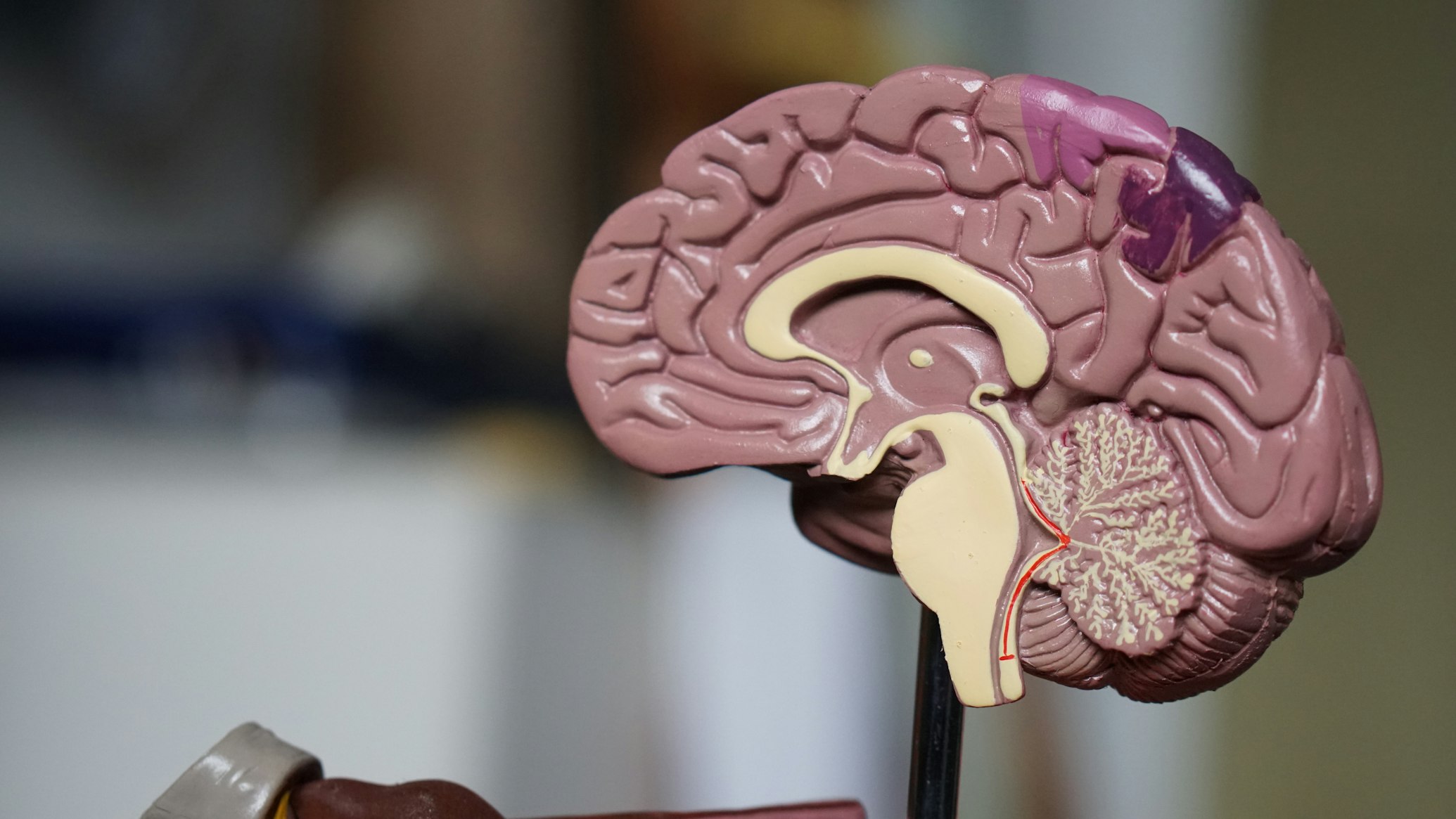
Microscopic view of nanomaterial structures used in medical applications.
Inside the Lab: A Revolutionary Experiment in Wound Healing
Methodology: Building a Better Healing Scaffold
In a groundbreaking study published in the Journal of Biomaterials Science, Polymer Edition, researchers developed and tested an AuNPs-PCL nanocomposite for abdominal wound healing. Their experimental approach followed these key steps:
Nanocomposite Fabrication
Researchers created a PCL scaffold and coated it with gold nanoparticles using a simple and nontoxic method, significantly improving the surface hydrophilicity (water-attracting property) without chemical modification.
Material Characterization
The team verified the successful coating of AuNPs on the PCL scaffold and confirmed the enhanced hydrophilicity through standardized tests.
Photothermal Testing
The nanocomposite was exposed to near-infrared (NIR) light to measure its temperature increase—quantifying the photothermal effect that enables bacterial inhibition.
Animal Model Evaluation
The material was tested in an abdominal wound healing model in animals, with researchers systematically analyzing its effects on the immune response, blood vessel formation, and healing rate compared to control groups.
Results and Analysis: Compelling Evidence of Enhanced Healing
The experimental results demonstrated significant advantages of the AuNPs-PCL nanocomposite over conventional approaches:
Wound Closure Rates Over Time
Antibacterial Efficacy Against Common Wound Pathogens
| Bacterial Strain | Control Group Reduction | Standard PCL Reduction | AuNPs-PCL Nanocomposite Reduction |
|---|---|---|---|
| S. aureus | 5% | 8% | 99.8% |
| E. coli | 6% | 9% | 99.9% |
The photothermal effect of the AuNPs-PCL nanocomposite demonstrated remarkable antibacterial efficacy against both Gram-positive and Gram-negative bacteria—crucial for preventing wound infections, especially against drug-resistant strains.
Tissue Regeneration Markers at Day 7
The significant decrease in inflammatory cells (lymphocytes and neutrophils) coupled with increased blood vessel formation (neovascularization) in the AuNPs-PCL group indicates a more efficient healing process with reduced inflammation and enhanced tissue regeneration.
The Scientist's Toolkit: Essential Components for Nano-Enhanced Wound Healing
| Reagent/Material | Function in Research |
|---|---|
| Gold Nanoparticles (AuNPs) | Provide photothermal antibacterial effect; improve surface hydrophilicity for enhanced cell adhesion 1 . |
| Polycaprolactone (PCL) | Biodegradable polymer scaffold that provides 3D structural support for tissue regeneration 1 . |
| Near-Infrared (NIR) Light Source | Activates the photothermal effect of AuNPs; enables spatiotemporally controlled antibacterial therapy 6 . |
| Gelatin | Natural polymer often combined with PCL to improve biocompatibility and cell interaction 4 . |
| Graphene Oxide (GO) | Carbon-based nanomaterial used in composite scaffolds to enhance mechanical properties and cellular responses 3 . |
| Sol-Gel Processing Solutions | Chemical solutions used in creating hybrid inorganic-organic nanocomposite scaffolds with tailored properties 2 . |
Gold Nanoparticles
Provide the photothermal antibacterial effect and improve cell adhesion properties.
PCL Scaffold
Biodegradable polymer providing 3D structural support for tissue regeneration.
NIR Light
Activates the photothermal effect for targeted antibacterial therapy.
The Future of Healing: Where Do We Go From Here?
The development of AuNPs-PCL nanocomposites represents just the beginning of nanotechnology's revolution in wound care.
Smart Wound Dressings
Researchers are already working on even more advanced "smart" wound dressings that can detect bacterial infections in situ while providing timely antibacterial therapy . These intelligent systems represent the future of personalized wound management.
Photothermal Electrospinning
As we look ahead, the integration of photothermal electrospinning—creating nanofiber scaffolds with built-in photothermal agents—promises even greater precision in wound treatment 6 .
Computational Nanomaterials
Similarly, the emergence of "computational nanomaterials"—using artificial intelligence and machine learning to design optimal nanomedicines—could accelerate the development of next-generation wound healing materials 5 .
Multi-Targeted Approach
What makes AuNPs-PCL nanocomposites particularly promising is their ability to address multiple aspects of the wound healing process simultaneously: fighting infection, promoting cell growth, and supporting tissue regeneration.
As research progresses, we move closer to a future where severe wounds that once meant prolonged suffering, frequent complications, or even amputation can be treated effectively and efficiently. The golden age of wound healing is dawning—and it's measured in nanometers.
The journey from laboratory discovery to clinical reality continues, but with each experiment and innovation, we move closer to transforming the silent epidemic of chronic wounds into a manageable challenge.