The Essential IUPAC Surface Chemical Analysis Glossary: A Comprehensive Guide for Biomedical Researchers
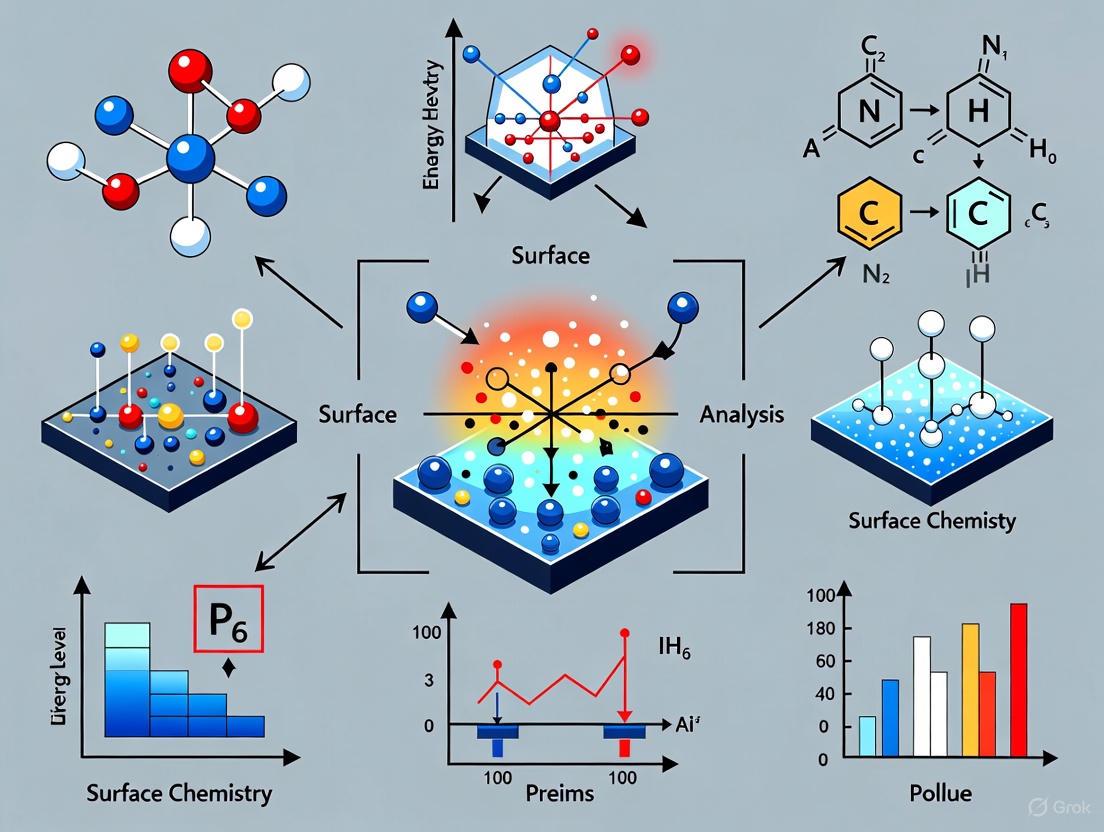
This guide provides a comprehensive overview of the IUPAC Glossary of Methods and Terms used in Surface Chemical Analysis, a critical resource for ensuring terminology consistency in analytical sciences.
The Essential IUPAC Surface Chemical Analysis Glossary: A Comprehensive Guide for Biomedical Researchers
Abstract
This guide provides a comprehensive overview of the IUPAC Glossary of Methods and Terms used in Surface Chemical Analysis, a critical resource for ensuring terminology consistency in analytical sciences. Tailored for researchers, scientists, and drug development professionals, it explores the foundational concepts, methodological applications, and practical implementation of standardized surface analysis terminology. The content bridges the gap between IUPAC recommendations and ISO standards, addressing techniques from XPS to emerging methods like atom probe tomography, to enhance data reproducibility, cross-disciplinary communication, and regulatory compliance in biomedical and clinical research.
Understanding IUPAC's Role in Surface Analysis Terminology
The Authoritative Role of IUPAC in Chemistry
The International Union of Pure and Applied Chemistry (IUPAC) serves as the universally recognized authority on chemical nomenclature and terminology [1] [2]. Established in 1919, IUPAC's primary mission involves creating unambiguous, consistent nomenclature and terminology systems across all chemical disciplines [1] [2]. This standardization work ensures that when chemists use terms like "surface" or "interface," they convey precise, consistent meanings that enable accurate international scientific communication and data exchange [3].
Two key IUPAC bodies lead these standardization efforts: Division VIII – Chemical Nomenclature and Structure Representation and the Interdivisional Committee on Terminology, Nomenclature, and Symbols [1]. These groups develop comprehensive recommendations published through various channels including IUPAC's journal Pure and Applied Chemistry (which becomes freely available one year after publication), the IUPAC Standards Online database, and the famous IUPAC Color Books that provide definitive guides for different chemical subdisciplines [1] [2].
IUPAC Nomenclature Systems and Principles
IUPAC has developed multiple systematic approaches for naming chemical compounds, each serving different chemical contexts [2]. The table below summarizes the primary nomenclature systems used in organic chemistry.
Table 1: IUPAC Organic Chemistry Nomenclature Systems
| System Type | Fundamental Principle | Primary Application Context |
|---|---|---|
| Substitutive | Replacing hydrogen atoms with functional groups indicated by prefixes/suffixes | Most widely used system for organic compounds |
| Radicofunctional | Naming functional classes as main group with remainder as radical(s) | Limited use for specific compound classes |
| Additive | Adding atoms to a parent structure (e.g., indicated by 'hydro-' prefix) | Mainly for hydrogen addition |
| Subtractive | Removing atoms from a parent structure (e.g., indicated by 'dehydro-' prefix) | Primarily in natural products chemistry |
| Replacement | Replacing carbon atoms in a chain with other atoms | Used when simplification results (e.g., PEGs) |
IUPAC also establishes precise typographic conventions for chemical nomenclature, including rules for capitalization, italicization, and punctuation [2]. For instance, stereochemical descriptors like cis, trans, R, and S are italicized, while prefixes such as "cyclo-" and "iso-" are considered part of the main name and capitalized accordingly at the beginning of sentences [2].
Standardization in Surface Chemical Analysis
Fundamental Terminology in Surface Analysis
In surface chemical analysis, IUPAC provides precise definitions that distinguish between related concepts [3]. The term "surface" itself has multiple nuanced definitions depending on context:
- Surface: The "outer portion" of a sample with undefined depth, used in general discussions of outside regions [3]
- Physical Surface: The specific atomic layer that contacts vacuum, representing the true outermost atomic layer [3]
- Experimental Surface: The sample portion that interacts significantly with analytical radiation or particles, determined by measurement volume requirements [3]
These precise distinctions are critical for surface science researchers who must accurately describe their experimental conditions and results [3] [4].
IUPAC maintains several important resources specifically for surface chemical analysis terminology:
Table 2: IUPAC Resources for Surface Chemical Analysis Terminology
| Resource Name | Description | Key Features | Current Status |
|---|---|---|---|
| Gold Book (Online) | Interactive version of Compendium of Chemical Terminology | Browseable alphabetical/thematic indexes; digital formats available | Some entries may need updating; divisions conducting reviews [5] |
| Glossary of Methods and Terms in Surface Chemical Analysis | Formal vocabulary for surface analysis concepts | Covers electron, ion, and photon spectroscopy of surfaces | Provisional Recommendations (2019) under review [4] |
| Orange Book (4th Edition, 2023) | Compendium of Terminology in Analytical Chemistry | New chapter on Analytical Chemistry of Surfaces; aligns with latest ISO/JCGM standards | Published January 2023 [6] |
The Gold Book (Compendium of Chemical Terminology), while foundational, carries a note that some definitions may not reflect the most current chemical understanding as the online version has not been updated in several years, though IUPAC divisions are working to review and update entries [5].
IUPAC's Evolving Role in the Digital Age
FAIR Data Initiatives
IUPAC is actively working to align chemical data standards with FAIR data principles (Findable, Accessible, Interoperable, and Reusable) through the WorldFAIR Project [7]. These initiatives focus on:
- Developing guidelines, tools, and validation services for FAIR data sharing and storage
- Addressing standards gaps that limit chemistry in both academic and industrial settings
- Engaging stakeholders to increase machine-readable chemical data availability [7]
The IUPAC FAIR Chemistry Protocol Services project represents a new service prototype supporting standard programmatic chemical data exchange and validation, reflecting IUPAC's adaptation to digital research environments [7].
Emerging Technologies Recognition
IUPAC's Top Ten Emerging Technologies in Chemistry initiative, most recently published in 2025, highlights IUPAC's role in identifying transformative innovations [8]. The 2025 list includes technologies such as:
- Direct Air Capture and Electrochemical Carbon Capture and Conversion for sustainability
- Multimodal Foundation Models for Structure Elucidation representing AI/ML applications
- Nanochain Biosensors and Single-Atom Catalysis for advanced materials and health [8]
This initiative demonstrates IUPAC's ongoing relevance in showcasing chemistry's potential to address urgent societal challenges through technological innovation [8].
Experimental Protocols and Methodologies
Chemical Measurement Process (CMP) Framework
IUPAC has established a standardized framework for describing the Chemical Measurement Process (CMP), defined as "a fully specified analytical method that has achieved a state of statistical control" [9]. This framework includes:
- Sample Preparation: Transformation of the test portion into a form suitable for instrumental measurement
- Instrumental Measurement: Conversion of the analyte amount (x) to a signal or response (y)
- Evaluation Unit: Transformation of the response (y) back into an estimate (x̂) of the original analyte amount [9]
The CMP structure provides a systematic approach for characterizing analytical methods and their performance metrics, enabling meaningful comparison between different analytical techniques [9].
Characterization of Method Performance
IUPAC recommendations provide detailed nomenclature for evaluating analytical method performance, including fundamental quantities related to:
- Observed Response and Calibration Functions
- Precision and Accuracy Measures including variance and standard error
- Detection and Quantification Capabilities
- Uncertainty Components and Error Propagation [9]
This standardized approach to method validation ensures consistency across laboratories and analytical techniques, which is particularly crucial in regulated environments like pharmaceutical development [6] [9].
Research Reagents and Materials for Surface Analysis
Table 3: Essential Research Reagents and Materials for Surface Chemical Analysis
| Reagent/Material | Function/Purpose | Application Context |
|---|---|---|
| Reference Materials | Provide known surface composition for instrument calibration | Essential for quality control in quantitative surface analysis |
| Calibration Standards | Establish correlation between instrument response and analyte concentration | Required for method validation per IUPAC/ISO guidelines |
| Ultra-high Vacuum Systems | Enable preparation and maintenance of clean surfaces | Critical for physical surface characterization studies |
| Characterized Substrates | Provide consistent surface properties for reproducible measurements | Gold, silicon, and mica surfaces with specified roughness/crystallinity |
Workflow Diagram for IUPAC Standard Implementation
The following diagram illustrates the logical relationship and workflow for implementing IUPAC standards in surface chemical analysis research:
IUPAC maintains its position as the global authority in chemical standardization through continuous development of nomenclature systems, adaptation to digital research environments, and recognition of emerging technologies. The organization's precise definitions for surface chemical analysis terminology, combined with its framework for characterizing analytical methods and its initiatives toward FAIR data principles, ensure that chemical research maintains consistency, precision, and interoperability across international boundaries and scientific disciplines. As chemical research evolves with new technologies, IUPAC's standardization work remains fundamental to accurate scientific communication and collaboration.
Scope and Purpose of the Surface Chemical Analysis Glossary
The Glossary of Methods and Terms used in Surface Chemical Analysis represents a formal vocabulary established by the International Union of Pure and Applied Chemistry (IUPAC) to standardize terminology in the field of surface analytical chemistry [4] [10]. This comprehensive document provides clear, authoritative definitions for researchers who utilize surface chemical analysis or need to interpret results but may not be specialists in surface chemistry or surface spectroscopy [11]. The glossary serves as a critical update to the previous version published in 1997, reflecting the substantial technical advances that have occurred in surface analysis methodologies over the intervening decades [11].
The primary objective of this glossary is to ensure universality and consistency in terminology throughout the field of Surface Analytical Chemistry [11]. This consistency is fundamental to assuring reproducibility and comparability of results across different laboratories and research initiatives worldwide. By establishing a common language, the glossary facilitates clearer communication among scientists, enhances the reliability of scientific publications, and supports quality assurance in both academic and industrial settings where surface analysis techniques are employed.
Scope of the Glossary
Analytical Techniques Covered
The scope of the glossary is carefully defined to include analytical techniques where beams of electrons, ions, or photons are incident on a material surface, and scattered or emitted electrons, ions, or photons are detected from within approximately 10 nanometers of the surface [11]. This encompasses a wide range of spectroscopic methods used for chemical analysis of surfaces under vacuum conditions, as well as surfaces immersed in liquid environments [11]. The glossary systematically covers the principal methods of surface chemical analysis along with notes describing common variants of these techniques, providing researchers with a comprehensive overview of the available analytical tools [11].
Delimitations and Exclusions
A key delimitation of this glossary is its specific exclusion of methods that yield purely structural and morphological information without chemical specificity [11]. Consequently, techniques such as diffraction methods and imaging microscopies fall outside its scope. This focused approach ensures the glossary maintains its specialized utility for researchers requiring precise definitions related to the chemical composition and chemical state information obtained from surface analysis techniques.
Table: Scope Boundaries of the IUPAC Surface Chemical Analysis Glossary
| Included Techniques | Excluded Techniques |
|---|---|
| Electron spectroscopy of surfaces | Pure structural determination methods |
| Ion spectroscopy of surfaces | Diffraction methods |
| Photon spectroscopy of surfaces | Pure imaging microscopies |
| Methods analyzing ~10 nm surface region | Techniques analyzing bulk properties |
| Vacuum-based surface analysis | |
| In-liquid surface analysis |
Purpose and Scientific Significance
Standardization of Terminology
The fundamental purpose of this glossary is to provide a standardized vocabulary that promotes consistency in terminology across the field of surface analytical chemistry [11]. This standardization is particularly crucial for a multidisciplinary field where researchers from various backgrounds (including chemistry, materials science, biology, and engineering) employ surface analysis techniques and must communicate their findings unambiguously. The IUPAC recommendations ensure that terms have precisely defined meanings, reducing the potential for misinterpretation that can arise when inconsistent terminology is used in scientific literature, technical reports, and method specifications.
Relationship with International Standards
This IUPAC glossary has been developed with careful coordination with existing international standards, particularly those established by the International Organization for Standardization (ISO) [11]. The document selectively incorporates topics from ISO 18115: Surface Chemical Analysis—Vocabulary, which consists of two parts: ISO 18115-1, covering general terms and terms used in spectroscopy (2013), and ISO 18115-2, addressing terms used in scanning-probe microscopy (2013) [11]. The terminology taken from these ISO standards is reproduced with permission, and the definitions also comply with the International Vocabulary of Metrology (VIM) [11]. This alignment with established international standards ensures global recognition and adoption of the terminology.
Structural Organization of the Glossary
Systematic Arrangement of Content
The glossary is organized into two principal sections that facilitate both learning and reference use. Section 2 contains definitions of the principal methods used in surface chemical analysis, accompanied by notes that describe common variants of these core techniques [11]. This structure introduces researchers to the full spectrum of surface chemical analysis methods available. Section 3 provides definitions of terms associated with the various methods described in the previous section, creating a comprehensive terminological resource [11]. This logical organization allows users to first understand the analytical approaches and then explore the specific terminology associated with each method.
Development and Review Process
The glossary was developed through IUPAC's rigorous review procedures, which include a period of public review where provisional recommendations are made widely available to allow interested parties to provide comments before final publication [4]. This transparent, collaborative process ensures broad consensus and technical accuracy. The final version was published as IUPAC Recommendations in Pure and Applied Chemistry on November 2, 2020 [10], and appeared in print in January 2021 [11].
Table: Key Metadata for the IUPAC Surface Chemical Analysis Glossary
| Attribute | Description |
|---|---|
| Publication Status | IUPAC Recommendations 2020 |
| Journal | Pure and Applied Chemistry |
| Print Publication Date | January 2021 |
| Online Publication Date | November 2020 |
| Volume and Issue | Volume 92, Issue 11 |
| Page Range | 1781-1860 |
| Corresponding Author | D. Brynn Hibbert |
Technical Framework and Methodological Coverage
Core Analytical Concepts Defined
The glossary provides precise definitions for fundamental concepts in surface chemical analysis, establishing a technical framework that supports methodological development and application. These definitions cover instrumental components, analytical parameters, data interpretation concepts, and measurement phenomena specific to surface analysis techniques. By standardizing these core concepts, the glossary enables more precise communication of methodological details in scientific publications and facilitates more accurate comparison of results obtained using different instrumental configurations or across different laboratories.
Methodological Classification System
The classification system employed in the glossary allows researchers to understand relationships between different surface analysis techniques based on their fundamental operational principles. This includes categorization by the type of incident probe (electrons, ions, or photons), the detected signals (electrons, ions, or photons), and the specific physical or chemical phenomena exploited for analysis. This systematic classification assists researchers in selecting appropriate analytical strategies for specific material characterization challenges and promotes understanding of the complementary information available from different surface analysis methods.
Essential Reference Materials for Surface Analysis
Table: Key Reference Resources for Surface Chemical Analysis Research
| Resource Category | Specific Examples | Primary Function |
|---|---|---|
| Standardized Terminology | IUPAC Surface Analysis Glossary, ISO 18115 | Ensure consistent terminology and definitions |
| Methodology Standards | ISO/TC 201 Standards系列 | Standardized measurement procedures |
| Data Management | IUPAC FAIRSpec Guidelines | Spectroscopic data curation and management |
| Complementary Techniques | IUPAC Gold Book, Multilingual Polymer Glossary | Broader chemical terminology context |
The Glossary of Methods and Terms used in Surface Chemical Analysis represents an essential authoritative resource that establishes a standardized vocabulary for the surface analysis community. Its carefully defined scope encompasses the principal spectroscopic techniques used for chemical characterization of the outermost surface regions of materials, while explicitly excluding methods focused purely on structural or morphological information. Through its coordinated development with ISO standards and implementation of IUPAC's rigorous review process, the glossary provides precise definitions that support reproducibility, consistency, and clear communication in surface analysis research. For drug development professionals and other researchers working with surface characterization techniques, this glossary serves as a critical reference that enhances methodological rigor and facilitates more effective cross-disciplinary collaboration in surface science applications.
The Glossary of Methods and Terms used in Surface Chemical Analysis represents a formal vocabulary established by the International Union of Pure and Applied Chemistry (IUPAC) to standardize terminology across this specialized scientific domain. This glossary serves an essential function for researchers, technicians, and students who utilize surface chemical analysis techniques but may not possess specialized expertise in surface chemistry or spectroscopy. By providing clear, authoritative definitions, the glossary facilitates more precise communication and interpretation of data across disciplines and international boundaries. The provisional recommendations for this glossary were made available for public review on 18 December 2019, with the final version published after the review period concluded on 30 April 2020 [4] [10].
The development of this glossary falls within IUPAC's broader mission to establish standardized nomenclature and terminology in chemistry, as exemplified by its series of "Color Books" that serve as authoritative resources for chemical nomenclature, terminology, and symbols [12]. These include the well-known Gold Book (Chemical Terminology), Green Book (Quantities, Units, and Symbols in Physical Chemistry), Blue Book (Organic Chemistry Nomenclature), Red Book (Inorganic Chemistry Nomenclature), Purple Book (Polymer Terminology and Nomenclature), Orange Book (Analytical Terminology), Silver Book (Clinical Laboratory Sciences), and White Book (Biochemical Nomenclature) [13]. The Surface Chemical Analysis Glossary extends this standardized approach to the specific methodological and conceptual framework of surface analysis techniques.
Methodological Framework for Glossary Development
IUPAC Provisional Recommendation Process
The development of the Glossary of Methods and Terms used in Surface Chemical Analysis followed IUPAC's established procedural framework for terminology standardization. This process begins with the formation of an international committee of experts in the relevant sub-disciplines of chemistry. These experts draft definitions and recommendations that are then published as Provisional Recommendations, making them widely available to the global scientific community for comment and review [4]. This open review process, which for this glossary lasted from 18 December 2019 to 30 April 2020, allows interested parties from academia, industry, and research institutions to provide feedback, ensuring the resulting definitions reflect broad consensus and practical utility [4] [10].
The provisional status of these recommendations signifies they are drafts of IUPAC recommendations on terminology, nomenclature, and symbols before final revision and publication in IUPAC's official journal, Pure and Applied Chemistry. This iterative, collaborative approach to terminology development helps establish what IUPAC's FAIR Chemistry Cookbook describes as a "formal vocabulary of terms for concepts in surface analysis" [14]. The process ensures that the final published glossary represents the most current understanding of methods and terms while maintaining consistency with established chemical nomenclature principles across IUPAC's color book series.
Editorial and Review Methodology
The editorial process for the glossary was overseen by Corresponding Author D. Brynn Hibbert, who coordinated the receipt and integration of feedback from the global scientific community [4] [10]. Following the public review period, comments were systematically evaluated and incorporated where appropriate before the final recommendations were ratified by IUPAC's Interdivisional Committee on Terminology, Nomenclature and Symbols (ICTNS). This rigorous methodology ensures that the published definitions maintain the highest standards of scientific accuracy and practical utility for the intended audience of both specialists and non-specialists who need to interpret surface chemical analysis results [4].
The glossary's development aligns with IUPAC's broader framework for FAIR Data Management (Findable, Accessible, Interoperable, and Reusable), which emphasizes the importance of standardized terminology for effective data sharing and reuse in chemistry [14]. This is particularly relevant for surface analysis data, where consistent terminology enables proper data curation - "the process of maintaining, preserving and adding value to data throughout its lifecycle" [14]. The formal definitions facilitate the creation of meaningful metadata (data about data) that document digital objects for discovery, description, and contextualization [14].
Quantitative Analysis of Glossary Structure and Content
Taxonomic Organization of Method Categories
Table 1: Primary Method Categories in Surface Chemical Analysis
| Method Category | Specific Techniques | Core Physical Principles | Key Measured Parameters |
|---|---|---|---|
| Electron Spectroscopy | XPS, AES, EELS | Electron emission/absorption | Kinetic energy, binding energy, intensity |
| Ion Spectroscopy | SIMS, ISS, RBS | Ion scattering/sputtering | Mass/charge ratio, scattering angle, energy loss |
| Photon Spectroscopy | XPS, UPS, IRAS | Photon absorption/emission | Wavelength, intensity, absorption frequency |
The glossary organizes surface analysis methods into three primary spectroscopic categories based on the probe particle or radiation used: electron spectroscopy, ion spectroscopy, and photon spectroscopy [4]. This taxonomic structure reflects the fundamental physical principles underlying each technique and creates a logical framework for understanding their respective applications, strengths, and limitations. Electron spectroscopy methods, such as X-ray Photoelectron Spectroscopy (XPS) and Auger Electron Spectroscopy (AES), focus on the energy distribution of electrons emitted from a surface following excitation. Ion spectroscopy techniques, including Secondary Ion Mass Spectrometry (SIMS) and Ion Scattering Spectroscopy (ISS), utilize ion beams to probe surface composition through scattering or sputtering processes. Photon spectroscopy methods employ electromagnetic radiation to investigate surface properties through absorption, emission, or photoelectron processes.
Each methodological category contains specific techniques with defined acronyms and standardized nomenclature. The glossary provides explicit definitions for these acronyms and techniques, establishing a consistent vocabulary that enables precise communication among researchers. For example, within electron spectroscopy, the glossary distinguishes between techniques based on their excitation mechanisms and detected particles, creating clear conceptual boundaries between related methods. This systematic categorization allows researchers to quickly identify techniques relevant to their specific analytical needs while understanding the fundamental principles that govern each method's application to surface characterization.
Term Classification and Definition Structure
Table 2: Classification of Definition Types in the Glossary
| Term Category | Definition Characteristics | Examples | Relationship to Broader Concepts |
|---|---|---|---|
| Instrument-Based Terms | Specific to analytical equipment | Detector types, source specifications | Linked to methodological categories |
| Theoretical Concepts | Fundamental physical principles | Mean free path, inelastic scattering | Connected to multiple techniques |
| Data Analysis Terms | Pertaining to interpretation | Quantitative analysis, peak fitting | Applied across methodological boundaries |
| Procedural Terms | Related to sample preparation/handling | Sputter cleaning, ultra-high vacuum | Cross-cutting practical concerns |
The glossary employs a structured approach to term definitions that addresses the diverse needs of its target audience. Each entry provides a concise explanation of the concept while establishing its relationship to broader principles in surface analysis. The definition structure typically includes: the fundamental principle underlying the term, its specific application in surface analysis, relationships to other terms or techniques, and in some cases, mathematical formalisms or quantitative parameters where appropriate. This consistent definitional framework enables users to quickly grasp unfamiliar concepts while understanding their practical significance in surface analysis methodology.
The terminology encompasses several distinct categories of terms, including instrument-based terms specific to analytical equipment, theoretical concepts describing fundamental physical principles, data analysis terms pertaining to interpretation methods, and procedural terms related to sample preparation and handling. This comprehensive coverage ensures researchers have access to standardized terminology across the entire workflow of surface analysis, from experimental design through data interpretation. The glossary particularly emphasizes terms that have specific meanings within surface analysis that may differ from their general usage in other chemistry subdisciplines, thereby reducing potential confusion among non-specialists who need to interpret surface analysis results.
Visualization of Glossary Structure and Relationships
Conceptual Organization of the Glossary
The following diagram illustrates the systematic organization and relationships between key components of the IUPAC Glossary of Methods and Terms used in Surface Chemical Analysis:
This conceptual map demonstrates how the Surface Chemical Analysis Glossary integrates within IUPAC's broader ecosystem of standardized terminology while maintaining its specialized focus on surface analysis methods and associated terms. The diagram highlights the relationships between fundamental IUPAC frameworks, the specific glossary development process, and the resulting taxonomic structure of the glossary content.
Essential Research Toolkit for Surface Analysis Terminology
Table 3: Essential IUPAC Resources for Surface Chemical Analysis Terminology
| Resource Name | Resource Type | Primary Focus | Access Information |
|---|---|---|---|
| Glossary of Methods and Terms in Surface Chemical Analysis | Technical Glossary | Surface analysis methods and terminology | Published in Pure and Applied Chemistry [10] |
| Gold Book (Compendium of Chemical Terminology) | Reference Work | General chemical terminology | Print and online versions available [13] |
| Orange Book (Compendium of Analytical Nomenclature) | Reference Work | Analytical chemistry terminology | Third edition (1998) available online [13] |
| IUPAC FAIR Chemistry Cookbook | Digital Resource | FAIR data management in chemistry | Online glossary of FAIR terminology [14] |
| Green Book (Quantities, Units, and Symbols) | Reference Work | Physical chemistry quantities and units | Third edition (2007) [13] |
The research toolkit for surface analysis terminology centers around IUPAC's authoritative publications, with the Glossary of Methods and Terms used in Surface Chemical Analysis serving as the specialized foundation. This is complemented by IUPAC's broader color book series, which provides context and connecting terminology across chemical subdisciplines. The Gold Book offers comprehensive definitions of general chemical terms that may intersect with surface analysis concepts, while the Orange Book provides specific nomenclature for analytical chemistry that supports and extends the specialized terminology in the surface analysis glossary [13]. These resources collectively establish a hierarchical terminology structure that maintains consistency across levels of specialization.
Contemporary digital resources have become increasingly important for terminology research, with the IUPAC FAIR Chemistry Cookbook representing an evolving online resource that addresses modern data management concerns, including standardized terminology for digital objects, metadata schemas, and persistent identifiers [14]. This digital resource complements the traditional print publications by addressing how standardized terminology facilitates the implementation of FAIR (Findable, Accessible, Interoperable, and Reusable) principles for chemical data, particularly relevant for surface analysis datasets that may be shared across research groups or deposited in public repositories. The integration of traditional terminology resources with these emerging digital standards creates a comprehensive toolkit for researchers working with surface analysis methodology and data.
Implementation and Application Framework
The practical application of surface analysis terminology requires understanding both the formal definitions and their implementation in experimental design, data collection, and scholarly communication. The glossary serves as a critical resource for writing research proposals, methods sections in publications, and technical reports where precise description of surface analysis techniques is essential. By providing standardized definitions, the glossary helps ensure that terms such as "detection limit," "lateral resolution," and "quantitative analysis" are consistently applied and understood across the scientific community, reducing ambiguity in technical communications.
For researchers implementing surface analysis techniques, the glossary provides the terminology necessary for accurate data management - "the overall activity of organizing, maintaining, and cataloging data assets" [14]. This includes standardized terms for describing instrumental parameters, sample preparation methods, and data processing techniques that should be documented as part of effective data curation. The definitions also support the creation of comprehensive metadata - "data that contains descriptive, contextual and provenance assertions about the properties of a Digital Object" [14] - for surface analysis datasets, facilitating their discovery, interpretation, and reuse by other researchers. This standardized terminology framework is particularly valuable for creating data management plans that describe how surface analysis data will be handled during and after research projects.
The Critical Link Between Standardized Terminology and Scientific Reproducibility
The reproducibility of scientific findings is a cornerstone of the scientific method, yet numerous fields currently face a "reproducibility crisis" where results from one laboratory cannot be reliably replicated by another. While contributing factors are multifaceted, a critical and often overlooked component is the inconsistent use of scientific terminology. In the specialized domain of surface chemical analysis, where techniques such as X-ray photoelectron spectroscopy (XPS) and secondary ion mass spectrometry (SIMS) provide essential material characterization, the lack of standardized definitions for methods and terms can lead to ambiguous reporting, misinterpretation of data, and ultimately, irreproducible results.
The International Union of Pure and Applied Chemistry (IUPAC) addresses this challenge through the provision of formal glossaries. The "Glossary of Methods and Terms used in Surface Chemical Analysis" provides a formal vocabulary for concepts in surface analysis, offering clear definitions for those who utilize surface chemical analysis but are not themselves surface chemists or surface spectroscopists [4] [15]. This standardization is not merely an academic exercise; it is a fundamental prerequisite for ensuring that data and methodologies are communicated with the precision necessary for independent verification. The IUPAC Recommendations, which align with the International Organisation for Standardization (ISO) standards like ISO 18115, aim to ensure universality of terminology within the field, which is key to assuring reproducibility and consistency in results [15] [10]. This technical guide explores the intrinsic connection between standardized terminology and scientific reproducibility, using the IUPAC surface chemical analysis glossary as a foundational framework.
The Role of Standardized Terminology in the Research Workflow
The integration of standardized terminology is not a single event but a process that permeates the entire research lifecycle. The following workflow diagram illustrates how formal vocabularies, like the IUPAC glossary, create a framework for reproducible science at every stage, from initial study design to final publication and knowledge transfer.
As depicted, standardized terminology acts as a connecting thread that ensures clarity and consistency at each stage. For instance, during data collection and instrument operation, precise definitions of terms such as "analysis area" and "information depth" prevent misinterpretation of instrumental parameters that could drastically alter experimental outcomes [15]. During data analysis and interpretation, a shared understanding of concepts like "binding energy referencing" is critical for the correct processing of spectral data and for meaningful comparisons between datasets generated in different laboratories [4].
Quantitative Impact: How Terminology Affects Reproducibility and Outcomes
The consequences of inconsistent terminology are not merely theoretical; they have measurable effects on research integrity and efficiency. The following table summarizes key quantitative findings from various scientific domains that highlight the critical role of standardized language.
Table 1: Quantitative Evidence of Terminology Standardization Impact
| Domain / Study | Finding | Impact of Standardization |
|---|---|---|
| Surface Chemical Analysis (IUPAC) | Provision of a formal vocabulary for methods and terms [4] [15]. | Ensures universality of terminology, which is a key to assuring reproducibility and consistency in results [15]. |
| Nursing Informatics (Secondary Analysis, 2025) | Gordon’s Eleven Functional Health Patterns was the most frequently used assessment framework [16]. | Standardized documentation practices strengthen professional visibility, support quality improvement, and enhance outcome measurement [16]. |
| General Research Methods | Confidence limits are expressed in a "plus or minus" fashion according to sample size and corrected with standardized formulas [17]. | Allows for accurate determination of the range within which a population value is likely to fall, enabling valid comparison and replication of studies [17]. |
| Drug Discovery & LLMs | Two paradigms exist: specialized models (trained on scientific language) and general-purpose models [18]. | A clear, standardized taxonomy for model types is essential for interpreting capabilities and applicability, preventing misapplication in critical tasks like drug toxicity prediction [18]. |
The data from healthcare is particularly telling. A 2025 secondary analysis of 53 studies on Standardized Nursing Terminologies (SNTs) found that while the use of structured frameworks like Gordon’s Eleven Functional Health Patterns is common, details regarding assessment tools and their integration into Electronic Health Records (EHRs) are inconsistently reported [16]. This lack of consistent documentation directly impedes the ability to replicate care protocols and reliably measure patient outcomes across different clinical settings. Furthermore, the analysis revealed that inter-rater reliability—the agreement among different nurses making the same diagnosis—was reported in only a limited number of studies and with considerable variation, underscoring a fundamental challenge in reproducing clinical judgments [16].
Case Study: Implementing Terminology Standards in Surface Chemical Analysis
Experimental Protocol for Reproducible Surface Analysis
To illustrate the practical application of standardized terminology, consider a typical experiment: determining the elemental surface composition of a solid catalyst material using X-ray Photoelectron Spectroscopy (XPS). The following protocol is structured using defined terms from the IUPAC glossary.
1. Sample Preparation and Mounting:
- Clean the analysis area (the region from which signals are acquired) using a solvent specified in the protocol, such as isopropanol [15].
- Mount the sample on a standard specimen stub using a double-sided adhesive tab or conductive tape, documenting the exact material used.
- If the sample is non-conductive, state whether charge neutralization was employed, using a flood gun of specified current and energy.
2. Instrument Calibration and Setup:
- Calibrate the binding energy scale of the spectrometer using the peak position of a standard, such as Au 4f~7/2~ at 84.0 eV or Cu 2p~3/2~ at 932.67 eV. The specific standard and its measured value must be reported [15].
- Report key instrumental parameters using standardized terms:
- Source of X-rays: e.g., Al Kα, Mg Kα (including the linewidth and energy).
- Analysis area: diameter or dimensions.
- Pass energy and step size for high-resolution spectra.
- Take-off angle (the angle between the surface plane and the direction to the analyzer entrance), as this influences the surface sensitivity.
3. Data Acquisition:
- Acquire survey spectra over a wide binding energy range (e.g., 0-1200 eV) to identify all elements present.
- Acquire high-resolution spectra for each identified element.
- For each spectrum, the number of scans and dwell time per data point should be recorded to fully document the signal-to-noise ratio.
4. Data Analysis and Reporting:
- Process the data using standardized procedures:
- Perform a linear or Shirley background subtraction for the high-resolution spectra [15].
- Fit the peaks using a consistent line shape (e.g., a mix of Gaussian and Lorentzian functions, with the ratio documented).
- Identify chemical states by comparing the measured binding energy with values from standard databases, citing the database used.
- Calculate atomic concentrations using relative sensitivity factors (RSFs) provided by the instrument manufacturer or from a cited, peer-reviewed source.
The Scientist's Toolkit: Essential Reagents and Materials for Reproducible Surface Analysis
Table 2: Key Research Reagent Solutions for Surface Chemical Analysis
| Item | Function / Explanation |
|---|---|
| IUPAC Glossary of Surface Chemical Analysis | Provides the formal vocabulary for writing unambiguous protocols and reports, ensuring all terms (e.g., "analysis area," "take-off angle") are consistently interpreted [4] [15]. |
| Certified Reference Materials (CRMs) | Samples with a certified composition, used for instrument calibration and validation. Essential for verifying the accuracy of measurements and enabling cross-lab comparison. |
| Standard Spectra Databases | Collections of reference spectra (e.g., for XPS) from pure elements and well-characterized compounds. Critical for accurate peak identification and chemical state analysis. |
| Charge Neutralization Flood Gun | A source of low-energy electrons or ions used to neutralize positive charge buildup on insulating samples during analysis, preventing shifts in spectral data. |
| Ultra-High Purity Solvents | Solvents (e.g., isopropanol, methanol) used for sample cleaning to avoid contamination of the surface being analyzed. The purity grade and supplier should be specified. |
Beyond Chemistry: The Expanding Need for Terminology Standards
The imperative for standardized terminology extends far beyond surface chemistry. In emerging fields like artificial intelligence (AI)-driven drug discovery, the lack of universal definitions can significantly hamper progress and reproducibility.
In the application of Large Language Models (LLMs) to drug discovery, researchers categorize models into distinct paradigms: specialized language models (trained on domain-specific data like molecular SMILES strings) and general-purpose language models (trained on broad textual data) [18]. A clear, standardized taxonomy for these model types, their architectures, and their training data is essential for other researchers to accurately interpret results, select appropriate models for their work, and, most importantly, replicate published findings. Without this, studies claiming to use an "LLM for target identification" may be referring to fundamentally different tools and methodologies, making independent verification impossible. This field also grapples with the need for standardized terminology to describe the maturity of LLM applications, using a scale from "Nascent" (in silico only) to "Matured" (deployed in operational pipelines) to clearly communicate the developmental stage of a new method [18].
The link between standardized terminology and scientific reproducibility is both critical and undeniable. As demonstrated through the IUPAC glossary for surface chemical analysis and analogous efforts in other fields, a common, precise vocabulary is the bedrock upon which reliable methods, transparent reporting, and successful replication are built. It is the conduit that allows knowledge to be accurately transferred from one researcher to another, across institutional and international boundaries.
Future efforts must focus on the dynamic maintenance of these standards to keep pace with technological innovation, the wider adoption of standardized terminologies in journal data reporting policies, and the development of interoperable glossaries that bridge related scientific disciplines. For the individual researcher, consistently using and championing standardized terminology is not just a matter of good practice—it is an active contribution to the integrity, efficiency, and collective advancement of science.
Core Techniques and Terms in Modern Surface Chemical Analysis
This technical guide provides a comprehensive overview of the principal analytical methods used for surface chemical analysis, framed within the context of the International Union of Pure and Applied Chemistry (IUPAC) recommendations for terminology and methodology. Surface chemical analysis encompasses techniques in which beams of electrons, ions, or photons are incident on a material surface, with scattered or emitted particles spectroscopically analyzed from within approximately 10 nanometers of the surface [19]. The IUPAC glossary establishes a formal vocabulary for concepts in surface analysis, providing clear definitions to ensure terminology universality, reproducibility, and consistency in results across scientific disciplines [10] [19]. This standardization is particularly crucial for researchers in pharmaceutical development and materials science who rely on these analytical methods for characterizing material composition, electronic structure, and surface properties.
The field has advanced significantly since the initial IUPAC recommendations, with modern techniques now capable of analyzing surfaces under vacuum as well as surfaces immersed in liquid environments [19]. This guide systematically examines the core methodologies based on their excitation sources—electrons, ions, and photons—and their applications in research and industrial settings, with particular attention to the standardized terminology established by IUPAC and the International Organization for Standardization (ISO) [19].
Core Principles of Surface Spectroscopy
Surface spectroscopy techniques share common fundamental principles based on the interaction of incident probes (electrons, ions, or photons) with matter. When these primary excitations strike a material surface, they transfer energy to the atoms, leading to the emission of secondary particles that carry characteristic information about the surface composition, chemical state, and electronic structure.
The information depth—typically defined as the maximum depth from which emitted particles can escape without significant energy loss—varies by technique but is generally limited to the top 1-10 nanometers for electron spectroscopy methods [20]. This extreme surface sensitivity necessitates specialized experimental conditions, particularly ultra-high vacuum (UHV) environments, to maintain surface cleanliness and prevent contamination during analysis [21].
The analytical capabilities of these methods are governed by multiple parameters including lateral resolution (the ability to distinguish features spatially), detection limits (minimum detectable concentration), and whether the technique provides elemental, chemical state, or molecular information. Each method represents a compromise between these factors, with the choice of technique dependent on the specific analytical requirements.
Electron Spectroscopy Techniques
X-ray Photoelectron Spectroscopy (XPS)
3.1.1 Principles and Methodology
X-ray Photoelectron Spectroscopy (XPS), also known as Electron Spectroscopy for Chemical Analysis (ESCA), operates on the photoelectric effect where X-ray photons irradiate a material, causing the ejection of core electrons [22]. The kinetic energy of these emitted photoelectrons is measured and related to their binding energy through the equation:
[ Ek = h\nu - Eb - \phi ]
where (Ek) is the measured kinetic energy of the photoelectron, (h\nu) is the energy of the incident X-ray photon, (Eb) is the binding energy of the electron, and (\phi) is the work function of the spectrometer [21]. Each element produces a characteristic set of photoelectron peaks at specific binding energies, allowing for elemental identification, while chemical state information is derived from subtle shifts in these binding energies due to the local chemical environment [22].
3.1.2 Experimental Protocol
A standard XPS experiment requires specific instrumentation and conditions:
- Radiation Source: Typically employs magnesium (Mg Kα = 1253.6 eV) or aluminum (Al Kα = 1486.6 eV) anodes, with monochromatic sources providing higher energy resolution [21]. Synchrotron radiation offers tunable photon energies and higher brightness.
- Analyzer: An electrostatic electron energy analyzer measures the kinetic energy of emitted photoelectrons. Deflection analyzers provide resolving power ((E/\delta{E})) greater than 1,000 [21].
- Vacuum System: Ultra-high vacuum (UHV) conditions (typically 10⁻⁹ to 10⁻¹⁰ mbar) are essential to minimize surface contamination and allow photoelectrons to reach the detector without scattering [21].
- Sample Preparation: Samples must be compatible with UHV conditions and are typically mounted on conductive holders. Insulating samples may require charge neutralization systems.
- Data Collection: Survey scans identify all elements present, while high-resolution regional scans provide detailed chemical state information. The "magic angle" (54.7°) between incident X-rays and detected photoelectrons eliminates angular anisotropy effects [23].
3.1.3 Quantitative Analysis
Quantitative XPS analysis employs relative sensitivity factors (RSFs) to convert peak areas to atomic concentrations. The intensity for an element A is given by:
[ IA = k \cdot \sigmaA \cdot \lambdaA \cdot T \cdot nA ]
where (k) is an instrument factor, (\sigmaA) is the photoionization cross-section, (\lambdaA) is the inelastic mean free path, (T) is the analyzer transmission function, and (n_A) is the atomic concentration [23]. Using Scofield's ionization cross-sections and proper inelastic mean free path calculations, quantitative accuracy of ±30% can be achieved [23] [20].
Auger Electron Spectroscopy (AES)
3.2.1 Principles and Methodology
Auger Electron Spectroscopy (AES) utilizes a focused electron beam (typically 3-20 keV) to eject core electrons from surface atoms [23]. The resulting excited ion decays through a radiationless process where an electron from a higher energy level fills the core hole, transferring energy to a third electron (the Auger electron) that is emitted from the atom. The kinetic energy of the Auger electron is characteristic of the element and largely independent of the incident beam energy, making AES a powerful elemental analysis technique [23].
3.2.2 Experimental Protocol
- Primary Excitation: A focused electron beam (typically 1-10 nm diameter for scanning Auger microscopy) with energies between 3-20 keV [20].
- Analyzer: Cylindrical mirror analyzers (CMAs) or hemispherical sector analyzers (HSAs) measure Auger electron energies. Electron optics are often used to decelerate electrons before analysis to improve resolution [21].
- Detection Modes: Direct spectrum mode (N(E) vs E) provides the highest quantitative accuracy, while differential mode (dN(E)/dE vs E) enhances signal-to-noise for elemental identification [23].
- Spatial Resolution: Can achieve approximately 200 Å (20 nm) lateral resolution, making it suitable for microanalysis and mapping of heterogeneous surfaces [20].
3.2.3 Quantitative Analysis
Quantitative AES analysis requires careful background removal and normalization. The Auger electron yield for element A is calculated as:
[ IA^{\infty} = NA \sumi QA(E{AXi}) n{AXi} \sigma{AXi} \lambdaA(E{AXi}) [1 + r{m,A}(E0,E{AX_i},\alpha)] ]
where (NA) is the atomic density, (QA) is the fraction of ionizations in shell Xᵢ leading to Auger electrons, (n{AXi}) is the number of electrons in the subshell, (\sigma{AXi}) is the ionization cross-section, (\lambdaA) is the inelastic mean free path, and (r{m,A}) is the backscattering factor [23]. The Casnati et al. ionization cross-section and inelastic mean free path calculations for electrons with binding energies of 14 eV or less provide the best correlation with experimental databases [23].
Ion Spectroscopy Techniques
Secondary Ion Mass Spectrometry (SIMS)
4.1.1 Principles and Methodology
Secondary Ion Mass Spectrometry (SIMS) uses a focused primary ion beam (typically 0.5-30 keV) to sputter atoms and molecules from the outermost surface of a sample. A fraction of these sputtered particles are ionized (secondary ions) and are subsequently analyzed by mass spectrometry [20]. SIMS operates in two primary modes: dynamic SIMS, which uses high primary ion currents for depth profiling, and static SIMS (including Time-of-Flight SIMS or TOF-SIMS), which uses low primary ion doses to preserve molecular information from the uppermost monolayer [20].
4.1.2 Experimental Protocol
- Primary Ion Sources: Liquid metal ion guns (LMIG) using Ga⁺, Au⁺, or Biₙ⁺ clusters for high spatial resolution; O₂⁺ or Cs⁺ for enhanced negative or positive secondary ion yields, respectively.
- Mass Analyzers: Magnetic sector instruments offer high transmission and mass resolution for dynamic SIMS; time-of-flight (TOF) analyzers provide high mass resolution and parallel detection for static SIMS.
- Detection Limits: SIMS offers exceptional sensitivity with detection limits in the parts-per-million (dynamic SIMS) to parts-per-billion (TOF-SIMS) range [20].
- Depth Profiling: Dynamic SIMS can perform depth profiling by continuously sputtering the surface and analyzing the emerging secondary ions, allowing compositional analysis as a function of depth.
Ion Mobility Spectrometry (IMS)
4.2.1 Principles and Methodology
Ion Mobility Spectrometry (IMS) separates ions based on their size-to-charge ratio as they drift through a buffer gas under the influence of an electric field [24]. The collision cross section (CCS), which is related to the ion's mobility, provides structural information about the analyte. The mobility (K) is given by:
[ K = \frac{3q}{16N} \left( \frac{1}{M} + \frac{1}{m} \right)^{0.5} \left( \frac{2\pi}{kB T} \right)^{0.5} \frac{1}{\Omega{TM}} ]
where (q) is the charge, (N) is the buffer gas number density, (M) and (m) are the masses of the drift gas and analyte, (kB) is Boltzmann's constant, (T) is temperature, and (\Omega{TM}) is the collision cross section calculated using the Trajectory Method [24].
4.2.2 Experimental Protocol
- Drift Tube: Typically 5-15 cm in length with uniform electric field (200-500 V/cm).
- Ionization Source: Electron impact, corona discharge, or photoionization sources create reactant ions that subsequently ionize analyte molecules through chemical ionization processes.
- Drift Gas: Purified air or nitrogen at atmospheric pressure.
- Detection: Faraday cup or electron multiplier detectors measure separated ion currents.
- Computational Support: Molecular structures optimized using density functional theory (DFT) with B3LYP functional and 6-311+G(d) basis set, with collision cross sections calculated using MOBCAL software [24].
Photon Spectroscopy Techniques
Ultraviolet Photoelectron Spectroscopy (UPS)
5.1.1 Principles and Methodology
Ultraviolet Photoelectron Spectroscopy (UPS) uses ultraviolet radiation (typically He I at 21.2 eV or He II at 40.8 eV) to probe the valence electronic structure of materials [21] [22]. Unlike XPS, which investigates core electrons, UPS specifically examines electrons involved in chemical bonding, providing information about the density of states, work functions, and molecular orbitals [22].
5.1.2 Experimental Protocol
- Radiation Source: Gas discharge lamps (typically helium) producing resonance lines at 21.2 eV (He I) or 40.8 eV (He II) [21].
- Analyzer: Hemispherical electron energy analyzer with energy resolution typically 10-50 meV for valence band studies.
- Sample Considerations: Requires exceptionally clean surfaces and UHV conditions. Particularly sensitive to surface contamination due to the low kinetic energy of valence photoelectrons.
- Applications: Originally developed for gas-phase molecular studies; now extensively used for solid-state materials including organic semiconductors, catalysts, and electrode materials [22].
Other Photon-Based Techniques
5.2.1 X-ray Fluorescence (XRF)
XRF utilizes X-rays to excite core electrons, with the subsequent decay processes producing characteristic fluorescent X-rays that are detected and analyzed [20]. Unlike XPS, XRF probes deeper into the bulk material (micrometers rather than nanometers) and requires minimal sample preparation. It offers quantitative analysis with ±10% accuracy and detection limits reaching parts-per-billion for certain elements [20].
5.2.2 Fourier Transform Infrared (FTIR) Spectroscopy
FTIR measures absorption of infrared radiation by molecular bonds, providing information about functional groups and molecular structure [20]. When configured for surface analysis, FTIR can probe depths of 20 Å to 1 µm, identifying organic compounds and chemical bonds with quantitative accuracy of ±5% [20].
5.2.3 Raman Microprobe
Raman spectroscopy analyzes the inelastic scattering of monochromatic light (typically a laser), providing vibrational information about molecular systems [20]. It offers excellent spatial resolution (down to 2 µm) and can probe transparent materials to depths exceeding 10 µm, making it particularly valuable for pharmaceutical analysis and carbon material characterization [20].
Comparative Analysis of Techniques
Technical Specifications Comparison
Table 1: Comparison of Principal Electron Spectroscopy Techniques
| Parameter | XPS/ESCA | AES | EDS |
|---|---|---|---|
| Primary Excitation | X-Ray | Electron | Electron |
| Detected Signal | Photoelectron | Auger Electron | X-Ray |
| Elemental Range | 3-92 | 3-92 | 6-92 |
| Lateral Resolution | 10 µm | 200 Å (20 nm) | 1 µm |
| Information Depth | 30 Å | 30 Å | 1 µm |
| Detection Limit | 1% | 1% | 0.1% |
| Quantitative Accuracy | ±30% | ±30% | ±10% |
| Chemical State ID | Yes | Some | No |
| Insulating Samples | Yes | No | Yes |
Table 2: Comparison of Principal Ion and Photon Spectroscopy Techniques
| Parameter | SIMS | TOF-SIMS | XRF | FTIR |
|---|---|---|---|---|
| Primary Excitation | Ions | Ions | X-Ray | IR Radiation |
| Detected Signal | Substrate Ions | Substrate Ions | X-Ray | IR Radiation |
| Elemental Range | 1-92 | 1-92 | 6-92 | NA |
| Lateral Resolution | 60 µm | 2000 Å (200 nm) | 1 cm | 10-100 µm |
| Information Depth | 0-10 µm | 15 Å | Bulk | 20 Å-1 µm |
| Detection Limit | ppm | ppm | ppb | ppm |
| Quantitative Accuracy | ±30% | ±100% | ±10% | ±5% |
| Molecular Information | No | Yes | No | Yes |
Method Selection Guidelines
Choosing the appropriate surface analysis technique depends on specific analytical needs:
- Elemental Composition: XPS for surface composition with chemical state information; AES for high spatial resolution mapping; EDS for rapid elemental analysis with higher throughput.
- Chemical State Information: XPS provides detailed chemical bonding information; FTIR identifies functional groups; Raman characterizes molecular structures.
- Trace Analysis: SIMS offers the lowest detection limits (ppm to ppb); TOF-SIMS provides molecular specificity for trace organic analysis.
- Depth Profiling: AES and XPS with sputtering provide composition versus depth; dynamic SIMS offers the highest depth resolution for thin films.
- Insulating Materials: XPS, FTIR, and Raman are suitable for insulating samples; AES requires special charge compensation techniques.
Experimental Workflows and Signaling Pathways
XPS Chemical State Analysis Workflow
Diagram Title: XPS Chemical State Analysis Workflow
Surface Analysis Technique Selection Pathway
Diagram Title: Surface Analysis Technique Selection Pathway
Research Reagent Solutions and Essential Materials
Table 3: Essential Research Reagents and Materials for Surface Spectroscopy
| Material/Reagent | Function/Application | Technical Specifications |
|---|---|---|
| Standard Reference Materials | Quantification Calibration | Au, Cu, Ag foils for energy scale calibration; certified stoichiometric compounds (e.g., Cu₂O, SiO₂) for relative sensitivity factors |
| Charge Neutralization Sources | Charge Compensation on Insulators | Low-energy electron flood guns (0.1-10 eV); low-energy argon ion guns; charge neutralization filaments |
| Sputter Ion Sources | Depth Profiling & Surface Cleaning | Ar⁺ gas (99.999% purity) for inert sputtering; O₂⁺ for enhanced positive secondary ion yield; Cs⁺ for enhanced negative ion yield |
| UHV-Compatible Adhesives | Sample Mounting | Conductive carbon tapes; silver paints; specially formulated UHV-compatible epoxies |
| Calibration Grids | Spatial Resolution Verification | Gold-coated diffraction gratings with certified line spacing; nickel meshes with certified dimensions |
| X-ray Anodes | XPS/XRF Excitation Sources | Magnesium (1253.6 eV); Aluminum (1486.6 eV); silver (2984.2 eV) anodes of 99.95% minimum purity |
| Gas Discharge Lamps | UPS Excitation Sources | Helium discharge lamps for He I (21.2 eV) and He II (40.8 eV) radiation; discharge gas purity 99.999% |
| Electron Gun Filaments | AES Excitation Source | Lanthanum hexaboride (LaB₆) for high brightness; tungsten filaments for extended lifetime |
The principal analytical methods of electron, ion, and photon spectroscopy provide complementary capabilities for surface chemical analysis, each with distinct strengths and limitations. The IUPAC recommendations for terminology ensure consistency and reproducibility across these techniques, facilitating accurate communication of results within the scientific community [10] [19]. As surface analysis continues to evolve, developments in time-resolved spectroscopy, improved energy resolution, and novel instrumentation such as cryo-XPS systems for volatile materials will further expand the applications of these techniques [22].
For researchers in pharmaceutical development and materials science, understanding the capabilities and limitations of each technique is essential for appropriate method selection and data interpretation. The comparative tables and workflows provided in this guide serve as a foundation for making informed decisions about surface characterization strategies, while the standardized terminology ensures alignment with international standards and recommendations.
Implementing Standard Terminology for Reliable Data and Reporting
In scientific research and development, the precise use of terminology is not merely a matter of linguistic preference but a fundamental requirement for data integrity, reproducibility, and safety. Inconsistencies in terminology can introduce significant errors in data interpretation, leading to costly mistakes in research outcomes and practical applications. This technical guide examines the critical challenges posed by terminology inconsistencies across scientific domains, with particular focus on surface chemical analysis and pharmaceutical development, and provides frameworks for mitigating associated risks.
The International Union of Pure and Applied Chemistry (IUPAC) has long recognized the essential role of standardized terminology in ensuring reproducibility and consistency in scientific results [25]. As scientific fields become increasingly interdisciplinary and data-driven, the need for unambiguous terminology has never been more pressing. The recent D-UST Conference 2025 highlighted the growing importance of ensuring scientific terminology, units, and symbols are fit for purpose in a predominantly digital and interdisciplinary research landscape [26]. This guide explores these challenges within the context of the IUPAC Surface Chemical Analysis Glossary, while drawing relevant connections to pharmaceutical naming conventions and their impact on data interpretation.
The Scope of Terminology Standardization
Standardization Frameworks in Scientific Practice
Scientific terminology standardization involves establishing formally recognized vocabularies with clear definitions to ensure consistent understanding across research communities and applications. These frameworks are particularly crucial for fields where precise communication directly impacts safety, regulatory compliance, and scientific progress.
The IUPAC Surface Chemical Analysis Glossary represents a comprehensive effort to provide a formal vocabulary for concepts in surface analysis, offering clear definitions for those who utilize surface chemical analysis or need to interpret results without being surface chemists or surface spectroscopists themselves [25] [10]. This glossary selectively incorporates topics from ISO 18115, which consists of two parts: General terms and terms used in spectroscopy, and Terms used in scanning probe microscopy [25]. The alignment between IUPAC and ISO standards demonstrates the critical importance of consistent terminology across international boundaries and scientific organizations.
The Digital Imperative
Contemporary scientific research increasingly operates within digital ecosystems that demand machine-readable terminology alongside human comprehension. The 2025 D-UST Conference emphasized harmonizing scientific expression across digital platforms, enhancing machine-readability, and supporting data interoperability as key enablers for FAIR (Findable, Accessible, Interoperable, and Reusable) data practices and global collaboration [26].
Samantha Pearman-Kanza's presentation at the conference encouraged the use of "modular, standards-based ontologies for scientific data exchange" [26], highlighting the evolution from traditional glossaries to structured semantic frameworks that can support computational analysis and integration across disciplines.
Terminology Inconsistencies in Surface Chemical Analysis
Evolution of Analytical Techniques
The field of surface chemical analysis has experienced significant methodological advancement since the previous version of the terminology guide (often called the "Orange Book") was published in 1997 [25]. These advancements have necessitated updated terminology to ensure universal understanding and application.
The IUPAC Recommendations 2020 for surface chemical analysis terminology specifically focus on analytical techniques in which "beams of electrons, ions, or photons are incident on a material surface and scattered or emitted electrons, ions, or photons detected from within about 10 nm of the surface are spectroscopically analysed" [25]. The glossary covers methods under vacuum as well as surfaces immersed in liquid, acknowledging the expanding methodological scope that requires precise terminological boundaries.
Critical Terminology Challenges
Surface chemical analysis faces several specific terminology challenges that can impact data interpretation:
- Methodological blurring: As techniques combine or evolve, the boundaries between traditional methodological categories become less distinct, requiring careful definitional precision.
- Cross-disciplinary applications: Researchers from different backgrounds may apply varying terms to the same analytical approaches, leading to confusion in literature interpretation.
- Instrument-specific terminology: Different manufacturers may use proprietary terms for similar instrumental parameters, complicating cross-platform comparisons.
The IUPAC Glossary addresses these challenges by providing definitions for principal methods along with notes on common variants, introducing the range of surface chemical analysis methods available, and defining terms associated with these methods [25].
Case Study: Pharmaceutical Nomenclature and Medication Errors
The Drug Naming Crisis
In pharmaceutical development and clinical practice, terminology inconsistencies present direct risks to patient safety. Medication errors commonly involve confusion between drug names that look or sound alike, accounting for between approximately 8% and 25% of all medication errors [27]. These errors may involve the wrong drug, wrong dose, wrong patient, wrong route of administration, or wrong time of delivery [27].
Drug nomenclature falls into two categories with different confounding factors:
- Proprietary (brand) names: May be intentionally similar to transfer trademark value between products
- Non-proprietary (generic) names: Often share prefixes or suffixes to indicate shared mechanism of action or chemical constituents
The problem is particularly acute for combination medicinal products, which do not fall under the conventional International Non-proprietary Name (INN) system managed by the World Health Organization [28]. Researchers have identified 26 combination formulations historically named with the "co-drug" format in the United Kingdom alone, with 11 of these prescribed more than 2000 times in the past year [28]. This high prescription volume amplifies the potential risk from naming confusion.
Quantitative Assessment of Drug Name Confusion
Table 1: Drug Name Confusion Errors and Risk Mitigation Strategies
| Error Category | Representative Examples | Error Rate Impact | Proposed Solution |
|---|---|---|---|
| Look-alike drug names | Dobutamine/Dopamine | 8-25% of all medication errors [27] | Tall Man lettering (e.g., DOBUTamine/DOPamine) |
| Sound-alike drug names | Clomiphene/Clomipramine | Substitutions common [27] | Phonetic differentiation strategies |
| Combination drug nomenclature | co-codamol, co-amoxiclav, co-trimoxazole | 11+ products prescribed >2000 times annually [28] | Standard INN component + dose format (x+y) |
| Abbreviation confusion | IU (International Unit)/IV (intravenous) | Illegibility in handwritten orders [27] | Avoid dangerous abbreviations |
Experimental Evidence for Nomenclature Solutions
Tall Man Lettering Protocol
Research has empirically evaluated strategies for reducing drug name confusion, particularly the use of Tall Man lettering. The experimental protocol typically involves:
- Stimuli development: Creation of mock drug packs with information limited to generic name, dosage form, and strength in sans serif fonts (e.g., Arial)
- Experimental design: Participants search for a target product among an array of product packs where the target pack may be replaced by a similar distractor
- Eye movement monitoring: Using eye-tracking equipment to record fixations (point-of-regard when looking at a stationary target) and saccades (rapid eye movements between fixations)
- Data analysis: Reduction of raw eye position data to fixation points using analysis software (e.g., ASL EYENAL), with fixations defined as mean X and Y eye position coordinates over a minimum period of 100ms [27]
Experimental Findings
Eye-tracking experiments demonstrate that participants make fewer medication selection errors when Tall Man letters are implemented [27]. The eye movement data directly corresponds with error rates: in conditions where participants make more errors, they also make more fixations and spend longer fixating relevant portions of the array [27]. This objective physiological evidence strongly supports the effectiveness of visual differentiation strategies in reducing confusion between similar drug names.
Broader Impacts on Scientific and Industrial Practice
Consequences in Analytical Chemistry
Beyond pharmaceutical nomenclature, terminology inconsistencies introduce significant risks in analytical chemistry testing laboratories. These risks can be categorized into two primary groups:
- Risks from human errors in test performance: Resulting from misunderstandings or inconsistent application of methodological terminology
- Risks from erroneous interpretation of test results: Due to measurement uncertainty combined with terminology ambiguity when judging results against specification limits [29]
Advanced methods for assessing risks of false decisions in analytical chemistry laboratories have emerged as a critical research focus, with multivariate Bayesian approaches being applied for risk modeling and evaluation [29]. These methodological frameworks acknowledge that terminology inconsistency represents a fundamental variable in analytical quality control.
Implications for Research Reproducibility
Inconsistencies in scientific terminology directly threaten the reproducibility crisis across multiple disciplines. The D-UST Conference 2025 highlighted how frameworks like the Crystallographic Information Framework (CIF) have supported reproducibility and transparency through standardized terminology and data representation [26]. Simon Coles' presentation emphasized how consistent information frameworks enable research verification and reuse across institutional boundaries.
Mitigation Strategies and Standardization Solutions
Institutional Frameworks and Guidelines
Multiple international organizations have established frameworks to address terminology inconsistencies:
- World Health Organization INN Program: Established in the 1970s to select unambiguous names for single-drug products [28]
- IUPAC Terminology Recommendations: Provide domain-specific glossaries like the Surface Chemical Analysis Glossary to ensure universality of terminology [25]
- ISO Standards: International standards such as ISO 18115 for surface chemical analysis vocabulary create binding terminology frameworks [25]
- FDA Name Differentiation Project: Implemented in 2001 to encourage voluntary revision of confusing drug names using Tall Man letters [27]
Proposed Nomenclature Standards for Combination Products
For combination medicinal products that fall outside conventional INN nomenclature, researchers advocate for a standard nomenclature format: "state the INN of each component followed by dose information in the x + y format" [28]. This approach would enhance clarity and safety during prescribing and administration, particularly for high-volume drugs like paracetamol + codeine (instead of co-codamol), amoxicillin + clavulanic acid (instead of co-amoxiclav), and trimethoprim + sulfamethoxazole (instead of co-trimoxazole) [28].
Digital-Age Solutions
Contemporary terminology challenges require solutions designed for digital infrastructure:
- Machine-readable terminology: Development of standards that support both human comprehension and computational analysis
- Semantic web technologies: Implementation of modular, standards-based ontologies for scientific data exchange [26]
- Cross-domain interoperability: Frameworks like CODATA's Cross Domain Interoperability Framework (CDIF) to bridge terminology gaps between disciplines [26]
- Unicode standardization: Coordinated community input to ensure proper encoding of scientific symbols for digital representation [26]
Table 2: Digital-Era Terminology Solutions and Applications
| Solution Framework | Key Features | Application Context | Implementing Organizations |
|---|---|---|---|
| Machine-readable terminology | Links quantitative values to defined aspects and scales [26] | Measurement data transformation | M-layer framework |
| Semantic Web ontologies | Modular, standards-based data exchange [26] | Scientific data integration | University of Southampton |
| FAIR Data standards | Findable, Accessible, Interoperable, Reusable data [26] | Crystallography, materials science | IUPAC, CODATA, RSC |
| Unicode symbol representation | Consistent encoding of scientific concepts [26] | Scientific computing | Unicode Consortium with scientific input |
Table 3: Research Reagent Solutions for Terminology Standardization
| Resource Category | Specific Tools | Primary Function | Application Context |
|---|---|---|---|
| Terminology Standards | IUPAC Surface Chemical Analysis Glossary [25] | Formal vocabulary for surface analysis concepts | Surface chemical analysis interpretation |
| Nomenclature Systems | WHO INN Guidelines [28] | Unambiguous naming of pharmaceutical substances | Drug development and prescribing |
| Risk Assessment Tools | Multivariate Bayesian approaches [29] | Modeling risks of false decisions | Analytical chemistry testing laboratories |
| Visual Differentiation | Tall Man lettering protocols [27] | Reducing drug name confusion errors | Medication packaging and labeling |
| Digital Interoperability | CODATA CDIF Framework [26] | Cross-domain terminology alignment | Interdisciplinary research projects |
| Metadata Management | Cognitive prompting techniques [26] | Enhancing data quality and reusability | Electronic lab notebooks |
Terminology inconsistencies represent a significant and underappreciated challenge in scientific research and development, with demonstrated impacts on data interpretation, research reproducibility, and patient safety. From surface chemical analysis to pharmaceutical naming conventions, inconsistent terminology introduces measurable risks that require systematic mitigation strategies.
The solutions range from traditional standardization approaches like the IUPAC Surface Chemical Analysis Glossary to contemporary digital frameworks that support machine-readable terminology and cross-domain interoperability. As Blair Hall's presentation at the D-UST Conference emphasized, novel frameworks like the M-layer enable "unambiguous expression and transformation of measurement data by linking quantitative values to defined aspects and scales" [26], representing the future of terminology management in an increasingly digital and interdisciplinary scientific landscape.
For researchers, consistent adoption and implementation of these terminology standards is not merely an academic exercise but a fundamental requirement for scientific progress and public safety. The Stockholm Declaration on Chemistry for the Future succinctly captures this imperative: "sustainability without innovation would be impossible and innovation without sustainability would be ruinous" [30]. In this context, terminology standardization represents a crucial sustainability factor for the entire scientific enterprise.
A Practical Framework for Applying IUPAC Terms in Experimental Documentation
The universal adoption of an agreed nomenclature is a key tool for efficient communication in the chemical sciences, in industry, and for regulations associated with import/export or health and safety [31]. This document provides a practical framework for applying the IUPAC terminology from the "Glossary of Methods and Terms used in Surface Chemical Analysis" (IUPAC Recommendations 2020) into experimental documentation [32]. Consistent application of this vocabulary is critical for ensuring reproducibility and clarity in scientific reporting, particularly for researchers, scientists, and drug development professionals who utilize surface chemical analysis or need to interpret its results but are not themselves surface chemists or surface spectroscopists [4] [32]. This guide is framed within broader thesis research on the IUPAC surface chemical analysis glossary, facilitating its correct implementation from experimental design through to final publication.
The International Union of Pure and Applied Chemistry (IUPAC) establishes standardized nomenclature across all chemical disciplines to ensure precise communication and avoid ambiguity in scientific literature. The "Glossary of Methods and Terms used in Surface Chemical Analysis" serves as a formal vocabulary for concepts in surface analysis, providing clear definitions for a diverse scientific audience [10]. This glossary represents a significant update to previous terminology, incorporating advances in the field over recent decades and aligning with International Organisation for Standardization (ISO) standards ISO 18115-1 and ISO 18115-2 [32].
For researchers engaged in thesis work involving surface analysis, mastering this glossary is not merely an academic exercise but a fundamental requirement for producing professionally credible work. The terminology covers analytical techniques in which beams of electrons, ions, or photons are incident on a material surface, with scattered or emitted particles from within approximately 10 nm of the surface being spectroscopically analyzed [32]. This scope includes methods operating under vacuum as well as those analyzing surfaces immersed in liquid, making it particularly relevant for pharmaceutical and biomedical applications where surface interactions in solution are critical.
Official IUPAC Nomenclature Guides
IUPAC provides comprehensive nomenclature recommendations through several coordinated resources, often referred to by their distinctive colors. The following table summarizes the core nomenclature guides relevant to chemical documentation:
Table 1: Key IUPAC Nomenclature Guides and Their Applications
| Guide Name (Color Book) | Primary Focus | Latest Update | Relevance to Experimental Documentation |
|---|---|---|---|
| Organic Nomenclature (Blue Book) | Nomenclature of organic chemistry | 2021 (PDF) | Documenting organic compound synthesis and characterization |
| Inorganic Nomenclature (Red Book) | Nomenclature of inorganic compounds | 2017 (PDF) | Describing inorganic materials and coordination compounds |
| Polymer Nomenclature (Purple Book) | Nomenclature of polymers | 2012 | Characterizing polymeric materials and polymerizations |
| Surface Chemical Analysis Glossary | Terminology for surface analysis | 2020 | Standardizing reporting of surface analysis techniques |
The Surface Chemical Analysis Glossary, sometimes historically referred to as part of the "Orange Book," is formally published in Pure and Applied Chemistry, Volume 92, Issue 11, pages 1781-1860 (2020) [32]. For thesis research, this document should serve as the primary terminological reference when describing surface analysis methodologies, ensuring consistency with international standards.
Structure of the Surface Analysis Glossary
The Glossary of Methods and Terms used in Surface Chemical Analysis is systematically organized into two main sections:
- Section 2: Contains definitions of the principal methods used in surface chemical analysis, along with notes on common variants of these methods, providing an overview of available surface chemical analysis techniques [32].
- Section 3: Provides definitions of terms associated with the various methods described in Section 2, enabling precise usage of technical terminology in experimental documentation [32].
This structured approach allows researchers to efficiently locate both methodological descriptions and specific terminological definitions within a single referenced document.
Implementing IUPAC Terminology in Experimental Documentation
Framework for Terminology Application
Incorporating IUPAC terminology systematically throughout the experimental documentation process requires a structured approach. The following workflow outlines key stages for effective implementation:
Diagram 1: IUPAC Terminology Implementation Workflow
This implementation framework ensures that standardized terminology is integrated throughout the entire research process rather than being applied as an afterthought during the writing phase.
Core Terminology Application Areas
The following table outlines critical application areas for IUPAC surface analysis terminology in experimental documentation:
Table 2: Key Application Areas for Surface Analysis Terminology
| Documentation Section | Essential IUPAC Terms | Implementation Guidelines | Common Pitfalls to Avoid |
|---|---|---|---|
| Materials & Methods | Technique names (XPS, AES, SIMS), operational parameters | Use full technique names followed by acronyms in parentheses on first use | Using commercial instrument names instead of standard technique nomenclature |
| Experimental Procedures | Sample preparation, measurement conditions, data collection | Reference specific sections of the IUPAC glossary for contentious terms | Mixing legacy terminology with current standardized terms |
| Results & Data Analysis | Spectral features, quantitative terms, uncertainty reporting | Apply standardized definitions for peak assignments and quantitative measures | Using ambiguous terms without precise IUPAC definitions |
| Discussion & Conclusions | Comparative analysis terminology, mechanistic interpretations | Frame interpretations using vocabulary that aligns with IUPAC definitions | Overinterpreting results beyond what standardized terminology supports |
For thesis research specifically, consistency in applying these terms across all chapters is paramount, particularly when surface analysis data appears in multiple sections (Experimental, Results, and Discussion).
Experimental Protocols Using Standardized Terminology
Surface Analysis Experimental Workflow
The following diagram illustrates a generalized experimental workflow for surface chemical analysis, annotated with appropriate IUPAC terminology at each stage:
Diagram 2: Surface Analysis Experimental Workflow
Detailed Methodological Documentation
When documenting surface analysis experiments, the following specific protocols should be followed with precise terminology:
X-ray Photoelectron Spectroscopy (XPS) Protocol:
- Sample Handling: Document substrate preparation using terms from Section 3 of the IUPAC glossary (e.g., "sputter cleaning," "ultrasonic degradation").
- Instrument Setup: Specify radiation source (e.g., "monochromatic Al Kα X-rays"), analyzer pass energy, and step size using standardized units and terminology.
- Data Acquisition: Acquire both "survey spectra" and "high-resolution regional scans" for elements of interest.
- Energy Referencing: Document charge compensation method and reference peak (e.g., "adventitious carbon C 1s at 284.8 eV").
- Data Analysis: Report "peak fitting" procedures including "background subtraction" method, "peak model" (Gaussian-Lorentzian mix), and "constraints" applied.
Time-of-Flight Secondary Ion Mass Spectrometry (TOF-SIMS) Protocol:
- Primary Ion Source: Specify ion species (e.g., "Bi₃⁺ cluster ions"), energy, and "current density."
- Charge Neutralization: Document use of "electron flood gun" parameters if applicable.
- Spectral Acquisition: Define "mass resolution" (m/Δm) and "primary ion dose density" to ensure "static SIMS" conditions.
- Data Interpretation: Use standardized terms for "positive/negative ion modes," "cluster ions," and "fragment ions."
Key Surface Analysis Techniques and Parameters
Table 3: Major Surface Analysis Techniques and Documentation Requirements
| Technique (Acronym) | Primary Information Obtained | Key Quantitative Parameters to Document | Common Applications in Pharmaceutical Research |
|---|---|---|---|
| X-ray Photoelectron Spectroscopy (XPS) | Elemental composition, chemical state, layer thickness | Photon energy, analysis depth, detection limits, quantification uncertainty | Drug distribution analysis, surface contamination identification |
| Auger Electron Spectroscopy (AES) | Elemental composition, depth profiling, microanalysis | Electron beam energy, spot size, lateral resolution | Coating uniformity assessment, impurity mapping |
| Time-of-Flight Secondary Ion Mass Spectrometry (TOF-SIMS) | Molecular structure, surface contamination, distribution imaging | Primary ion species, mass resolution, static/dynamic conditions | Drug molecule mapping, polymer surface characterization |
| Ion Scattering Spectroscopy (ISS) | Topmost atomic layer composition, surface structure | Scattering angle, ion energy, mass resolution | Catalyst surface analysis, adhesion studies |
Research Reagent Solutions and Essential Materials
Table 4: Essential Materials for Surface Chemical Analysis
| Material/Reagent | Function in Surface Analysis | Technical Specifications | IUPAC Terminology Application |
|---|---|---|---|
| Reference Standard Materials | Instrument calibration, quantitative accuracy verification | Certified composition, homogeneous, stable | Document using certified reference material (CRM) terminology |
| Sputter Sources | Surface cleaning, depth profiling | Specific ion species (Ar⁺, C₆₀⁺), controlled current density | Report using "sputter yield," "sputter rate" with standardized units |
| Charge Compensation Systems | Neutralize surface charging on insulating samples | Low-energy electrons, flood gun parameters | Specify "charge referencing" method and "neutralization conditions" |
| UHV-Compatible Substrates | Sample mounting and electrical contact | High purity (Au, Si), specific orientation | Document substrate preparation using standardized cleaning protocols |
Case Study: Implementing IUPAC Terminology in Pharmaceutical Surface Analysis
To illustrate the practical application of this framework, consider a case study involving the surface characterization of a drug-eluting biomedical implant:
Experimental Objective: To analyze the surface composition and drug distribution on a polymer-coated stent using IUPAC-standardized terminology.
Documentation Approach:
- Methods Section: "Surface chemical analysis was performed using X-ray photoelectron spectroscopy (XPS) according to IUPAC-recommended terminology [citation]. Monochromatic Al Kα X-rays (1486.6 eV) were focused to a 200 μm spot size. Survey spectra (0-1100 eV) were collected at 160 eV pass energy, followed by high-resolution regional scans at 40 eV pass energy."
Data Analysis Section: "Peak fitting of the C 1s spectral region was performed using a linear background subtraction and a 70% Gaussian-30% Lorentzian peak model. The spectral features were assigned with reference to IUPAC-recommended photoelectron peak notation."
Results Reporting: "XPS analysis revealed a surface composition of 75.3% carbon, 18.7% oxygen, and 6.0% nitrogen (atomic percent), with the C 1s spectrum showing distinct peaks corresponding to C-C/C-H (284.8 eV), C-O (286.3 eV), and O-C=O (288.9 eV) functional groups."
This case study demonstrates how standardized terminology enhances the clarity, reproducibility, and professional credibility of surface analysis documentation in pharmaceutical applications.
The consistent application of IUPAC terminology in experimental documentation, particularly utilizing the "Glossary of Methods and Terms used in Surface Chemical Analysis," is fundamental for ensuring clarity, reproducibility, and professional credibility in scientific reporting. By implementing the practical framework outlined in this guide—including structured workflows, standardized experimental protocols, and comprehensive terminology tables—researchers can significantly enhance the quality of their thesis work and publications. The ongoing adoption of these nomenclature standards across the scientific community supports the universal communication goals established by IUPAC, facilitating more effective collaboration and advancement in surface science and drug development research [31].
In the field of surface chemical analysis, the reliability and comparability of measurement results are paramount. Metrological traceability—the property of a measurement result whereby the result can be related to a reference through a documented unbroken chain of calibrations, each contributing to the measurement uncertainty—forms the foundational principle that ensures this reliability [33]. The International Vocabulary of Metrology (VIM) provides the authoritative definitions for metrological terms, while the International Union of Pure and Applied Chemistry (IUPAC) translates these concepts into practical guidance for chemical measurement science [34]. This linkage creates a robust framework for surface chemical analysis, where measurements must be objectively comparable across different laboratories, instruments, and time periods to advance scientific research and drug development.
The IUPAC Recommendations for surface chemical analysis explicitly state that their "terminology taken from ISO 18115-1 and -2 for this IUPAC Compendium is reproduced with permission of the International Organisation for the Standardisation. Terms and definitions also comply with the International Vocabulary of Metrology (VIM)" [35]. This formal alignment ensures that researchers applying these glossaries operate within a consistent metrological framework. For drug development professionals, this harmonization is particularly critical as it supports regulatory submissions by providing clearly documented measurement traceability chains that demonstrate the validity and reliability of analytical methods used to characterize drug surfaces and interfaces.
Fundamental Concepts: Terminology and Principles
Core Definitions from VIM and IUPAC
The International Vocabulary of Metrology establishes the precise language required for unambiguous communication in measurement science. According to VIM, metrological traceability is defined as a "property of a measurement result whereby the result can be related to a reference through a documented unbroken chain of calibrations, each contributing to the measurement uncertainty" [33]. This definition encompasses three essential components: an unbroken chain of comparisons, documented evidence at each step, and established measurement uncertainties that quantify the confidence in the result.
The IUPAC Glossary of Methods and Terms Used in Surface Chemical Analysis serves as a domain-specific implementation of these general metrological principles [35]. By providing formal vocabulary for concepts in surface analysis with clear definitions, this glossary enables scientists who utilize surface chemical analysis—but may not be surface chemists or surface spectroscopists themselves—to properly interpret results and ensure methodological consistency. The alignment between IUPAC's terminology and VIM guarantees that surface chemical measurements can be legitimately compared across international boundaries and technological platforms.
The Traceability Chain in Practice
Metrological traceability requires establishing a clear hierarchy of reference standards that connects routine measurements to primary realizations of measurement units. Different metrological traceability chains lead to different measurement uncertainties [36], making the design and documentation of these chains a critical component of measurement quality. A properly constructed traceability chain includes:
- Primary standards that realize measurement units with the highest metrological quality
- Secondary standards calibrated against primary standards
- Working standards used for routine instrument calibration
- The measurement instrument itself used for analytical work
- Documented calibration procedures at each step
- Uncertainty quantification throughout the chain
The National Institute of Standards and Technology (NIST) emphasizes that "merely using an instrument or artifact calibrated at NIST is not enough to make the measurement result traceable to reference standards developed and maintained by NIST" [33]. Instead, the provider of a measurement result must document the complete measurement process and the chain of calibrations that establishes the connection to specified references.
Table 1: Key Metrological Concepts and Their Applications in Surface Chemical Analysis
| Concept | VIM Definition | IUPAC Surface Analysis Implementation |
|---|---|---|
| Metrological Traceability | Property of a measurement result whereby the result can be related to a reference through a documented unbroken chain of calibrations [33] | Ensures surface spectroscopy measurements (XPS, TOF-SIMS, etc.) are comparable across laboratories and time [35] |
| Measurement Uncertainty | Parameter that characterizes the dispersion of values that could reasonably be attributed to the measurand | Quantifies confidence in surface composition measurements and elemental quantification |
| Calibration | Operation that establishes the relationship between values indicated by a measuring system and corresponding values realized by standards | Relates instrument response (e.g., electron counts) to surface concentration through reference materials |
| Standard Reference Material | Reference material characterized by a metrologically valid procedure for specified properties | Certified reference materials with known surface chemistry for instrument calibration |
The Institutional Framework: Global Collaboration and Standards
International Vocabulary of Metrology (VIM) Development
The VIM is developed and maintained by the Joint Committee for Guides in Metrology (JCGM), which comprises eight international organizations: BIPM, IEC, IFCC, ILAC, ISO, IUPAC, IUPAP, and OIML [34]. This diverse membership ensures that the vocabulary addresses the needs of various scientific disciplines, including chemistry and physics. IUPAC's participation in JCGM is particularly significant for surface chemical analysis, as it guarantees that chemical measurement concepts are properly represented in the vocabulary.
The VIM is periodically revised to reflect evolving measurement science. The fourth edition (VIM4) was circulated for review in 2021, with IUPAC specifically soliciting feedback from the chemical community [34]. This revision process ensures that the vocabulary remains relevant to emerging measurement technologies and methodologies, including those used in surface analysis for drug development research.
NIST's Role in Metrological Traceability
The National Institute of Standards and Technology (NIST) provides the national measurement infrastructure that enables traceability to the International System of Units (SI) in the United States. NIST's policy states that it "establishes metrological traceability to the SI, or to other specified standards, of its own measurement results and of measurement results provided to customers in official reports and certificates" [33]. This policy creates the foundation for trustworthy measurements in U.S. pharmaceutical research and development.
NIST emphasizes that "assessing the validity of [a traceability] claim is the responsibility of the user of that result" [33]. This principle places the burden on researchers and drug development professionals to critically evaluate the traceability claims associated with their surface analysis measurements, particularly when these measurements support regulatory submissions or critical product development decisions.
IUPAC's Contributions to Metrological Terminology
IUPAC develops specialized vocabularies that implement VIM principles in chemistry-specific contexts. The "Orange Book" on surface chemical analysis terminology, updated in 2020, selectively incorporates topics from ISO 18115 (Surface Chemical Analysis—Vocabulary) while ensuring alignment with VIM [35]. This approach creates a hierarchical structure where:
- VIM provides fundamental, cross-disciplinary metrological definitions
- ISO standards translate these into field-specific implementations
- IUPAC recommendations tailor the terminology for chemical applications
This hierarchy ensures that surface analysis terminology remains consistent with broader metrological principles while addressing the specific needs of chemical measurement science.
Practical Implementation in Surface Chemical Analysis
Establishing Traceability in Surface Analysis Measurements
Implementing metrological traceability in surface chemical analysis requires a systematic approach to measurement design and execution. The process begins with identifying appropriate reference materials and procedures that can link measurement results to SI units through an unbroken chain of comparisons. A generalized metrological traceability chain for surface analysis incorporates multiple hierarchical levels [36]:
Diagram 1: Traceability Chain for Surface Analysis
Experimental Protocols for Traceable Surface Measurements
Protocol 1: Establishing Traceability for X-ray Photoelectron Spectroscopy (XPS)
Purpose: To ensure metrological traceability of elemental composition measurements obtained using XPS.
Materials and Equipment:
- XPS instrument with calibrated electron energy analyzer
- Certified reference materials with known surface composition
- Charge neutralization system (for insulating samples)
- Ultra-high vacuum system (< 1 × 10⁻⁸ mbar)
Procedure:
- Instrument Calibration:
- Verify energy scale calibration using Au 4f₇/₂ (84.0 eV), Ag 3d₅/₂ (368.3 eV), and Cu 2p₃/₂ (932.7 eV) core levels from certified reference materials
- Establish intensity response function using reference materials with known elemental composition
- Document calibration results with associated measurement uncertainties
Sample Analysis:
- Mount certified reference material alongside unknown samples
- Acquire survey spectra and high-resolution regions of interest
- Apply charge correction referencing to adventitious carbon (C 1s at 284.8 eV) when necessary
- Perform peak fitting using validated procedures and sensitivity factors
Data Analysis and Uncertainty Evaluation:
- Calculate elemental concentrations using established sensitivity factors
- Evaluate measurement uncertainty components including:
- Instrument reproducibility
- Counting statistics
- Peak fitting variability
- Reference material uncertainty
- Combine uncertainty components using appropriate statistical methods
Documentation:
- Record all calibration data and reference material certificates
- Document measurement conditions and parameters
- Report final results with expanded uncertainties (typically k=2, 95% confidence level)
Protocol 2: Traceable Surface Composition Analysis Using TOF-SIMS
Purpose: To establish metrological traceability for time-of-flight secondary ion mass spectrometry (TOF-SIMS) measurements of surface composition.
Materials and Equipment:
- TOF-SIMS instrument with pulsed primary ion source
- Certified reference materials with known surface contamination levels
- Charge compensation system
- Mass calibration standards
Procedure:
- Mass Scale Calibration:
- Use well-characterized secondary ions (e.g., CH₃⁺, C₂H₅⁺, C₃H₇⁺) for low mass calibration
- Verify mass accuracy across the entire measurement range
- Document mass resolution and transmission efficiency
Intensity Calibration:
- Analyze certified reference materials with known surface concentrations
- Establish relative sensitivity factors for species of interest
- Verify linearity of response across concentration ranges
Quantitative Analysis:
- Acquire data from reference materials and unknown samples under identical conditions
- Apply relative sensitivity factors for quantitative analysis
- Normalize data to account for primary ion current variations
Uncertainty Budget Development:
- Quantify uncertainty components including:
- Counting statistics
- Mass calibration stability
- Reference material certification uncertainty
- Relative sensitivity factor determination uncertainty
- Propagate uncertainties through calculations
- Quantify uncertainty components including:
Research Reagent Solutions for Traceable Surface Analysis
Table 2: Essential Reference Materials for Traceable Surface Chemical Analysis
| Material/Reagent | Function in Traceability Chain | Metrological Characteristics |
|---|---|---|
| Certified Reference Materials (CRMs) | Calibrate instrument response and validate methods | Value of specified property with associated uncertainty and statement of metrological traceability [33] |
| ISO 17034 Accredited Reference Material Producers | Provide traceable reference materials | Operate under quality system ensuring metrological traceability |
| Primary Standard Materials | Establish fundamental calibration points | Direct realization of SI units with smallest achievable uncertainty |
| Surface Composition Standards | Calibrate surface-specific instruments | Certified surface composition with specified uncertainty |
| Sputtered Thin Films | Depth profiling calibration | Certified thickness and composition with uncertainty statements |
Measurement Uncertainty in Traceability Chains
Uncertainty Evaluation in Surface Chemical Analysis
Measurement uncertainty quantification is an essential component of metrological traceability, as each calibration in the traceability chain contributes to the overall measurement uncertainty [33]. In surface chemical analysis, uncertainty arises from multiple sources that must be systematically evaluated and combined.
Table 3: Uncertainty Components in Surface Chemical Analysis Measurements
| Uncertainty Component | Evaluation Method | Typical Magnitude |
|---|---|---|
| Reference Material Certification | Type B from certificate | 0.5-3% relative |
| Instrument Reproducibility | Type A from repeated measurements | 1-5% relative |
| Peak Fitting/Data Processing | Type A from alternative processing methods | 0.5-5% relative |
| Sample Homogeneity | Type A from multiple sample locations | 1-10% relative |
| Matrix Effects | Type B from reference material mismatch | 5-30% relative |
The generalized uncertainty propagation through a traceability chain can be modeled as:
Diagram 2: Uncertainty Propagation in Traceability Chain
Metrological Hierarchy and Uncertainty Growth
In a properly constructed traceability chain, measurement uncertainty typically increases at each calibration step moving away from primary standards. Different metrological traceability chains lead to different measurement uncertainties [36], making the selection of an appropriate traceability pathway a critical decision in measurement design. The optimal chain provides adequate measurement uncertainty for the intended purpose while maintaining practical implementation feasibility.
For drug development applications, measurement uncertainty must be sufficiently small to support decision-making about product quality, stability, and performance. As noted in NIST policy, "traceability alone does not signify or guarantee fitness for purpose, because this typically requires that the uncertainty associated with a measured value or calibration be sufficiently small to satisfy a particular measurement need" [33].
Applications in Pharmaceutical Research and Development
Regulatory Compliance and Method Validation
Metrological traceability provides the technical foundation for regulatory compliance in pharmaceutical development. Surface chemical analysis techniques with established traceability support critical development activities including:
- Drug Delivery System Characterization: Surface composition analysis of polymeric carriers and nanoparticles
- Medical Device Surface Modification: Verification of surface treatments and coatings
- Container Closure Systems: Analysis of surface interactions and leachables
- Manufacturing Process Validation: Monitoring of surface contamination and cleaning validation
The IUPAC surface analysis glossary ensures consistent terminology in regulatory submissions, while the underlying metrological traceability provides confidence in the reliability of submitted data [35].
Interlaboratory Studies and Proficiency Testing
Metrological traceability enables meaningful comparison of results across different laboratories and instruments—a critical capability for pharmaceutical companies utilizing multiple contract research organizations or collaborating with academic partners. Proper implementation of traceability principles allows organizations to:
- Establish measurement equivalence between different analytical platforms
- Validate method transfer between development and quality control laboratories
- Participate meaningfully in interlaboratory comparison studies
- Demonstrate measurement capability through proficiency testing
NIST supports these activities by providing "calibrations, standard reference materials, standard reference data, test methods, proficiency evaluation materials, tools that facilitate the evaluation of measurement uncertainty, measurement quality assurance programs, and laboratory accreditation services that assist customers in establishing traceability of measurement results" [33].
The formal linkage between IUPAC terminology and the International Vocabulary of Metrology establishes a robust framework for ensuring measurement quality in surface chemical analysis. By implementing the principles and practices outlined in this guide, researchers and drug development professionals can produce measurement results with demonstrated reliability and comparability. The structured approach to establishing metrological traceability chains—complete with documented calibrations and uncertainty evaluations—provides the technical foundation for regulatory submissions, method validation, and scientific advancement in surface analysis.
As measurement science continues to evolve, with emerging technologies enabling increasingly sophisticated surface characterization, the fundamental principles of metrological traceability remain essential for distinguishing scientifically valid results from empirical observations. The ongoing collaboration between IUPAC, VIM, and national metrology institutes like NIST ensures that surface chemical analysis methodologies will continue to provide trustworthy data to support drug development and manufacturing in the pharmaceutical industry.
Guidelines for Describing Instrument Performance and Resolution Accurately
Within the rigorous domain of surface chemical analysis, the accurate characterization of instrument performance is not merely a procedural formality but a cornerstone of analytical validity. This guide establishes precise frameworks for describing instrumental resolution, contextualized within the ongoing development of the IUPAC Surface Chemical Analysis Glossary [4] [37]. For researchers, scientists, and drug development professionals, adherence to these guidelines ensures that data reporting meets the highest standards of reproducibility and clarity, thereby facilitating reliable comparisons across laboratories and studies. The recommendations herein align with international standards, including ISO 18115, and focus on the core principles of measurement, calculation, and presentation of performance metrics [37].
Defining Resolution and Resolving Power
A critical and often nuanced aspect of instrument specification involves the terms "resolution" and "resolving power." According to the IUPAC Recommendations 2013, a standardized definition exists to prevent ambiguity in scientific communication [38].
IUPAC Definition of Resolution
In mass spectrometry, and by extension in other analytical techniques, resolution (R) is defined as the observed mass-to-charge ratio (m/z) divided by the smallest difference Δ(m/z) for two ions that can be separated [38]. This is expressed by the formula: R = (m/z) / Δ(m/z)
The IUPAC stipulates two primary methods for determining Δ(m/z), as detailed in the table below [38].
Table 1: Methods for Defining and Measuring Δ(m/z) in Resolution Calculations
| Method Name | Definition of Δ(m/z) | Key Application Notes |
|---|---|---|
| Peak Width Definition | The width of a single peak at a specified percentage of its maximum height. | The specific percentage (e.g., 50% for FWHM, 5%, or 0.5%) must always be reported. FWHM is a common standard [38]. |
| 10% Valley Definition | The separation between two adjacent peaks of equal height such that the valley between them is 10% of the peak height. | For an isolated, symmetrical peak, the 5% peak width definition is technically equivalent to the 10% valley definition [38]. |
The Resolution vs. Resolving Power Controversy
The terminology in this area has been a subject of discussion within the scientific community. Historically, definitions for "resolving power" have been contradictory, sometimes being expressed as a dimensionless ratio (m/Δm) and other times as a mass (Δm) [38]. It is critical to note that the IUPAC definition of resolution is m/Δm [38]. The term "resolving power" is not widely used as a synonym, and its meaning should be explicitly defined if used. For the purpose of clarity and consistency with IUPAC, this guide recommends the use of "resolution" as defined above.
Methodologies for Measuring Resolution
Accurate determination of resolution requires strict adherence to experimental protocol. The following sections provide detailed methodologies for the two primary measurement approaches.
Experimental Protocol: Peak Width Method
This method is suitable for instruments where a single, well-defined peak from a reference material can be measured.
1. Sample Preparation: Introduce a standard reference material that produces a single, sharp peak at the mass or energy of interest. The sample must be prepared and introduced according to the instrument manufacturer's guidelines and standard operating procedures to avoid artifacts like peak broadening.
2. Data Acquisition: Acquire a high-fidelity spectrum across a narrow range encompassing the target peak. Ensure the signal-to-noise ratio is sufficiently high (e.g., >100:1) to accurately determine the peak base and height. The system must be operating within its linear response range.
3. Peak Width Measurement:
- Identify the maximum intensity (I_max) of the peak.
- Determine the peak width at the specified height fraction (e.g., at I_max/2 for FWHM).
- Record this width as Δ(m/z) in the appropriate mass or energy units.
4. Calculation: Apply the formula R = (m/z) / Δ(m/z). The m/z value at which the measurement was made must be reported alongside the resolution value [38].
Experimental Protocol: Valley Definition Method
This method is used to demonstrate the instrument's ability to separate two nearly equal species.
1. Sample Preparation: Introduce a reference material that generates two peaks of approximately equal intensity at closely spaced m/z values (e.g., a known doublet). The choice of reference material should reflect the resolution capabilities being reported.
2. Data Acquisition: Acquire a spectrum that clearly shows both peaks and the valley between them. The intensity of the two peaks should be matched as closely as possible.
3. Valley Measurement:
- Measure the height of the two adjacent peaks (I_peak).
- Measure the height of the valley between them at its lowest point (I_valley).
- Adjust the separation (or instrument parameters) until the ratio Ivalley / Ipeak is exactly 0.10 (for the 10% valley definition).
- The separation at this point is Δ(m/z).
4. Calculation: Apply the formula R = m / Δm, where m is the average m/z of the two peaks. Report the m/z value used and the valley definition employed.
The logical relationship between the experimental inputs, processes, and outputs for these methodologies is summarized in the following workflow.
Data Presentation and Reporting Standards
Effective communication of instrument performance data is essential for peer review and comparison. The choice of presentation format should be guided by the intended message and the nature of the data.
All quantitative data pertaining to resolution must be presented in a structured and clear manner. The following table serves as a template for reporting key performance metrics.
Table 2: Template for Reporting Instrument Resolution Performance
| Instrument Identifier | m/z Value | Measurement Method (e.g., FWHM, 10% Valley) | Δ(m/z) | Reported Resolution (R) | Reference Material Used |
|---|---|---|---|---|---|
| Q-TOF System A | 200 | FWHM | 0.05 | 4,000 | Sodium trifluoroacetate cluster |
| Magnetic Sector B | 500 | 10% Valley | 0.125 | 4,000 | Perfluorotributylamine (PFTBA) |
| Orbitrap System C | 200 | FWHM | 0.025 | 8,000 | Caffeine |
Choosing the Right Visualization Tool
While tables are excellent for presenting precise values, charts are superior for showing trends and patterns, such as how resolution changes with m/z [39] [40]. The decision between a table and a chart should be deliberate.
Table 3: Charts vs. Tables for Presenting Performance Data
| Aspect | Charts | Tables |
|---|---|---|
| Primary Strength | Ideal for identifying patterns, trends, and relationships over a range [39]. | Best for presenting detailed, exact figures and facilitating precise comparisons [39] [40]. |
| Best Use Case | Showing the degradation of resolution over time or its dependence on mass. | Reporting specific, measured resolution values at discrete m/z points for instrument qualification. |
| Data Complexity | Can illustrate complex relationships through visuals [39]. | Can become complex and hard to interpret with too much data [39]. |
| Audience | More engaging for a general audience or for high-level overviews [39]. | Better suited for technical audiences who need to examine specific values [39]. |
General best practices for any non-textual element include using clear labels and legends, limiting the number of categories to avoid clutter, and ensuring the presentation is self-explanatory [40]. Each figure and table should be referenced in the text at the appropriate point.
The Scientist's Toolkit: Essential Research Reagents and Materials
The following reagents and materials are fundamental for the calibration and performance verification of analytical instruments in surface and mass analysis.
Table 4: Key Research Reagent Solutions for Instrument Calibration and Performance Testing
| Item Name | Function/Brief Explanation |
|---|---|
| Perfluorotributylamine (PFTBA) | A common calibration standard in mass spectrometry due to its well-characterized fragmentation pattern across a wide mass range, providing reference ions for mass accuracy and resolution checks. |
| Sodium Trifluoroacetate Cluster Ions | Used for high-mass range calibration in Time-of-Flight (TOF) and Quadrupole-TOF mass spectrometers, essential for verifying resolution specifications at higher m/z. |
| ISO 18115 Vocabulary Standard | The international standard defining terms in surface chemical analysis, providing the authoritative reference for ensuring consistency and reproducibility in reporting [37]. |
| Certified Reference Materials (CRMs) | Specially characterized materials with certified property values, used for the validation of measurement processes and to provide traceability to international standards. |
| Color Contrast Analyser Tool | A software tool used to verify that the colors in data visualizations (e.g., line charts) have sufficient contrast for accessibility, ensuring clarity for all users [41]. |
The precise and consistent description of instrument performance and resolution is a fundamental requirement in scientific reporting. By adhering to the IUPAC definitions, implementing the detailed experimental protocols, and utilizing the structured data presentation frameworks outlined in this guide, researchers can ensure their work meets the rigorous standards demanded by the scientific community. This practice, framed within the evolving context of the IUPAC Surface Chemical Analysis Glossary, is indispensable for advancing reliability and fostering clear communication in drug development and surface science research.
IUPAC Standards vs. ISO and Evolving Global Norms
Within the broader research for a thesis on the IUPAC surface chemical analysis glossary, this document provides a critical comparison of the terminology coverage between the latest international standard, ISO 18115-1:2023, and the IUPAC Recommendations from 2020. For researchers, scientists, and professionals in drug development, the consistency and currency of analytical terminology are not merely academic exercises; they are fundamental to ensuring reproducible results, clear communication in published literature, and reliable data interpretation in fields such as nanomaterial characterization and biomedical surface analysis. This guide performs an in-depth technical examination of the scope and detail of new terms introduced in the updated ISO standard, positioning it against the established IUPAC lexicon to identify synergies and gaps.
The primary sources for this analysis are the official publications from the International Organization for Standardization (ISO) and the International Union of Pure and Applied Chemistry (IUPAC). The IUPAC glossary, formally published in 2021 as the 2020 Recommendations, serves as a formal vocabulary for concepts in surface analysis, explicitly aimed at those who may not be specialist spectroscopists [42]. It selectively incorporates terminology from the earlier versions of ISO 18115 without including microscopic methods. The more recent ISO 18115-1:2023 represents the third edition of this international standard, a comprehensive revision that responds to identified trends and emerging needs within the surface analysis community [43] [44].
The following tables summarize the quantitative data on the terms defined in the key documents, providing a high-level comparison of their scope and the scale of recent updates.
Table 1: Document Scope and Key Characteristics
| Document | Publication Year | Total Terms | Primary Focus |
|---|---|---|---|
| ISO 18115-1:2023 | 2023 | 630 terms [43] | General terms and terms used in spectroscopy [43] [44] |
| IUPAC Recommendations | 2020 (Published 2021) | Not explicitly quantified | Formal vocabulary for surface chemical analysis concepts [42] |
| ISO 18115 (Full Suite) | 2013-2023 | >1000 terms across all parts [45] | Covers spectroscopy, scanning-probe microscopy, and optical interface analysis [44] [45] |
Table 2: Summary of Revisions in ISO 18115-1:2023
| Category of Change | Quantity | Representative Examples |
|---|---|---|
| Newly Added Terms | >50 terms [43] | Terms for Atom Probe Tomography (APT), Near Ambient Pressure XPS, Hard X-ray Photoelectron Spectroscopy [43] |
| Revised Terms (Clarified, Modified, Deleted) | >70 terms [43] | 25 new/revised terms related to the description of resolution [43] |
Analysis of New and Revised Terminology
Coverage of Emerging Analytical Methods
The ISO 18115-1:2023 standard demonstrates a significant focus on incorporating and standardizing the terminology for cutting-edge analytical techniques that have gained prominence since the publication of the IUPAC 2020 glossary.
- Atom Probe Tomography (APT): The 2023 revision explicitly adds terminology and concepts associated with APT [43] [45]. This technique provides atomic-scale 3D compositional mapping and was not covered in the previous IUPAC compilation, marking a substantial update in the ISO standard's coverage.
- Advanced XPS Techniques: The standard includes terms for Near Ambient Pressure XPS (NAP-XPS) and Hard X-ray Photoelectron Spectroscopy (HAXPES) [43]. These methods extend the applicability of XPS to samples in gaseous environments and enable deeper bulk analysis, respectively. Their inclusion addresses the community's move towards more operando analysis and the need to probe beyond the ultra-surface-sensitive region of traditional XPS.
- Methodology for Resolution: A major conceptual advancement in the revised ISO standard is the consolidation of terms describing resolution. It introduces 25 new and revised terms to ensure that descriptions of spatial, energy, and mass resolution are consistent across all surface analysis methods [43]. This provides a unified framework for comparing the performance of different instruments and techniques, a crucial aspect for methodological validation in research and development.
Structural and Conceptual Expansions
The expansion of the ISO vocabulary is not merely additive but also involves structural enhancements for better usability.
- Collation by Subject: The terms in the 2023 document have been intentionally collated into subject-specific sections. This organization helps researchers and students easily find related terms and concepts, facilitating more effective learning and application of the standard [43].
- Comprehensive Coverage: With 630 terms, the document covers the words or phrases used in describing the samples, instruments, and fundamental concepts involved in surface chemical analysis [43]. This positions it as a more extensive standalone reference compared to the IUPAC guide, which is a selective compilation.
Methodologies for Comparative Glossary Research
For the purposes of a thesis or independent research, a systematic approach to comparing terminology across standards is essential. The following workflow outlines a robust methodology.
Experimental Protocol for Document Analysis
Source Acquisition:
- ISO 18115-1:2023: The official document can be procured from the ISO.org website or a national standards body [44] [45]. For a comprehensive view, one should also be aware of ISO 18115-2 (terms used in scanning-probe microscopy) and ISO 18115-3 (terms used in optical interface analysis) [44].
- IUPAC Recommendations 2020: The full text is published in Pure and Applied Chemistry and is accessible through the IUPAC website [42] [10].
Term Extraction and Categorization:
- Create a database or spreadsheet with columns for the term, its definition, source document (ISO or IUPAC), and thematic category (e.g.,
General,Spectroscopy,Resolution,Emerging Method). - Systematically populate this database by reviewing both documents. The subject-specific sections in ISO 18115-1:2023 can be used as initial categories [43].
- Create a database or spreadsheet with columns for the term, its definition, source document (ISO or IUPAC), and thematic category (e.g.,
Gap and Overlap Analysis:
- Identify Additions: Flag all terms in ISO 18115-1:2023 that do not appear in the IUPAC guide. Focus on the areas of emerging methods (APT, HAXPES, NAP-XPS) and resolution [43].
- Compare Definitions: For overlapping terms, perform a line-by-line comparison of the definitions to identify any subtle differences in nuance, scope, or technical detail that may have clinical importance.
Validation and Browsing:
- Use the ISO Online Browsing Platform (OBP) to search for terms. This platform is particularly useful for checking if a term not found in the primary documents has been defined in other related ISO standards, providing a wider context for terminology usage [45].
The Scientist's Toolkit: Key Reference Materials
Table 3: Essential Resources for Surface Analysis Terminology
| Resource Name | Function / Application | Key Characteristics |
|---|---|---|
| ISO 18115-1:2023 [43] [44] | Defines general terms and terms used in spectroscopy. The primary reference for current, standardized terminology. | Most up-to-date; includes 630 terms covering samples, instruments, and concepts; covers emerging methods. |
| IUPAC Recommendations 2020 [42] | Provides a formal vocabulary for surface analysis concepts, ideal for non-specialists and educational purposes. | Selectively includes topics from ISO; published in an accessible journal format; serves as an update to the 1997 "Orange Book". |
| ISO Online Browsing Platform (OBP) [45] | Allows free searching of terms and definitions across the entire corpus of ISO standards. | Useful for finding definitions not in the core documents and for comparing term usage across different fields (e.g., chemistry, optics). |
| ISO 18115-2 & -3 [44] [45] | Provide specialized terminology for scanning-probe microscopy (SPM) and optical interface analysis, respectively. | Essential for researchers using techniques like AFM, STM, or SNOM, complementing the spectroscopy focus of Part 1. |
This comparative analysis clearly demonstrates that ISO 18115-1:2023 provides more extensive and current coverage of terminology for surface chemical analysis compared to the IUPAC 2020 glossary. The ISO standard's inclusion of over 50 new terms, particularly for emerging techniques like Atom Probe Tomography, Near Ambient Pressure XPS, and Hard X-ray Photoelectron Spectroscopy, along with its significant revision of core concepts like resolution, makes it an indispensable resource for the modern surface science laboratory. For thesis research and the work of drug development professionals, the ISO standard should be considered the primary reference for definitive terminology. The IUPAC guide remains a valuable, more accessible entry point and educational tool, but it does not encompass the full scope and latest developments captured in the formal international standard. A robust understanding of both documents, and their relationship, is key to effective communication and ensuring data integrity in the field.
Surface chemical analysis is a foundational discipline for advancements in material science, nanotechnology, and pharmaceutical development. The precise interpretation of data from techniques such as X-ray photoelectron spectroscopy (XPS) and secondary ion mass spectrometry (SIMS) depends critically on a unified, clearly defined vocabulary. Recognizing this need, the International Union of Pure and Applied Chemistry (IUPAC) provides a formal vocabulary for concepts in surface analysis. This glossary offers clear definitions for researchers who utilize surface chemical analysis or need to interpret results but are not themselves surface chemists or surface spectroscopists [10] [4]. The creation and continual refinement of this glossary directly address community needs for accurate communication and data interpretation across disciplines and geographic boundaries.
The recent IUPAC Guiding Principles of Responsible Chemistry, launched in 2025, underscore that in a world grappling with rapid technological shifts, the question is no longer can chemistry help—but how it should be applied [46]. These principles, which champion transparency and accountability, provide a robust ethical framework for the development and use of scientific terminology. Standardized terminology is not merely an academic exercise; it is a prerequisite for reproducible research, equitable access to knowledge, and sustainable innovation, ensuring that all scientists are "speaking the same language."
IUPAC's Framework for Terminology Development
The Formal Recommendation Process
IUPAC employs a rigorous, collaborative process to establish global standards for chemical terminology. The journey of a glossary or nomenclature recommendation, such as the Glossary of Methods and Terms used in Surface Chemical Analysis, typically begins as a Provisional Recommendation [4]. These drafts are made widely available to allow interested parties from the global scientific community to comment, ensuring that the final definitions are both technically sound and practically useful. After this public review period, which typically lasts several months, the feedback is incorporated, and the final recommendation is published in IUPAC's flagship journal, Pure and Applied Chemistry (PAC) [10] [47]. This transparent, peer-driven process guarantees that IUPAC's output remains the authoritative source for chemical standards that scientists can trust [47].
The Digital Evolution of Terminology
IUPAC is actively ensuring its standards are fit for purpose in the digital era. The D-UST (Units, Symbols, and Terminology in the Physical Sciences in and for the Digital Era) Conference 2025 brought together scientists, data experts, and policymakers to address key challenges [48]. The conference focused on harmonizing scientific expression across digital platforms, enhancing machine-readability, and supporting data interoperability—key enablers for FAIR (Findable, Accessible, Interoperable, and Reusable) data practices [48]. This includes strategic planning for the Digital Green Book and updates to the Gold Book, which is IUPAC's compendium of chemical terminology [49] [48]. These initiatives are critical for integrating standardized surface analysis terms into electronic lab notebooks, computational algorithms, and structured data repositories, thereby future-proofing the evolving vocabulary.
Key Terms and Definitions in Surface Chemical Analysis
Foundational Concepts and Categorization
The IUPAC glossary establishes precise definitions for fundamental concepts that form the basis of surface science. A critical example is the definition of a surface, which the glossary recommends categorizing into three distinct concepts to avoid ambiguity in analysis and reporting [3]. The clear differentiation between these terms prevents misinterpretation of experimental data and allows for more accurate comparison of results obtained from different analytical techniques.
Table 1: Foundational Surface Terms as Defined by IUPAC
| Term | Definition | Analytical Significance |
|---|---|---|
| Surface | The 'outer portion' of a sample of undefined depth. | Used in general discussions of the outside regions of the sample where composition may differ from the bulk [3]. |
| Physical Surface | That atomic layer of a sample which, if the sample were placed in a vacuum, is the layer 'in contact with' the vacuum; the outermost atomic layer. | Defines the ultimate limit of surface sensitivity and is crucial for studies of adsorption, catalysis, and corrosion [3]. |
| Experimental Surface | That portion of the sample with which there is significant interaction with the particles or radiation used for excitation. | A practical definition determined by the analysis technique (e.g., escape depth of electrons), defining the actual volume being analyzed [3]. |
Terms for Conjugate Materials and Drug Delivery Systems
Beyond traditional surface analysis, IUPAC also develops naming systems for complex hybrid materials. A 2021 provisional recommendation addresses the naming of conjugates—complex molecules formed by combining active species (e.g., drugs, dyes, proteins) with substrates (e.g., polymers, particles, surfaces) [50]. The existing IUPAC nomenclatures often resulted in names that were excessively long and made component identification difficult. The new system provides rules for unambiguous and facile naming, which is especially critical in drug development for designating pharmacologically active conjugates used in targeted drug delivery systems [50]. This structured naming convention, which includes identifying the substrate, active species, and link, facilitates clear communication among researchers, clinicians, and regulatory professionals.
Methodologies for Implementing Terminology Standards
Experimental Protocol: Applying Surface Terminology in XPS Analysis
The following workflow details the standard methodology for applying IUPAC terminology in a surface analysis experiment, using X-ray Photoelectron Spectroscopy (XPS) as a model technique. This protocol ensures that reported data is consistent with international standards, enabling reliable reproduction and comparison.
Sample Preparation and Introduction to UHV: Prepare the material and introduce it into the ultra-high vacuum (UHV) chamber of the XPS instrument. At this stage, the "Physical Surface"—the outermost atomic layer in contact with the vacuum—is established [3].
Define the Experimental Surface: Prior to data acquisition, define the "Experimental Surface" for the analysis. In XPS, this is the volume from which photoelectrons can escape without significant energy loss, typically corresponding to a depth of 3-10 nm. This is distinct from the "Physical Surface" and is determined by the inelastic mean free path of electrons in the material [3].
Spectral Acquisition and Data Processing: Acquire wide-scan and high-resolution spectra of relevant core-level peaks. Process the data using standard software, which includes subtracting a Shirley or linear background and fitting peaks with appropriate line shapes.
Quantitative Analysis and Reporting: Calculate atomic concentrations from peak areas, considering relative sensitivity factors. In the final publication, explicitly report the composition of the "Experimental Surface" as defined in step 2. This clarifies the exact information depth of the reported data, preventing misinterpretation by readers who might assume the analysis pertains only to the outermost monolayer.
Table 2: Key Research Resources for Surface Terminology and Analysis
| Resource Name | Function & Relevance |
|---|---|
| IUPAC Gold Book | The authoritative online compendium of chemical terminology, providing definitive definitions for terms like "surface" and "interface" [3]. |
| IUPAC Color Books | The series of authoritative publications (e.g., Green, Blue, Orange Book) covering nomenclature and symbols in specific chemical sub-fields [47] [51]. |
| Pure and Applied Chemistry (PAC) Journal | The official source for the latest published IUPAC Recommendations, including technical reports and finalized glossaries [10] [47]. |
| Provisional Recommendations | Draft versions of IUPAC recommendations that are open for public comment, allowing researchers to contribute to terminology development [50] [4]. |
The systematic development of terminology by IUPAC is a dynamic process that directly responds to the evolving needs of the scientific community. From clarifying foundational concepts in surface analysis to creating new naming systems for advanced materials like conjugates, this work creates the common language necessary for global collaboration, innovation, and the practice of responsible chemistry [46]. The ongoing efforts to digitize these standards ensure that this vocabulary will remain a robust and interoperable foundation for the data-driven science of the future [48].
As surface science continues to converge with biology, medicine, and nanotechnology, the demand for precise and new terminology will only grow. The frameworks and processes established by IUPAC provide the necessary infrastructure to meet this demand, ensuring that the evolving vocabulary of surface chemical analysis will continue to address community needs with clarity and authority.
Conclusion
The IUPAC Glossary for Surface Chemical Analysis is more than a static document; it is a dynamic framework essential for scientific integrity and progress in biomedical research. By providing unambiguous definitions, it directly supports data reproducibility, effective collaboration, and regulatory compliance—cornerstones of reliable drug development and clinical application. The ongoing collaboration between IUPAC and ISO ensures the vocabulary continues to evolve with analytical advancements, incorporating new techniques like atom probe tomography. For researchers, proactively adopting these standards is not merely about linguistic precision but about building a robust foundation for trustworthy surface analysis that can accelerate innovation and ensure the validity of biomedical findings. Future directions will likely see deeper integration of terminology for in-situ and operando analysis, further closing the gap between controlled environments and real-world biomedical applications.
References
- 1. Nomenclature - IUPAC | International Union of Pure and ... [https://iupac.org/what-we-do/nomenclature/]
- 2. IUPAC nomenclature of chemistry [https://en.wikipedia.org/wiki/IUPAC_nomenclature_of_chemistry]
- 3. surface (S06154) [https://goldbook.iupac.org/terms/view/S06154]
- 4. Glossary of Methods and Terms used in Surface Chemical ... [https://iupac.org/glossary-of-methods-and-terms-used-in-surface-chemical-analysis/]
- 5. The IUPAC Compendium of Chemical Terminology [https://goldbook.iupac.org/]
- 6. New Editon of IUPAC Compendium of Terminology ... [https://www.gmp-compliance.org/gmp-news/new-editon-of-iupac-compendium-of-terminology-in-analytical-chemistry]
- 7. Chemistry - The WorldFAIR Project [https://worldfair-project.eu/chemistry-wp3/]
- 8. IUPAC Announces the 2025 Top Ten Emerging ... [https://iupac.org/iupac-announces-the-2025-top-ten-emerging-technologies-in-chemistry/]
- 9. Nomenclature in evaluation of analytical methods including ... [https://www.sciencedirect.com/science/article/abs/pii/S000326709900104X]
- 10. Glossary of Methods and Terms used in Surface Chemical ... [https://iupac.org/recommendation/glossary-of-methods-and-terms-used-in-surface-chemical-analysis/]
- 11. Glossary of methods and terms used in surface chemical ... [https://www.degruyterbrill.com/document/doi/10.1515/ci-2021-0119/html?srsltid=AfmBOooQKIPXX-EiVkIdS2E0e_E1cswUfKt31qv8_dfcne1vzhpBtmxq]
- 12. Color Books - IUPAC | International Union of Pure and ... [https://iupac.org/what-we-do/books/color-books/]
- 13. IUPAC Color Books [https://en.wikipedia.org/wiki/IUPAC_Color_Books]
- 14. Glossary — IUPAC FAIR Chemistry Cookbook [https://iupac.github.io/WFChemCookbook/glossary.html]
- 15. Glossary of methods and terms used in surface chemical ... [https://www.degruyterbrill.com/document/doi/10.1515/ci-2021-0119/html?srsltid=AfmBOopraxO7zv5E_6a_uc-DX6GR4UpI65A2pjAKjzUoNnz-ZZ3bqS-Q]
- 16. Standardized Nursing Terminologies and Electronic Health ... [https://pmc.ncbi.nlm.nih.gov/articles/PMC12385341/]
- 17. Glossary of Key Research Terms [https://wacclearinghouse.org/repository/writing/guides-old/researchglossary/]
- 18. Large language models for drug discovery and development [https://pmc.ncbi.nlm.nih.gov/articles/PMC12546459/]
- 19. Glossary of methods and terms used in surface chemical ... [https://www.degruyterbrill.com/document/doi/10.1515/ci-2021-0119/html?srsltid=AfmBOorV6CzUJL5r3BVuTISWHRE0Qm8WT48A7CuV9G9uMgJn4IWQ5SWr]
- 20. Comparison of Analysis Methods [https://www.materialinterface.com/analytical-services/comparison-analysis-methods/]
- 21. Applications of Photoelectron Spectroscopy [https://chem.libretexts.org/Bookshelves/Physical_and_Theoretical_Chemistry_Textbook_Maps/Supplemental_Modules_(Physical_and_Theoretical_Chemistry)/Spectroscopy/Photoelectron_Spectroscopy/Applications_of_Photoelectron_Spectroscopy]
- 22. Photoelectron Spectroscopy [https://www.pnnl.gov/explainer-articles/photoelectron-spectroscopy]
- 23. Quantitative AES and XPS: convergence between theory ... [https://www.sciencedirect.com/science/article/abs/pii/S0368204899000407]
- 24. Comparison of Experimental and Calculated Ion Mobilities ... [https://pmc.ncbi.nlm.nih.gov/articles/PMC4889856/]
- 25. Glossary of methods and terms used in surface chemical ... [https://www.degruyterbrill.com/document/doi/10.1515/ci-2021-0119/html?srsltid=AfmBOoqsCzwEKNERNuq6si-O9dMJJG1Gg2J_vLwQJ2KJg6_8ANWZ4MNk]
- 26. Advancing Scientific Terminology & Standards for the Digi... [https://www.degruyterbrill.com/document/doi/10.1515/ci-2025-0435/html?srsltid=AfmBOoo1G7mc-MPErsodQO3WfW71oQZMyYR7E7vW4tqjTV5xP8TFLo0H]
- 27. Drug name confusion: evaluating the effectiveness of ... [https://www.sciencedirect.com/science/article/abs/pii/S027795360400187X]
- 28. Errors associated with co-names of medicines [https://pubmed.ncbi.nlm.nih.gov/39257096/]
- 29. Advanced methods for assessment of risks of false ... [https://www.sciencedirect.com/science/article/pii/S0039914025006988]
- 30. Keynote Speakers [https://iupac2025.org/keynote-speakers]
- 31. Brief Guides to Nomenclature [https://iupac.org/what-we-do/nomenclature/brief-guides/]
- 32. Glossary of methods and terms used in surface chemical ... [https://www.degruyterbrill.com/document/doi/10.1515/ci-2021-0119/html?srsltid=AfmBOorGUq0GbkE8s6pA9E9UufsOeAfAjEgPYk5CsbeYtCKuJnSpyH_Z]
- 33. Metrological Traceability: Frequently Asked Questions and ... [https://www.nist.gov/metrology/metrological-traceability]
- 34. International Vocabulary of Metrology [https://iupac.org/international-vocabulary-of-metrology/]
- 35. of methods and terms used in Glossary ... surface chemical analysis [https://www.degruyterbrill.com/document/doi/10.1515/ci-2021-0119/html]
- 36. Practical aspects of ensuring of the metrological traceability [https://www.sciencedirect.com/science/article/pii/S2665917424005051]
- 37. Glossary of methods and terms used in surface chemical ... [https://www.degruyterbrill.com/document/doi/10.1515/ci-2021-0119/html?srsltid=AfmBOoqHjUqb1nCMuGKgltP8Jgngvwx1JstvpZYgEAr0m7zqbjpHsrim]
- 38. Resolution (mass spectrometry) - Mass Spec Terms [https://www.msterms.org/wiki/index.php/Resolution_(mass_spectrometry)]
- 39. Charts vs. Tables: When to Use One Over the Other? [https://wpdatatables.com/charts-vs-tables/]
- 40. Utilizing tables, figures, charts and graphs to enhance the ... [https://pmc.ncbi.nlm.nih.gov/articles/PMC10394528/]
- 41. Tips to Create an Accessible and Contrasted Color Palette [https://stephaniewalter.design/blog/tips-create-accessible-color-palette/]
- 42. Glossary of methods and terms used in surface chemical ... [https://www.degruyterbrill.com/document/doi/10.1515/ci-2021-0119/html?srsltid=AfmBOooS5OA-vWA-RyocRCooPBXo_9DZYqYMMjCP6FTEk3atbI08OlOH]
- 43. Importance of Standard Terminology in Surface Chemical ... [https://eprintspublications.npl.co.uk/10010/]
- 44. ISO 18115-1:2023 - Surface chemical analysis — Vocabulary [https://www.iso.org/standard/74811.html]
- 45. Vocabulary for Surface Chemical Analysis (ISO 18115:2013) [https://www.sasj.jp/iso/ISO18115.html]
- 46. Guiding Principles of Responsible Chemistry [https://iupac.org/guiding-principles-of-responsible-chemistry/]
- 47. Pure and Applied Chemistry - The Scientific Journal of IUPAC [https://www.degruyterbrill.com/journal/key/pac/html?lang=en&srsltid=AfmBOopOfcPmFGBpEgkUByKpU7ESJIxILGJESKd2UlENONuYeDQ1oRkM]
- 48. Advancing Scientific Terminology & Standards for the Digi... [https://www.degruyterbrill.com/document/doi/10.1515/ci-2025-0435/html?srsltid=AfmBOopO3XZc-gmVNtQgQR9O8aOhzV5GLS2ff0XPAOGdJPg2brrYYVLi]
- 49. Gold Book update of terms from the Glossary ... [https://iupac.org/project/2021-019-1-100/]
- 50. Terminology and the Naming of Conjugates based on ... [https://iupac.org/terminology-and-the-naming-of-conjugates-based-on-polymers-or-other-substrates/]
- 51. International Union of Pure and Applied Chemistry [https://en.wikipedia.org/wiki/International_Union_of_Pure_and_Applied_Chemistry]