Surface Chemical Analysis Under Vacuum: Techniques, Applications, and Innovations for Biomedical Research
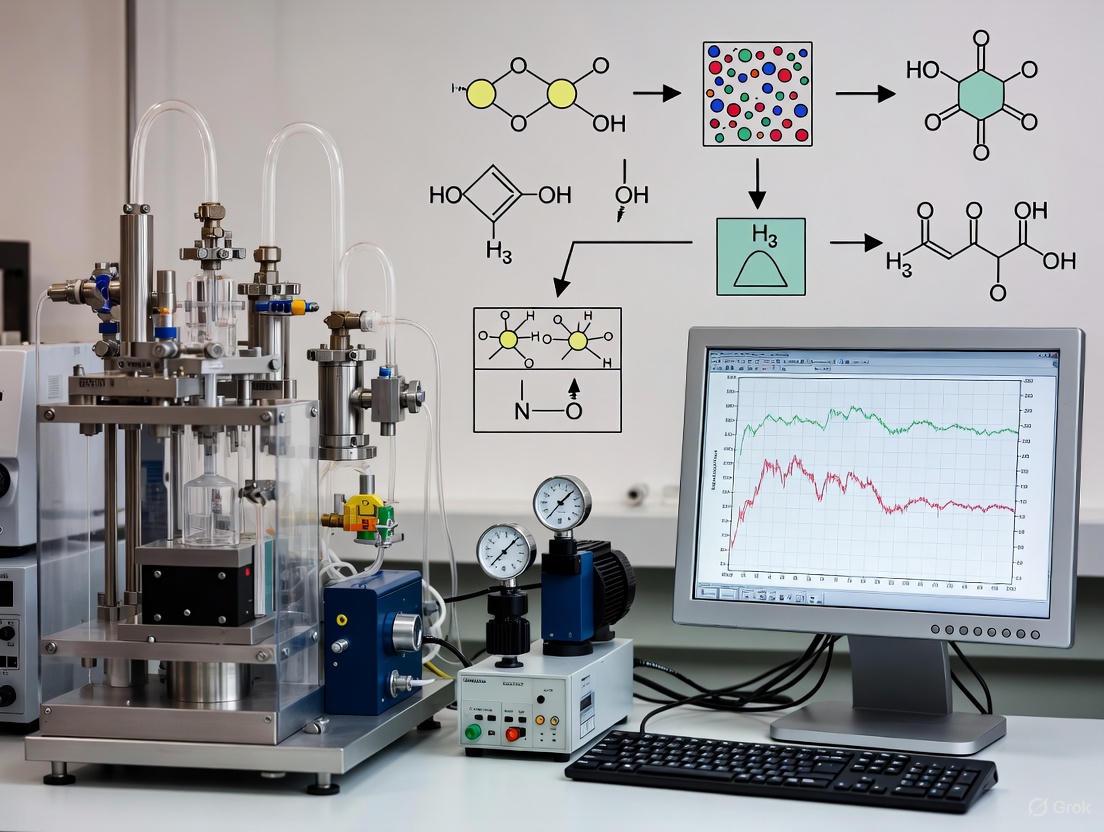
This article provides a comprehensive overview of surface chemical analysis conducted under vacuum conditions, a critical methodology for researchers and professionals in drug development and materials science.
Surface Chemical Analysis Under Vacuum: Techniques, Applications, and Innovations for Biomedical Research
Abstract
This article provides a comprehensive overview of surface chemical analysis conducted under vacuum conditions, a critical methodology for researchers and professionals in drug development and materials science. It explores the foundational principles of major techniques like XPS, AES, and SIMS, detailing their specific applications in analyzing biomaterials and drug delivery systems. The content further addresses common operational challenges, offers guidance for data optimization, and presents a comparative framework for technique selection. By synthesizing recent advancements and practical methodologies, this guide serves as a vital resource for enabling precise surface characterization in biomedical innovation.
The Vacuum Advantage: Core Principles and Leading Techniques in Surface Analysis
In the field of surface chemical analysis, the quality of the vacuum environment is not merely a technical detail but a fundamental prerequisite for obtaining reliable, contaminant-free data. Ultra-High Vacuum (UHV) refers to an environment with pressures typically lower than 1×10⁻⁹ Torr (1×10⁻⁷ Pa), a regime where the behavior of gas molecules changes dramatically [1]. At these extremely low pressures, the mean free path of a gas molecule—the average distance it travels between collisions—exceeds 40 kilometers [1]. This means that gas molecules interact with the chamber walls far more frequently than with each other, making all surface interactions paramount. For researchers investigating surface chemistry, catalysis, or material properties, UHV is indispensable because it creates a sufficiently clean environment to study surfaces at the atomic level for hours or even days without significant contamination from the residual atmosphere.
The core challenge that UHV addresses is surface contamination. At standard atmospheric pressure, a surface is bombarded by approximately 10¹⁵ gas molecules per second per square centimeter. Under high vacuum conditions (around 10⁻⁶ Torr), this flux is reduced to about 10¹² molecules per second per square centimeter. Even at this reduced rate, a monolayer of contaminant molecules can form on a surface in just seconds, obscuring the true surface properties and reactivity [1]. In a UHV environment, this adsorption time extends to several hours, providing the necessary time window for precise experimental measurements. This is why UHV is the cornerstone of modern surface science, enabling techniques such as X-ray photoelectron spectroscopy (XPS) and low-energy ion scattering (LEIS) to provide accurate information about the chemical and compositional state of a surface [1] [2].
The Critical Need for UHV in Surface-Sensitive Techniques
Surface-sensitive analytical techniques are designed to probe only the outermost atomic layers of a material. Their information depth is typically limited to a few nanometers, making them exceptionally vulnerable to interference from adsorbed contaminant layers. The operation of these techniques often relies on the use of charged particles like electrons or ions, which are easily scattered by gas molecules, leading to signal attenuation or complete loss.
X-ray Photoelectron Spectroscopy (XPS), for instance, detects electrons emitted from a sample upon X-ray irradiation. These electrons have very low kinetic energies and are readily scattered by even small amounts of gas, which would prevent them from reaching the detector without a UHV environment [1]. Similarly, the fine-focus electron beams used in Scanning Electron Microscopy (SEM) or the ion beams used in Secondary Ion Mass Spectrometry (SIMS) would be dispersed and defocused by collisions with gas molecules at higher pressures. Furthermore, in particle accelerators like the Large Hadron Collider, UHV is essential to ensure particle beams can travel kilometers without colliding with gas molecules [1].
The push to study surfaces under more realistic, "operando" conditions has led to the development of specialized systems like Near-Ambient Pressure XPS (NAP-XPS), which can operate at pressures up to several tens of Torr [2]. However, these systems represent a sophisticated engineering challenge. They employ a series of pressure-differentially pumped apertures to maintain UHV around the electron detector and analyzer while allowing a localized high-pressure environment at the sample surface. This underscores a critical point: even when studying reactions at higher pressures, the detection mechanism for charged particles often still fundamentally relies on UHV principles to function correctly [2].
To fully appreciate the stringency of UHV conditions, it is helpful to view it within the broader spectrum of vacuum levels. The following table summarizes key vacuum regimes and their corresponding pressure ranges, characteristics, and typical applications.
Table 1: Vacuum Regimes and Their Characteristics
| Vacuum Regime | Pressure Range (Pa) | Pressure Range (Torr) | Molecular Density (molecules/cm³) | Mean Free Path | Dominant Process | Example Applications |
|---|---|---|---|---|---|---|
| Rough (Low) Vacuum | 10⁵ - 10² | 760 - 1 | 10¹⁹ - 10¹⁶ | 0.1 - 100 μm | Viscous flow | Vacuum packaging, light bulbs |
| Fine (High) Vacuum | 10² - 10⁻¹ | 1 - 10⁻³ | 10¹⁶ - 10¹³ | 1 - 100 cm | Transition flow | Freeze drying, SEM |
| High Vacuum (HV) | 10⁻¹ - 10⁻⁵ | 10⁻³ - 10⁻⁷ | 10¹³ - 10⁹ | 1 - 10⁴ m | Molecular flow | Thin-film deposition, E-beam evaporation |
| Ultra-High Vacuum (UHV) | < 10⁻⁵ | < 10⁻⁷ | < 10⁹ | > 40 km | Molecular flow | Surface science, particle accelerators [1] |
Achieving and maintaining UHV requires a system built to exceptional standards. The specifications for such a system revolve around three pillars: materials, pumping, and baking.
Table 2: Key UHV System Specifications and Requirements
| Aspect | Critical Requirement | Rationale & Implementation |
|---|---|---|
| Base Pressure | < 1 × 10⁻⁹ Torr (< 1 × 10⁻⁷ Pa) [1] | Necessary to ensure a surface remains clean for a timescale longer than a typical experiment. |
| Chamber Materials | Low-outgassing stainless steel (304, 316L), ceramics, glass [1] | Minimizes the release of trapped gases (e.g., H₂, CO, H₂O) from the chamber walls into the vacuum. |
| Surface Finish | Electropolished internal surfaces [1] | Reduces surface area, minimizing the adsorption of water vapor and other contaminants. |
| Seals | Metal gaskets (e.g., copper) with knife-edge flanges [1] | Provides an impermeable, low-outgassing seal that can withstand high-temperature bake-out. |
| Pumping Stages | Multi-stage pumping: Roughing pump + High-vacuum pump (e.g., Turbomolecular, Ion pump) [1] | No single pump can operate from atmosphere to UHV; a series is required to bridge the pressure regimes. |
| Bake-Out | Heating the entire chamber to 200-400 °C for 8-48 hours under vacuum [1] | Accelerates the desorption of water and hydrocarbons from chamber walls, critical for reaching low pressures. |
Experimental Protocol: Preparing a UHV Chamber for Surface Analysis
This protocol details the critical steps for preparing a UHV system for sensitive surface science experiments, such as sample introduction, surface cleaning, and analysis via XPS or LEIS.
Principle: To safely transition the UHV chamber from atmospheric pressure to base UHV conditions and introduce a sample without compromising the system's integrity or the sample's cleanliness.
Materials & Equipment:
- UHV chamber (316L stainless steel, electropolished)
- Load-lock assembly (intermediate vacuum chamber)
- Roughing pump (e.g., scroll pump)
- High-vacuum pumps (e.g., Turbomolecular pump, Ion pump)
- Pressure gauges (Pirani, Cold Cathode, Ion Gauge)
- Sample holder and transfer arm
- High-purity nitrogen gas supply
- Personal Protective Equipment (PPE): gloves, safety glasses
Procedure:
- Initial System Check (Atmosphere): Visually inspect all flanges and viewports for obvious damage. Ensure the sample and holder are clean and mounted correctly. Wear powder-free gloves to prevent contamination from skin oils [1].
- Load-Lock Evacuation: a. Place the sample into the load-lock chamber and securely close the atmospheric door. b. Use the roughing pump to evacuate the load-lock from atmospheric pressure to a medium-high vacuum (typically ~10⁻⁵ Torr). c. (Optional) The sample may be baked out in the load-lock at this stage to pre-clean it.
- UHV Chamber Isolation Check: Confirm the gate valve separating the main UHV chamber from the load-lock is closed. Verify the main chamber is already at its base UHV pressure (e.g., < 10⁻⁹ Torr).
- Sample Transfer to UHV: a. Open the UHV gate valve to the load-lock. A brief, controlled "puff" of gas will enter the UHV chamber, but the high-speed pumps will rapidly evacuate it. b. Use the transfer arm to move the sample from the load-lock onto the manipulator inside the UHV chamber. c. Immediately close the UHV gate valve to isolate the main chamber. The load-lock can now be vented for the next sample.
- In-Situ Sample Preparation: Once the sample is in the main UHV chamber, it may require final cleaning. This is typically done by cycles of sputtering (bombarding with inert gas ions like Ar⁺ to remove surface layers) followed by annealing (heating to high temperatures to reorder the crystal structure).
Protocol: In-Situ / Operando Surface Spectroscopy using NAP-XPS
Principle: To observe the chemical state of a catalytic surface under controlled gas pressure and temperature, simulating working conditions while maintaining UHV for the electron detector [2].
Materials & Equipment:
- NAP-XPS system with differentially pumped electron lens and analyzer
- Gas dosing system with mass flow controllers
- Sample heater/cooler stage
- High-pressure cell or nozzle directing gas at the sample surface
Procedure:
- UHV Baseline Measurement: With the sample in the analysis position and the system at base UHV, acquire a standard XPS survey and high-resolution spectra of the clean surface.
- Introduction of Reaction Conditions: a. Introduce the reactant gas (e.g., NO, CO, O₂) into the high-pressure cell using the mass flow controllers. The pressure at the sample surface can be raised to the Torr range (near-ambient pressure) [2]. b. The differentially pumped apertures between the sample and the analyzer maintain a pressure gradient, ensuring the electron detector and analyzer remain under UHV.
- Operando Data Acquisition: Acquire XPS spectra (core level and valence band) of the catalyst surface under reaction conditions. Monitor changes in binding energy and peak shape that indicate oxidation state changes, adsorption of species, or formation of intermediates.
- Correlation with Activity: Simultaneously, use a mass spectrometer to monitor the gas phase above the sample to detect reaction products, allowing for direct correlation of surface chemistry with catalytic activity.
- Post-Reaction Analysis: Stop the gas flow and pump the analysis chamber back to UHV. Acquire another set of XPS spectra to examine any permanent changes to the surface after reaction.
UHV System Design and Components: A Scientist's Toolkit
Building and maintaining a UHV system requires a specific set of components, each chosen for its performance and compatibility with the stringent UHV environment.
Table 3: The UHV Scientist's Toolkit: Essential Components and Reagents
| Tool/Component | Function / Relevance to Surface Sensitivity | Key Considerations |
|---|---|---|
| Turbomolecular Pump | High-vacuum pump that uses high-speed blades to momentum-transfer gas molecules toward the exhaust. Often paired with a roughing pump. | Used to achieve high vacuum before activating ion pumps. Magnetic bearing versions eliminate oil contamination [1] [3]. |
| Ion Pump | UHV pump that ionizes residual gas molecules and electrostatically drives them into a solid cathode surface, burying them. | Oil-free, quiet operation. Ideal for maintaining UHV after initial pump-down. Pumping speed depends on gas species [1]. |
| Ion Gauge | Pressure measurement device for UHV range. It ionizes gas molecules and measures the resulting current, which is pressure-dependent. | Requires calibration. Can affect surface chemistry and should be used judiciously during sensitive experiments [1]. |
| Metal Seal (CF) | Copper gasket compressed between two knife-edge flanges to form a permanent, high-integrity vacuum seal. | Single-use per gasket. Essential for maintaining leak-tight integrity, especially during the 200-400°C bake-out process [1]. |
| Bake-Out System | Heating tapes or jackets used to uniformly heat the entire chamber to 200-400°C. | Critical for driving off water vapor and hydrocarbons adsorbed on chamber walls. Speeds up the process of reaching low pressures by orders of magnitude [1]. |
| Load-Lock | An auxiliary chamber that allows for sample introduction without venting the main UHV chamber to atmosphere. | Dramatically improves experimental throughput and preserves the integrity of the main UHV environment [1]. |
| Sputter Gun (Ion Source) | Source of inert gas ions (typically Ar⁺) used for in-situ cleaning of sample surfaces by physically sputtering away contaminant layers. | Essential for preparing atomically clean surfaces for analysis. Parameters (energy, dose, angle) must be optimized for each material. |
Visualizing UHV System Configuration and Experimental Workflows
UHV Sample Introduction Workflow
Operando NAP-XPS Principle
X-ray Photoelectron Spectroscopy (XPS), also known as Electron Spectroscopy for Chemical Analysis (ESCA), is a highly surface-sensitive quantitative spectroscopic technique that measures the very topmost 50–60 atoms, 5–10 nm of any surface [4]. This technique belongs to the family of photoemission spectroscopies in which electron population spectra are obtained by irradiating a material with a beam of X-rays. XPS can identify the elements that exist within a material or are covering its surface, as well as their chemical state, and the overall electronic structure and density of the electronic states in the material [4]. The power of XPS lies in its ability to not only show what elements are present, but also what other elements they are bonded to, making it an indispensable tool for surface chemical analysis under vacuum conditions [5].
The technique is based on the photoelectric effect, first discovered by Heinrich Rudolf Hertz in 1887 and explained by Albert Einstein in 1905, for which he received the Nobel Prize in Physics in 1921 [4]. The modern development of XPS is credited to Kai Siegbahn and his research group in Uppsala, Sweden, who developed significant improvements in the equipment and recorded the first high-energy-resolution XPS spectrum of cleaved sodium chloride (NaCl) in 1954 [4]. Siegbahn's comprehensive study of XPS in 1967, which he referred to as ESCA, brought instant recognition of the technique's utility, and he received the Nobel Prize for Physics in 1981 for his extensive efforts to develop XPS into a useful analytical tool [4].
Fundamental Principles
The Photoelectric Effect
XPS operates based on the photoelectric effect, where a material irradiated with X-rays emits electrons called photoelectrons. The basic physics of XPS is described by the photoelectric effect equation:
Ebinding = Ephoton - (Ekinetic + φ) [4]
Where:
- Ebinding is the binding energy of the electron measured relative to the sample Fermi level
- Ephoton is the energy of the X-ray photons being used
- Ekinetic is the kinetic energy of the electron as measured by the instrument (spectrometer)
- φ is the work function of the spectrometer, not the sample
Because the energy of an X-ray with a particular wavelength is known (for Al Kα X-rays, Ephoton = 1486.7 eV), and because the emitted electrons' kinetic energies are measured, the electron binding energy of each of the emitted electrons can be determined using this equation [4].
Surface Sensitivity
XPS is exceptionally surface-sensitive due to the short inelastic mean free path of electrons in solids. XPS detects only electrons that have actually escaped from the sample without significant energy loss, which originate from the top 0 to 10 nm of the material being analyzed [5]. This extreme surface sensitivity means that the chemistry and morphology of the surface can be affected by the vacuum environment, which removes various gases and liquids that were initially trapped within or on the surface of the sample [4].
Chemical Shifts and State Identification
One of the most powerful capabilities of XPS is the detection of chemical shifts in core-level binding energies. These shifts occur because the core-level Binding Energies (BEs) of atoms change slightly depending on their chemical environment and oxidation state. This allows researchers to distinguish between different bonding situations for a given element [6]. For example, XPS can determine if a metal is in a +1 or +2 oxidation state in a metal oxide, providing crucial information about the material's chemical composition and properties [5].
Quantitative Capabilities and Data Interpretation
Quantitative Analysis
XPS is widely used to generate an empirical formula because it readily yields excellent quantitative accuracy from homogeneous solid-state materials [4]. The quantitative process involves several steps:
- Survey Scans: Identify the elemental composition of the sample surface [7]
- High-Resolution Multiplex Scans: Measure the atomic concentrations of the identified elements and their chemical environments through binding energies [7]
- Data Processing: Raw XPS signals are corrected by dividing the intensity by a Relative Sensitivity Factor (RSF) and normalized over all detected elements [4]
Table 1: XPS Quantitative Accuracy and Detection Limits
| Parameter | Capability | Notes |
|---|---|---|
| Detection Limits | Parts per thousand (routine), parts per million (possible) | ppm detection requires long collection times or surface concentration [4] [5] |
| Quantitative Accuracy (major peaks) | 90-95% of true value | For peaks with intensities 10-20% of strongest signal [4] |
| Quantitative Accuracy (weaker peaks) | 60-80% of true value | Depends on signal-to-noise ratio improvement efforts [4] |
| Reproducibility | 10% relative error | Estimated error in repeated analyses [7] |
| Absolute Error | 20% | Error between analysis and known standard [7] |
| Elements Detected | All elements except H and He | Using typical laboratory-scale X-ray sources [4] [5] |
Depth Profiling
XPS can be used for depth profiling when paired with ion-beam etching. This allows researchers to analyze the distribution of elements as a function of depth into the sample [4]. The process involves:
- Ion Beam Etching: Gently removing material from the surface using ion sources
- Sequential Analysis: Performing XPS analysis at each newly exposed surface
- Data Compilation: Creating a profile of elemental composition versus depth
Traditional monatomic ion sources can damage polymers and some other materials, but the development of Gas Cluster Ion Beams (GCIB) has minimized this problem. GCIB uses large clusters of gas atoms (typically around 2,000 atoms) which include just one charged particle to bombard the surface instead of a single ion, allowing depth profiles of materials that otherwise could not be analyzed [8].
Instrumentation and Methodology
XPS Instrument Components
Modern XPS instruments consist of several key components that work together to perform surface analysis:
Table 2: Essential XPS Instrument Components
| Component | Function | Key Features |
|---|---|---|
| X-ray Source | Generates X-rays to excite electrons | Typically Al Kα (1486.7 eV) or Mg Kα (1253.7 eV); may be monochromated [8] [4] |
| Electron Analyzer | Measures kinetic energy of photoelectrons | Comprises lens system, hemispherical analyzer, and detector [8] |
| Ultra-High Vacuum (UHV) System | Maintains pristine surface conditions | Pressure < 10⁻⁹ millibar; prevents electron scattering and surface contamination [8] [5] |
| Ion Source | Removes material for depth profiling | Monatomic for standard use; GCIB for sensitive materials [8] |
| Charge Neutralization | Prevents charging on insulating samples | Low-energy electron flood gun essential for oxides, polymers [8] |
| Sample Handling | Positions samples for analysis | Automated loading and positioning for multiple samples [8] |
| Software | Controls instrument and processes data | Modern systems like Avantage Software for operation, interpretation, reporting [8] |
Experimental Protocol for Standard XPS Analysis
The following workflow details the standard procedure for conducting XPS analysis:
Sample Preparation
- Sample Size: Must not exceed 1" (25 mm) in any lateral direction, with height not exceeding 0.5" (12 mm) [7]
- Sample Compatibility: Must be compatible with high vacuum environment (approximately 1×10⁻⁹ Torr) [7]
- Mounting: Secure mounting to ensure electrical contact and proper positioning [8]
- Conductivity Consideration: Non-conductive samples require charge neutralization during analysis [8]
Instrument Setup
- Vacuum Establishment: Achieve ultra-high vacuum (UHV) in the analysis chamber (P < 10⁻⁹ millibar) [5]
- X-ray Source Selection: Choose appropriate X-ray source (Al Kα or Mg Kα) based on sample requirements [8]
- Analysis Area Selection: Define analysis area ranging from 10 μm to several mm depending on instrument capabilities [4]
- Charge Neutralization: Activate low-energy electron flood gun for insulating samples [8]
Data Acquisition
- Survey Scan: Conduct broad energy range scan (1-20 minutes) to identify all detectable elements [4] [7]
- High-Resolution Scans: Perform narrow energy range scans (1-15 minutes) on specific peaks to reveal chemical state differences [4] [7]
- Depth Profiling (if needed): Combine ion etching with XPS analysis to determine depth distribution of elements (1-4 hours) [4]
Data Processing and Interpretation
- Background Subtraction: Remove inelastically scattered electron contribution [6]
- Peak Fitting: Deconvolve overlapping peaks using curve-fitting routines [7]
- Quantification: Calculate atomic concentrations using Relative Sensitivity Factors (RSFs) [4] [6]
- Chemical State Identification: Compare binding energies with reference databases [7]
Applications in Surface Chemical Analysis
XPS has broad applications across numerous fields of research and industry. The technique is routinely used to analyze:
- Inorganic compounds and metal alloys [4] [5]
- Polymers and plastics [7]
- Semiconductors and electronics [5] [7]
- Catalysts and glasses [4]
- Medical devices and biomaterials [4] [5]
- Stainless steel passivation analysis [7]
- Thin film characterization [6]
Stainless Steel Passivation Analysis
A key industrial application of XPS is in evaluating the passivation of stainless steels. A well-passivated stainless steel surface has a chromium oxide-rich layer that prevents rust. XPS can determine the chromium-to-iron ratio, with a ratio of approximately 2.0 indicating a properly passivated surface [7]. For example, analysis of bulk steel might reveal a chromium-to-iron ratio of 2.4, indicating the sample meets scientific standards for rust prevention [7].
Contamination Identification
XPS is highly effective for identifying thin layers of contaminants on material surfaces. In one case, an electronics manufacturer discovered a haze on a thin polyimide film and suspected chromium residue contamination. XPS testing confirmed this suspicion, allowing the manufacturer to take corrective actions in the production line [7].
Advanced Applications: Ambient Pressure XPS
Traditional XPS requires high vacuum conditions, but recent developments in Ambient Pressure PhotoEmission Spectroscopy (APPES) allow analysis at pressures of a few tens of millibar [4] [9]. This is particularly valuable for studying materials in conditions closer to their real operating environments, such as in catalysis research [9]. APPES instruments use differentially-pumped aperture systems to minimize the path length of electrons in high-pressure regions, enabling the study of vapor/solid and vapor/liquid interfaces under more realistic conditions [9].
Research Reagent Solutions and Materials
Table 3: Essential Research Reagents and Materials for XPS Analysis
| Item | Function | Application Notes |
|---|---|---|
| Al Kα X-ray Source | Production of 1486.7 eV photons | Most common laboratory X-ray source [8] [4] |
| Mg Kα X-ray Source | Production of 1253.7 eV photons | Alternative X-ray source [4] |
| Monochromator | X-ray energy refinement | Quartz crystal monochromator for better energy resolution [8] |
| Argon Ion Source | Surface cleaning and depth profiling | Standard sputtering source [4] |
| Gas Cluster Ion Beam (GCIB) | Gentle depth profiling | Minimizes damage to sensitive materials like polymers [8] |
| Electron Flood Gun | Charge neutralization | Essential for analysis of insulating samples [8] |
| Reference Materials | Energy scale calibration | Gold, silver, or copper standards for binding energy calibration |
| Conductive Adhesive Tapes | Sample mounting | Provides electrical contact for charge dissipation |
| UHV-Compatible Materials | Sample holders and components | Materials with low outgassing for maintaining vacuum |
Methodological Considerations
Accuracy and Precision Factors
The accuracy of XPS quantification depends on several parameters [4]:
- Signal-to-noise ratio
- Peak intensity
- Accuracy of relative sensitivity factors
- Correction for electron transmission function
- Surface volume homogeneity
- Correction for energy dependence of electron mean free path
- Degree of sample degradation due to analysis
Sample degradation can occur during analysis, particularly for sensitive materials like some polymers, catalysts, and highly oxygenated compounds [4]. Non-monochromatic X-ray sources produce significant heat (100 to 200°C) on the sample surface and high-energy Bremsstrahlung X-rays that can degrade surface chemistry [4]. Monochromated X-ray sources, being farther from the sample (50-100 cm), do not produce noticeable heat effects and provide cleaner spectra [4].
Sample Considerations
Different sample types require specific approaches for optimal XPS analysis:
- Conductive Samples: Generally straightforward analysis with minimal charging issues
- Insulating Samples: Require charge neutralization using low-energy electron flood guns [8]
- Polymers: May require special care due to potential degradation [4]
- Powders: Need to be mounted properly to ensure representative analysis
- Hydrated Materials: Can be analyzed using specialized freezing and sublimation techniques [5]
X-ray Photoelectron Spectroscopy remains the workhorse technique for quantitative chemical state analysis of surfaces. Its unique combination of surface sensitivity, elemental identification, chemical state information, and quantitative capabilities makes it indispensable for research and industrial applications where surface chemistry plays a critical role in material performance. While the technique has limitations, particularly regarding vacuum requirements and potential sample degradation, ongoing developments such as ambient pressure XPS and gas cluster ion sources continue to expand its applications. For researchers studying surface chemical analysis under vacuum conditions, XPS provides invaluable data that can solve materials problems across a wide range of disciplines, from fundamental research to quality control in manufacturing.
Auger Electron Spectroscopy (AES) is a powerful surface-sensitive analytical technique that utilizes a high-energy electron beam to excite atoms on a material's surface, leading to the emission of "Auger" electrons whose kinetic energies are characteristic of elements present within the top 3-10 nanometers of a sample [10]. This technique, named after French physicist Pierre Victor Auger but first discovered by Austrian-Swedish physicist Lise Meitner, provides exceptional spatial resolution for elemental analysis [10]. When integrated into a scanning electron microscope platform, AES combines the spatial resolution of electron microscopy with exceptional surface sensitivity, enabling both elemental identification and high-resolution mapping of surface composition [11]. The surface sensitivity arises because the emitted Auger electrons typically have low kinetic energies (<3 keV), limiting their escape depth from the sample surface [11]. This makes AES particularly valuable for investigating surface contaminants, thin films, grain boundary chemistry, and failure analysis in various material systems [11].
Within the broader context of surface chemical analysis research conducted under vacuum conditions, AES occupies a specialized niche alongside techniques like X-ray Photoelectron Spectroscopy (XPS). While XPS provides superior chemical state information and quantitative analysis, AES offers exceptional spatial resolution—with modern instruments achieving probe sizes as small as 10 nanometers [10]—making it ideal for investigating nanoscale surface features and creating detailed elemental maps [12]. Both techniques require ultra-high vacuum (UHV) conditions typically below 10⁻⁸ Pa to maintain surface cleanliness and enable the detection of low-energy electrons without interference from gas molecules [13] [10]. The fundamental Auger process involves three key steps: (1) inner-shell ionization by primary electron bombardment, (2) electron transition from higher energy level to fill the vacancy, and (3) emission of a characteristic Auger electron with energy independent of the incident beam.
Technical Specifications and Quantitative Capabilities
The analytical capabilities of AES can be quantitatively summarized through its key technical specifications, which define its appropriate applications and limitations in surface analysis research.
Table 1: Key Technical Specifications of Auger Electron Spectroscopy
| Parameter | Specification Range | Significance in Surface Analysis |
|---|---|---|
| Elements Detected | Lithium to Uranium (Li-U) [10] | Comprehensive elemental coverage except hydrogen and helium [10] |
| Detection Limits | 0.1-1 atomic % (sub-monolayer sensitivity) [10] | Suitable for trace surface contamination and segregation studies |
| Lateral Resolution/Probe Size | ≥10 nm [10] | Enables analysis of nanoparticles and sub-micron surface features |
| Depth Resolution | 2-20 nm (in depth profiling mode) [10] | Provides precise thin film and interface characterization |
| Information Depth | Top 3-10 nm [10] | Extreme surface sensitivity for interface chemistry |
| Typical Primary Electron Beam Energy | 3-25 keV [10] | Optimal excitation for core-level ionization across elements |
| Vacuum Requirements | Ultra-high vacuum (UHV), typically ≤4×10⁻⁸ Pa [13] | Prevents surface contamination and enables electron detection |
Table 2: Comparison of AES with X-ray Photoelectron Spectroscopy (XPS)
| Characteristic | Auger Electron Spectroscopy (AES) | X-ray Photoelectron Spectroscopy (XPS) |
|---|---|---|
| Primary Excitation Source | Electron beam (3-25 keV) [10] | X-rays [12] |
| Spatial Resolution | High (≥10 nm) [10] | Lower (typically >10 µm) [12] |
| Chemical State Information | Minimal [10] | Excellent for oxidation states and chemical environment [12] |
| Quantitative Capability | Semi-quantitative (0.1-1 at% accuracy) [10] | Highly quantitative (elemental concentrations) [12] |
| Sample Charging Issues | Challenging for insulators [10] | Less problematic, charge neutralization available |
| Typical Applications | Surface mapping, defect analysis, grain boundary segregation [10] [11] | Chemical state analysis, thin film characterization, surface chemistry [12] |
AES excels in applications requiring high spatial resolution elemental mapping and analysis of small surface features. The technique is particularly valuable for investigating lateral distribution of elements with sub-micron resolution, and when combined with sputtering ion guns, can provide depth profiling capabilities to sample thin film stacks to a depth of a micron or more [10]. However, AES provides minimal chemical state information compared to XPS and faces challenges with electrically insulating samples due to charging effects [10]. The detection limits of approximately 0.1-1 atomic percent make it suitable for most surface contamination and segregation studies, though these limits are generally higher than what can be achieved with XPS [10].
Research Applications and Case Studies
Battery Materials Interface Analysis
AES has demonstrated particular utility in advancing energy storage materials research, especially for investigating interfaces in all-solid-state batteries (ASSBs). A recent study focused on lithium chemical mapping of the cross-section of the solid electrolyte/cathode interface using AES, which provides high spatial resolution information on chemical composition and state [14]. This application is particularly noteworthy because AES is more sensitive to changes in the lithium chemical state than XPS, making it ideal for differentiating between distributions of different chemical states of lithium in materials such as LiPON and LiCoO₂ [14]. The thickness of the anode, solid electrolyte, and cathode layers in thin-film ASSBs is usually in the range of a few micrometers, making AES with its nanoscale spatial resolution an ideal technique for obtaining chemical maps from solid-solid interfaces [14].
A significant challenge in this application is the vulnerability of solid electrolytes to electron beam damage. Research on lithium phosphorus oxynitride (LiPON) as a model solid electrolyte determined that optimal conditions for AES lithium chemical mapping were achieved at room temperature using 3 keV electrons with a lower beam current to minimize damage while maintaining sufficient signal intensity [14]. This careful optimization enabled successful differentiation between the distributions of different chemical states of lithium at the solid electrolyte/electrode interface, providing valuable insights into lithium chemical distributions that contribute to a deeper understanding of the behavior of ASSBs at this critical interface [14].
Grain Boundary Segregation Studies
AES has proven invaluable for investigating grain boundary segregation phenomena in metallic alloys, particularly in studies requiring high spatial resolution. Research on B-doped Ni₃Al alloys utilized ultra-high vacuum scanning Auger microscopy to study local segregation and oxidation of in situ fractured specimens [13]. Although immediately after in situ fracture only small amounts of segregated boron were occasionally observed at grain boundaries in B-doped specimens, the amount of boron at the intergranular fracture surface drastically increased with time upon exposure to the ambient vacuum [13]. This study demonstrated the capability of AES to detect and monitor time-dependent segregation phenomena with high spatial specificity.
After removal of boron by in situ Ar⁺-bombardment (1 keV) at a rate of approximately 3.3 nm/min, boron again segregated to the surface within several hours, accompanied by surface oxidation, even under ultrahigh vacuum conditions at room temperature [13]. Researchers identified that possible mechanisms of boron surface segregation were related to the high binding energy between boron and oxygen and the fact that boron lowers the surface energy of a Ni-enriched surface [13]. Furthermore, the study revealed that prolonged exposure of the fracture surface to the electron beam leads to enhanced Ni oxidation and less boron surface segregation, highlighting the importance of optimizing measurement conditions to minimize beam effects [13].
Failure Analysis and Contamination Identification
In semiconductor and materials manufacturing industries, AES is frequently employed for failure analysis and contamination identification due to its ability to analyze sub-µm particles and small surface features. The technique's high spatial resolution (≥10 nm) and surface sensitivity make it ideal for identifying contamination sources in wafer processing equipment and analyzing defects in electronic devices to investigate root causes of failures [10]. AES can sample thin film stacks to a depth of a micron or more when combined with sputtering, making it valuable for depth profiling of bond pads on die and cross-sectional analysis of buried defects in film stacks [10].
Additional applications include determining oxide layer thickness of electro-polished medical devices, mapping elemental distribution on discolored or corroded regions, identifying grain boundary contamination in metal fractures, and assessing the integrity and uniformity of thin film coatings such as diamond-like-carbon (DLC) [10]. The ability to focus the electron beam to diameters of 10-20 nm makes Auger Electron Spectroscopy an extremely useful tool for elemental analysis of small surface features that would be challenging to analyze with other techniques [10].
Experimental Protocols
Sample Preparation and Mounting Protocol
Proper sample preparation is critical for successful AES analysis, particularly given the technique's extreme surface sensitivity. According to the ISO 20579-2:2025 standard for surface chemical analysis, comprehensive documentation of handling, preparation, processing, and mounting procedures must be maintained to ensure reliability and reproducibility [15]. The following protocol outlines key steps for AES sample preparation:
- Sample Receiving and Documentation: Upon receiving samples, record all available information regarding specimen synthesis, processing history, and prior characterization. This provenance information becomes part of the permanent data record and is essential for proper interpretation of AES results [15].
- Cleaning and Processing: Implement appropriate cleaning procedures based on sample type. For metal alloys, this may include ultrasonic cleaning in solvents of increasing purity. For electronic devices, plasma cleaning may be employed to remove surface hydrocarbons. All cleaning parameters (solvents, duration, temperature) must be documented [15].
- Mounting Procedures: Mount samples using appropriate holders that ensure good electrical contact to minimize charging. Conductive adhesives or metal clamps may be used for secure mounting. For non-conductive samples, consider specialized mounting techniques or the use of charge neutralization systems if available [10] [15].
- In Situ Treatments: For studies requiring atomically clean surfaces, implement in situ fracture or heating capabilities. The study of B-doped Ni₃Al utilized an in situ fracture stage with a base pressure of ∼4×10⁻⁸ Pa to examine clean grain boundary surfaces [13].
- Beam-Sensitive Materials Optimization: For electron beam-sensitive materials like solid electrolytes, determine optimal conditions through preliminary tests. For LiPON solid electrolytes, optimal AES mapping was achieved at room temperature using 3 keV electrons with reduced beam current [14].
AES Data Acquisition Protocol for Surface Mapping
The following protocol details the step-by-step procedure for acquiring high-quality AES surface maps, particularly for challenging samples such as battery materials or segregating alloys:
- Instrument Preparation: Verify ultra-high vacuum conditions (typically ≤1×10⁻⁸ Torr) prior to analysis. Allow sufficient pump-down time to minimize hydrocarbon contamination during analysis. Confirm electron gun, Auger spectrometer, and ion gun (if used for depth profiling) are properly calibrated [13] [10].
- Initial SEM Imaging: Acquire secondary electron images of the region of interest at various magnifications to locate features for AES analysis. For grain boundary studies, identify intergranular fracture surfaces; for battery materials, locate interface regions in cross-sectioned samples [14] [13].
- Elemental Survey Analysis: Perform AES survey scans (typically 0-2000 eV kinetic energy range) on representative areas to identify elements present. Use electron beam parameters appropriate for the sample—for beam-sensitive materials, start with lower beam energies and currents (e.g., 3 keV, reduced beam current) [14].
- Mapping Parameter Optimization: Set mapping parameters based on element concentrations and desired spatial resolution. Select appropriate Auger peaks for each element to be mapped. Balance acquisition time with signal-to-noise requirements—higher spatial resolution maps require longer acquisition times [10].
- Data Acquisition for Surface Maps: Acquire AES maps by rastering the focused electron beam across the selected area while detecting Auger electrons at characteristic energies for each element. Simultaneously acquire secondary electron images for correlation [10].
- Depth Profiling (If Required): For depth-dependent information, alternate between ion sputtering (typically 0.5-5 keV Ar⁺ ions) and AES analysis at each depth. Sputter rates should be calibrated using standard reference materials [13].
- Data Processing and Interpretation: Process Auger maps by applying appropriate background subtraction and peak integration methods. Generate elemental distribution maps and overlay images to visualize spatial relationships between different elements [10].
Diagram 1: AES Surface Mapping Experimental Workflow. This flowchart outlines the key steps in AES analysis from sample preparation to data interpretation.
The Scientist's Toolkit: Essential Research Reagents and Materials
Successful AES analysis requires specific instrumentation, specialized components, and carefully selected reference materials. The following table details essential items in the AES researcher's toolkit and their functions in surface analysis experiments.
Table 3: Essential Research Reagents and Materials for AES Studies
| Item | Function/Application | Technical Specifications |
|---|---|---|
| UHV-Compatible Sample Holders | Secure mounting of various sample geometries while maintaining electrical contact and thermal stability | Materials: Stainless steel, OFHC copper; Temperature range: Cryogenic to 1000°C |
| Conductive Adhesives | Mounting of non-mountable samples and ensuring electrical path to reduce charging | Carbon tape, silver paint, copper tape; UHV-compatible formulations |
| Reference Standard Materials | Quantification calibration and instrument performance verification | Certified thin film structures (e.g., Au/Cr/Si), bulk elemental standards |
| Sputter Ion Source Gases | Surface cleaning and depth profiling through controlled material removal | High-purity (99.999%) argon gas; Optional: Cesium, oxygen for specialized applications |
| In Situ Fracture Stage | Generation of atomically clean surfaces for grain boundary and bulk composition studies | Compatibility with specific AES system; Capability for cryogenic or elevated temperature fracture |
| Charge Neutralization System | Analysis of electrically insulating samples without surface charging artifacts | Low-energy electron flood gun (<10 eV); Typically integrated with ion gun for depth profiling |
| Sample Cleaning Solvents | Removal of surface contaminants prior to UHV insertion | HPLC-grade solvents (acetone, methanol, isopropanol) in sequence; Particle-free filters |
Advanced Operational Considerations
Electron Beam Damage Mitigation
The interaction of the primary electron beam with the sample surface can induce chemical and morphological changes that compromise analytical results, particularly for beam-sensitive materials. Studies on solid electrolyte materials like lithium phosphorus oxynitride (LiPON) have demonstrated that the intensity of the Li peak is significantly influenced by beam energy, electron dose, and sample temperature [14]. Optimal conditions for acquiring lithium maps from such sensitive materials were achieved at room temperature using 3 keV electrons with a lower beam current [14]. Similar beam effects were observed in AES studies of Ni₃Al, where prolonged exposure of the fracture surface to the electron beam led to enhanced Ni oxidation and reduced boron surface segregation [13].
Strategies for minimizing beam damage include:
- Using the lowest beam current that provides sufficient signal-to-noise ratio
- Reducing beam energy when possible while maintaining adequate excitation
- Implementing rastering techniques rather than continuous illumination of a single spot
- Utilizing sample cooling for particularly sensitive materials
- Acquiring maps rapidly or using line scans instead of detailed point analysis
Data Interpretation and Analytical Artifacts
Proper interpretation of AES data requires understanding of potential artifacts and limitations inherent to the technique. While AES provides excellent elemental identification and mapping capabilities, it offers minimal chemical state information compared to XPS [10]. The typical detection limits of 0.1-1 atomic percent make it less sensitive than some other surface analysis techniques for trace elements [10]. Sample charging on insulating materials can distort spectra and maps, requiring specialized charge compensation techniques [10].
Depth profiling using sputter ion guns introduces additional considerations including:
- Preferential sputtering of different elements altering surface composition
- Ion beam induced roughening reducing depth resolution
- Chemical reduction or bond breaking changing chemical states
- Interfacial broadening effects during depth profiling through multilayer structures
For quantitative analysis, AES typically relies on standard sensitivity factors provided by equipment manufacturers, with accuracy improvements possible through comparison to known composition standards [10]. More accurate results can be obtained by analyzing known compositions and comparing them to unknown materials [10].
Diagram 2: Key Challenges in AES Analysis and Their Impacts. This diagram categorizes major analytical challenges and their specific effects on data quality.
Auger Electron Spectroscopy represents a powerful technique in the surface analyst's toolkit, offering unparalleled capabilities for high-spatial-resolution surface mapping and elemental analysis of the top few nanometers of materials. Its exceptional spatial resolution (≥10 nm) and surface sensitivity (3-10 nm information depth) make it ideally suited for investigating grain boundary segregation, surface contamination, thin film interfaces, and failure analysis in various material systems [10]. When integrated with ultra-high vacuum instrumentation and proper sample preparation protocols following standards such as ISO 20579-2:2025 [15], AES provides invaluable insights into surface composition and elemental distribution that drive advancements in materials science, semiconductor technology, and energy storage research.
The technique's particular strength lies in its ability to correlate high-resolution morphological information from secondary electron imaging with elemental composition from Auger electron detection, enabling direct structure-composition relationships at the nanoscale. While AES faces limitations in chemical state identification and analysis of insulating materials, its capabilities complement other surface analysis techniques like XPS, providing a comprehensive approach to understanding surface phenomena. As evidenced by its application to cutting-edge research areas such as all-solid-state battery interfaces [14] and grain boundary segregation in advanced alloys [13], AES continues to be an indispensable tool for researchers investigating surface and interface chemistry under vacuum conditions.
Secondary Ion Mass Spectrometry (SIMS) represents a powerful surface analysis technique based on ion beam and mass spectrometry technologies that enables characterization of material surfaces and sub-surfaces with exceptional sensitivity. The fundamental principle involves using energetic primary ions (such as Cs+, Ar+, O+, or Xe+) to bombard a solid sample surface, which causes the ejection (sputtering) of secondary particles including atoms, clusters, and molecular species [16]. A small fraction of these sputtered species (typically <1%) becomes ionized, forming what are known as secondary ions, which are then extracted by a high electric field and directed into a mass spectrometer for separation based on their mass-to-charge ratio (m/z) [16] [17].
The secondary ion current (Is) for a given species m can be described by the fundamental SIMS equation [16]: Is = Ip × Sm × α × F × C_m
Where Ip is the primary ion current, Sm is the sputtering yield, α is the ionization probability, F is the instrument transmission factor, and C_m is the concentration of species m in the analyzed surface layer. This relationship highlights that the measured signal intensity depends not only on concentration but also significantly on the sputtering yield and ionization probability, both of which are influenced by the sample composition and primary beam conditions through what is known as the "matrix effect" [16]. This effect remains the principal challenge for quantitative SIMS analysis, as the local chemical environment dramatically influences ionization probabilities.
SIMS operates under three primary modes, each providing complementary information about the sample. Mass spectra offer a complete mass spectral fingerprint of the surface composition; depth profiling enables concentration measurement as a function of depth from the surface; and ion imaging provides two-dimensional spatial distribution of specific ions across the analyzed area [16]. More recently, the combination of sequential depth profiling and imaging has enabled three-dimensional analysis, revealing elemental or molecular distributions in volumetric space [16] [18].
SIMS Modalities: Dynamic SIMS versus TOF-SIMS
The SIMS technique is primarily divided into two distinct operational modalities—dynamic SIMS and static SIMS—which differ significantly in their primary beam conditions, instrumentation, and the type of information obtained.
Table 1: Comparison of Dynamic SIMS and TOF-SIMS Characteristics
| Characteristic | Dynamic SIMS | TOF-SIMS (Static SIMS) |
|---|---|---|
| Primary Ion Beam | Continuous beam (Cs+, O+) | Pulsed beam (Bi+, Au+, Ga+) |
| Sputtering Rate | High, continuous removal | Very low (<0.1% of monolayer) |
| Surface Condition | "Dynamic" - constantly receding | "Static" - essentially unchanged |
| Primary Applications | Depth profiling, dopant/impurity concentration distribution | Surface molecular identification, organic surface characterization |
| Information Obtained | Elemental isotopic composition in depth | Elemental and molecular information from outermost surface |
| Detection Sensitivity | Excellent for trace elements (ppm/ppb) | High for surface molecules |
| Lateral Resolution | Micron to sub-micron | Sub-micron to tens of nanometers |
Dynamic SIMS utilizes a relatively high primary ion flux to continuously erode the sample surface, making it ideal for obtaining concentration profiles of dopants and impurities as a function of depth [19]. This mode is particularly valuable in semiconductor materials evaluation where precise depth distribution of elements is required, and it provides excellent sensitivity for trace element detection reaching parts-per-million (ppm) to parts-per-billion (ppb) levels [19] [16].
In contrast, Time-of-Flight SIMS (TOF-SIMS) employs a pulsed primary ion beam with very low ion dose (typically ≤1×10¹² atoms/cm²) to ensure that each primary ion impacts a previously undisturbed surface area [19]. This "static" condition preserves the molecular integrity of the surface, allowing detection of intact molecular ions and fragment ions that provide chemical structure information about the outermost surface layers [19]. The time-of-flight mass analyzer measures the flight time of secondary ions over a fixed distance to determine their m/z values with high mass resolution [18].
Table 2: Typical Primary Ion Sources and Their Applications in SIMS
| Ion Species | Type | Preferred Applications |
|---|---|---|
| Cs+ | Cesium | Dynamic SIMS depth profiling, enhancing negative ion yield |
| O₂+ | Oxygen | Dynamic SIMS depth profiling, enhancing positive ion yield |
| Biₙ+ | Bismuth cluster | TOF-SIMS molecular imaging, high secondary ion yield |
| Auₙ+ | Gold cluster | TOF-SIMS for organic and biological materials |
| Ga+ | Gallium | High-resolution TOF-SIMS imaging |
| Ar+ | Argon | Inorganic materials, sputter cleaning |
Advanced Applications and Methodologies
Cryo-TOF-SIMS for Investigating Molecular Interactions
A cutting-edge application of SIMS technology involves cryogenic TOF-SIMS (cryo-TOF-SIMS) for investigating molecular interactions in materials science and environmental research. This approach is particularly valuable for studying systems containing volatile components, such as CO₂ and water in membrane materials for carbon capture applications [18].
In a recent study investigating intermolecular interactions among CO₂, water, and PEEK-ionene membranes for CO₂ capture, researchers employed cryo-TOF-SIMS with isotopic labeling (¹³CO₂ and D₂O) to track the distribution and behavior of these small molecules within the membrane matrix [18]. The cryogenic conditions (approximately -140°C to -150°C) were essential for reducing vapor pressure and retaining volatile species like CO₂ during analysis under high vacuum conditions [18]. Interestingly, the study revealed that ¹³CO₂ could not be retained in the PEEK-ionene membrane under these conditions, suggesting weak CO₂-membrane interactions, while D₂O displayed a homogeneous distribution, indicating stronger water-membrane interactions via hydrogen bonding (18-20 kJ/mol) [18].
Ultra-Thin Film Characterization in Semiconductor Technology
Dynamic SIMS has proven indispensable for characterizing ultra-thin films in semiconductor technology, where precise depth resolution and quantitative analysis are critical. Research comparing D-SIMS and TOF-SIMS for analyzing ultra-thin oxynitride gate dielectrics (approximately 4 nm thickness) demonstrated that reducing primary ion impact energy improves depth resolution while maintaining adequate sensitivity for nitrogen quantification [20]. Both magnetic sector D-SIMS and TOF-SIMS instruments showed good agreement in determining nitrogen peak concentrations, with D-SIMS providing superior detection sensitivity for elemental species while TOF-SIMS offered better molecular characterization capabilities [20].
Analysis of Complex Oxide Materials for Energy Applications
SIMS has become an essential characterization tool for complex oxide materials used in energy applications, including solid oxide cells, lithium-ion batteries, and oxygen transport membranes [16]. Specific materials such as yttria-stabilized zirconia (YSZ), Li(Ni,Mn,Co)O₂ (NMC), and lithium lanthanum zirconium oxide (LLZO) present particular analytical challenges due to their multi-component compositions, which complicate SIMS analysis through matrix effects [16]. For these complex ceramic systems, SIMS provides unparalleled capabilities for tracing elemental diffusion, quantifying dopant distributions, and characterizing interfacial reactions that determine device performance and longevity.
Experimental Protocols
Protocol: Cryo-TOF-SIMS Analysis of Gas-Membrane Interactions
Purpose: To investigate the distribution and interactions of CO₂ and water vapor within polymer membranes using cryogenic TOF-SIMS with isotopic labeling.
Materials and Equipment:
- TOF-SIMS instrument equipped with cooling/heating stage
- Liquid nitrogen cryogenic container
- Gas loading unit capable of 300 psig operation
- Sample block with molybdenum plate (0.1 mm thick with 5.0 mm diameter exposure hole)
- PEEK-ionene membrane sample (0.5 cm × 1 cm)
- Isotopic gases: ¹³CO₂ (99 atom% ¹³C), D₂O (99.9 atom% D)
- Copper mounting piece for thermal management during transfer
Procedure:
- Sample Mounting: Cut membrane to appropriate size (0.5 cm × 1 cm) and clamp securely onto the sample block beneath the molybdenum plate to ensure optimal thermal contact.
- Gas Loading: Insert the sample block into the gas loading unit and seal properly. Purge the system with ¹³CO₂ at 300 psig pressure to load the membrane with isotopically labeled CO₂.
- Rapid Freezing: After purging, immediately immerse the entire gas loading unit into a liquid nitrogen-filled cryogenic container. Allow boiling and bubbling to subside, indicating temperature stabilization.
- Transfer: While maintaining the sample in liquid nitrogen, quickly remove the membrane-loaded sample block and cover with a small copper piece to prevent ice condensation during transfer.
- TOF-SIMS Analysis: Rapidly transfer the sample to the pre-cooled cooling/heating stage (-140°C to -150°C) inside the TOF-SIMS instrument chamber.
- Data Acquisition: Perform TOF-SIMS analysis using appropriate primary ion species (typically Biₙ⁺ for molecular imaging) with low primary ion dose to maintain static conditions. Collect positive and negative secondary ions to map ¹³C and D distributions.
- 3D Reconstruction: Acquire sequential depth profiles while rastering the primary ion beam to construct three-dimensional distribution maps of ¹³CO₂ and D₂O within the membrane structure.
Data Interpretation:
- Compare ¹³C/¹²C isotope ratios across the membrane to identify CO₂ enrichment regions.
- Analyze D distribution to map water vapor penetration and interaction sites.
- Correlate CO₂ and water distributions to identify cooperative or competitive absorption behaviors.
- Use homogeneous ¹³C distribution with no enrichment as an indicator of weak CO₂-membrane interactions and potential CO₂ vaporization under vacuum conditions.
Protocol: Dynamic SIMS Depth Profiling of Ultra-Thin Oxynitride Films
Purpose: To obtain quantitative nitrogen depth profiles in ultra-thin oxynitride gate dielectric films with high depth resolution.
Materials and Equipment:
- Magnetic sector SIMS instrument (e.g., Cameca IMS series)
- Cesium primary ion source
- Nitrogen implant standards in silicon and silicon dioxide for quantification
- Ultra-thin oxynitride samples (approximately 4 nm thickness)
- Ellipsometer for independent thickness measurement
Procedure:
- Instrument Optimization: Mount samples in the SIMS instrument and pump to operating vacuum. Optimize primary beam conditions using low impact energy (500 eV to 2.25 keV) and appropriate incidence angle to maximize depth resolution.
- Quantification Standards: Analyze nitrogen implant standards under identical instrument conditions to establish quantification relationship between secondary ion intensity and nitrogen concentration.
- MCs⁺ Analysis: Monitor MCs⁺ cluster ions (e.g., NCs⁺) to reduce matrix effects during depth profiling, as these species exhibit more uniform ionization probabilities across different matrices.
- Interface Definition: Locate the oxide-substrate interface at 50% of the silicon signal variation for consistent profile alignment between samples.
- Data Collection: Acquire depth profiles using low primary ion current to maintain high depth resolution while ensuring adequate signal-to-noise ratio through appropriate counting times.
- Depth Calibration: Determine sputter rate using post-analysis profilometry of crater depths or correlate with known film thickness from ellipsometric measurements.
Data Analysis:
- Convert secondary ion intensities to concentrations using the pre-established standard calibration curves.
- Compare nitrogen peak positions and full-width at half-maximum (FWHM) values to evaluate depth resolution.
- Correlate nitrogen distribution with electrical properties to understand performance characteristics of the dielectric films.
The Scientist's Toolkit: Essential Research Reagents and Materials
Table 3: Essential Research Reagents and Materials for SIMS Analysis
| Item | Function/Application | Examples/Specifications |
|---|---|---|
| Primary Ion Sources | Sputtering and secondary ion generation | Cs⁺ (for negative ion enhancement), O₂⁺ (for positive ion enhancement), Biₙ⁺, Auₙ⁺, Ga⁺ (for TOF-SIMS molecular imaging) |
| Isotopically Labeled Compounds | Tracing molecular interactions and pathways | ¹³CO₂ (99 atom% ¹³C), D₂O (99.9 atom% D) for tracking gas absorption and diffusion [18] |
| Reference Standards | Quantitative calibration | Nitrogen implant standards in Si/SiO₂, certified concentration materials for establishing working curves [20] |
| Specialized Sample Holders | Thermal management and volatile retention | Molybdenum plates with precise apertures, copper cooling blocks with efficient thermal conductivity [18] |
| Matrix Compounds | Enhanced secondary ion yield in organic SIMS | Ammonium chloride, silver substrates for cationization (creating [M+Ag]⁺ ions) [17] |
| Cryogenic Equipment | Volatile species retention during analysis | Liquid nitrogen containers, precision cooling/heating stages (-140°C to +100°C range) [18] |
| Surface Characterization Standards | Lateral and depth resolution assessment | Certified nanostructured gratings, reference thin films with known thickness and composition |
Technical Considerations and Best Practices
Managing Matrix Effects in Quantitative Analysis
The matrix effect represents the most significant challenge in quantitative SIMS analysis, where the ionization probability of an element or molecule varies dramatically with the local chemical environment [16]. For example, the ionization probability for the same element may differ by several orders of magnitude between metallic and oxide matrices. Several strategies can mitigate this effect:
- Use of MCs⁺ Ions: When analyzing electronegative elements, monitoring MCs⁺ cluster ions (where M is the element of interest) rather than M⁻ atomic ions can significantly reduce matrix effects, as the ionization mechanism for these clusters involves Cs⁺ attachment with more uniform probability across different matrices [20].
- Reference Standards: Employing matrix-matched standards with known concentrations of the analytes of interest provides the most reliable quantification approach. For semiconductor applications, ion-implanted standards with precisely determined dose concentrations are widely used [20].
- RSF Methodology: The Relative Sensitivity Factor (RSF) approach correlates secondary ion intensities between the element of interest and a reference element (typically the matrix), using standards to determine the relationship between intensity ratio and concentration ratio.
Optimizing Depth Resolution
Achieving high depth resolution is particularly critical for analyzing ultra-thin films and multilayer structures. Key parameters affecting depth resolution include:
- Primary Ion Energy: Reducing primary ion impact energy (to 500 eV or lower) decreases the penetration depth and collision cascade volume, significantly improving depth resolution [20].
- Incidence Angle: Using grazing incidence angles increases the surface specificity of the sputtering process, further enhancing depth resolution.
- Sample Rotation: Rotating the sample during analysis minimizes the development of surface topography that otherwise degrades depth resolution with increasing crater depth.
- Low Energy Normal Incidence: Combining low energy (250-500 eV) with normal incidence or small angle incidence provides optimal depth resolution for the most challenging ultra-shallow depth profiling applications.
Cryogenic Techniques for Volatile Species
For samples containing volatile components (such as CO₂, water, or organic compounds), cryogenic cooling is essential to retain these species during analysis under high vacuum conditions [18]. The temperature required depends on the vapor pressure and intermolecular interactions of the species of interest:
- Water Retention: Cooling to approximately -110°C reduces water vapor pressure to the 10⁻⁸ mbar range, enabling effective SIMS analysis of hydrated samples [18].
- CO₂ Challenges: Carbon dioxide, with weaker intermolecular interactions compared to water's hydrogen bonding, may vaporize even at -140°C, indicating weak sample interactions [18].
- Cryo-Preparation: Rapid freezing techniques (such as plunging into liquid nitrogen) preserve the native distribution of volatile species, while slow freezing can cause redistribution through ice crystal formation.
Through careful application of these methodologies and considerations, SIMS provides unparalleled capabilities for revealing elemental and molecular composition at surfaces and interfaces, making it an indispensable tool in advanced materials research, semiconductor technology, and environmental science.
Surface chemical analysis under vacuum conditions is a cornerstone of modern materials science, nanotechnology, and drug development. These techniques enable researchers to determine the composition, chemical state, and structure of the outermost atomic layers of materials, where critical interactions occur. Among the numerous available methods, X-ray Photoelectron Spectroscopy (XPS), Auger Electron Spectroscopy (AES), and Secondary Ion Mass Spectrometry (SIMS) have emerged as the three most widely applied surface analysis techniques in scientific research and industrial applications [21]. Each technique possesses unique strengths and limitations, making them complementary rather than competitive for comprehensive surface characterization.
The fundamental principle shared by these techniques involves bombarding the sample with incident particles (photons, electrons, or ions) and analyzing the ejected particles (electrons or ions) to extract surface-specific information. The requirement for ultra-high vacuum (UHV) conditions serves multiple critical functions: it minimizes the adsorption of contaminating species on the surface being analyzed, allows the ejected particles to travel to the detector without colliding with gas molecules, and prevents electrical discharge in sources using high voltages [22] [23]. The continuing development of these techniques addresses emerging challenges in fields ranging from semiconductor technology to biomedical engineering, driving innovations in sensitivity, spatial resolution, and the ability to study surfaces under more realistic environmental conditions.
Fundamental Principles and Instrumentation
X-Ray Photoelectron Spectroscopy (XPS)
XPS, also known as Electron Spectroscopy for Chemical Analysis (ESCA), operates on the photoelectric effect principle. When a material is irradiated with X-rays, photons are absorbed by atoms, causing the ejection of core-level electrons called photoelectrons. The kinetic energy (Ekinetic) of these photoelectrons is measured by the instrument and related to their binding energy (Ebinding) through the equation: Ekinetic = Ephoton (ℎν) - Ebinding - φ, where φ is the work function of the spectrometer [23]. Since binding energies are characteristic of specific elements and are influenced by their chemical environment, XPS provides both elemental identification and chemical state information.
XPS instrumentation consists of several key components: an ultra-high vacuum system (typically <10⁻⁹ Torr) to enable electron detection without interference from gas molecules; an X-ray source (typically Al Kα or Mg Kα); an electron energy analyzer (usually a Concentric Hemispherical Analyzer); an argon ion gun for sample cleaning and depth profiling; and a charge neutralization system (electron flood gun) for analyzing insulating samples [23]. The sampling depth of XPS is typically limited to the outermost ~10 nm (~30 atomic layers) due to the short mean free path of the emitted photoelectrons in solids [24] [23].
Auger Electron Spectroscopy (AES)
AES utilizes a focused electron beam (typically 3-20 keV) to excite atoms on the sample surface. This excitation creates a core-hole, which decays via a radiationless process wherein an electron from a higher energy level fills the core-hole, and simultaneously another electron (the Auger electron) is emitted to conserve energy [25]. The kinetic energy of the Auger electron is characteristic of the emitting element and largely independent of the incident electron beam energy.
The Auger process is labeled according to the electron shells involved in the transition (e.g., KLL, LMM, MNN). For elements with atomic number Z ≤ 14, KLL Auger transitions are typically used; for 14 < Z < 42, LMM transitions are most appropriate; and for Z > 42, MNN and MNO transitions are preferred [25]. The Auger electron yield is particularly high for light elements (Z < 33), making AES especially sensitive for detecting these elements. Similar to XPS, AES probes only the outermost 2-3 nm of the surface due to the short inelastic mean free path of the emitted Auger electrons [25].
Secondary Ion Mass Spectrometry (SIMS)
SIMS operates on a fundamentally different principle than XPS and AES. In SIMS, a focused primary ion beam (typically O₂⁺, Cs⁺, or Ga⁺) with energies of 2-5 keV bombards the sample surface, causing the ejection (sputtering) of atoms, molecules, and molecular fragments from the outermost monolayers [22] [21]. A small fraction of these ejected particles are ionized (secondary ions), which are then extracted into a mass spectrometer for analysis based on their mass-to-charge ratio (m/z).
SIMS is distinguished by its exceptional sensitivity, with detection limits in the parts-per-billion (ppb) to parts-per-million (ppm) range for many elements, and the ability to detect all elements including hydrogen and isotopes [22] [21]. The technique operates under ultra-high vacuum conditions (<10⁻⁷ Torr) to maximize the survival of secondary ions traveling to the detector and to maintain surface cleanliness [22]. SIMS spectra can be complex due to the presence of polyatomic and molecular fragments, which simultaneously provide valuable molecular structure information but can also cause spectral interferences.
Comparative Analytical Capabilities
Table 1: Comparison of key characteristics and analytical capabilities of XPS, AES, and SIMS
| Parameter | XPS | AES | SIMS |
|---|---|---|---|
| Primary Incident Probe | X-rays | Electrons | Ions |
| Analyzed Particle | Photoelectrons | Auger electrons | Secondary ions |
| Sampling Depth | ~10 nm [24] [23] | ~2 nm [25] | 10 monolayers [22] |
| Spatial Resolution | 1-10 μm (150 nm with synchrotron) [21] | < 10 nm [21] | < 100 nm [21] |
| Elemental Range | All elements except H and He [21] [23] | All elements except H and He [21] | All elements including H and isotopes [21] |
| Detection Limits | ~0.1 at% | ~0.1 at% | ppb-ppm range [22] |
| Chemical State Information | Excellent [24] [23] | Good [21] [25] | Limited (from cluster ions) |
| Quantitative Accuracy | ±10% [23] | Semi-quantitative [25] | Semi-quantitative (matrix effects) [22] |
| Damage to Surface | Minimal (X-ray induced) | Moderate (electron beam induced) | High (sputtering inherent) |
| Depth Profiling | Sputter-based (slow) [22] | Sputter-based (good) | Inherent (excellent) |
| Vacuum Requirements | Ultra-high vacuum (<10⁻⁹ Torr) [23] | Ultra-high vacuum | Ultra-high vacuum (<10⁻⁷ Torr) [22] |
| Charge Compensation | Required for insulators [23] | Required for insulators [22] | Required for insulators [22] |
Analysis of Comparative Data
The comparative data in Table 1 reveals distinctive capability profiles for each technique. XPS provides the most comprehensive chemical state information with straightforward quantification, making it ideal for determining oxidation states and bonding environments [24] [23]. Its superior quantitative accuracy (±10%) stems from well-established sensitivity factors and relatively minor matrix effects compared to other techniques. However, XPS suffers from relatively poor spatial resolution (typically 1-10 μm) compared to AES and SIMS, and cannot detect hydrogen or helium.
AES offers superior spatial resolution (<10 nm) due to the ability to focus the incident electron beam to a small spot size, making it particularly valuable for microelectronics failure analysis and contamination studies [21] [25]. The technique is especially sensitive to light elements and provides reasonable chemical state information from chemical shifts and line shape changes. However, AES can cause substantial sample damage, especially to organic materials and polymers, through electron beam-induced effects such as decomposition, desorption, and bond breaking.
SIMS provides the highest sensitivity (ppb-ppm range) and the best depth resolution (approaching 1 nm under optimal conditions) of the three techniques [22]. Its ability to detect all elements, including hydrogen and isotopes, and to provide molecular structure information through fragment pattern analysis makes it invaluable for organic and biological materials characterization, dopant profiling in semiconductors, and diffusion studies. However, SIMS suffers from severe matrix effects that complicate quantification, and the sputtering process is inherently destructive.
Experimental Protocols and Methodologies
XPS Analysis Protocol
Table 2: Essential research reagents and materials for surface analysis
| Item | Function | Application Notes |
|---|---|---|
| Conductive Tape/Clip | Electrical contact | Minimizes charging for insulating samples; essential for reliable data [23] |
| Charge Neutralization (Flood Gun) | Charge compensation | Required for analysis of insulating materials; directs low-energy electrons to surface [23] |
| Argon Ion Gun | Surface cleaning & depth profiling | Removes surface contaminants; reveals in-depth composition [23] |
| Reference Materials | Energy scale calibration | Au, Ag, Cu standards for instrument verification; adventitious carbon (C 1s at 284.8 eV) for charge referencing [23] |
| X-ray Sources | Electron excitation | Al Kα (1486.6 eV) and Mg Kα (1253.6 eV) most common; monochromators improve resolution [23] |
Sample Preparation:
- Mounting: Secure the sample to the holder using conductive tape or a metal clip to ensure electrical contact. For powder samples, spread a thin layer on the tape or press into a soft metal foil (e.g., In, Ga) [23].
- Surface Cleaning: Remove adventitious carbon and other contaminants by gentle argon ion sputtering (typically 0.5-4 keV, 1-10 μA/cm² for 30-300 seconds). For sensitive materials (polymers, organics), use lower energies and shorter times to minimize damage [23].
- Charge Compensation: For insulating samples, activate the low-energy electron flood gun and adjust its parameters to optimize spectral resolution without compromising chemical information. Use the C 1s peak of adventitious carbon at 284.8 eV for binding energy calibration when necessary [23].
Data Acquisition:
- Survey Spectrum: Collect over a wide energy range (e.g., 0-1100 eV) with low energy resolution (1 eV step) to identify all elements present. Use high pass energy (100-160 eV) for improved sensitivity [23].
- High-Resolution Spectra: Acquire narrow regions around each photoelectron peak of interest with high energy resolution (0.1 eV step). Use lower pass energy (20-80 eV) for better resolution. Ensure sufficient counting statistics without excessive radiation damage [23].
- Depth Profiling: Alternate between argon ion sputtering (typically 0.5-4 keV) for material removal and XPS analysis of the newly exposed surface. Calibrate sputter rates using standards of known thickness (e.g., thermal SiO₂ on Si) [23].
Data Analysis:
- Peak Identification: Compare measured binding energies with standard databases (e.g., NIST XPS Database, Handbook of X-ray Photoelectron Spectroscopy) [23].
- Quantification: Calculate atomic concentrations using the formula: Cₓ = (Iₓ/Sₓ)/(ΣIᵢ/Sᵢ), where Iₓ is the measured peak intensity, Sₓ is the elemental sensitivity factor, and ΣIᵢ/Sᵢ is the sum of intensity/sensitivity factor ratios for all detected elements [23].
- Chemical State Analysis: Determine chemical shifts by comparing with reference compounds. For complex spectra (e.g., organic functional groups), use curve-fitting with appropriate constraints (fixed spin-orbit splittings, area ratios, and reasonable FWHM values) [21].
AES Analysis Protocol
Sample Preparation:
- Conductivity Enhancement: For insulating samples, deposit a thin carbon or metal coating, unless the technique is specifically needed for insulator analysis without coating. Use charge compensation techniques when available [22] [25].
- Surface Cleaning: Clean the surface by argon ion sputtering (1-5 keV) to remove surface oxides and contaminants. Ensure the cleaning process does not induce compositional changes through preferential sputtering [25].
Data Acquisition:
- Survey Spectrum: Acquire from 0-2000 eV to identify all detectable elements. Use a primary beam energy of 10 keV with beam currents of 10 nA for survey scans [25].
- Multiplex Spectra: Collect high-resolution spectra for specific elements of interest to obtain better signal-to-noise ratios and more accurate chemical state information [25].
- Depth Profiling: Use argon ions (1-5 keV) for sputtering while continuously monitoring Auger signals of interest. Optimize ion energy and current density to balance depth resolution and analysis time [25].
- Elemental Mapping: Acquire Auger peak intensity maps at specific energies to visualize elemental distributions. Use smaller beam diameters (<10 nm) for higher spatial resolution imaging [25].
Data Analysis:
- Peak Identification: Identify elements using the most intense Auger peaks in the differential spectrum (dN(E)/dE). Confirm identifications with weaker transitions when possible [25].
- Quantification: Apply the relative sensitivity factor approach: Cₓ = (Iₓ/Sₓ)/(ΣIᵢ/Sᵢ), where Sₓ is the relative sensitivity factor referenced to silver [25].
- Chemical State Identification: Determine chemical states from peak energy shifts and line shape changes compared to standard spectra from reference compounds [25].
SIMS Analysis Protocol
Sample Preparation:
- Surface Cleaning: Use solvents appropriate for the sample type (e.g., acetone, methanol, isopropanol) to remove organic contaminants. For conductive samples, ensure good electrical contact to the holder [22] [21].
- Charge Compensation: For insulating samples, use electron flood guns, metal grids, or coat with a thin conductive layer unless this interferes with the analysis [22].
Data Acquisition:
- Mass Calibration: Calibrate the mass spectrometer using well-known secondary ions (e.g., H⁺, C⁺, CH₃⁺, Si⁺, Ar⁺) from reference materials or the sample itself [21].
- Survey Spectrum: Acquire both positive and negative ion spectra over the mass range of interest to identify all detectable species [21].
- High-Resolution Mass Analysis: For ToF-SIMS, use high mass resolution (m/Δm > 5000) to separate isobaric interferences when analyzing complex organic materials [21].
- Depth Profiling: Use low-energy (250-500 eV) primary ions at oblique incidence to minimize atomic mixing and maximize depth resolution. For ultrashallow profiles, use oxygen or cesium flooding to enhance ion yields [22] [21].
- Imaging: Raster the primary ion beam over the area of interest while collecting mass-specific secondary ion images. Optimize primary ion dose to maintain static SIMS conditions (<10¹³ ions/cm²) for surface-sensitive analysis [21].
Data Analysis:
- Peak Identification: Assign mass peaks using accurate mass measurements and isotope patterns. Consult mass spectral databases for organic fragment identification [21].
- Quantification: Use relative sensitivity factors (RSFs) derived from ion-implanted standards for dopant profiling. For organic materials, use fragment-specific relative sensitivity factors when available [21].
- Multivariate Analysis: Apply principal component analysis (PCA) or multivariate curve resolution to complex ToF-SIMS datasets to identify chemically significant patterns and reduce dimensionality [21].
Advanced Applications and Emerging Developments
Advanced Application Scenarios
The complementary nature of XPS, AES, and SIMS becomes particularly evident in advanced materials characterization scenarios. In nanomaterials research, XPS provides chemical state information for surface functional groups, AES offers high-resolution mapping of elemental distributions at the nanoscale, while SIMS delivers unparalleled sensitivity for detecting dopants and contaminants at trace levels [24] [25]. For organic and biological materials, XPS determines elemental composition and functional groups, while ToF-SIMS provides molecular specificity through fingerprint fragmentation patterns and detailed chemical mapping [21].
In corrosion science, the combination of these techniques enables comprehensive understanding of surface processes. XPS identifies the chemical states of corrosion products, AES provides high-resolution analysis of corrosion initiation sites, and SIMS detects hydrogen and tracks isotopic tracers to study corrosion mechanisms [24] [21]. For thin film and interface analysis, XPS with sputter depth profiling characterizes chemical states across interfaces, AES provides high spatial resolution depth profiles, and SIMS offers the ultimate in depth resolution and sensitivity for thin layer analysis [22] [25].
Emerging Methodological Developments
The field of surface analysis continues to evolve with several notable advancements:
Hard X-ray Photoelectron Spectroscopy (HAXPES) utilizes higher energy X-rays (Cr Kα, Ga Kα, or synchrotron radiation) to increase the analysis depth to 20-30 nm, allowing investigation of buried interfaces and reduced surface sensitivity [21]. This approach minimizes damage from preferential sputtering during depth profiling and reduces the effects of surface contamination on the analysis.
Near-Ambient Pressure XPS (NAP-XPS) enables the study of surfaces under realistic environmental conditions (up to several Torr), bridging the "pressure gap" between traditional UHV surface science and practical application environments [21]. This development is particularly valuable for catalysis, corrosion, and biological studies where the presence of water vapor and other gases is essential to the process being investigated.
Advanced data processing and peak fitting algorithms are addressing one of the most significant challenges in XPS - the high rate of incorrect peak fitting observed in approximately 40% of published papers [21]. Improved software with better constraints, appropriate line shapes, and validation checks is enhancing the reliability of chemical state identification.
The integration of multiple techniques represents another important trend. For example, GD-OES (Glow Discharge Optical Emission Spectroscopy) can be used for rapid depth profiling to locate interfaces of interest, after which XPS provides detailed chemical state information at these interfaces without the damage associated with prolonged sputtering [22]. Similarly, combining SEM with GD sputtering enables superior surface preparation for high-resolution imaging [22].
XPS, AES, and SIMS form a powerful trio of complementary techniques for surface chemical analysis under vacuum conditions. XPS excels in providing quantitative elemental composition with detailed chemical state information, AES offers superior spatial resolution for microscopic analysis, and SIMS delivers unparalleled sensitivity and depth resolution. The continuing development of these techniques - including HAXPES, NAP-XPS, and improved data processing algorithms - addresses emerging challenges in nanotechnology, biomaterials, and advanced manufacturing. For researchers in drug development and materials science, understanding the comparative strengths and limitations of each technique enables informed selection of the most appropriate method or combination of methods for specific analytical challenges, ultimately providing comprehensive surface characterization that drives scientific and technological advancement.
From Theory to Therapy: Methodological Applications in Drug Development and Biomaterials
The molecular-level characterization of proteins immobilized on surfaces is critical for advancing biosensors, biomedical devices, and diagnostic assays. This application note details a synergistic methodology employing X-ray Photoelectron Spectroscopy (XPS) and Time-of-Flight Secondary Ion Mass Spectrometry (ToF-SIMS) for the comprehensive analysis of protein films. We provide validated protocols for preparing well-defined protein-binding surfaces, specifically mixed self-assembled monolayers (SAMs) of nitrilotriacetic acid (NTA) and oligo(ethylene glycol) (OEG) on gold, and for the subsequent characterization of adsorbed histidine-tagged proteins. Within a broader thesis on vacuum-based surface chemical analysis, this work underscores how the quantitative elemental analysis from XPS and the highly specific molecular detection from ToF-SIMS together provide unparalleled insight into protein surface concentration, orientation, and non-fouling properties, enabling rational design of bio-interfaces.
The performance of a biomaterial is largely dictated by the layer of proteins that spontaneously adsorbs to its surface upon contact with biological fluids [26]. Controlling and characterizing this protein layer is therefore paramount. A fundamental challenge lies in the extremely small amounts of material involved, often constituting sub-monolayer coverage, necessitating analytical techniques with exceptional surface sensitivity [27].
This application note focuses on two powerful vacuum-based surface analysis techniques: XPS and ToF-SIMS. XPS provides quantitative elemental and chemical state information from the top 1-10 nm of a surface, making it ideal for determining the total amount of adsorbed protein and layer thickness [28] [24]. ToF-SIMS offers superior molecular specificity from the uppermost 1-2 nm, enabling the identification of different proteins and even probing their conformation through characteristic amino acid fragments [28] [26] [29]. When used in concert, they form a complementary toolkit that overcomes the limitations of either technique used in isolation, providing a more complete picture of the protein-surface interface.
The Analytical Techniques: Principles and Complementary Nature
X-ray Photoelectron Spectroscopy (XPS)
XPS operates by irradiating a sample with monoenergetic X-rays and measuring the kinetic energy of ejected photoelectrons. Since the kinetic energy is element-specific and sensitive to the chemical environment, XPS provides quantitative atomic composition and chemical bonding information from the outermost surface region [28] [24]. For protein analysis, the detection of nitrogen, an element absent from many underlying substrates, serves as a key quantitative marker for adsorbed protein [26] [30]. XPS can also estimate protein film thickness based on the attenuation of signals from the substrate material [30].
Time-of-Flight Secondary Ion Mass Spectrometry (ToF-SIMS)
ToF-SIMS uses a pulsed primary ion beam to sputter molecular fragments from the very top layers of a surface. These secondary ions are then mass-analyzed, providing a highly detailed mass spectrum that serves as a molecular fingerprint of the surface composition [29]. Its exceptional sensitivity allows for the detection of adsorbed proteins at concentrations as low as 0.1 ng/cm², far below the capabilities of many other techniques [31]. By analyzing the pattern of amino acid-specific fragments, ToF-SIMS can distinguish between different adsorbed proteins and provide insights into their structural state, such as denaturation or orientation [26] [27].
A Complementary Workflow
The synergy between XPS and ToF-SIMS is best leveraged in a sequential analytical workflow. XPS first provides a broad, quantitative overview of the surface composition and protein coverage. ToF-SIMS then delivers deep molecular specificity, identifying the specific proteins present and their structural nuances. This multi-technique approach is essential for moving beyond simple presence/absence questions to understanding the molecular structure of surface-bound proteins [27].
The following diagram illustrates the synergistic relationship and typical workflow between these two techniques in characterizing surface-bound proteins.
Experimental Protocols
Surface Preparation: NTA/OEG Mixed Self-Assembled Monolayers (SAMs)
A well-defined surface for specific protein immobilization requires bioactive sites surrounded by a non-fouling background. The following protocol details the preparation of a mixed SAM for capturing histidine-tagged proteins [32].
Research Reagent Solutions
| Item | Function / Description |
|---|---|
| NTA Thiol | Nitrilotriacetic acid-terminated thiol; provides specific metal-chelating sites for his-tagged protein binding. |
| OEG Thiol | Oligo(ethylene glycol)-terminated thiol; creates a non-fouling, protein-resistant background. |
| Gold-coated Substrate | substrate (e.g., Si wafer with 10 nm Cr/80 nm Au) for SAM formation. |
| Ethanol (200-proof) | High-purity solvent for thiol solutions and rinsing. |
| NiSO₄·6H₂O | Source of Ni(II) ions to activate NTA headgroups. |
| Bromoisobutyrate undecyl disulfide | ATRP-initiator for surface polymer grafting. |
Protocol Steps:
- Substrate Cleaning: Sonicate gold-coated substrates sequentially in dichloromethane, acetone, and methanol for 5 minutes each. Rinse thoroughly with ethanol and dry under a stream of nitrogen [26].
- NTA SAM Formation: Immerse the clean gold substrates in a 0.1 mM solution of NTA thiol in ethanol for 5 minutes.
- Initial Rinse: Remove the samples and rinse thoroughly with pure ethanol for 2 minutes to remove loosely bound NTA thiols.
- OEG Backfilling: Immediately transfer the NTA-covered samples to a 0.1 mM solution of OEG thiol in ethanol. Incubate for a defined period (e.g., 0.5, 24, or 48 hours) to incorporate OEG molecules into the incomplete NTA monolayer.
- Final Rinse and Dry: After backfilling, rinse the samples sequentially with ethanol, ethanol with 2% (v/v) acetic acid, and water (twice), for 2 minutes per rinse. Dry with a stream of nitrogen and store under nitrogen until use [32].
Protein Immobilization and Specificity Validation
This protocol describes the immobilization of a his-tagged protein onto the prepared mixed SAM and the verification of its specificity using Surface Plasmon Resonance (SPR).
Protocol Steps:
- NTA Activation: Treat the mixed NTA/OEG SAM with a 0.1 M solution of NiSO₄ for 5 minutes to load the NTA headgroups with Ni(II) ions. Rinse with water to remove uncomplexed Ni(II) [32].
- Protein Adsorption: Expose the activated surface to a solution of the his-tagged protein (e.g., humanized anti-lysozyme Fv fragment at 25-100 µg/mL in phosphate-buffered saline, PBS, pH 7.4) for a set time (e.g., 2 hours) at room temperature or 37°C.
- Control Experiment: Perform a parallel experiment on a mixed SAM that has not been treated with Ni(II) ions.
- Rinsing: To avoid pulling the sample through a denatured protein layer at the air-liquid interface, first dilute the protein solution eight-fold with fresh PBS before sample removal. Then, rinse the sample twice with PBS and three times with deionized water to remove loosely bound salts and proteins. Dry with nitrogen [26].
- Validation: Analyze the surfaces via XPS and ToF-SIMS. The Ni(II)-activated surface should show significant nitrogen signal (XPS) and protein-specific fragments (ToF-SIMS), while the control surface should show minimal non-specific adsorption (< 2 ng/cm²) [32].
Characterization via XPS and ToF-SIMS
XPS Analysis Protocol [32] [26]
- Instrument Setup: Use a monochromatic Al Kα X-ray source (1486.6 eV). Acquire survey scans (0-1100 eV) with a pass energy of 80-160 eV to determine overall atomic composition.
- High-Resolution Scans: Acquire high-resolution spectra of key regions: C 1s, O 1s, N 1s, S 2p, and Au 4f using a pass energy of 20 eV. Reference binding energies to the Au 4f₇/₂ peak at 84.0 eV.
- Angle-Dependent XPS (ADXPS): Collect data at multiple photoelectron take-off angles (e.g., 0°, 55°, 75°). A higher signal from nitrogen at more grazing angles indicates that the protein is located in the outermost region of the film.
- Data Analysis: Use software (e.g., CasaXPS) for peak fitting and quantification. Calculate the atomic percentage of nitrogen as a direct indicator of protein coverage.
ToF-SIMS Analysis Protocol [32] [26]
- Instrument Setup: Use a reflectron time-of-flight instrument with an 8 keV Cs⁺ primary ion source in pulsed mode. Maintain total ion dose below 10¹² ions/cm² to ensure static SIMS conditions and minimize surface damage.
- Data Acquisition: Collect both positive and negative ion spectra from an analysis area of 100 µm x 100 µm. Achieve mass resolution (m/Δm) >5000.
- Data Analysis:
- Identify secondary ion fragments related to amino acids (e.g., CN⁻, CNO⁻ for NTA) and the OEG matrix.
- Use Principal Component Analysis (PCA) to objectively distinguish between spectra from different proteins or different adsorption conditions.
- Calculate peak ratios of specific fragments (e.g., buried vs. surface-exposed amino acids) to infer protein conformation and orientation.
Key Data and Comparative Analysis
The combined application of XPS and ToF-SIMS yields quantitative and qualitative data that characterizes the surface before and after protein immobilization.
Table 1: Quantitative XPS Data for NTA/OEG Mixed SAMs and Immobilized Protein
| Parameter | Pure NTA SAM | Mixed NTA/OEG SAM | After his-tagged Protein Immobilization |
|---|---|---|---|
| NTA Surface Concentration | ~1.9 molecules/nm² | 0.9 - 1.3 molecules/nm² | N/A |
| Nitrogen (N 1s) Atomic % | Low (from NTA headgroup) | Low (from NTA headgroup) | Significantly Increased |
| Protein Surface Coverage | N/A | N/A | 108 - 205 ng/cm² (from SPR correlation [32]) |
| Nonspecific Adsorption | N/A | < 2 ng/cm² (on surfaces without Ni²⁺) | N/A |
Table 2: Characteristic ToF-SIMS Signals for Surface and Protein Analysis
| Surface / Film | Characteristic ToF-SIMS Fragments | Information Provided |
|---|---|---|
| NTA/OEG SAM | CN⁻, CNO⁻ (from NTA); C₂H₅O⁺, C₃H₇O₂⁺ (from OEG) | Confirms successful assembly of both components. |
| Adsorbed Protein Layer | Secondary ions of specific amino acids (e.g., phenylalanine, leucine, lysine). | Molecular fingerprint identifies protein presence. |
| Different Proteins | Unique fragment patterns from PCA. | Capability to distinguish between albumin, fibrinogen, IgG, etc. [26] [30]. |
| Protein Conformation | Altered ratios of amino acid fragments. | Indicates potential denaturation or specific orientation [26]. |
Discussion
The integrated data from XPS and ToF-SIMS provides a multi-faceted view of the protein-surface system. XPS confirmed that the sequential adsorption protocol successfully created a mixed NTA/OEG SAM, with the OEG thiols incorporating into the NTA monolayer and reducing its surface concentration, a crucial step for creating a non-fouling background [32]. Angle-dependent XPS further revealed a slight reorientation of the NTA headgroups towards a more upright position after OEG incorporation, which can enhance protein binding accessibility.
The real power of the multi-technique approach is evident in protein characterization. While XPS quantified the total protein mass adsorbed, ToF-SIMS provided the molecular specificity to confirm that the adsorption was specific to the his-tagged protein on the Ni(II)-activated NTA sites. The low non-specific adsorption on control surfaces, verified by both techniques, underscores the effectiveness of the OEG background [32]. Furthermore, ToF-SIMS can detect conformational changes in proteins by tracking changes in the intensity of amino acid fragments; for instance, a higher signal from normally buried amino acids suggests protein unfolding or denaturation upon surface adsorption [26].
The following diagram summarizes the entire experimental and analytical workflow, from surface preparation to final interpretation, highlighting the role of each technique.
The combination of XPS and ToF-SIMS constitutes a powerful and complementary methodology for the detailed characterization of surface-bound proteins. XPS provides robust, quantitative data on surface composition and protein coverage, while ToF-SIMS delivers unparalleled molecular specificity for identifying proteins and probing their structural state. The protocols outlined herein—for creating specific, non-fouling NTA/OEG SAMs, immobilizing his-tagged proteins, and conducting multi-technique analysis—provide a reliable framework for researchers. This approach moves beyond simple detection towards a deeper understanding of protein-surface interactions, which is fundamental for the rational design and optimization of advanced biomaterials, biosensors, and diagnostic platforms.
The success of orthopedic implants largely depends on their surface properties, which directly influence biological responses such as osseointegration and drug release kinetics [33]. Surface chemical analysis under vacuum conditions provides critical insights into the elemental composition and chemical states of implant surfaces, enabling the optimization of bioactive coatings for controlled therapeutic agent delivery [33]. This case study examines the application of X-ray Photoelectron Spectroscopy (XPS) and Scanning Electron Microscopy (SEM) for characterizing dual-release 3D-printed porous Ti-6Al-4V implants designed for post-osteosarcoma treatment [34]. These analytical techniques are particularly valuable for investigating surface modifications, including the formation of TiO₂ nanotube arrays loaded with ZnO and rare earth elements (Y, Yb, Er) and the application of a gelatin/sodium alginate hydrogel secondary coating containing MgO₂, curcumin, and paclitaxel [34].
Experimental Design
Materials and Implant Fabrication
The substrate material consisted of spherical Ti-6Al-4V particles used for 3D printing [34]. The implant design incorporated a hierarchical structure with primary and secondary drug reservoirs. The primary reservoir was created through anodic oxidation to form TiO₂ nanotube arrays, which were subsequently loaded with ZnO and rare-earth elements (Y, Yb, Er) to enhance upconversion capability and provide sustained Zn²⁺ release [34]. The secondary phototherapy platform was fabricated by coating the primary reservoir with a gelatin/sodium alginate hydrogel containing MgO₂, curcumin, and paclitaxel [34]. This dual-release system was designed to be activated by 808 nm near-infrared irradiation (NIR), triggering hydrogel degradation and controlled drug release while providing photothermal and photodynamic therapeutic effects [34].
Research Reagent Solutions
Table 1: Essential research reagents and materials for implant fabrication and analysis.
| Reagent/Material | Function/Application |
|---|---|
| Ti-6Al-4V Particles [34] | Primary implant substrate material providing mechanical structure and biocompatibility. |
| Gelatin/Sodium Alginate Hydrogel [34] | Secondary drug reservoir coating for thermoresponsive drug delivery. |
| ZnO Nanoparticles [34] | Primary reservoir component providing sustained Zn²⁺ release for osteogenesis and antibacterial activity. |
| Rare Earth Elements (Y, Yb, Er) [34] | Dopants for enhancing upconversion capability and photothermal conversion efficiency. |
| MgO₂ [34] | Hydrogel component providing Mg²⁺ release to promote MSC osteogenic differentiation. |
| Curcumin [34] | Therapeutic agent with antioxidant properties and osteogenic promotion via Wnt/β-catenin pathway activation. |
| Paclitaxel [34] | Chemotherapeutic agent for inducing apoptosis in residual osteosarcoma cells via microtubule stabilization. |
Methodology
Sample Preparation Protocol
Surface Pre-treatment:
- Clean 3D-printed porous Ti-6Al-4V implants ultrasonically in sequential baths of acetone, ethanol, and deionized water (10 minutes each) to remove residual particles and contaminants [34].
- Perform acid etching using appropriate etchants (e.g., hydrofluoric acid/nitric acid mixtures) to remove stubborn residuals and prepare the surface for anodization [34].
Anodic Oxidation for Nanotube Formation:
- Employ electrochemical anodization in fluoride-containing electrolyte to create ordered TiO₂ nanotube arrays on the implant surface [34].
- Control voltage, time, and electrolyte composition to achieve desired nanotube dimensions (typically 50-100 nm diameter, 500-1000 nm length) [34].
Drug Loading and Hydrogel Coating:
- Incorporate ZnO and rare-earth elements into TiO₂ nanotubes via solution immersion or electrochemical deposition [34].
- Prepare gelatin/sodium alginate hydrogel solution containing MgO₂, curcumin, and paclitaxel [34].
- Apply hydrogel coating to drug-loaded nanotube surfaces using dip-coating or spin-coating techniques [34].
- Crosslink the hydrogel using appropriate methods (e.g., calcium chloride for alginate) to stabilize the coating [34].
XPS Analysis Protocol
Sample Handling:
- Mount samples on appropriate holders using double-sided conductive tape or specialized clamps [35].
- For magnetic samples (including some iron-containing alloys), implement degaussing procedures prior to analysis to minimize charging effects [36].
Data Acquisition Parameters:
- Use a monochromated Al Kα X-ray source (1486.6 eV) operated at 50-150 W power [35].
- Employ a pass energy of 20-50 eV for high-resolution regional scans and 100-200 eV for survey scans [36].
- Analyze the sample surface at a take-off angle of 90° relative to the analyzer, unless angle-resolved XPS is specifically required [37].
- Maintain base pressure in the analysis chamber at 1 × 10⁻⁸ mbar or lower [37].
Regional Scan Settings:
- Acquire high-resolution spectra for Ti 2p, O 1s, C 1s, Zn 2p, and relevant rare-earth elements (Y 3d, Yb 4d, Er 4d) [36] [34].
- Set step sizes of 0.05-0.1 eV with appropriate dwell times for adequate signal-to-noise ratio [36].
- Use charge compensation with low-energy electrons and argon ions when analyzing insulating regions such as hydrogel coatings or oxide layers [37].
Data Processing and Interpretation:
- Calibrate spectra to the adventitious carbon C 1s peak at 284.8 eV [36].
- Process data using specialized software (e.g., CasaXPS, Avantage Data System) with appropriate background subtraction (Shirley or Tougaard) [35].
- Perform peak fitting using Gaussian-Lorentzian line shapes with constraints based on known chemical states [36].
Table 2: XPS binding energy reference table for key elements in drug-loaded implants [36].
| Element/Chemical State | Spectral Region | Binding Energy (eV) |
|---|---|---|
| Iron (Fe) | Fe 2p₃/₂ | |
| Fe metal | 706.7 | |
| FeO | 709.6 | |
| Fe₂O₃ | 710.8 | |
| FeCl₂ | 710.4 | |
| Titanium (Ti) | Ti 2p₃/₂ | |
| Ti metal | 453.9 | |
| TiO₂ | 458.5-458.9 | |
| Zinc (Zn) | Zn 2p₃/₂ | |
| ZnO | 1021.7-1022.2 | |
| Zn metal | 1021.3-1021.5 | |
| Oxygen (O) | O 1s | |
| Metal oxides (TiO₂, ZnO) | 530.0-530.5 | |
| Hydroxyl groups | 531.2-531.8 | |
| Adsorbed H₂O | 532.8-533.5 | |
| Carbon (C) | C 1s | |
| Adventitious carbon | 284.8 | |
| C-C/C-H (polymer) | 285.0 | |
| C-O | 286.5 | |
| C=O | 288.0 |
SEM Analysis Protocol
Sample Preparation for SEM:
- Mount samples on aluminum stubs using double-sided conductive carbon tape [35].
- Sputter-coat with a thin layer (5-10 nm) of gold or platinum using a sputter coater to enhance conductivity, unless using environmental SEM mode [35].
- For non-conductive hydrogel coatings, optimize coating parameters to prevent charging while preserving surface details.
SEM Imaging Parameters:
- Operate the SEM at an accelerating voltage of 10-15 kV to balance surface detail resolution with minimal charging effects [35].
- Use working distances of 8-12 mm for optimal resolution and depth of field [35].
- Acquire images at various magnifications (100× to 50,000×) to characterize both the overall implant structure and nanoscale surface features [35].
- Utilize both secondary electron (SE) and backscattered electron (BSE) detectors to obtain topographic and compositional contrast, respectively [35].
Energy-Dispersive X-ray Spectroscopy (EDS):
- Perform EDS analysis in conjunction with SEM to determine elemental composition of specific regions [35].
- Collect spectra from multiple areas to ensure representative sampling of the implant surface.
- Use EDS elemental mapping to visualize the distribution of key elements (Ti, O, Zn, Mg, C) across the surface.
Expected Results and Interpretation
XPS Spectral Analysis
The high-resolution XPS spectra should reveal the chemical states of elements present in the implant coating. The Ti 2p region is expected to show a doublet (Ti 2p₃/₂ and Ti 2p₁/₂) with the Ti 2p₃/₂ peak for TiO₂ appearing at approximately 458.7 eV, confirming the successful formation of titanium dioxide nanotubes through anodic oxidation [36]. The Zn 2p region should display a doublet with Zn 2p₃/₂ at approximately 1022.0 eV, indicating the presence of ZnO in the primary drug reservoir [36]. For the rare earth elements, Y 3d, Yb 4d, and Er 4d peaks should be detectable at their characteristic binding energies, confirming successful doping [34].
The O 1s spectrum is particularly informative for characterizing the composite coating, typically showing multiple components: metal oxides (TiO₂, ZnO) at approximately 530.2 eV, hydroxyl groups from the hydrogel at approximately 531.5 eV, and possibly adsorbed water at approximately 533.2 eV [36]. The C 1s spectrum should reveal the chemical environment of carbon atoms in the hydrogel coating, with distinct peaks for C-C/C-H (285.0 eV), C-O (286.5 eV), and C=O (288.0 eV) bonds characteristic of the gelatin/alginate polymer network [36].
SEM Microstructural Characterization
SEM imaging should reveal the hierarchical structure of the modified implant surface. Low-magnification images (100-500×) will show the overall porous structure of the 3D-printed Ti-6Al-4V substrate [34]. Medium magnification (1,000-5,000×) should reveal the TiO₂ nanotube array morphology, with ordered, vertically aligned nanotubes of uniform diameter and length [34]. High-magnification images (10,000-50,000×) will provide detailed information on nanotube dimensions and wall structure, as well as the distribution of hydrogel coating over the nanotube arrays [34].
After NIR irradiation, SEM analysis should show significant degradation of the hydrogel coating, with approximately 95% degradation expected after 21 days, corresponding to the optimal therapeutic window following tumor resection [34]. EDS elemental mapping should confirm the homogeneous distribution of Zn and Mg throughout the coating, indicating successful loading of therapeutic agents.
Data Correlation and Interpretation
Correlating XPS and SEM data provides comprehensive understanding of the implant's surface properties. The combination of techniques should confirm the successful creation of a hierarchical drug delivery system with:
- Nanotube Formation: SEM shows ordered nanotube arrays while XPS confirms TiO₂ chemical state [34].
- Drug Loading: XPS detects Zn, Mg, and rare earth elements while SEM/EDS maps their distribution [34].
- Hydrogel Coating: XPS identifies organic functional groups while SEM characterizes coating morphology and degradation post-NIR [34].
The quantitative aspect of XPS enables tracking of surface composition changes during drug release studies, particularly the decrease in Mg and Zn signals as these therapeutic ions are released from the coating [34].
Technical Notes and Considerations
Sample Charging: Insulating samples, such as those with hydrogel coatings or thick oxide layers, may require charge compensation using low-energy electron floods or appropriate sample mounting techniques [37]. The XPS analysis of iron-containing compounds requires special consideration due to potential magnetic properties, which can be mitigated by degaussing samples before analysis [36].
Radiation Damage: X-ray exposure can potentially degrade sensitive organic components in hydrogel coatings. Use appropriate X-ray source power and acquisition times to minimize damage while maintaining adequate signal-to-noise ratio [37].
Sputtering Effects: Ion sputtering during depth profiling can reduce certain iron oxides (e.g., Fe₂O₃ to FeO) and other compounds. Use the lowest possible ion beam energy and consider cluster ion sources for organic materials to minimize these artifacts [36].
Spectral Interpretation: Iron compounds exhibit complex multiplet splitting in XPS spectra, particularly for high-spin Fe(II) and Fe(III) compounds. Reference spectra should be consulted for accurate peak fitting [36]. The Fe 2p region overlaps strongly with Ni LMM Auger peaks in some alloys, which may require the use of alternative peaks (Fe 3p or Fe 3s) for quantification in such cases [36].
Vacuum impregnation is a potent technique for enhancing the functionality of porous scaffolds, enabling the efficient loading of therapeutic agents deep within their structure. This method is particularly valuable in the context of surface chemical analysis under vacuum conditions, as it allows for the precise introduction of drugs into a scaffold's porous network, creating a composite system ready for advanced characterization and controlled release studies. The process involves placing the dry, porous scaffold in a drug solution and applying a vacuum to remove air from the pores. Upon restoration of atmospheric pressure, the solution is driven into the scaffold, ensuring deep and homogeneous distribution of the active compound [38] [39]. This application note provides a detailed protocol for vacuum impregnation, supporting research in drug delivery and tissue engineering.
The Scientist's Toolkit: Essential Reagents and Materials
The successful implementation of vacuum impregnation relies on a specific set of reagents and equipment. The table below catalogs the essential components.
Table 1: Key Research Reagent Solutions and Materials for Vacuum Impregnation
| Item | Function/Description | Application Note |
|---|---|---|
| Porous Scaffold | A 3D structure providing the substrate for drug loading. Common materials include polymers (e.g., PLA, PCL), composites (e.g., PVB-Ni), and bioceramics (e.g., β-TCP) [40] [38] [39]. | Material chemistry must be compatible with both the drug and impregnation solution. |
| Drug/Therapeutic Agent | The active compound to be loaded (e.g., antibiotics like moxifloxacin, growth factors) [39]. | Solubility in the chosen solvent is critical for successful impregnation. |
| Aqueous Solvent | Distilled water or buffer solution (e.g., Phosphate-Buffered Saline) to dissolve the drug [38] [39]. | Prevents scaffold degradation and maintains drug stability. |
| Sodium Silicate Solution | An inorganic impregnation agent used to structurally consolidate scaffolds while filling pores [38]. | Concentration and temperature are key process variables (e.g., 10-30% w/v) [38]. |
| Vacuum Desiccator & Pump | A sealed chamber connected to a vacuum pump to generate and maintain sub-atmospheric pressure. | Enables air evacuation from the scaffold's internal pores. |
Quantitative Data from Literature
Optimizing the vacuum impregnation process requires careful control of several parameters. The following table summarizes key quantitative findings from relevant studies.
Table 2: Summary of Key Experimental Parameters and Outcomes in Scaffold Loading and Analysis
| Study Focus | Key Parameter | Value/Concentration | Observed Outcome | Source |
|---|---|---|---|---|
| Structural Impregnation | Sodium Silicate Concentration | 10.6% Na₂O, 26.5% SiO₂ | Effective for structural preservation of PVB-Ni composite prints during thermal treatment. | [38] |
| Drug Loading | Moxifloxacin HCl in PVA | 50 mg per 10 mL of PVA solution | Successful drug incorporation into multilayered nanofibrous scaffolds for antimicrobial activity. | [39] |
| Process Parameter | Vacuum Pressure | 90 kPa | Used in a Thinky mixer for homogenization of polymer-composite slurries, indicative of pressures applicable for degassing. | [38] |
| Post-Processing | Drying Condition | 40°C for 24 hours in a vacuum oven | Effective for removing residual solvents from electrospun nanofibrous scaffolds post-processing. | [39] |
Experimental Protocol: Vacuum Impregnation of a Porous Scaffold
This section provides a step-by-step protocol for the vacuum impregnation of a drug into a porous scaffold, adaptable for various scaffold and drug types.
Materials Preparation
- Scaffold Preparation: Cut or fabricate the porous scaffold (e.g., a 3D-printed β-TCP composite or an electrospun PCL mat) to the desired dimensions [40] [39]. If applicable, pre-dry the scaffold in a vacuum oven at 40°C for 24 hours to remove moisture and ensure the pores are accessible [39].
- Impregnation Solution Preparation: Dissolve the chosen drug (e.g., an antibiotic) in an appropriate solvent, typically distilled water or PBS, to the target concentration. For instance, prepare a solution with 50 mg of Moxifloxacin HCl per 10 mL of solvent [39]. For purely structural impregnation, an aqueous sodium silicate solution can be prepared at the desired concentration (e.g., 10-30% w/v) [38].
Vacuum Impregnation Process
- Immersion: Place the dry scaffold into a glass container, such as a beaker, and fully submerge it in the prepared impregnation solution.
- Air Evacuation: Transfer the container into a vacuum desiccator. Secure the lid and activate the vacuum pump. Evacuate the chamber to a target pressure of approximately 90 kPa [38]. Maintain the vacuum for 30-60 minutes, or until the release of air bubbles from the scaffold's pores ceases.
- Pressure Restoration: Slowly release the vacuum to restore atmospheric pressure inside the desiccator. This pressure differential drives the impregnation solution deep into the scaffold's pores.
- Soaking: Allow the scaffold to remain immersed in the solution under atmospheric pressure for an additional 1-2 hours to ensure complete saturation and diffusion of the drug throughout the porous network.
Post-Impregnation Processing
- Draining and Rinsing: Carefully remove the scaffold from the solution. Gently blot or drain excess solution from the surface. A brief rinse with a clean solvent may be performed if surface drug crystals are undesirable.
- Drying: Transfer the loaded scaffold to a vacuum oven. Dry at a mild temperature (e.g., 40°C) for 24 hours to remove the solvent, leaving the drug encapsulated within the porous structure [39].
The entire experimental workflow, from preparation to final analysis, is summarized in the following diagram.
Experimental workflow for vacuum impregnation and analysis of porous scaffolds.
Analytical Techniques for Characterization
Following impregnation and processing, comprehensive characterization is essential. Surface chemical analysis under vacuum conditions plays a critical role in validating the process.
- Scanning Electron Microscopy (SEM): Provides high-resolution images of the scaffold's surface and internal porosity (after cross-sectioning), revealing the distribution of impregnated material and any changes in morphology [38] [39].
- Energy-Dispersive X-ray Spectroscopy (EDX): Coupled with SEM, EDX allows for elemental analysis and mapping to confirm the presence and homogeneous distribution of a drug within the scaffold, especially if it contains unique elemental signatures [39].
- X-ray Diffraction (XRD): Used to analyze the crystallographic structure of the scaffold and the loaded drug, identifying potential phase changes or amorphous-crystalline transitions post-impregnation [38].
- X-ray Fluorescence (XRF): A non-destructive technique for determining the elemental composition of the scaffold, useful for quantifying the loading of inorganic components or drugs [38].
- In Vitro Drug Release Analysis: The loaded scaffold is incubated in a buffer solution (e.g., PBS, pH 7.4) at 37°C. The concentration of the drug released into the supernatant is measured over time using spectroscopy (e.g., UV-Vis) to establish release kinetics [39].
- Porosity and Mechanical Testing: The liquid intrusion method (using ethanol) can be used to measure total porosity post-impregnation. Mechanical testing (e.g., compression) assesses whether the impregnation process affects the scaffold's structural integrity [39].
Troubleshooting and Best Practices
- Incomplete Infiltration: If the drug is only on the surface, ensure the vacuum is sufficient and held long enough for all air bubbles to be evacuated. Increasing the vacuum time or using a lower viscosity solution may improve penetration.
- Structural Damage: Aggressive vacuum application or rapid pressure restoration can damage delicate scaffold architectures. Ensure the vacuum release is controlled and gradual.
- Drug Degradation: If the therapeutic agent is sensitive to the processing environment, consider using milder solvents and lower drying temperatures to maintain its bioactivity.
- Solvent-Scaffold Compatibility: Always verify that the solvent does not dissolve or adversely react with the scaffold material. For instance, aldehyde-based fixatives can dissolve certain ionically cross-linked hydrogels [41].
X-ray Photoelectron Spectroscopy (XPS) has long been a cornerstone of surface chemical analysis, providing invaluable data on the chemical composition and bonding states of elements on sample surfaces. However, its stringent requirement for ultra-high vacuum (UHV) conditions has historically limited its application in the analysis of biological samples and liquid interfaces, creating a significant "pressure gap" between controlled laboratory environments and real-world operational conditions [42] [43]. This vacuum incompatibility presents particular challenges for hydrated biological materials, which undergo structural and chemical changes when dehydrated, potentially altering the very surface properties researchers seek to understand [43].
The emergence of Near-Ambient Pressure XPS (NAP-XPS) represents a paradigm shift in the field, enabling researchers to investigate samples under conditions closer to their native states. By maintaining the analysis chamber at elevated pressures through innovative instrumental designs, NAP-XPS bridges the pressure gap, allowing for the characterization of surface chemistry under more physiologically relevant conditions [44] [42]. This technological advancement has opened new frontiers in surface science, particularly for biological systems, liquid interfaces, and functional materials analysis under operational conditions.
Principles and Instrumentation of NAP-XPS
Core Technological Innovations
NAP-XPS overcomes the traditional vacuum limitations of conventional XPS through several key technological innovations. The primary challenge in operating at elevated pressures lies in preventing the scattering of photoelectrons by gas molecules before they reach the detector. This is addressed through the implementation of differentially pumped analyzers and sophisticated electrostatic lens systems that allow photoelectrons to travel from the high-pressure sample environment to the detector maintained under high vacuum [44] [45].
In a typical NAP-XPS system, such as the SPECS DeviSim NAP reactor cell coupled with a PHOIBOS 150 NAP electron energy analyzer, X-rays from an Al Kα source impinge on the sample through a thin Si₃N₄ membrane in the environmental cell [44]. A portion of the resulting photoelectrons then enter the electron analyzer through a small aperture, while gas particles are efficiently removed by a series of pumps before reaching the detector [44]. This configuration enables the sample to be maintained at pressures up to 25 mbar or higher while keeping the detector under suitable vacuum conditions [42].
Environmental Charge Compensation
A significant advantage of NAP-XPS for analyzing insulating biological samples is the phenomenon of Environmental Charge Compensation (ECC). Under elevated pressures of 1-2 mbar, the surrounding gas molecules become ionized and replenish the electronic charge that has left the sample surface, effectively mitigating sample charging that often plagues traditional XPS analysis of insulators [44] [42]. This intrinsic charge neutralization eliminates the need for additional charge compensation methods that could potentially complicate data interpretation or introduce artifacts, thereby simplifying the analysis of challenging insulating samples such as polymers and biological materials [42].
Applications in Biological and Liquid Sample Analysis
Analysis of Bacterial Cell Envelopes
NAP-XPS has proven particularly valuable for investigating the surface chemistry of bacterial cell envelopes, which are challenging to analyze using conventional UHV-XPS due to their hydrated nature and vacuum sensitivity. A comparative study by Kjærvik et al. demonstrated the successful application of both NAP-XPS and cryo-XPS for analyzing the surface composition of P. fluorescens bacteria [43].
Using the 'Umeå method' for spectral interpretation, researchers identified three distinct spectral components in the C 1s X-ray photoelectron spectrum: protein/peptidoglycan, lipid, and polysaccharide, corresponding to the major molecular classes constituting the bacterial cell envelope [43]. This approach enables quantitative assessment of surface composition under near-native conditions, providing insights that were previously inaccessible through traditional vacuum-based techniques.
Table 1: Comparison of NAP-XPS and Cryo-XPS for Biological Sample Analysis
| Parameter | NAP-XPS | Cryo-XPS |
|---|---|---|
| Sample State | Hydrated, near ambient conditions | Frozen-hydrated, amorphous water retained |
| Vacuum Compatibility | Not required | Requires cryogenic cooling |
| Risk of Contamination | Higher susceptibility to adventitious carbon [43] | Lower risk due to protective hydrated layer [43] |
| Instrument Requirements | Dedicated NAP-XPS spectrometer [43] | Standard XPS with cryo-stage [43] |
| Data Quality | Good, but electron scattering by water vapor can cause attenuation [43] | Excellent, minimal electron scattering |
| Surface Lipid Content | Higher measurement potentially due to contamination [43] | More representative of native state |
Solid-Liquid Interface Studies
NAP-XPS enables the investigation of solid-liquid interfaces, which are crucial for understanding processes in electrocatalysis, battery operation, and biomaterial interactions. The ability to maintain a thin liquid layer on the sample surface while acquiring photoelectron spectra allows researchers to probe electrochemical processes and interfacial chemistry under operational conditions [45]. This capability is particularly valuable for studying energy materials, where the surface serves as the direct location for energy storage and conversion reactions [45].
The combination of NAP-XPS with synchrotron radiation sources has significantly enhanced these investigations, providing higher photon flux, smaller spot sizes, and continuous wavelength tunability [45]. These advantages improve the signal-to-noise ratio and maximum working pressure while offering greater flexibility in experimental design, enabling more detailed characterization of complex interfacial phenomena.
Biomaterials and Polymer Characterization
The analysis of biomaterials and functional polymers represents another significant application of NAP-XPS. For instance, studies on superabsorbent polymers used in diapers have demonstrated the capability of NAP-XPS to differentiate between wet and dry states, providing insights into hydration-dependent surface chemistry [42]. Similarly, investigations of organic photovoltaic materials (e.g., PM6:Y6 blends) have revealed degradation mechanisms triggered by environmental factors such as oxygen, water, and light exposure [46].
These applications highlight the particular strength of NAP-XPS for studying materials under functionally relevant conditions, bridging the gap between idealized laboratory environments and real-world applications. The ability to conduct in operando measurements on catalysts, biological materials, and other non-vacuum-compatible samples opens new possibilities for understanding material behavior in practical scenarios [44].
Experimental Protocols
Bacterial Surface Analysis Protocol
Objective: To determine the surface composition of bacterial cell envelopes under near-native conditions using NAP-XPS.
Materials and Reagents:
- Bacterial culture (e.g., P. fluorescens)
- Appropriate growth medium
- Sterile buffer solution (e.g., phosphate-buffered saline)
- Silicon or molybdenum sample holders
Procedure:
Sample Preparation:
- Grow bacterial culture to mid-logarithmic phase under optimal conditions.
- Harvest cells by gentle centrifugation (3,000 × g for 10 minutes).
- Wash cells twice with sterile buffer to remove residual medium.
- Concentrate bacterial suspension to approximately 10⁹ cells/mL.
- Apply 50-100 μL of bacterial suspension to sample holder.
- For comparative analysis, prepare parallel samples for cryo-XPS by rapid freezing in liquid nitrogen slush [43].
NAP-XPS Analysis:
- Transfer sample to NAP-XPS analysis chamber pre-equilibrated with water vapor at desired pressure (typically 1-20 mbar).
- Maintain sample temperature appropriate for biological integrity (typically 20-37°C).
- Acquire survey spectra to determine elemental composition.
- Collect high-resolution spectra of relevant core levels (C 1s, O 1s, N 1s, P 2p).
- Use appropriate X-ray source settings (e.g., Al Kα at 1486.6 eV, 100-200 W power).
- Set analyzer pass energy to 20-50 eV for high-resolution scans.
- Accumulate sufficient scans to achieve acceptable signal-to-noise ratio.
Data Analysis:
- Process spectra using appropriate software (e.g., CasaXPS, Vision).
- Calibrate energy scale using adventitious carbon (C-C/C-H at 284.8 eV).
- Deconvolute C 1s spectrum using the 'Umeå method' to identify protein/peptidoglycan, lipid, and polysaccharide components [43].
- Quantify relative amounts of different molecular classes based on peak areas.
- Compare results with parallel cryo-XPS analyses for validation.
Solid-Liquid Interface Characterization
Objective: To investigate the chemical composition and electronic structure at solid-liquid interfaces under in situ conditions.
Materials and Reagents:
- Electrode material or solid sample of interest
- Appropriate electrolyte solution
- Electrochemical cell compatible with NAP-XPS
- Reference and counter electrodes
Procedure:
Sample Preparation:
- Prepare solid sample as thin film or polished surface.
- Mount sample in NAP-XPS electrochemical cell.
- Introduce electrolyte solution to form thin liquid layer.
NAP-XPS Analysis:
- Pressurize analysis chamber with water vapor or inert gas to maintain liquid layer.
- Apply desired electrochemical potentials using potentiostat.
- Acquire XPS spectra at various applied potentials.
- Monitor potential-dependent chemical changes at the interface.
- Utilize synchrotron radiation source if available for enhanced sensitivity [45].
Data Interpretation:
- Correlate spectral changes with applied potential.
- Identify reaction intermediates and oxidation state changes.
- Develop mechanistic understanding of interfacial processes.
Essential Research Reagent Solutions
Table 2: Key Research Reagents and Materials for NAP-XPS of Biological Samples
| Reagent/Material | Function/Application | Specific Examples | Considerations |
|---|---|---|---|
| Bacterial Culture Media | Support microbial growth for analysis | Luria-Bertani (LB) broth, minimal media | Must be removed completely by washing to avoid interference [43] |
| Buffer Solutions | Maintain physiological pH and osmolarity | Phosphate-buffered saline (PBS), HEPES | Use volatile buffers when possible to minimize residual salts |
| Silicon Nitride Membranes | X-ray transparent windows | SPECS DeviSim NAP reactor cell membranes | Enable X-ray irradiation while maintaining pressure differential [44] |
| Calibration Reference Materials | Energy scale calibration | Adventitious carbon, gold nanoparticles | Adventitious carbon (C-C/C-H at 284.8 eV) commonly used [43] |
| Electrolyte Solutions | Solid-liquid interface studies | Aqueous electrolytes, ionic liquids | Concentration affects liquid layer thickness and signal attenuation [45] |
| Polymer Samples | Method validation and calibration | PM6:Y6 blends, superabsorbent polymers | Provide well-characterized systems for method development [42] [46] |
Technical Considerations and Data Interpretation
Optimizing Experimental Parameters
Successful NAP-XPS analysis of biological and liquid samples requires careful optimization of several key parameters. The working pressure must be balanced to maintain sample hydration while minimizing electron scattering, which attenuates signal intensity [43]. Typical operating pressures range from 1-20 mbar, depending on the specific application and instrument capabilities.
The photon energy and analysis depth are also critical considerations. Lower photon energies increase surface sensitivity but may not provide sufficient information about buried interfaces. Synchrotron radiation sources offer significant advantages in this regard, providing tunable photon energy to optimize sampling depth for specific experimental needs [45].
Spectral Interpretation Challenges
Interpreting NAP-XPS spectra from complex biological systems presents unique challenges. The presence of multiple chemically similar components in bacterial cell envelopes, for example, requires careful spectral deconvolution [43]. The 'Umeå method' provides a validated approach for quantifying molecular classes in bacterial systems, but researchers should validate this approach for their specific samples.
Additionally, the potential for surface contamination remains a concern in NAP-XPS, as evidenced by higher measurements of lipid-like carbon in bacterial samples analyzed by NAP-XPS compared to cryo-XPS [43]. Implementing appropriate controls and complementary techniques is essential for verifying results.
Workflow and System Operation
The following diagram illustrates the typical workflow for NAP-XPS analysis of biological samples, highlighting key decision points and procedures:
Diagram 1: NAP-XPS Analysis Workflow
The NAP-XPS instrumentation operates on the principle of differential pumping, as illustrated in the following schematic:
Diagram 2: NAP-XPS Instrumentation Schematic
NAP-XPS represents a transformative advancement in surface chemical analysis, effectively bridging the pressure gap that has long limited the application of XPS to biological and liquid samples. By enabling analysis under near-native conditions, this technique provides unprecedented insights into the surface chemistry of bacterial cell envelopes, biomaterials, and solid-liquid interfaces. The intrinsic charge compensation mechanism further enhances its utility for analyzing insulating biological samples without additional experimental complexity.
As NAP-XPS technology continues to evolve, particularly with the integration of synchrotron radiation sources, its applications in biological research and materials science are expected to expand significantly. Researchers can leverage the protocols and considerations outlined in this article to design robust experiments that exploit the unique capabilities of NAP-XPS, ultimately advancing our understanding of complex interfacial phenomena in biologically relevant environments.
Within the field of surface chemical analysis under vacuum conditions, a significant challenge has been the non-destructive characterization of buried interfaces and deeply layered structures. Conventional X-ray photoelectron spectroscopy (XPS), while a powerful surface-selective tool, is limited to the uppermost nanometers of a material. Hard X-ray Photoelectron Spectroscopy (HAXPES) has emerged as a critical advancement, extending probing depths to 20-40 nm by utilizing higher energy X-rays (typically in the 2-10 keV range) to excite photoelectrons. [47] [48] This application note details the methodologies and protocols for employing HAXPES to analyze buried interfaces, with a specific focus on applications in energy materials and nanoelectronics, providing researchers with a framework for integrating this technique into their vacuum-based research.
Technical Background and Principles
The fundamental principle of HAXPES rests on the photoelectric effect, utilizing high-energy X-rays to eject core-level electrons. The key advantage over conventional XPS stems from the relationship between photoelectron kinetic energy and inelastic mean free path (IMFP). Higher kinetic energies result in longer IMFPs, allowing electrons to escape from greater depths without energy loss. [48] [49] This enables the collection of chemical state information from layers buried beneath overlayers that would be opaque to standard Al Kα (1486.7 eV) or Mg Kα (1253.6 eV) radiation.
Lab-based HAXPES systems have become increasingly accessible, often employing Ga Kα (9.25 keV) or Cr Kα (5.41 keV) anodes. [48] [50] The interpretation of HAXPES data, particularly for depth profiling, is often enhanced by Angle-Resolved (AR) measurements and Inelastic Background Analysis (IBA). AR-HAXPES varies the emission angle relative to the surface normal, enhancing surface or bulk sensitivity. IBA uses the energy loss signature of photoelectrons to extract information about overlayer thicknesses and interface locations non-destructively, even for layers buried beyond the elastic sampling depth. [50] [49]
The following workflow diagram illustrates the typical process for a HAXPES experiment aimed at analyzing a buried interface:
Application Notes: Key Material Systems
Solid-State Battery Interfaces
The development of Li-metal solid-state batteries (LMSSBs) is hampered by interfacial instabilities. A prominent example is the Li~7~La~3~Zr~2~O~12~ (LLZO) solid electrolyte, which reacts with ambient CO~2~ and H~2~O to form Li-ion resistive surface contaminants like Li~2~CO~3~ and LiOH. [47] HAXPES is uniquely suited to characterize these contamination layers and their evolution.
- Experimental Insight: Studies on LLZO require meticulous handling. To provide reliable reference data, synthesis, post-processing, and transfer to the ultra-high vacuum (UHV) analysis chamber must be performed in a purified inert atmosphere (e.g., Ar glovebox) to prevent air exposure. [47] This protocol ensures that the measured binding energy (BE) shifts are intrinsic to the material process and not artifacts of ex-situ contamination.
- Data Interpretation: The table below compiles core-level BE positions for LLZO and common reference compounds, essential for unambiguous identification of surface species. Note the significant spread in literature values, underscoring the need for proper energy scale calibration. [47]
Table 1: Binding Energies (BEs) for LLZO and Associated Reference Compounds from Literature. Values should be interpreted with care due to potential differences in calibration methods between studies. [47]
| Compound | La 3d~5/2~ (eV) | O 1s (eV) | C 1s (eV) | Zr 3d~5/2~ (eV) | Li 1s (eV) |
|---|---|---|---|---|---|
| Li | - | - | - | - | 54.24 - 54.97 |
| Li~2~O | - | 531.20 | - | - | 56.40 |
| LiOH | - | 530.85-533.77 | - | - | 57.40 |
| Li~2~CO~3~ | - | 531.55-534.67 | 289.69-292.89 | - | 55.09-58.05 |
| c-LLZO | 832.38 - 838.6 | 528.4 - 530.7 | - | 180.6 - 182.38 | 54.13 - 55.2 |
Buried Dielectric Layers in Nanoelectronics
High-κ dielectric materials like Al~2~O~3~ and HfO~2~ are crucial for advanced logic and memory devices. Precise, non-destructive metrology of their thickness and interface quality in multilayer stacks is essential. HAXPES, combined with IBA, has been validated for determining layer thicknesses from the sub-nm range up to 28 nm. [50]
- Experimental Insight: For ultrathin layers (< 2 nm), parallel Angle-Resolved XPS (pARXPS) is highly accurate for tracking linear growth during atomic layer deposition (ALD). For thicker, deeply buried layers (e.g., a thin metal oxide under a thick overlayer), HAXPES-IBA using a lab-based Cr Kα source is the preferred, non-destructive method. [50]
- Protocol for HAXPES-IBA: The thickness of a buried layer can be determined by analyzing the inelastic background on the higher BE side of a core-level peak. The shape and intensity of this background are characteristic of the depth and amount of material the photoelectrons have traversed. This method has been shown to accurately determine the thickness of an 18 nm metal-organic complex layer buried under up to 200 nm of organic material. [49]
Detailed Experimental Protocols
Protocol: HAXPES Analysis of Air-Sensitive Battery Materials
Application: Analysis of solid electrolyte surfaces (e.g., LLZO) and electrode interfaces without introducing ex-situ artifacts.
Materials and Equipment:
- Glovebox: Purified Ar atmosphere (H~2~O and O~2~ levels < 0.1 ppm).
- HAXPES System: Lab-based system with high-energy source (e.g., Ga Kα, 9.25 keV) and a UHV-compatible transfer vessel.
- Sample Stage: Electrically grounded and compatible with the transfer system.
Procedure:
- Sample Preparation: All preparation steps (cutting, polishing, annealing) must be performed inside the inert atmosphere glovebox. [47]
- In-situ Transfer: Load the sample into a UHV-compatible transfer vessel without exposure to air. This vessel is physically connected to the HAXPES introduction chamber.
- Sample Introduction: Evacuate the introduction chamber and transfer the sample into the UHV analysis chamber of the HAXPES system (base pressure typically < 5 x 10^-9 mbar).
- Data Acquisition: a. Acquire a survey spectrum (e.g., 0-1000 eV BE) to identify all elements present. b. Collect high-resolution spectra of all relevant core levels (e.g., Li 1s, O 1s, C 1s, La 3d, Zr 3d for LLZO). Use a pass energy that provides sufficient resolution and count rate. c. (Optional) Perform angle-resolved measurements by tilting the sample to enhance depth sensitivity.
- Energy Scale Calibration: Reference all spectra to a known energy scale. A common method is to use the C 1s peak of adventitious carbon, but for air-sensitive samples prepared in-situ, calibration to a known internal reference (e.g., the Au 4f~7/2~ peak from a calibrated Au foil in electrical contact with the sample) is more reliable. [47]
Protocol: Thickness Determination of Buried Layers via IBA
Application: Non-destructive determination of the thickness of a buried layer or overlayer.
Materials and Equipment:
- HAXPES system with known photon energy and a calibrated electron energy analyzer.
- Reference sample with known overlayer thickness for method validation.
Procedure:
- Acquire High-Resolution Spectrum: Collect a high-resolution, high signal-to-noise spectrum of a core-level peak originating from the buried layer or substrate.
- Subtract Shirley or Tougaard Background: Remove the inelastic background from the acquired spectrum using standard software routines.
- Model the Inelastic Background: Using the Tougaard method, model the inelastic background expected for a hypothetical layer structure. The model includes parameters for the overlayer thickness and the inelastic cross-section. [50] [49]
- Iterate to Fit: Iteratively adjust the overlayer thickness parameter in the model until the simulated background best matches the measured background on the higher BE side of the photoelectron peak.
- Validate: The derived thickness is obtained from the best fit. The method's robustness has been demonstrated by achieving agreement with ellipsometric thicknesses for organic overlayers up to 200 nm thick. [49]
The Scientist's Toolkit
Table 2: Essential Research Reagent Solutions and Materials for HAXPES Analysis
| Item | Function / Application |
|---|---|
| Lab-based HAXPES Spectrometer | Core instrument for analysis; typically features a Ga Kα (9.25 keV) or Cr Kα (5.41 keV) X-ray source and a high-energy electron analyzer. [48] [50] |
| Ultra-High Vacuum (UHV) System | Provides the necessary environment (pressure < 10^-8 mbar) to prevent scattering of photoelectrons and sample contamination. |
| Inert Atmosphere Glovebox | Essential for the preparation and handling of air-sensitive samples (e.g., battery materials) to prevent surface reactions prior to analysis. [47] |
| UHV Transfer Kit | Allows for the vacuum-sealed transfer of air-sensitive samples from a glovebox to the HAXPES analysis chamber. |
| Reference Materials | Calibrated samples (e.g., Au, Cu foils) for binding energy scale calibration and verification of instrument performance. [47] |
| Relative Sensitivity Factors (RSFs) | Element-specific factors, calibrated for the high photon energy used, enabling accurate quantitative analysis from HAXPES spectra. [48] [51] |
The following diagram outlines the key components of a HAXPES system and their interconnections, highlighting the pathway from X-ray generation to spectral analysis:
HAXPES represents a significant leap forward in the non-destructive, chemical analysis of buried interfaces and deeply layered structures. Its application to critical technological areas such as solid-state batteries and advanced nanoelectronics provides invaluable insights that are otherwise inaccessible. The protocols outlined herein for handling air-sensitive materials and performing advanced depth profiling via IBA provide a foundation for researchers to integrate this powerful technique into their surface and vacuum science research, enabling deeper probing of the interfaces that govern modern materials performance.
Navigating Operational Challenges: A Guide to Reliable Data and System Maintenance
X-ray Photoelectron Spectroscopy (XPS) is a powerful quantitative technique for probing the elemental and chemical composition of material surfaces [52]. Despite its widespread use in surface chemical analysis under vacuum conditions, the interpretation of XPS data, particularly through peak fitting, remains particularly challenging. Experts note that in the scientific literature, poorly fitted spectra and incorrectly interpreted XPS data are common, with serious problems identified in more than 40% of papers analyzed [53]. This application note outlines the most frequent pitfalls in XPS peak fitting and provides detailed protocols to ensure accurate, chemically meaningful, and reproducible data analysis.
Common Peak Fitting Errors and Recommended Protocols
The following section details major categories of errors, their consequences, and step-by-step protocols to avoid them.
Incorrect Handling of Background Signals
- The Pitfall: Simply subtracting a linear background or using an inappropriate background shape. This directly and significantly impacts the extracted peak areas and subsequent quantification [54].
- Protocol for Accurate Background Subtraction:
- Select the Shape: Use an Iterated Shirley background for most routine analyses. Tougaard backgrounds are more appropriate for inelastic background modeling in quantitative work [54].
- Define Endpoints Carefully: The endpoints used to define the background have a "HUGE effect" on the results [54]. To mitigate noise, define the start and end points by averaging over 3-10 data channels on either side of the peak region.
- Do Not "Remove" the Background: For normal peak fitting, the background should be modeled and included in the fit, not subtracted from the raw data. True removal is typically reserved for theoretical studies [54].
Improper Constraints on Full Width at Half Maximum (FWHM)
- The Pitfall: Using unrealistically wide or narrow peak widths, or allowing the FWHM of peaks from the same chemical species to vary without constraint.
- Protocol for Applying FWHM Constraints:
- Consult Reference Data: Use published databases of FWHM values for pure elements and common compounds. The FWHM for principle peaks in most chemical compounds lies between 0.9 eV and 1.9 eV [54].
- Apply Logical Constraints: For multiple chemical states of the same element, constrain all peaks to have the same or a very similar FWHM, as the core-level lifetime broadening is expected to be comparable.
- Consider Instrument Settings: Be aware that the Pass Energy (PE) used during data acquisition directly affects the FWHM. For example, the Ag (3d5/2) peak has an FWHM of ~0.6 eV at PE=10 eV, but ~1.8 eV at PE=200 eV [54].
Misapplication of Peak Shapes and Spin-Orbit Splitting
- The Pitfall: Using a single symmetric peak shape for all components or incorrectly handling spin-orbit doublets (e.g., 2p, 3d, 4f peaks).
- Protocol for Defining Peak Shapes and Doublets:
- Select the Correct Shape:
- For most chemical compounds, use a Gaussian-Lorentzian (GL) sum lineshape with a ratio between 70:30 and 90:10 (G:L). An 80:20 ratio is a common starting point [54].
- Use an asymmetric Doniach-Sunjic lineshape for pure metals and other conductors with a high density of states at the Fermi level [54].
- Constrain Spin-Orbit Doublets:
- For a doublet (e.g., Si 2p3/2 and 2p1/2), constrain the peak area ratio based on their theoretical degeneracy (e.g., 2:1 for a p orbital) or Scofield cross-sections (e.g., 1.96 for Si 2p) [54].
- Constrain the doublet separation to a known, fixed value (e.g., 0.602 eV for Si 2p). Note that this separation can be compound-specific, as in TiO2 versus metallic Ti [54].
- Select the Correct Shape:
Over-Fitting and Under-Fitting Spectra
- The Pitfall: Adding an excessive number of peaks to achieve a "perfect" fit without physical justification, or conversely, using too few peaks, missing genuine chemical states.
- Protocol for Justified Peak Selection:
- Leverage Chemical Knowledge: Start with known likely chemical states based on the sample history and literature. The chemical shift between oxidation states is typically 1.0 - 1.2 eV per oxidation state change [54].
- Use the Residual Plot: After fitting, examine the residual (the difference between the raw data and the fit). A good fit shows a flat, featureless residual with only random noise. Systematic deviations indicate a missing peak or incorrect peak shape [54].
- Monitor Chi-Squared (χ²): Use the reduced chi-squared value as a guide. A value between 1 and 2 indicates a very good fit, while a value above 5 suggests the model is incomplete or incorrect [54].
Inadequate Charge Referencing and Handling of Sample Damage
- The Pitfall: Incorrect binding energy (BE) assignment due to surface charging on insulating samples, or misinterpretation of spectra altered by X-ray beam damage.
- Protocol for Charge Correction and Damage Mitigation:
- Charge Referencing: For insulators, apply a charge correction by referencing the spectrum to a known adventitious carbon peak (C-C/C-H at 284.8 eV) or a known element in the sample before beginning peak fitting [54].
- Assess Beam Damage: For beam-sensitive materials (e.g., polymers, certain catalysts), perform a time-dependent study. Collect consecutive spectra from the same spot to monitor spectral changes. Use the shortest acquisition time and largest possible spot size to minimize damage [52].
Workflow for Robust XPS Peak Fitting
The diagram below outlines a logical, step-by-step workflow for approaching XPS peak fitting, integrating the protocols described above to minimize errors.
Figure 1: A logical workflow for robust XPS peak fitting, emphasizing critical steps to prevent common errors.
Essential Research Reagent Solutions and Materials
The table below lists key materials and software resources essential for conducting reliable XPS analysis and peak fitting.
Table 1: Key Reagents and Resources for XPS Analysis
| Item | Function / Purpose | Specification / Notes |
|---|---|---|
| Reference Samples | Instrument calibration and validation of peak fitting parameters. | Pure metal foils (e.g., Ag, Au, Cu) and stable compounds (e.g., Cu₂O, SiO₂) with well-known BEs and FWHMs [54]. |
| Charge Reference Standard | Provides a stable reference for binding energy calibration on insulating samples. | A clean, well-characterized material such as evaporated gold (Au 4f7/2 at 84.0 eV) or adventitious carbon (C 1s at 284.8 eV) [54]. |
| XPS Database / Handbook | Aids in peak identification, provides reference spectra, and lists FWHM values. | Contains data for pure elements and chemical compounds; crucial for justifying initial fit parameters [54]. |
| Peak Fitting Software | Enables deconvolution of complex spectra into individual chemical components. | Software should allow manual control over constraints (FWHM, area ratios, doublet separation) and use of advanced peak-shapes (Voigt, Doniach-Sunjic) [54]. |
Adherence to physically realistic numerical constraints is fundamental to reliable peak fitting. The following table summarizes key guidelines for major parameters.
Table 2: Summary of Critical Constraints for XPS Peak Fitting
| Parameter | Typical Guideline / Constraint | Notes and Exceptions |
|---|---|---|
| FWHM | 0.9 - 1.9 eV for compounds; < 1.0 eV for pure metals [54]. | Varies with instrument Pass Energy. Can be wider for radiation-damaged samples or heterogeneous environments [52]. |
| Peak-Shape (G:L Ratio) | 70:30 to 90:10 for compounds; Asymmetric (Doniach-Sunjic) for pure metals [54]. | The Gaussian character often increases for insulators. The Lorentzian fraction represents the core-hole lifetime. |
| Spin-Orbit Area Ratio | Fixed by theoretical degeneracy (e.g., 2:1 for p3/2:p1/2; 3:2 for d5/2:d3/sub>; 4:3 for f7/2:f5/2) [54]. | Can be constrained using Scofield cross-sections for higher accuracy (e.g., 1.96 for Si 2p). |
| Spin-Orbit Separation | Fixed to known, tabulated values (e.g., 0.602 eV for Si 2p). | Can vary slightly between compounds (e.g., TiO₂ vs. Ti metal) [54]. |
| Chemical Shift (per O.S.) | Typically 1.0 - 1.2 eV per unit change in oxidation state [54]. | Can be as large as 4.0 eV (e.g., S to SO₄) or as small as 0.05 eV (e.g., in some alloys). |
Accurate XPS peak fitting is not a mere mathematical exercise but a process that must be guided by chemical knowledge and physical principles. By adhering to the protocols and workflows outlined in this document—meticulous background handling, application of justified constraints, and systematic validation—researchers can avoid common pitfalls. This rigorous approach ensures that XPS data interpretation provides reliable, reproducible, and meaningful insights into the surface chemistry of materials, thereby upholding the integrity of scientific findings in the field.
Managing Sample Degassing and Charge Compensation for Insulating Materials
In the field of surface chemical analysis under vacuum conditions, two preparatory and corrective procedures are critical for obtaining reliable data: sample degassing and charge compensation. For insulating materials, which accumulate net electrical charge under electron or photon beams, these processes are not merely supplementary but foundational to measurement validity. This application note details standardized protocols for degassing liquid samples to prevent outgassing in vacuum systems and charge compensation techniques to mitigate spectral shifts and distortions during surface analysis of insulating materials, providing a consolidated guide for researchers and drug development professionals.
Theoretical Background and Challenges
The Critical Role of Degassing
Dissolved gases in solvents or liquid samples can spontaneously form bubbles when exposed to the reduced pressure of vacuum chambers, a process known as outgassing. These bubbles can disrupt fluidic systems, interfere with instrument measurements, and compromise the stability of the vacuum environment essential for techniques like X-ray photoelectron spectroscopy (XPS) and mass spectrometry [55] [56]. In liquid chromatography (LC), for instance, outgassing within the system causes erratic flow rates and retention time problems, while bubbles in optical detectors scatter light, leading to noise spikes in chromatograms [56]. The principle behind degassing is rooted in Henry's law, which states that the amount of dissolved gas in a liquid is proportional to the partial pressure of that gas above the liquid. Reducing this partial pressure encourages dissolved gases to escape the liquid phase [55].
The Insulator Charging Problem
During surface analysis with techniques such as XPS or Ultraviolet Photoelectron Spectroscopy (UPS), electrically insulating samples are bombarded with photons or electrons. This causes the emission of photoelectrons, and if the lost electrons are not replenished promptly—as is the case with poor conductors—a net positive charge accumulates on the sample surface [57] [58]. This phenomenon, surface charging, manifests in spectra as shifts towards higher binding energy, peak broadening, and shape distortion, thereby rendering the chemical state information misleading or unusable [57] [58]. While ultra-thin films are sometimes used to mitigate this, their electronic structures may not be representative of the bulk material, and charging effects can still occur [57]. Effective charge compensation is therefore essential for accurate analysis.
Sample Degassing: Protocols and Methods
Several methods are employed for degassing, each with distinct mechanisms, advantages, and suitable applications. The following section provides detailed protocols for the most common techniques.
Freeze-Pump-Thaw Cycling
This method is one of the most effective for low-volume samples and is ideal for reactions that are air-sensitive [55].
- Principle: The sample is frozen, and the vacuum is applied to evacuate the headspace. Upon thawing, gas bubbles form and escape into the evacuated headspace. Repeated cycles ensure thorough degassing.
- Protocol:
- Container Preparation: Transfer the sample into a Schlenk flask. The sample must occupy no more than 50% of the container's volume to allow for expansion and sufficient headspace [55].
- Flash Freezing: Attach the flask to a Schlenk line and immerse it in a dewar filled with liquid nitrogen until the sample is completely frozen [55].
- Evacuation: Open the Schlenk line to the high vacuum source and evacuate the headspace for several minutes [55].
- Thawing: Isolate the flask from the vacuum and transfer it to a heat block (e.g., containing dry thermal metal beads) to thaw completely. Observe the formation and release of gas bubbles [55].
- Repetition: Repeat the freeze-pump-thaw cycle for a minimum of 3 cycles, or until no more gas bubbles are released during the thawing phase [55].
- Inert Atmosphere (Optional): After the final cycle, the headspace can be refilled with an inert gas (e.g., nitrogen or argon) [55].
Vacuum Degassing
This technique is suitable for larger volumes and can be combined with sonication for enhanced efficacy [55].
- Principle: Applying a vacuum lowers the partial pressure of gases above the liquid, encouraging dissolved gases to diffuse out. Sonication agitates the liquid, increasing the gas-liquid interface area [55].
- Protocol:
- Setup: Place the sample in a compatible container (glass bottle or tube of 50mL or larger) and attach it to a vacuum line [55].
- Application of Vacuum: Turn on the vacuum pump to the specified low vacuum pressure. The appearance of bubbles in the liquid indicates degassing is occurring [55].
- Sonication (Optional): While the vacuum is applied, place the sample in a sonicator. The agitation promotes the release of dissolved gas [55].
- Completion: Close the vacuum once degassing is complete, typically after several minutes.
- Inert Atmosphere (Optional): Refill the headspace with an inert gas [55].
Sparging
Sparging is less effective than freeze-pump-thaw but is practical for degassing large volumes of solvent, such as mobile phases for HPLC [55] [56].
- Principle: An inert gas (e.g., helium, nitrogen, argon) is bubbled through the liquid. This displaces other dissolved gases and increases the gas-liquid interface area, allowing gases to diffuse into the sparging gas and escape [55].
- Protocol:
- Setup: Attach the sample container to a Schlenk line equipped with a sparging frit—a porous metal tip that creates fine bubbles for efficient gas dispersion [55].
- Stirring: Turn on an overhead stirrer to ensure proper mixing of the sample [55].
- Gas Flow: Turn on the inert gas source, allowing gas to flow through the sparging frit and bubble through the sample. This process can be prolonged from several minutes to hours to ensure full degassing [55]. Helium sparging is particularly effective, removing approximately 80% of dissolved air [56].
In-Line Vacuum Degassing
This is the standard method in modern liquid chromatography systems, offering continuous, automated operation [56].
- Principle: The mobile phase is pumped through a gas-permeable membrane tube (e.g., Teflon AF) housed inside a vacuum chamber. Dissolved gases permeate the membrane and are evacuated, while the liquid phase continues to the pump [56].
- Protocol: This is an integrated system function requiring minimal user intervention. Maintenance involves ensuring the vacuum pump is operational and avoiding storage with aqueous buffers in the lines to prevent microbial growth and membrane blockage [56].
Table 1: Comparison of Common Degassing Methods
| Method | Principle | Efficacy (Gas Removal) | Typical Applications | Key Considerations |
|---|---|---|---|---|
| Freeze-Pump-Thaw [55] | Cyclic freezing, vacuum evacuation, and thawing | Very High | Low-volume, air-sensitive reactions; high-purity solvents | Most effective method; time-consuming; requires specialized glassware. |
| Vacuum Degassing [55] [56] | Application of vacuum with optional sonication | ~60-70% [56] | General solvent preparation; larger volumes | Faster than freeze-pump-thaw; less effective. |
| Sparging [55] [56] | Bubbling inert gas through the liquid | ~80% (with He) [56] | Large-volume solvent preparation; HPLC mobile phases | Less effective; can be prolonged; helium cost and availability can be a concern. |
| In-Line Degassing [56] | Permeation through a membrane under vacuum | Sufficient to prevent outgassing in LC systems [56] | Integrated into modern LC systems | Hands-off and continuous; requires maintenance to prevent membrane contamination. |
Charge Compensation: Protocols and Methods
Accurate surface analysis of insulating materials requires neutralizing the positive charge that builds up during measurement. The following protocols detail established and emerging techniques.
Dual-Beam Charge Neutralization
This is the most widely used method for charge compensation in XPS [58].
- Principle: A flood of low-energy electrons from a flood gun is used to neutralize the positive surface charge. This is often combined with a beam of low-energy ions (typically Ar+) to provide a stable reference potential and improve compensation uniformity, especially for severe charging [57] [58].
- Protocol:
- System Setup: Ensure the XPS instrument is equipped with a dual-beam (electron and ion) neutralization source.
- Sample Mounting: Mount the insulating sample on the holder. Using conductive double-sided carbon tape can help improve grounding at the mount point [58].
- Source Activation: Activate both the low-energy electron flood source (typical emission current of 20 μA) and the low-energy ion source simultaneously before and during spectral acquisition [57] [58].
- Optimization & Referencing: Tune the flood gun parameters (energy, current) for optimal spectral resolution and minimal peak width. As this method may not fully eliminate spectral shift, reference the binding energy scale to a known peak, such as the C 1s peak of adventitious carbon at 284.8 eV [58].
UV-Assisted Charge Neutralization
A recent innovation demonstrating high effectiveness, potentially superior to dual-beam methods in some cases, while minimizing sample damage [58].
- Principle: Ultraviolet light (e.g., He I line at 21.2 eV) irradiates the sample surface, generating low-energy photoelectrons from the sample holder or surrounding surfaces. These electrons are attracted to and neutralize the positive charge on the insulating sample's surface [58].
- Protocol:
- Light Source: Use a He I UV source (lamp power of 65 W) within the analysis chamber [58].
- Simultaneous Irradiation: Irradiate the sample surface with UV light concurrently with the X-ray beam during data acquisition.
- Performance: This method has been shown to reduce charging-induced spectral shifts dramatically. For example, on α-Al₂O₃, shifts can be stabilized to around 21 eV with very low fluctuation (~0.09 eV), compared to shifts of 55-80 eV with no neutralization [58]. It also enhances temporal stability and spatial uniformity of the charge.
Gas-Based Charge Compensation
This method shows promise, particularly in environmental transmission electron microscopy (ETEM) [59].
- Principle: Introducing a gas flow (e.g., N₂) into the vacuum chamber near the insulating sample can reduce charge buildup. The mechanism is believed to involve the ionization of gas molecules by the electron beam, creating a plasma that supplies electrons for neutralization [59].
- Protocol:
- Gas Introduction: In an open-cell ETEM, introduce a controlled flow of gas into the chamber.
- Measurement: Acquire data while maintaining the gas environment. Studies using off-axis electron holography have confirmed that gas introduction reversibly reduces the degree of charge buildup and fluctuations on dielectric samples [59].
- Considerations: The effectiveness of this method for high spatial and temporal resolution measurements is still under investigation [59].
Table 2: Comparison of Charge Compensation Techniques for XPS/UPS
| Technique | Principle | Advantages | Limitations | Typical Spectral Shift Reduction |
|---|---|---|---|---|
| Dual-Beam Neutralization [57] [58] | Low-energy electrons & ions flood the surface. | Widely available; effective for many materials. | May under/over-compensate, causing residual shift; can reduce metal ions or damage sensitive surfaces [58]. | Shift remains, requires spectral referencing [58]. |
| UV-Assisted Neutralization [58] | UV light generates neutralizing photoelectrons. | Excellent stability & uniformity; less sample damage. | Emerging technique, not yet universally available. | Reduces and stabilizes shift (e.g., ~21 eV on SiO₂ with 0.12 eV fluctuation) [58]. |
| Gas-Based Compensation [59] | Gas ionization provides neutralizing species. | Reversible and tunable; useful in ETEM. | Effectiveness at high resolution not fully demonstrated. | Quantified via phase shift in electron holography [59]. |
| Use of Ultra-Thin Films [57] | Reduces sample resistivity to minimize charging. | Can enable measurement of insulating materials. | Film properties may not represent bulk material; precise thickness control is critical. | Highly dependent on film thickness and substrate [57]. |
The Scientist's Toolkit: Essential Research Reagents and Materials
The following table lists key equipment and materials required for implementing the degassing and charge compensation protocols described in this note.
Table 3: Essential Materials for Degassing and Charge Compensation
| Item | Function/Application |
|---|---|
| Schlenk Line [55] | A dual vacuum/inert gas manifold central to freeze-pump-thaw, vacuum degassing, and sparging. Allows for switching between vacuum and inert gas. |
| Schlenk Flasks [55] | Specialized glassware designed for use with Schlenk lines, capable of withstanding vacuum and used in freeze-pump-thaw cycling. |
| Liquid Nitrogen Dewar [55] | Used for flash-freezing samples during the freeze-pump-thaw process. |
| Sparging Frit [55] | A porous metal or glass tip attached to a gas line that creates fine bubbles of inert gas for efficient sparging. |
| Inert Gases (N₂, Ar, He) [55] | Used for sparging and for creating an inert atmosphere after degassing. Helium is particularly effective for sparging [56]. |
| Ultrasonic Bath [55] | Used in conjunction with vacuum degassing to agitate the sample and enhance gas removal. |
| In-Line Membrane Degasser [56] | Integrated into LC systems for continuous, automated degassing of mobile phases. |
| Low-Energy Electron Flood Gun [58] | Standard component in modern XPS instruments for providing electrons to neutralize surface charge. |
| Low-Energy Ion Gun [57] [58] | Often used in conjunction with an electron flood gun (dual-beam) to stabilize surface potential. |
| Ultraviolet Light Source (He I) [58] | A He I UV source (21.2 eV) for UV-assisted charge neutralization, which can be installed in the analysis chamber. |
| Conductive Carbon Tape [58] | For mounting insulating samples to provide the best possible grounding path and improve charge compensation efficacy. |
Integrated Workflow and Visualization
For a researcher preparing an insulating sample for XPS analysis, the following integrated workflow diagram outlines the key decision points and procedures from sample preparation to data acquisition.
Polymer accumulation in vacuum chambers represents a significant challenge in semiconductor manufacturing, pharmaceutical development, and advanced materials research. This contamination occurs when process gases, such as C4F8 (octafluorocyclobutane) used in etching processes, form CFx-based polymers that deposit on chamber walls and internal components [60]. These deposits adversely affect plasma characteristics, lead to process drift, compromise experimental consistency, and reduce production yield [60]. In surface science research, such contamination interferes with the preparation and maintenance of atomically clean surfaces necessary for accurate analysis [61].
The fundamental challenge stems from the interaction of gas molecules with solid surfaces under vacuum conditions [62]. As pressure decreases, the mean free path of gas molecules increases, allowing them to travel greater distances before colliding with surfaces where they may adsorb and form polymerized layers [61]. This contamination risk is particularly acute in plasma-based processes where excited species and radical fragments exhibit enhanced reactivity toward surface polymerization.
Monitoring and Detection Techniques
Effective contamination control requires sophisticated monitoring techniques capable of detecting polymer accumulation in real-time. Multiple approaches have been developed, each with distinct advantages and applications.
Quartz Crystal Microbalance (QCM) Sensors
Quartz crystal microbalance systems measure mass changes on a sensor surface through frequency shifts proportional to deposited material thickness. Recent advancements have integrated QCM sensors with flexible printed circuit boards (FPCBs) for enhanced applicability in vacuum systems [60].
Experimental Protocol: QCM Sensor Implementation
- Sensor Preparation: Construct the sensor by attaching a quartz crystal (natural resonance frequency of 6 MHz) between two FPCB films (19 mm × 24 mm) with electrodes aligned for electrical signal collection [60].
- Chamber Integration: Attach the sensor to chamber walls or chuck surfaces using the FPCB's flexibility, ensuring a 10 mm diameter exposure area at the center is unobstructed [60].
- Baseline Measurement: Record the initial resonance frequency before process initiation under stable vacuum conditions.
- Real-time Monitoring: Monitor frequency shifts during vacuum processes using an external thickness monitor (e.g., SQM-160). Frequency decreases indicate polymer accumulation, while increases indicate cleaning or removal [60].
- Data Correlation: Correlate frequency changes (Δf) with polymer thickness using established calibration curves. Experimental data demonstrates a linear relationship with a measurement scatter of approximately 2.5% despite repeated plasma exposure [60].
Impedance Probe Monitoring
Plasma impedance measurements provide complementary data on process conditions affected by polymer accumulation. An impedance probe (e.g., VI-probe) installed between the antenna and matching network monitors variations in plasma discharge characteristics [60].
Experimental Protocol: Impedance Monitoring
- Probe Installation: Install the impedance probe between the plasma source antenna and matching network.
- Matching Network Configuration: Set the matching network to manual mode with a fixed matching position to measure impedance changes without compensatory adjustments.
- Continuous Monitoring: Record impedance magnitude (|Z|) and phase angles throughout process cycles.
- Trend Analysis: Identify correlation patterns between impedance trends and polymer accumulation levels, as increasing chamber contamination significantly influences plasma impedance [60].
Advanced Surface Analysis Techniques
For precise contaminant identification, surface analysis methods provide detailed chemical information:
- FT-IR Spectroscopy under UHV: Fourier Transform Infrared spectroscopy in ultrahigh vacuum conditions avoids atmospheric interference, enabling identification of molecular species adsorbed on surfaces. A specialized UHV-FT-IR apparatus with an evacuated optical path provides the high sensitivity required for detecting surface species on oxides and other materials [63].
- X-ray Photoelectron Spectroscopy (XPS): Provides elemental analysis and chemical state information for surface contaminants, particularly effective for complete unknown identification [64].
- Time-of-Flight Secondary Ion Mass Spectrometry (TOF-SIMS): Offers high sensitivity for organic material identification and is preferred when specific contaminants need identification [64].
Table 1: Comparison of Polymer Monitoring Technologies
| Technique | Measurement Principle | Detection Limit | Key Advantages | Primary Applications |
|---|---|---|---|---|
| QCM Sensors | Frequency shift vs. mass deposition | ~10 nm thickness [60] | Real-time monitoring, high reliability (2.5% scatter) [60] | Chamber wall contamination, process endpoint detection |
| Impedance Probe | Plasma impedance changes | N/A (qualitative trend) | Identifies plasma state transitions [60] | Process anomaly detection, preventive maintenance scheduling |
| FT-IR Spectroscopy | Molecular vibration absorption | Sub-monolayer coverage | Chemical identification, UHV compatibility [63] | Surface species identification, reaction intermediate detection |
| TQCM with IRRAS | Combined mass gain + chemical analysis | Molecular monolayer | Simultaneous quantitative and qualitative analysis [65] | Space applications, thermal vacuum testing |
Mitigation Strategies and Contamination Control
Effective contamination control requires integrated strategies addressing both preventive measures and removal techniques.
Vacuum System Design Considerations
Proper vacuum system design significantly impacts contamination control:
- Material Selection: Stainless steel represents the standard baseline, but aggressive environments may require specialized coatings, Hastelloy, titanium, or PTFE. O-ring and gasket materials (e.g., FFKM, EPDM) must resist degradation from process chemicals [66].
- Thermal Management: Maintaining vacuum pump temperatures above the dew point of process vapors prevents condensation that leads to corrosion and fouling. Heating jackets, cooling loops, and gas-ballast systems provide effective thermal control [66].
- System Resistance: Minimizing pressure drops through appropriate pipe sizing, reduced bends, and low-resistance filters preserves vacuum levels at the process inlet [66].
Process Parameter Optimization
Adjusting process conditions can significantly reduce polymer formation:
- Gas Composition: Introducing oxygen (O2) as an additive in etching processes helps control polymer accumulation. Experiments demonstrate that varying O2 flow rates from 0-2 sccm significantly impacts deposition rates [60].
- Pressure Control: Maintaining optimal process pressure (e.g., 4.5 mTorr in etching processes) balances etching efficiency against polymer formation [60].
- Power Management: Source power adjustment (100-200 W in ICP systems) influences plasma characteristics and subsequent polymer deposition [60].
Preventive Maintenance Protocols
Scheduled maintenance prevents excessive polymer accumulation:
Experimental Protocol: Chamber Condition Assessment
- Baseline Establishment: Record QCM frequency and impedance probe readings from a clean chamber state.
- Contamination Monitoring: Track frequency decrease rates during normal operation to establish contamination baselines.
- Threshold Setting: Define maintenance triggers based on established correlation data (e.g., specific frequency shift or impedance change).
- Condition-Based Maintenance: Schedule cleaning procedures when monitoring data indicates approaching critical contamination levels, optimizing maintenance intervals compared to fixed schedules.
Table 2: Vacuum Pump Technologies for Contamination-Sensitive Applications
| Pump Type | Operating Principle | Ultimate Pressure (hPa/mbar) | Contamination Risk | Optimal Applications |
|---|---|---|---|---|
| Dry Screw Vacuum Pumps | Interlocking screw rotors with no internal lubrication | 10⁻² [66] | Very Low (oil-free) | Chemical/pharmaceutical processes, clean environments |
| Liquid Ring Vacuum Pumps | Rotating impeller in liquid sealant (water/solvent) | ~33 [66] | Medium (fluid carryover possible) | Vapor-saturated streams, particulate handling |
| Rotary Vane Vacuum Pumps | Off-center rotor with sliding vanes in oil-filled housing | 10⁻³ (dual-stage) [66] | High (oil contamination) | General industrial applications |
| Steam Ejectors | Venturi principle with high-velocity steam | <1 (multi-stage) [66] | Low (no moving parts) | Large-scale, thermally extreme processes |
Advanced Research Applications
In-Mold Electronics with Thermoset Polymers
Frontal polymerization techniques enable vacuum forming of thermoset materials for structural electronics, expanding applications in automotive, aerospace, and extraterrestrial structures. This approach uses frontal ring-opening metathesis polymerization (FROMP) of dicyclopentadiene (DCPD) to create robust thermoset components [67].
Experimental Protocol: Frontal Polymerization for Contamination-Resistant Components
- Resin Formulation: Prepare DCPD resin with 95 wt% DCPD, 5 wt% 5-ethylidene-2-norbornene (ENB), and UltraCat ruthenium catalyst (0.005-0.02 mol%) [67].
- Gel Formation: Allow resin to transition to viscoelastic gel state at ambient conditions (5-70 minutes depending on catalyst loading) [67].
- Vacuum Forming: Process the elastomeric gel using standard vacuum forming equipment.
- Frontal Polymerization: Initiate self-propagating thermal front to complete curing, transitioning material to rigid thermoset with high thermal stability and chemical resistance [67].
UHV-FT-IR for Surface Chemistry Analysis
Ultrahigh vacuum Fourier transform infrared spectroscopy provides exceptional sensitivity for studying surface reactions and contamination mechanisms.
Experimental Protocol: UHV-FT-IR for Defect Analysis
- System Configuration: Combine Bruker Vertex 80v vacuum FT-IR spectrometer with Prevac UHV system including load-lock, preparation, and measurement chambers [63].
- Sample Preparation: Clean single crystal surfaces with Ar⁺ sputtering and heating cycles (800 K in O₂). For powders, press particles against gold-coated grid and heat at 700 K in UHV to remove contaminants [63].
- Defect Generation: Create oxygen vacancies through controlled sputtering or annealing at 900 K [63].
- CO Probe Molecule Adsorption: Expose surfaces to CO at 110 K, using absorption bands at 2178 cm⁻¹ (defect sites) and 2188 cm⁻¹ (perfect surfaces) to quantify defect densities (~8-10%) [63].
The Scientist's Toolkit: Essential Research Reagents and Materials
Table 3: Essential Research Reagents and Materials for Vacuum Contamination Studies
| Item | Function/Application | Technical Specifications | Research Context | ||
|---|---|---|---|---|---|
| Quartz Crystal Microbalance (QCM) | Real-time mass deposition monitoring | 6 MHz resonance frequency, 10 mm exposure area [60] | Polymer accumulation rate measurement | ||
| Impedance Probe (VI-Probe) | Plasma characterization | 13.56 MHz compatibility, | Z | and phase measurement [60] | Process anomaly detection |
| UltraCat Catalyst | Thermally latent ruthenium catalyst for frontal polymerization | 0.005-0.04 mol% in DCPD resin [67] | Thermoset processing for contamination-resistant components | ||
| Dicyclopentadiene (DCPD) | Monomer for high-performance thermosets | 95 wt% with 5 wt% ENB additive [67] | Manufacturing components with superior chemical resistance | ||
| C4F8 Etching Gas | Silicon oxide and nitride etching | 30-50 sccm flow rate, forms CFx polymers [60] | Semiconductor process contamination studies | ||
| UHV-FT-IR System | Surface species identification under ultrahigh vacuum | Vacuum-compliant window flanges, transmission/reflection modes [63] | Molecular-level contamination mechanism analysis | ||
| Alpha-Step Profiler | Polymer thickness verification | Nanometer-scale height resolution [60] | Validation of in-situ sensor measurements |
Effective mitigation of polymer accumulation in vacuum chambers requires integrated approach combining real-time monitoring, optimized process parameters, proper system design, and advanced materials. Quartz crystal microbalance sensors with impedance probes provide reliable real-time data on contamination levels, enabling condition-based maintenance strategies. Implementation of oil-free vacuum pump technologies, appropriate material selection, and thermal management significantly reduces contamination risks in sensitive processes.
Advanced techniques including UHV-FT-IR spectroscopy and frontal polymerization of thermoset materials represent cutting-edge approaches for both contamination analysis and prevention. These methodologies support the development of more reliable vacuum-based processes across semiconductor manufacturing, pharmaceutical development, and surface science research, ultimately enhancing process consistency, yield, and operational efficiency in contamination-sensitive applications.
Within the field of surface chemical analysis, the integrity of ultra-high vacuum (UHV) conditions is a foundational requirement for research validity. Consistent base pressure and pumping speed are critical for preventing surface contamination, enabling accurate measurement of reaction kinetics, and ensuring reproducible results in techniques such as X-ray photoelectron spectroscopy (XPS) and secondary ion mass spectrometry (SIMS). This document provides detailed application notes and protocols for maintaining vacuum systems, framed within the context of a research environment dedicated to surface science and drug development. The procedures outlined are designed to help researchers, scientists, and drug development professionals maintain the precise vacuum conditions essential for their work.
Core Vacuum Pump Technologies for Analytical Systems
The performance of a vacuum system in a research setting is directly determined by the type of pump employed. Different technologies offer distinct advantages and are suited to specific operational windows and cleanliness requirements.
The following table summarizes the key performance characteristics of common vacuum pump types used in analytical research [68] [69]:
| Pump Type | Operational Principle | Ultimate Vacuum Range | Optimal Application in Research | Contamination Risk |
|---|---|---|---|---|
| Dry Claw Pump | Two claw-shaped rotors move air without internal lubrication [68]. | Medium to High Vacuum | Primary roughing pump for clean UHV systems; load-lock evacuation [68]. | Zero oil risk [68]. |
| Oil-Sealed Rotary Vane Pump | Sliding vanes sealed and lubricated by oil create compression chambers [68] [69]. | Medium to High Vacuum (e.g., 10⁻³ mbar [69]) | General laboratory roughing and backing duties for systems not sensitive to oil [69]. | Potential for oil backstreaming into the chamber [68] [69]. |
| Dry Screw Pump | Two meshing screws transport gas without oil in the compression chamber [69]. | Medium to High Vacuum (e.g., ≤1 x 10⁻² Torr [69]) | Primary roughing pump for semiconductor, pharmaceutical, and sensitive surface analysis applications [69]. | Oil-free operation eliminates hydrocarbon contamination [69]. |
| Liquid Ring Pump | A rotating impeller uses a liquid sealant (often water) to compress gases [68]. | Rough to Medium Vacuum | Handling wet or particulate-laden process gases; not typically for final UHV stages [68]. | Risk of sealant carry-over; lower risk for hydrocarbons compared to oil-sealed pumps [68]. |
For surface analysis chambers requiring pristine conditions, dry pumps (Claw or Screw) are strongly recommended to eliminate hydrocarbon contamination from pump oils, which can create insulating organic layers on analytical surfaces and skew experimental data [68] [69].
Quantitative Performance and Maintenance Data
A systematic maintenance regimen is crucial for predictable performance. The following table outlines key maintenance parameters and their impact on system performance [68] [69].
| Performance & Maintenance Parameter | Typical Values / Frequency | Impact on Base Pressure & Pumping Speed |
|---|---|---|
| Ultimate Base Pressure | Varies by pump type (see Section 2.1 table) | Defines the lower limit for analysis; a rising base pressure indicates degradation. |
| Pumping Speed | Varies by pump type and model (e.g., 100-500 L/min) [69] | A drop in speed increases pump-down time and can affect gas dynamics during analysis. |
| Oil Change (Oil-Sealed Pumps) | Every 500 - 2,000 operating hours [68] [69] | Degraded oil increases vapor pressure and reduces sealing, raising base pressure. |
| Oil Filter Inspection | Weekly visual checks; replace with oil change [68] | Clogged filters restrict flow, reduce pumping efficiency, and can cause overheating. |
| Vane Replacement (Rotary Vane Pumps) | Annually or as per performance degradation [68] | Worn vanes reduce compression ratio and volumetric efficiency, lowering pumping speed. |
| Seal Liquid Maintenance (Liquid Ring) | Monitor quality continuously; service every 1,000-3,000 hrs [68] [69] | Contaminated seal liquid reduces efficiency and can damage the pump, affecting both pressure and speed. |
| Leak Checking (Full System) | Quarterly, or after any chamber venting | External leaks prevent the system from reaching its ultimate base pressure. |
Experimental Protocol: Validation of Pumping Performance
This protocol provides a standardized method for researchers to quantitatively assess the health of their vacuum pump and its impact on the overall system.
Scope and Application
This procedure describes a method for measuring the base pressure and effective pumping speed of a vacuum system. It is applicable to systems used for surface chemical analysis and other research requiring stable vacuum conditions.
Experimental Principle
The protocol involves isolating the vacuum chamber, measuring the pressure rise over time to calculate the gas load, and then observing the pump-down curve from a known leak rate to determine the effective pumping speed at the chamber.
Reagents and Materials
- Research Reagent Solutions & Essential Materials
| Item Name | Function / Explanation |
|---|---|
| Calibrated Leak Valve | Introduces a known, controllable gas flow (e.g., N₂ or Ar) into the system to simulate a gas load for pumping speed calculation. |
| Ion Gauge / Capacitance Manometer | Measures total pressure and partial pressures during the pump-down and pressure rise tests. The ion gauge is for high vacuum, the capacitance manometer for more accurate higher-pressure readings. |
| Residual Gas Analyzer (RGA) | Critical for identifying the composition of the gas load, distinguishing between a simple leak (air, m/z 28, 32, 40) and an outgassing source (water, m/z 18; hydrocarbons). |
| Vacuum System Isolating Valve | Allows the vacuum chamber to be sealed off from the pumps to perform the pressure rise rate test. |
Experimental Procedure
Part A: Pressure Rise Rate Test (Measurement of Gas Load)
- Stabilize the system: Bring the vacuum chamber to its normal operating base pressure.
- Isolate the chamber: Close the main isolation valve between the vacuum chamber and the pumping stack.
- Record pressure rise: Using an ion gauge and RGA, record the pressure increase over time (e.g., every 10 seconds for 2 minutes).
- Calculate gas load: The gas load (Q) can be calculated using the formula: ( Q = V \times (dP/dt) ), where V is the volume of the chamber and dP/dt is the rate of pressure rise.
Part B: Pumping Speed Measurement
- Re-establish vacuum: Open the isolation valve and pump the chamber back to base pressure.
- Introduce known gas flow: Use the calibrated leak valve to introduce a specific gas (e.g., N₂) at a known flow rate, Q.
- Record steady-state pressure: Allow the system to stabilize and record the new steady-state pressure (P) inside the chamber.
- Calculate effective pumping speed: The effective pumping speed (S) at the chamber is given by: ( S = Q / P ). Compare this value to the pump's rated speed.
Data Analysis and Interpretation
- A higher-than-baseline gas load (from Part A) indicates significant outgassing or a virtual leak.
- An effective pumping speed (from Part B) significantly lower than the pump's specification indicates a blockage (e.g., clogged filter), degraded pump performance, or excessive conductance loss in the piping.
- RGA data from both parts is essential to identify if the gas load is primarily water vapor (indicating need for bake-out) or air (indicating a real leak).
System Modeling and Advanced Maintenance Workflow
For complex systems, a proactive approach integrating computational modeling is superior to reactive maintenance.
Integrated System Modeling
Traditional vacuum system design often relies on large safety margins (e.g., 100% reserve), which lacks precision for research applications [70]. A more rigorous approach involves coupled modeling of the entire vacuum block:
- Technological Object: The main analysis chamber with its specific gas load (( V_{proc} )) from sample outgassing and surface reactions.
- Vacuum Condensers: Components like cold traps that remove condensable vapors.
- Vacuum Overhead System (VOS): The assembly of pumps [70].
Process simulation software (e.g., Unisim Design, Aspen HYSYS) can be used to model these blocks simultaneously, ensuring the vacuum pump is optimally sized for the specific gas load (( V0 = V{in} + V_{proc} )), potentially reducing the performance margin to a more efficient 40% [70]. This is critical for predicting the impact of a new experimental process on the vacuum system before it is performed.
Logical Workflow for Diagnostics and Maintenance
The following diagram illustrates the integrated decision-making process for maintaining base pressure and pumping speed, incorporating both routine checks and advanced modeling concepts.
Diagram 1: Vacuum System Diagnostic Workflow. This chart outlines the logical process for diagnosing common issues affecting base pressure and pumping speed, integrating hands-on checks with analytical data.
In the field of surface chemical analysis under vacuum conditions, the integrity and reproducibility of data are paramount. Modern research demands robust software solutions and automated protocols to ensure that complex analyses—such as those performed using X-ray Photoelectron Spectroscopy (XPS), Secondary Ion Mass Spectrometry (SIMS), and Auger Electron Spectroscopy—yield consistent, comparable, and reliable results. This document outlines application notes and detailed experimental protocols designed to standardize procedures, enhance data quality, and promote reproducibility within the research community. The guidance is particularly critical for scientists and drug development professionals working in highly specialized environments where minute variations in procedure can significantly impact analytical outcomes.
The implementation of structured software workflows and automated systems mitigates against operator-dependent variability, a common challenge in manual analytical processes. By leveraging computational tools for data acquisition, processing, and interpretation, researchers can not only accelerate the pace of discovery but also establish a verifiable chain of custody for their data. The following sections provide a comprehensive framework for integrating these tools into daily practice, complete with quantitative data summaries, experimental protocols, and visual workflow representations.
Application Notes
Core Data Acquisition Parameters for Surface Analysis Techniques
Table 1: Standardized Operational Parameters for Major Vacuum-Based Surface Analysis Techniques
| Analysis Technique | Base Pressure (mbar) | Typical Analysis Depth | Lateral Resolution | Key Measured Parameters | Information Depth |
|---|---|---|---|---|---|
| XPS (X-ray Photoelectron Spectroscopy) | < 1 × 10⁻⁸ | 5 - 10 nm | 5 µm - 20 µm | Elemental identity, Chemical state, Empirical formula | 1 - 10 nm |
| AES (Auger Electron Spectroscopy) | < 1 × 10⁻⁸ | 2 - 5 nm | 10 nm - 1 µm | Elemental identity, Chemical state (indirect) | 0.5 - 5 nm |
| TOF-SIMS (Time-of-Flight SIMS) | < 1 × 10⁻⁸ (for analysis) | 1 - 2 monolayers | 100 nm - 2 µm | Elemental, Molecular, Isotopic identification | 1 - 2 nm |
| LEIS (Low-Energy Ion Scattering) | < 1 × 10⁻⁸ | 1 monolayer | 100 µm - 1 mm | Topmost atomic layer composition | 0.3 - 0.5 nm |
Key Research Reagent Solutions & Materials
Table 2: Essential Materials for Surface Chemical Analysis under Vacuum
| Item Name | Function/Application |
|---|---|
| Certified Reference Materials (CRMs) | Calibration of instrument intensity/energy scale and quantitative validation of analysis. |
| Sputter Ion Source (Argon Gas, >99.999% purity) | In-situ surface cleaning and depth profiling of samples. |
| Conducting Adhesive Tapes (e.g., Carbon) | Electrical grounding of insulating samples to mitigate charging effects. |
| Standardized Sample Plates (e.g., 1cm x 1cm) | Ensuring consistent sample positioning and height for automated analysis. |
| Vacuum-Compatible Solvents (e.g., Isooctane, Ethanol) | Ultrasonic cleaning of sample holders and components without introducing contaminants. |
| Charge Neutralization System (Flood Gun) | Compensation of surface charge buildup during analysis of insulating materials. |
| High-Purity Metal Foils (e.g., Au, Ag, Cu) | Verification of spectrometer's energy calibration and resolution. |
Experimental Protocols
Protocol: Automated Multi-Point XPS Analysis of a Thin Film
1.0 Purpose To provide a standardized method for acquiring consistent and reproducible XPS data from multiple, pre-defined points on a thin-film sample under ultra-high vacuum (UHV) conditions, minimizing user intervention and variability.
2.0 Scope This protocol applies to the analysis of solid, flat samples that are stable under UHV. It is critical for assessing the lateral homogeneity of surface composition.
3.0 Responsibilities The instrument operator is responsible for following this procedure, including sample preparation, software configuration, data acquisition, and initial data processing.
4.0 Materials and Equipment
- XPS instrument equipped with a focused, monochromatic X-ray source.
- UHV system capable of maintaining a base pressure of ≤ 5 × 10⁻⁹ mbar.
- Automated, precision sample stage.
- Software with scripting or batch-processing capabilities.
- Standardized sample holder and mounting supplies.
5.0 Procedure
5.1 Sample Preparation 1. Mounting: Securely mount the sample onto a standardized sample plate using conductive adhesive tape to ensure electrical and thermal contact. 2. Loading: Transfer the mounted sample into the fast-entry load-lock chamber of the XPS system. 3. Pumping: Pump the load-lock chamber according to the manufacturer's procedure until a pressure of ≤ 1 × 10⁻⁶ mbar is achieved. 4. Transfer: Transfer the sample to the UHV analysis chamber and allow it to outgas until the base pressure (≤ 5 × 10⁻⁹ mbar) is recovered.
5.2 Software Setup and Automation Scripting 1. Define Points: Using the instrument's software navigation camera, visually identify and digitally mark at least five (5) analysis points on the sample surface. The coordinates (X, Y) of each point should be recorded by the software. 2. Configure Spectral Regions: For each analysis point, define a consistent set of spectral regions to be acquired. A typical set includes: - Survey scan (e.g., 0-1100 eV binding energy, Pass Energy: 100 eV, 1 sweep). - High-resolution scans for all elements of interest (e.g., C 1s, O 1s, N 1s, Pass Energy: 20 eV, multiple sweeps for adequate signal-to-noise). 3. Create Automated Sequence: Use the software's batch or sequence editor to create an automated routine that: a. Moves the stage to the first predefined coordinate. b. Fine-tunes the sample height using the built-in autofocus function (if available). c. Acquires all configured spectra for that point. d. Repeats steps a-c for all remaining points. 4. Initiate Sequence: Start the automated acquisition sequence. The total acquisition time will depend on the number of points and regions.
5.3 Data Processing and Reporting 1. Batch Processing: Apply consistent data processing parameters to all high-resolution spectra from all points. This includes: - Subtracting a Shirley or Tougaard-type background. - Calibrating the energy scale to the adventitious C 1s peak at 284.8 eV. - Integrating peak areas. 2. Quantification: Calculate atomic concentrations using instrument-specific relative sensitivity factors (RSFs). 3. Generate Report: Use the software's reporting template to automatically generate a summary report containing: - A table of atomic concentrations for all detected elements at each point. - Overlaid spectra for key regions from all points to facilitate visual comparison. - The sample identifier, date, and all key acquisition parameters.
6.0 Safety
- Adhere to all manufacturer safety guidelines for the XPS instrument, particularly regarding X-ray exposure and high voltages.
- Use appropriate personal protective equipment when handling samples and solvents.
Workflow Visualization: Automated Surface Analysis
Automated Surface Analysis Workflow
Protocol: Reproducible TOF-SIMS Depth Profiling of an Organic Layer
1.0 Purpose To establish a robust and automated method for obtaining quantitative depth profiles of organic thin films using TOF-SIMS, with a focus on minimizing primary ion beam-induced damage and maximizing depth resolution.
2.0 Scope This protocol is suitable for depth profiling polymer films, organic electronics layers, and biological coatings on flat substrates.
3.0 Responsibilities The operator must ensure the ion gun is properly aligned, the vacuum is sufficient, and the automated script parameters are set correctly for the specific sample type.
4.0 Materials and Equipment
- TOF-SIMS instrument with both a pulsed Bi+ or Ga+ analysis gun and a continuous Arn+ or Cs+ sputter gun.
- UHV system with a base pressure of ≤ 5 × 10⁻⁹ mbar.
- Automated charge compensation system (flood gun).
- Software capable of interleaving sputtering and analysis cycles.
5.0 Procedure
5.1 Instrument Setup and Tuning 1. Sputter Gun Optimization: Optimize the sputter ion gun current and focus on a test sample to ensure a flat-bottomed crater. Record the sputter rate (e.g., nm/s or s/layer) for a known reference material (e.g., SiO2/Si). 2. Analysis Gun Tuning: Tune the pulsed analysis gun for optimal mass resolution and secondary ion yield at the lowest usable beam current to minimize surface damage. 3. Charge Neutralization: Calibrate the electron flood gun settings to provide stable and effective charge compensation without degrading mass resolution.
5.2 Automated Depth Profiling Script Configuration 1. Define Cycles: In the software, create a method that alternates between: - Sputter Cycle: Sputter the surface for a predefined time (t_sputter) to remove a thin layer. - Analysis Cycle: Raster the pulsed analysis beam over a smaller area within the sputtered crater to acquire mass spectra. 2. Set Acquisition Parameters: - Sputter area: Typically 500 x 500 µm. - Analysis area: Typically 100 x 100 µm. - Number of cycles: Set to continue until the substrate signal is dominant and stable. - Dwell time per pixel and total spectra per layer for the analysis cycle. 3. Data Storage: Configure the software to save the raw data, including total ion counts for all masses as a function of cycle number.
5.3 Data Processing and Depth Scale Calibration 1. Data Extraction: Extract the intensity of characteristic secondary ions (e.g., molecular ions from the organic layer, atomic ions from the substrate) as a function of cycle number. 2. Convert to Depth: Convert the cycle number to depth (z) using the formula: z = (Sputter Rate) × (t_sputter) × (Cycle Number). The sputter rate for the organic film should be estimated from reference materials or literature values, with clear notation. 3. Normalization: Normalize the secondary ion intensities to the total ion count in each cycle to account for variations in primary ion current. 4. Plotting: Generate plots of normalized intensity vs. depth for all species of interest.
6.0 Notes
- The sputter rate for organic materials is often different from that of inorganic standards and can be difficult to determine precisely. This must be clearly stated in all reports.
- This protocol relies heavily on the stability of the ion beams and vacuum conditions over long acquisition times.
Workflow Visualization: TOF-SIMS Depth Profiling Logic
TOF-SIMS Depth Profiling Logic
Choosing the Right Tool: A Comparative Framework for Technique Validation
Surface chemical analysis under vacuum conditions is a cornerstone of modern materials science, nanotechnology, and drug development research. The requirement for vacuum environments is paramount for these techniques, as it enables the detection of low-energy electrons and ions without interference from gas molecules, preserves surface cleanliness, and prevents sample degradation. Among the most powerful techniques in this domain are X-ray Photoelectron Spectroscopy (XPS), Auger Electron Spectroscopy (AES), and Time-of-Flight Secondary Ion Mass Spectrometry (TOF-SIMS). Each technique provides unique insights into surface composition, chemical state, and elemental distribution, but with distinct capabilities and limitations regarding information depth, detection limits, and spatial resolution. This application note provides a structured, side-by-side comparison of these three critical techniques, equipping researchers with the knowledge to select the optimal method for their specific analytical challenges.
Fundamental Principles and Analytical Capabilities
- X-ray Photoelectron Spectroscopy (XPS): XPS utilizes X-rays to eject core-level photoelectrons from a sample surface. The measured kinetic energy of these electrons reveals the elemental identity, chemical state, and electronic environment of the atoms within the top 1-10 nm [24]. It is a quantitative technique that is highly versatile for analyzing a wide range of materials, including insulators and organic surfaces.
- Auger Electron Spectroscopy (AES): AES employs a focused electron beam to create core-hole vacancies, the decay of which results in the emission of Auger electrons. AES provides similar surface sensitivity to XPS (top 0.5-10 nm) but achieves superior spatial resolution, which can be as fine as 7 nm [71]. This makes it exceptionally powerful for micro- and nano-scale elemental mapping and failure analysis on conductive samples.
- Time-of-Flight Secondary Ion Mass Spectrometry (TOF-SIMS): TOF-SIMS uses a pulsed primary ion beam to sputter and ionize atoms and molecules from the outermost surface (top 1-3 monolayers) [29]. The mass-to-charge ratio of these secondary ions is measured with a time-of-flight mass spectrometer, providing unparalleled sensitivity for trace elemental and molecular analysis, with detection limits in the parts-per-million (ppm) range and the ability to distinguish between molecular species.
Comparative Performance Metrics
The following tables summarize the core technical specifications of XPS, AES, and TOF-SIMS, providing a direct comparison of their analytical capabilities.
Table 1: Core Technical Specifications for Surface Analysis Techniques
| Parameter | XPS | AES | TOF-SIMS |
|---|---|---|---|
| Information Depth | < 10 nm [24] | 0.5-10 nm [71] | Static: < 1 nm; Profiling: up to 10 µm [29] |
| Detection Limits | ~0.1 at% | Varies by element | ppm range; 10⁷ – 10¹⁰ at/cm² [29] |
| Lateral Resolution | ~5 µm [71] | ~7 nm [71] | Down to 0.2 µm [29] |
| Elements Detected | All except H and He [72] | All except H and He | Full periodic table, plus molecular species [29] |
| Chemical State Info | Yes [24] | Limited | Limited, but provides molecular fragmentation patterns |
| Quantitation | Quantitative without extensive standards [72] | Semi-quantitative | Difficult without extensive calibration [29] |
Table 2: Analytical Strengths and Ideal Applications
| Aspect | XPS | AES | TOF-SIMS |
|---|---|---|---|
| Primary Strengths | Quantitative chemical state analysis, broad material compatibility | High-resolution elemental mapping, surface imaging | Ultimate surface sensitivity, molecular speciation, trace contamination detection |
| Common Applications | Surface chemistry, oxidation states, thin film composition [73] [24] | Failure analysis, microelectronics, grain boundary studies [71] | Contaminant identification, organic surface characterization, depth profiling [29] |
| Sample Considerations | Excellent for insulators and organics | Best for conductive samples; insulators can charge | Vacuum compatible; careful handling required due to extreme surface sensitivity [29] |
Experimental Protocols for Surface Analysis
The following section outlines generalized experimental methodologies for conducting analyses using XPS, AES, and TOF-SIMS. Adherence to these protocols is critical for generating reliable and reproducible data.
Protocol: XPS Analysis for Surface Chemistry and Empirical Formula
1. Objective: To determine the elemental composition, chemical states, and empirical formula of a material's surface (top <10 nm).
2. Materials and Reagents:
- Sample Substrate: Silicon wafer, metal foil, or other suitably flat and clean substrate.
- Conductive Adhesive Tape: Such as carbon tape, for mounting to minimize charging (for non-conductors).
- Sample Holder: Standard XPS stub or plate.
- Reference Materials: Pure gold (Au) and copper (Cu) foils for energy scale calibration.
3. Equipment Setup and Calibration:
- Verify the XPS instrument is operating under ultra-high vacuum (UHV, typically better than 10⁻⁸ mbar).
- Calibrate the binding energy scale using the Au 4f₇/₂ peak (84.0 eV) and the Cu 2p₃/₂ peak (932.7 eV) [72].
- Select an X-ray source (monochromatic Al Kα is common) and verify the spot size and power settings.
4. Sample Preparation and Mounting:
- Clean the sample surface using appropriate solvents (e.g., isopropanol) or plasma cleaning to remove adventitious carbon contamination, if the analysis goal permits.
- Secure the sample to the holder using conductive tape. For powders, lightly press them into a malleable indium foil.
- Insert the sample into the fast-entry load lock and pump down to UHV before transferring to the analysis chamber.
5. Data Acquisition:
- Acquire a survey spectrum (0-1100 eV binding energy) at low energy resolution to identify all elements present [72].
- Acquire high-energy-resolution regional spectra for all identified elements to enable chemical state identification and accurate quantification.
- For non-conductive samples, employ the charge neutralization system (flood gun) and reference the C 1s peak of adventitious carbon (typically 284.8 eV) for charge correction [72].
- Collect data with sufficient pass energy and scan numbers to ensure good signal-to-noise ratios for minor constituents.
6. Data Analysis and Reporting:
- Identify all photoelectron and Auger peaks in the survey spectrum.
- Perform charge referencing if necessary.
- Fit high-resolution spectra with appropriate background subtractions and synthetic peaks to quantify chemical states.
- Calculate atomic concentrations using relative sensitivity factors (RSFs) provided by the instrument manufacturer.
- Report all instrument parameters (X-ray source, power, spot size, pass energy), calibration details, and charge correction methods.
Protocol: AES for High-Resolution Surface Mapping and Defect Analysis
1. Objective: To obtain high-spatial-resolution elemental maps and point analyses of micro-scale features or defects on a conductive surface.
2. Materials and Reagents:
- Sample Substrate: Conductive or semi-conductive material. Insulating samples may require special preparation (e.g., carbon coating).
- Reference Material: Pure graphite or a standard with known Auger transitions for system performance verification.
3. Equipment Setup and Calibration:
- Ensure the UHV system is at operating pressure.
- Calibrate the electron beam energy and current. Adjust the beam parameters (e.g., 10-20 keV, 1-10 nA) for optimal spatial resolution and signal.
- Calibrate the energy analyzer using a known Auger peak, such as the Cu LMM transition at 920 eV.
4. Sample Preparation and Mounting:
- Mount the sample securely to a holder with conductive tape or clips to ensure electrical grounding.
- If possible, clean the area of interest using a solvent or in-situ Ar⁺ sputtering to remove surface contaminants.
- Transfer the sample to the analysis chamber under UHV.
5. Data Acquisition:
- Use secondary electron imaging (SEM mode) to locate the feature or region of interest.
- Acquire a survey Auger spectrum from the region to identify elemental constituents.
- Select specific elemental Auger transitions and perform elemental mapping by rastering the focused electron beam.
- Acquire point spectra from specific locations (e.g., a defect versus the bulk) for comparative quantification.
- Monitor the sample for potential electron beam damage, especially on sensitive materials like polymers.
6. Data Analysis and Reporting:
- Process the Auger maps to display the lateral distribution of elements.
- Analyze point spectra to determine relative elemental concentrations using standard RSFs.
- Correlate the AES data with the SEM image to contextualize the elemental information.
- Report the electron beam parameters, analyzer settings, and any evidence of beam-induced modification.
Protocol: TOF-SIMS for Trace Contamination and Molecular Surface Characterization
1. Objective: To identify trace-level contaminants, molecular species, and their distribution on the outermost surface (1-3 monolayers).
2. Materials and Reagents:
- Sample Substrate: Any vacuum-compatible solid.
- Cleaning Solvents: High-purity methanol, isopropanol for pre-cleaning (if compatible with the sample).
- Reference Ion Implanted Sample: e.g., Silicon with a known dose of boron for mass scale calibration.
3. Equipment Setup and Calibration:
- Ensure the UHV system is at base pressure.
- Calibrate the mass scale of the time-of-flight analyzer using well-known peaks such as H⁺, C⁺, CH₃⁺, and C₂H₅⁺, or a pre-characterized reference material [29].
- Optimize the primary ion beam (e.g., Bi⁺, Au⁺ or Ga⁺) current and pulsing for high mass resolution.
4. Sample Preparation and Mounting:
- Critical: Handle samples with gloves and use clean tweezers to avoid fingerprint contamination.
- Mount samples directly onto a standard TOF-SIMS holder, typically using double-sided conductive tape or metal clamps.
- Transfer to the introduction chamber and pump down to UHV. For volatile samples, cooling may be required.
5. Data Acquisition:
- Acquire a survey mass spectrum in positive and negative ion modes from a large area to get a comprehensive overview of surface species.
- Perform high-lateral-resolution ion imaging by rastering the focused primary ion beam.
- For depth profiling, use a sputter ion gun (e.g., Cs⁺, O⁻, or Ar cluster ions) in conjunction with the analysis gun to remove material layer-by-layer [29].
- Use a low primary ion dose density (< 10¹² ions/cm²) to maintain "static SIMS" conditions and preserve molecular information.
6. Data Analysis and Reporting:
- Identify peaks in the mass spectra using accurate mass assignment and isotopic patterns.
- Generate and interpret ion images for specific masses of interest to visualize their spatial distribution.
- For depth profiles, plot the intensity of selected ions as a function of sputter time to reconstruct in-depth composition.
- Report the primary ion species, dose, mass resolution, and any charge neutralization conditions used.
The Scientist's Toolkit: Key Research Reagents & Materials
Table 3: Essential Materials for Surface Analysis Experiments
| Item | Function |
|---|---|
| Conductive Tapes | Mounting powder samples or securing thin films to minimize charging during XPS and AES analysis. |
| Reference Materials | Pure element foils (Au, Cu, Ag) and standard samples for instrument calibration and energy scale verification [72]. |
| High-Purity Solvents | For sample cleaning and removal of adventitious carbon contamination prior to analysis. |
| Indium Foil | A malleable, conductive substrate for mounting powdered samples for XPS and TOF-SIMS analysis. |
| Silicon Wafers | Atomically flat, clean substrates ideal for supporting samples for TOF-SIMS and as a reference material. |
| Cluster Ion Sources | Gas cluster ion beams (e.g., Argon clusters) for depth profiling of organic materials in TOF-SIMS without destroying molecular information [29]. |
Technique Selection and Workflow Integration
Selecting the appropriate surface analysis technique depends critically on the specific research question. The following decision diagram visualizes the logical pathway for choosing between XPS, AES, and TOF-SIMS based on key analytical requirements.
Furthermore, these techniques are often used in a complementary and correlative manner to provide a more complete picture of a material's surface properties. For instance, a common workflow might involve:
- Using TOF-SIMS first as a survey technique to identify unknown trace contaminants or molecular species with high sensitivity [29].
- Applying XPS on the same sample area to obtain quantitative elemental concentrations and definitive chemical state information for the major constituents that TOF-SIMS identified [74] [72].
- If the contaminant or feature is micro-scale or smaller, employing AES can provide high-resolution elemental mapping to pinpoint its exact location and morphology [71].
This multi-technique approach, facilitated by integrated workflows [75], leverages the unique strengths of each method, allowing researchers to overcome the limitations inherent in any single technique and achieve a comprehensive surface characterization.
Surface chemical analysis under vacuum conditions is a cornerstone of modern biomedical and materials research, providing the controlled environment necessary for sensitive, contamination-free measurements. The integration of complementary analytical techniques—specifically, Quartz Crystal Microbalance with Dissipation Monitoring (QCM-D), Surface Plasmon Resonance (SPR), and Scanning Electron Microscopy (SEM)—creates a powerful, multi-dimensional platform for investigating molecular interactions, surface topographies, and material properties. QCM-D is an acoustic technology that measures mass deposition and the viscoelastic properties of adsorbed layers by monitoring changes in the resonance frequency (Δf) and energy dissipation (ΔD) of a quartz crystal sensor [76]. In contrast, SPR is an optical technique that detects changes in the refractive index near a sensor surface, providing information on binding kinetics and affinity [77]. SEM complements these by providing high-resolution, topographical visualization of surfaces, a capability that often requires high-vacuum conditions to operate effectively [78]. This application note details the protocols and workflows for integrating these techniques, with a specific focus on applications in drug development and biosensor research, framed within the context of vacuum-based surface science.
The synergy between QCM-D, SPR, and SEM arises from their complementary measurement principles and the information they provide. QCM-D is highly sensitive to the mass of adsorbed material, including hydrodynamically coupled water, and can characterize soft, viscoelastic layers in real-time [76] [77]. This makes it indispensable for studying the formation of biomolecular layers, cells, and hydrated polymers. SPR, on the other hand, is primarily sensitive to the dry mass or refractive index change close to the surface, excelling in the precise determination of binding kinetics (association and dissociation rates) and affinity constants for molecular interactions [77]. SEM does not provide real-time interaction data but offers nanoscale resolution imaging of surface morphology and nanotopography, which is critical for correlating structure with function [79] [78]. The integration of these techniques is often facilitated by vacuum technology, which is essential for creating the controlled environments required for SEM and for various sample preparation steps.
Table 1: Comparative Analysis of QCM-D, SPR, and SEM Techniques
| Feature | QCM-D | SPR | SEM |
|---|---|---|---|
| Measurement Principle | Acoustic (Frequency & Dissipation) | Optical (Refractive Index) | Electron-Surface Interaction |
| Primary Output | Adsorbed Mass (wet), Viscoelasticity | Surface Coverage (dry), Binding Kinetics | Topographical Imaging |
| Information Depth | ~250 nm in liquid [76] | ~200-300 nm (evanescent field) [77] | Surface and near-surface (nm scale) |
| Key Strength | Label-free, real-time analysis of soft, hydrated layers | High-sensitivity kinetic profiling | High-resolution spatial and topographic data |
| Typical Sample Environment | Liquid, Air/Vacuum | Liquid | High Vacuum (typically) |
| Role of Vacuum | Sample preparation, degassing, post-experiment drying | Sample preparation, degassing | Essential for electron column operation and signal detection |
Integrated Experimental Protocols
The following protocols describe a workflow for modifying a biosensor surface with nanoparticles (NPs) and subsequently characterizing it using the integrated QCM-D, SPR, and SEM platform. This workflow is particularly relevant for developing sensitive and reusable biosensors for biomarker detection [80].
Protocol 1: Preparation of Thiolated PEG-Nanoparticle Coated Surfaces
This protocol outlines the synthesis of thiol-functionalized polyethylene glycol (PEG) nanoparticles and their immobilization on gold sensor surfaces. PEG coatings are used to minimize nonspecific binding and to provide a reactive layer for biomolecule conjugation [80].
- Objective: To create a stable, low-fouling, and functionalizable nanocoating on gold sensor surfaces (QCM-D & SPR chips) for enhanced biosensing.
Materials:
- Methacrylated PEG polymers (PEG-diMA; 2, 6, 10 kDa) [80]
- Tetra-thiol crosslinker (Pentaerythritol tetrakis(3-mercaptopropionate)) [80]
- Photoinitiator (Irgacure 2959) [80]
- Gold-coated sensors (QCM-D crystals, SPR chips)
- Organic solvents (Dichloromethane, Methanol)
- Reducing agent (Dithiothreitol, DTT)
Procedure:
- Synthesis of PEG-diMA Pre-polymer: Dissolve PEG polymers of the desired molecular weight (e.g., 6 kDa) in anhydrous dichloromethane (DCM) with triethylamine. Add methacryloyl chloride dropwise under an inert atmosphere and stir for 24 hours. Precipitate the resulting PEG-diMA polymer in cold diethyl ether and purify it [80].
- Nanoparticle Formation: Dissolve the purified PEG-diMA and a 2:1 molar excess of the tetra-thiol crosslinker in a suitable solvent (e.g., DCM). Add the photoinitiator Irgacure 2959 and expose the solution to UV light (365 nm) for 10-15 minutes to initiate crosslinking via thiol-ene click chemistry. The excess thiol ensures the resulting NPs possess free thiol groups on their periphery [80].
- Nanoparticle Characterization: Characterize the resulting thiolated NPs for size, surface charge (zeta potential), and morphology using dynamic light scattering (DLS) and other suitable techniques. Confirm the presence of free thiol groups via Ellman's assay or similar methods [80].
- Sensor Surface Immobilization: Clean the gold sensor surfaces (QCM-D crystals/SPR chips) with an oxygen plasma cleaner. Incubate the clean sensors with a solution of the synthesized thiolated NPs for a minimum of 2 hours. Rinse thoroughly with deionized water and buffer to remove physically adsorbed NPs, leaving a monolayer of covalently immobilized NPs [80].
- Quality Control: Use QCM-D to monitor the NP immobilization process in real-time, confirming a stable frequency shift corresponding to the mass of the attached layer. Subsequently, characterize the surface topography of a representative sensor using SEM to verify the formation of a smooth, homogeneous NP monolayer of 80-120 nm thickness [80].
Figure 1: Workflow for preparing and characterizing a PEG-NP coated sensor surface.
Protocol 2: Ligand Conjugation and Binding Assay with QCM-D and SPR
This protocol describes the reversible conjugation of a ligand (e.g., a peptide) to the NP-modified surface and the subsequent binding study against its target, using QCM-D and SPR in parallel.
- Objective: To conjugate a model ligand (cysteine-modified NTS(8–13) peptide) to the NP-coated surface and quantitatively characterize its binding interaction with a target (NTSR2 antibody) using integrated QCM-D/SPR analysis [80].
Materials:
- NP-immobilized gold sensors from Protocol 1
- Cysteine-modified NTS(8–13) peptide (RRPYIL)
- Target analyte (e.g., NTSR2 antibody)
- Running buffer (e.g., PBS, pH 7.4)
- Regeneration solution (Dithiothreitol, DTT)
QCM-D Procedure:
- Baseline Establishment: Place the NP-coated QCM-D sensor in the flow module. Flow running buffer at a constant rate (e.g., 100 µL/min) until a stable frequency (f) and dissipation (D) baseline is achieved [76].
- Peptide Conjugation: Introduce a solution of the cysteine-modified peptide. The free thiols on the peptide will undergo a disulfide exchange reaction with the thiols on the NP surface, leading to covalent conjugation. Monitor the ∆f and ∆D in real-time until stabilization, indicating conjugation completion [80].
- Binding Assay: Introduce the target antibody solution over the peptide-functionalized surface. The binding event will cause a change in ∆f (mass) and ∆D (structural rigidity). The magnitude and ratio of ∆f/∆D provide information about the mass of the bound antibody and the viscoelastic nature of the formed layer [76] [80].
- Surface Regeneration (Reusability): To demonstrate reusability, wash the sensor with a solution of DTT (e.g., 50 mM). DTT will cleave the disulfide bonds, releasing the peptide and the bound antibody. Monitor the return of f and D signals towards the original NP-coated baseline. The surface can then be reconjugated with the same or a different ligand for another cycle [80].
SPR Procedure:
- Follow a parallel procedure on an SPR sensor chip, establishing a baseline in running buffer.
- Perform peptide conjugation and subsequent antibody binding assays as described above. SPR will monitor the change in resonance angle (response units, RU) corresponding to the mass of conjugated peptide and bound antibody [77].
- Kinetic Analysis: From the SPR sensorgram, determine the association rate constant (kon) and dissociation rate constant (koff) by fitting the binding data to an appropriate model. The equilibrium dissociation constant (KD) can be calculated as koff/kon [77].
Table 2: Key Research Reagent Solutions for Integrated Biosensing
| Reagent / Material | Function / Role in Experiment | Technical Notes |
|---|---|---|
| Thiolated PEG Nanoparticles | Creates a stable, low-fouling, and functional matrix on the gold sensor surface. | The high surface-to-volume ratio enhances ligand density and sensitivity. PEG molecular weight (2-10 kDa) impacts coating density and performance [80]. |
| Cysteine-Modified Peptide | serves as the capture ligand, specifically binding to the target analyte. | Cysteine residue allows for reversible, site-specific conjugation to the NP surface via disulfide bond formation [80]. |
| Dithiothreitol (DTT) | A reducing agent that cleaves disulfide bonds. | Used for gentle surface regeneration, enabling sensor reuse for multiple assays by removing the ligand-analyte complex [80]. |
| Acoustic Dispenser | Enables contact-free, nanoliter-scale liquid dispensing for sample preparation. | Requires a reliable vacuum supply for uninterrupted operation, crucial for high-throughput screening workflows [81]. |
| Vacuum Pumping Unit | Creates low-pressure environments for SEM and degassing liquids. | Essential for maintaining the integrity of vacuum-based analysis and preventing bubble formation in microfluidic systems [78] [81]. |
Protocol 3: Topographical and Morphological Analysis via SEM
This protocol covers the preparation and imaging of sensor surfaces to correlate binding performance with physical nanostructure.
- Objective: To visualize and verify the nanotopography of the NP-coated sensor surface and relate it to the binding performance measured by QCM-D and SPR [79] [80].
Materials:
- NP-immobilized sensor samples (before and after binding assays)
- SEM sample stubs
- Sputter coater with gold or carbon target
- High-vacuum compatible SEM
Procedure:
- Sample Preparation: Carefully cut the sensor samples to an appropriate size for the SEM stub. For non-conductive samples, a brief sputter coating with a thin layer (a few nanometers) of gold or carbon is required to prevent charging under the electron beam.
- Loading and Evacuation: Mount the prepared samples onto the SEM stubs and load them into the SEM load-lock chamber. Evacuate the load-lock to a rough vacuum before transferring to the main chamber, which is maintained at high vacuum (typically ≤ 10⁻³ mbar) [78].
- Imaging and Analysis: Use the SEM at appropriate accelerating voltages (e.g., 5-15 kV) to image the surface at various magnifications. Capture images of the bare gold surface, the NP-coated surface, and the surface after peptide conjugation/binding. Analyze these images to confirm the uniformity of the NP coating, measure feature sizes, and investigate any morphological changes after the binding experiment [79] [80].
Data Integration and Interpretation
The power of this integrated approach lies in correlating data from all three techniques to form a comprehensive understanding of the surface interaction.
- Correlating QCM-D and SPR: For a rigid, tightly bound protein layer, the Sauerbrey equation can convert QCM-D's ∆f to mass, which may correlate well with the mass calculated from SPR response. A significant discrepancy, where QCM-D reports a higher mass, often indicates that the QCM-D measurement includes water trapped within or coupled to a soft, viscoelastic layer. This is a key advantage of QCM-D for studying hydrated biological systems [76] [77].
- Incorporating SEM Data: SEM provides the visual context for the QCM-D and SPR data. For instance, a QCM-D signal indicating high analyte capture efficiency can be explained by SEM images showing a surface with tall nanotopographies or a high-density NP coating, which increases the available surface area and accessibility for binding [79]. The combination explains why a particular surface chemistry or morphology leads to superior performance.
Figure 2: Data integration from QCM-D, SPR, and SEM yields comprehensive insight.
Application in Drug Development and High-Throughput Screening
The integration of these techniques, supported by robust vacuum and automation technologies, significantly accelerates workflows in drug discovery, such as high-throughput screening (HTS). Automated HTS platforms can test hundreds of thousands of compounds to identify "hits" that interact with a disease-relevant target protein [81]. In this context:
- SPR is often used for secondary screening to precisely characterize the binding kinetics (kon, koff) and affinity (KD) of confirmed hits [77].
- QCM-D can provide valuable insights when the interaction leads to the formation of a thick or viscoelastic layer, or when studying cellular responses to drug candidates [76].
- Vacuum technology is critical for the uninterrupted operation of automated systems, such as acoustic dispensers used in sample preparation, ensuring process reliability over weeks of continuous operation [81].
- The DMPK Wave 1 assay panel, which automates the assessment of critical drug metabolism and pharmacokinetics (DMPK) properties, exemplifies an integrated workflow. It relies on UPLC-MS/MS for read-out and uses laboratory automation systems to inform the weekly design-make-test-analyze cycles, helping to optimize compounds in parallel [82].
The integration of QCM-D, SPR, and SEM within a framework supported by vacuum technology creates a powerful and versatile platform for advanced surface chemical analysis. QCM-D provides unique information on hydrated mass and viscoelasticity; SPR delivers highly sensitive kinetic data; and SEM offers essential nanoscale topological context. The protocols outlined herein for creating functionalized biosensor surfaces and conducting binding assays demonstrate how these techniques complement each other. This multi-faceted approach enables researchers in drug development and biosensing to not only observe binding events but also to understand their mechanisms in relation to surface structure, thereby facilitating the rational design of more effective diagnostic and therapeutic agents.
Surface chemical analysis is fundamental to advancements in materials science, nanotechnology, and drug development. Within this domain, X-ray Photoelectron Spectroscopy (XPS) and Secondary Ion Mass Spectrometry (SIMS) are two cornerstone analytical techniques. Both methods require ultra-high vacuum (UHV) conditions to operate, which are critical for preventing surface contamination by ambient gases and for allowing the detection of ejected electrons or ions without interference or signal loss [83] [84]. The vacuum environment minimises the scattering of emitted particles and reduces the presence of adsorbates, thereby ensuring the analytical signal originates purely from the sample itself.
While both XPS and SIMS probe surface composition, they offer different strengths: XPS excels at providing quantitative chemical state information, whereas SIMS offers unparalleled sensitivity and depth resolution for elemental and molecular species [29] [85]. However, the transformative power of these techniques is fully realized only when the data generated are robust, reliable, and accurately interpreted. The increasing use of automated instruments and software has, paradoxically, led to a reproducibility crisis in some scientific literature, often stemming from incomplete data reporting or misinterpretation by inexperienced users [72]. This application note provides a structured framework for the validation of both qualitative and quantitative data from XPS and SIMS, outlining specific protocols and strategies to ensure analytical rigor within the context of vacuum-based surface science research.
Technique Fundamentals and Comparison
X-ray Photoelectron Spectroscopy (XPS)
XPS is a quantitative surface analysis technique that exploits the photoelectric effect. When a sample is irradiated with X-rays under vacuum, photoelectrons are ejected from core levels of atoms. The measured kinetic energy of these electrons allows for the calculation of their binding energy, which is characteristic of each element and its chemical state [72] [85]. XPS is inherently quantitative because the intensity of a photoelectron peak is related to the atomic concentration of the element within the analysis volume. Its key strengths include the ability to identify all elements except hydrogen and helium, provide chemical bonding information from chemical shifts, and offer a typical sampling depth of 2-10 nm, which can be varied using angle-resolved measurements [72] [85]. A significant challenge for XPS, especially with insulating samples like polymers or oxides, is surface charging, which must be corrected using an internal reference peak [85].
Secondary Ion Mass Spectrometry (SIMS)
SIMS is a highly sensitive technique that involves bombarding the sample surface with a focused primary ion beam under vacuum, which causes the ejection (sputtering) of secondary particles. A fraction of these particles are ionized, and these secondary ions are then analyzed by a mass spectrometer [86] [87]. SIMS is primarily considered a qualitative or semi-quantitative technique due to the strong matrix effect, where the yield of a given secondary ion can vary dramatically depending on its chemical environment [87]. SIMS is celebrated for its exceptional sensitivity (down to parts-per-billion for many elements), its ability to detect all elements and isotopes, and its high lateral resolution (down to 40 nm) and depth resolution (down to <1 nm) [29] [87]. It operates in two primary modes: Static SIMS (or TOF-SIMS), which probes the top monolayer for molecular speciation, and Dynamic SIMS, which provides elemental depth profiles by continuously sputtering material [29] [87].
Table 1: Core Characteristics of XPS and SIMS.
| Feature | XPS | SIMS (Static/TOF-SIMS) | SIMS (Dynamic) |
|---|---|---|---|
| Primary Information | Elemental concentration, chemical state | Elemental & molecular surface mapping, contamination ID | In-depth distribution of trace elements & isotopes |
| Quantitative Nature | Quantitative with sensitivity factors | Semi-quantitative, strong matrix effects | Quantitative with standard reference samples (RSFs) |
| Detection Limits | 0.1 - 1 atomic % | Parts-per-million (ppm) to parts-per-billion (ppb) | ppb for many elements |
| Information Depth | 2 - 10 nm | < 1 nm (1-3 monolayers) | Up to tens of microns via profiling |
| Lateral Resolution | ~3 µm (can be <5 µm with imaging) | < 0.2 µm - 0.5 µm | ~40 nm and above |
| Sample Compatibility | Insulators, semiconductors, metals | Any solid stable in UHV | Any solid stable in UHV |
| Key Artefacts/Challenges | Surface charging, radiation damage | Matrix effects, complex data interpretation | Ion-induced mixing, preferential sputtering |
Experimental Protocols
Protocol 1: Quantitative XPS Analysis of Functionalized Nanoparticles
This protocol outlines the steps for determining the surface composition and coverage of citrate molecules on magnetite nanoparticles, based on a published study [88].
1. Sample Preparation:
- Synthesis: Synthesize magnetite (Fe₃O₄) nanoparticles via the co-precipitation method from aqueous solutions of Fe(II) and Fe(III) salts [88].
- Functionalization: Functionalize the nanoparticles with citrate ions using an adsorption method (incubating bare NPs with citrate solution) or a direct co-precipitation method.
- Substrate Mounting: Deposit a drop of the nanoparticle dispersion onto a suitable substrate (e.g., silicon wafer or indium foil) and allow to dry under ambient conditions or in an inert atmosphere.
2. Vacuum Transfer and Instrument Setup:
- Introduce the sample into the XPS introduction chamber and pump down to high vacuum (~10⁻⁶ mbar) before transferring to the UHV analysis chamber (<10⁻⁸ mbar).
- Use a monochromatic Al Kα X-ray source (1486.6 eV) [85].
- Set the analyzer pass energy to 20-40 eV for high-resolution scans and 100-160 eV for survey scans.
- Use a charge neutralization system (flood gun) to control surface charging on the insulating oxide samples.
3. Data Acquisition:
- Acquire a survey spectrum (0-1100 eV binding energy) to identify all elements present.
- Acquire high-resolution spectra for the following core levels: Fe 2p, O 1s, C 1s, and Na 1s (if present).
- For the Fe 2p region, use a small step size (e.g., 0.1 eV) and sufficient dwell time to achieve good signal-to-noise for accurate peak fitting.
4. Data Processing and Quantification:
- Apply charge correction by referencing the C 1s peak for aliphatic carbon to 285.0 eV [85].
- Calculate atomic concentrations using the peak areas and theoretical sensitivity factors (e.g., Scofield photoionization cross-sections) [88].
- For the Fe 2p spectrum, perform peak fitting using a combination of peaks for Fe²⁺ and Fe³⁺ components to verify the magnetite stoichiometry and detect surface oxidation phases (e.g., Fe₂O₃, FeOOH) [88].
- Estimate citrate coverage by quantifying the atomic percentage of carbon associated with the citrate carboxyl groups (a shift of ~4 eV from the C-C/C-H peak) and comparing it to the iron signal.
Protocol 2: Organic Contaminant Identification on Surfaces using TOF-SIMS
This protocol describes the use of TOF-SIMS for the highly sensitive identification of organic contaminants on a surface, such as a silicon wafer or medical device component.
1. Sample Handling and Mounting:
- Handle samples with clean gloves or tweezers to avoid introduction of contaminants (e.g., skin oils).
- Mount the sample on a standard TOF-SIMS holder using double-sided conductive tape or metal clips. For non-conductive samples, consider using a sample holder designed to improve charge compensation.
2. Vacuum Transfer and Instrument Setup:
- Load the sample into the fast-entry load-lock chamber and pump down to high vacuum.
- Transfer to the UHV main analysis chamber (typically <10⁻⁹ mbar).
- Select a pulsed primary ion source (e.g., 69Ga⁺, 197Au⁺ or, preferably, a cluster source like Bi₃⁺ or Ar₁₀₀₀⁺ for enhanced organic signal) [29].
3. Data Acquisition (Static SIMS Mode):
- Set the primary ion beam to a low dose (typically < 10¹² ions/cm²) to ensure static conditions and preserve molecular information [29].
- Raster the ion beam over a representative area of the sample (e.g., 500 µm x 500 µm).
- Acquire mass spectra in both positive and negative ion modes to capture a wide range of potential contaminants.
- For localized contamination, acquire ion images by setting the mass spectrometer to specific mass-to-charge (m/z) values of interest and rastering the beam.
4. Data Analysis and Interpretation:
- Calibrate the mass scale using known peaks (e.g., C⁺, CH₃⁺, C₂H₃⁺, C₃H₅⁺ for positive ions; C⁻, CH⁻, C₂H⁻, OH⁻ for negative ions).
- Identify potential contaminants by searching for characteristic peaks:
- Silicones: Si(CH₃)₃⁺ (m/z 73), C₃H₉OSi⁺ (m/z 89).
- Phthalates: C₈H₄O₄⁻ (m/z 149).
- Hydrocarbon oils: CₙH₂ₙ₊₁⁺ fragments.
- Fatty Acids: CₙH₂ₙ₋₁O₂⁻ (e.g., stearate at m/z 283).
- Use principal component analysis (PCA) or multivariate analysis to compare spectra from contaminated and clean areas and highlight the most significant spectral differences.
Figure 1: TOF-SIMS Contaminant Analysis Workflow. This diagram outlines the key steps for identifying unknown surface contaminants, from sample loading under vacuum to data interpretation.
Validation and Cross-Technique Correlation
Ensuring the validity of surface analysis data often requires more than a single technique. A multi-technique approach provides a more complete and reliable picture of the surface chemistry.
Internal Validation Strategies
For XPS Quantification:
- Charge Referencing: Consistent use of a reliable internal reference (e.g., C 1s of aliphatic carbon at 285.0 eV for polymers, or the metal peak for native oxides) is critical for accurate binding energy assignment and reproducible results [72] [85].
- Peak Fitting Validation: Adhere to best practices for peak fitting: use appropriate background subtraction (e.g., Shirley or Tougaard), minimize the number of components, and use chemically realistic peak shapes and full-width-half-maximum (FWHM) constraints [72].
- Angle-Resolved XPS: Vary the electron take-off angle (θ) to non-destructively probe compositional changes as a function of depth, validating hypotheses about surface segregation or layer structures [85].
For SIMS Analysis:
- Use of Standards: For dynamic SIMS quantification, use ion-implanted standard reference materials to determine Relative Sensitivity Factors (RSFs), which correct for matrix effects and allow conversion of ion counts to atomic concentration [87].
- Mass Resolution and Interference: Ensure the mass resolution (M/ΔM) of the TOF-SIMS instrument is sufficient to separate mass interferences (e.g., ²⁸Si⁺ and C₂H₄⁺, both at ~28 Da) [29].
- Fragment Pattern Correlation: Validate the identification of organic molecules by confirming the presence of multiple characteristic fragments and isotope patterns in the mass spectrum, rather than relying on a single peak.
Cross-Technique Validation
The combination of XPS and SIMS is particularly powerful, as their strengths are highly complementary. XPS provides quantitative context and chemical state information, while SIMS offers superior sensitivity and molecular specificity.
A prime example is the analysis of functionalized magnetite nanoparticles [88]. In this study:
- XPS was used to quantitatively determine that the stoichiometry of the nanoparticles was close to Fe₃O₄ and that the functionalization with citrate did not alter it. XPS also provided an estimate of the citrate surface coverage.
- TOF-SIMS, with its high sensitivity, was used to detect trace species, such as ammonia molecules originating from the synthesis precursors, that were adsorbed on the nanoparticle surface. This information complemented the XPS data, providing a more complete picture of the surface chemistry.
Another application is in the analysis of polymer blends, where surface segregation of a low surface energy component is common [85]. XPS can quantify the surface concentration of each polymer, while TOF-SIMS can map their lateral distribution and identify specific molecular fragments, confirming the identity of the segregating species.
Figure 2: XPS and TOF-SIMS Data Correlation Workflow. Combining quantitative data from XPS with high-sensitivity molecular data from TOF-SIMS leads to a robust and validated model of the surface chemistry.
Table 2: Essential Research Reagent Solutions for Surface Analysis.
| Category | Item | Function / Application |
|---|---|---|
| Primary Calibration Standards | Gold (Au), Copper (Cu), Argon (Ar) ion implanted Silicon Wafers | Energy scale calibration (XPS); Determination of Relative Sensitivity Factors (RSFs) for quantitative Dynamic SIMS. |
| Charge Reference Materials | Clean Gold (Au) foil, Sputter-cleaned Silver (Ag) | Fermi edge and binding energy reference for XPS spectrometer calibration. |
| Internal Reference Materials | Adventurous Carbon (C-C/C-H at 285.0 eV), Vapor-deposited Gold Nanoparticles | Charge correction for insulating samples in XPS; Size/density standards for nanoparticle analysis. |
| Primary Ion Sources | Cesium (Cs⁺), Oxygen (O₂⁺), Cobalt-60 (⁶⁰Co⁺), Gallium (⁶⁹Ga⁺), Gold (¹⁹⁷Au⁺), Bismuth Cluster (Bi₃⁺), Argon Cluster (Ar₁₀₀₀⁺) | Sputtering and ionization in SIMS. Cs⁺ & O₂⁺ enhance negative/positive ion yields in dynamic SIMS; Cluster ions preserve organic molecular information in TOF-SIMS. |
| Sample Substrates | Highly Oriented Pyrolytic Graphite (HOPG), Silicon Wafers, Indium Foil | Low-background, conductive substrates for mounting powder samples or thin films. |
The rigorous validation of XPS and SIMS data is not merely a procedural step but a fundamental requirement for generating reliable and meaningful scientific conclusions in surface analysis. As detailed in this application note, a successful strategy involves a clear understanding of the inherent strengths and limitations of each technique. XPS provides a quantitative chemical-state-sensitive foundation, while SIMS offers unparalleled sensitivity and molecular specificity. Employing internal validation methods—such as consistent charge referencing and peak fitting in XPS, and the use of RSFs and high mass resolution in SIMS—is crucial. Furthermore, the synergistic combination of XPS and SIMS, alongside other analytical methods, provides a powerful cross-correlation that significantly strengthens the overall analytical narrative. By adhering to these structured protocols and validation strategies, researchers in materials science and drug development can confidently leverage these powerful vacuum-based techniques to unlock complex surface chemical problems, thereby ensuring data integrity and enhancing the reproducibility of their research.
This application note establishes a standardized protocol for benchmarking the performance of nanoindentation platforms, with a specific focus on assessing reproducibility and sensitivity. The procedures are contextualized within a broader thesis on surface chemical analysis under vacuum conditions, providing a critical framework for researchers in drug development and materials science who require high-fidelity nanomechanical data. The methodologies outlined herein support the rigorous characterization of materials, such as vacuum-sintered regolith simulants or pharmaceutical powders, where understanding micromechanical properties is essential for predicting bulk performance and ensuring manufacturing consistency [89].
Experimental Protocols
Protocol 1: Grid Nanoindentation for Spatial Property Mapping
2.1.1 Principle This protocol employs high-throughput grid nanoindentation to systematically characterize the spatial distributions of nanomechanical properties across a specimen's surface. This technique is vital for detecting localized variations in elastic modulus and hardness that arise from microstructural heterogeneity or processing gradients [89].
2.1.2 Materials and Equipment
- Primary Equipment: Nanoindentation platform equipped with a Berkovich or similar diamond tip.
- Software: System control and data analysis software capable of programming indentation grids and automatically deconvoluting mechanical property data.
- Specimen: Polished solid sample (e.g., sintered regolith simulant, compacted pharmaceutical powder).
- Calibration Standard: Fused silica or other reference material with known elastic modulus and hardness.
2.1.3 Procedure
- Specimen Mounting: Securely mount the polished specimen onto the nanoindenter stub using a suitable adhesive to ensure no movement during testing.
- Optical Survey: Use the platform's integrated optical microscope to select a representative area for testing, free of major surface defects.
- Grid Programming: Program a grid of at least 10x10 indentation points with a spacing of 20-50 μm to prevent interaction between residual stress fields.
- Method Definition: Set the indentation parameters (e.g., peak load, loading/unloading rate, dwell time). For preliminary screening, a peak load of 10 mN is recommended.
- Calibration Verification: Perform 5-10 indentations on the calibration standard to confirm the machine's accuracy is within ±5%.
- Automated Testing: Execute the programmed grid indentation.
- Data Collection: Record the elastic modulus and nano-hardness for each indentation point according to the Oliver-Pharr method.
- Data Deconvolution: Use statistical deconvolution techniques to partition the dataset into sub-populations corresponding to different material phases (e.g., crystalline, amorphous) [89].
Protocol 2: Sensitivity Analysis via Thermal Gradient Sintering
2.2.1 Principle This protocol assesses a platform's sensitivity to detect subtle, process-induced changes in micromechanical properties. This is achieved by testing specimens subjected to controlled variations in a key processing parameter—sintering temperature—which creates a known gradient in microstructure and properties [89].
2.2.2 Materials and Equipment
- Sintering Furnace: Vacuum furnace capable of operating at temperatures up to 1200°C.
- Raw Material: Lunar regolith simulant (e.g., HUST-1, HUST-2) or analogous pharmaceutical powder [89].
- Molding Die: Uniaxial or isostatic pressing die to form green bodies.
- Nanoindentation Platform: As described in Protocol 1.
2.2.3 Procedure
- Specimen Preparation:
- Compact the raw powder into cylindrical green bodies using a defined pressure.
- Sinter the green bodies in a vacuum furnace at distinct, controlled temperatures. Based on cited research, suitable temperatures are 1028°C, 1038°C, and 1050°C to induce measurable property changes [89].
- Specimen Sectioning: Section each sintered cylinder to expose the cross-section along both the radial and height directions.
- Metallographic Preparation: Polish the cross-sections to an optical finish suitable for nanoindentation.
- Grid Nanoindentation: Perform grid nanoindentation (as per Protocol 1) along the specimen's height and radial directions to map the property gradients.
- Complementary Characterization:
- Data Analysis: Quantify the average elastic modulus and hardness for each temperature. Calculate the percentage increase in properties with rising temperature as a key sensitivity metric.
Data Presentation
Quantitative Nanoindentation Data
Table 1: Nanomechanical Properties of Vacuum-Sintered HUST Lunar Regolith Simulants at Varying Temperatures. Data derived from a representative study illustrating platform sensitivity to processing parameters [89].
| Simulant Type | Sintering Temperature (°C) | Average Elastic Modulus (GPa) | Average Nano-Hardness (GPa) | Relative Increase in Modulus |
|---|---|---|---|---|
| HUST-1 | 1028 | (To be measured) | (To be measured) | Baseline |
| HUST-1 | 1038 | (To be measured) | (To be measured) | +46.6% [89] |
| HUST-2 | 1028 | (To be measured) | (To be measured) | Baseline |
| HUST-2 | 1050 | (To be measured) | (To be measured) | +35.7% [89] |
Table 2: Key Research Reagent Solutions for Vacuum Sintering and Nanoindentation Experiments.
| Reagent / Material | Function & Application | Critical Parameters & Notes |
|---|---|---|
| Lunar Regolith Simulant (HUST-1, HUST-2) | Model material for simulating lunar soil properties; used to test in-situ resource utilization (ISRU) protocols and sintering behavior [89]. | Chemical composition and particle size distribution must mimic real regolith; plagioclase content can influence optimal sintering temperature [89]. |
| Vacuum Sintering Furnace | Processes powdered materials into dense solid bodies under high temperature and vacuum conditions, mimicking space-based manufacturing [89]. | Must achieve temperatures >1000°C with precise control; temperature and stress gradients during sintering cause spatial property variations [89]. |
| Nanoindentation Platform | Measures nanoscale mechanical properties (Elastic Modulus, Hardness) via precise tip displacement and load sensing [89]. | Requires high-throughput grid capability and statistical deconvolution software to analyze multi-phase materials; must be calibrated with a standard (e.g., fused silica). |
| In-situ/Operando Reactor Cell | Allows for characterization of catalysts or materials under simulated reaction conditions (e.g., applied voltage, specific environment) [90]. | Reactor design must minimize mass transport discrepancies and signal path length to avoid data misinterpretation; co-design with spectroscopic probes is recommended [90]. |
Workflow and Data Analysis Visualization
Figure 1: Experimental workflow for benchmarking performance.
Figure 2: Data analysis and benchmarking logic.
Surface analysis under vacuum conditions is a critical methodology for investigating the outermost atomic layers of solid materials. In biomedical research, the chemical structure of a material's surface dictates fundamental characteristics such as biocompatibility, adhesion, wetness, and catalytic activity [91]. Techniques including X-ray Photoelectron Spectroscopy (XPS), Time-of-Flight Secondary Ion Mass Spectrometry (TOF-SIMS), and Auger Electron Spectroscopy (AES) enable precise determination of elemental composition and chemical states within these critical surface regions [91] [64]. This guide provides a structured framework for selecting the appropriate surface analysis technique based on specific biomedical research questions, complete with detailed protocols for implementation.
Core Surface Analysis Techniques
Technique Comparison and Capabilities
The following table summarizes the primary surface analysis techniques used in biomedical research, their operating principles, and key performance characteristics.
Table 1: Comparison of Major Surface Analysis Techniques
| Technique | Acronym | Primary Stimulus | Detected Signal | Information Obtained | Lateral Resolution | Detection Limits | Key Biomedical Applications |
|---|---|---|---|---|---|---|---|
| X-ray Photoelectron Spectroscopy | XPS | X-rays [91] | Photoelectrons [91] | Elemental composition, chemical bonding states [91] | Several microns [91] | ~0.1-1 at% [64] | Biomaterial surface composition, functional group identification, coating characterization |
| Time-of-Flight Secondary Ion Mass Spectrometry | TOF-SIMS | High-speed ions [91] | Secondary ions [91] | Molecular mass information, high-sensitivity inorganic analysis [91] | Sub-micrometer [64] | ppm-ppb [64] | Organic contaminant identification, drug distribution on devices, protein adsorption studies |
| Auger Electron Spectroscopy | AES | Electron beams [91] | Auger electrons [91] | Qualitative/quantitative elemental analysis [91] | 10 nm [64] | ~0.1-1 at% [64] | Micro-level foreign substance analysis, implant surface characterization, corrosion studies |
Application-Based Technique Selection
Table 2: Technique Selection Guide for Specific Biomedical Research Questions
| Research Question | Primary Technique | Secondary Technique | Rationale for Selection | Key Measurable Parameters |
|---|---|---|---|---|
| Identification of unknown organic contamination on medical device | XPS [64] | TOF-SIMS | XPS excels for complete unknowns; provides elemental and chemical state information [64] | Elemental ratios, chemical functional groups, contamination layer thickness |
| Distribution of specific drug compound on stent surface | TOF-SIMS [64] | XPS | TOF-SIMS ideal for identifying specific contaminants with high sensitivity [64] | Molecular ion maps, concentration profiles, uniformity metrics |
| Analysis of sub-micrometer particulate contamination | AES [64] | TOF-SIMS | AES offers smallest analysis size (10 nm) for particulate characterization [64] | Elemental composition, particle size distribution, spatial mapping |
| Quantitative analysis of protein adsorption on biomaterial | XPS [91] | TOF-SIMS | XPS provides quantitative data on surface compositions and chemical states [91] | Nitrogen/carbon ratio, amide bond formation, coverage percentage |
| Interface analysis of tissue-implant integration | TOF-SIMS [91] | XPS | TOF-SIMS offers extreme surface sensitivity for organic material distribution [91] | Molecular fragmentation patterns, element distribution maps, interface width |
Experimental Protocols
Standard Protocol for XPS Analysis of Biomaterials
Purpose: To determine the elemental composition and chemical bonding states at the surface of a biomedical material.
Materials and Equipment:
- XPS instrument with ultra-high vacuum chamber (pressure ≤ 1×10⁻⁹ mbar) [91]
- Aluminum Kα or magnesium Kα X-ray source
- Electron energy analyzer
- Sample holder compatible with material type
- Charge neutralization system (for insulating samples)
- Standard reference materials (Au, Ag, Cu for calibration)
Procedure:
- Sample Preparation (Under Cleanroom Conditions):
- Cut sample to appropriate size (typically 1×1 cm)
- If analyzing liquids, deposit and dry on conductive substrate
- Mount sample securely on holder using double-sided tape or clips
- Record sample identity, orientation, and any pre-treatment
Instrument Preparation:
- Verify ultra-high vacuum conditions in analysis chamber [91]
- Calibrate instrument using standard reference materials
- Set X-ray source parameters (anode, power, spot size)
- Configure charge neutralization if required
Data Acquisition:
- Survey spectrum collection (0-1100 eV binding energy, pass energy 50-100 eV)
- High-resolution regional scans for elements of interest (pass energy 20-50 eV)
- Set acquisition parameters: step size 0.1-1.0 eV, dwell time 50-100 ms
- Collect minimum 3 scans for survey, 5-10 scans for high-resolution regions
Data Analysis:
- Identify all elements present from survey spectrum
- Determine atomic concentrations using sensitivity factors
- Perform peak fitting for chemical state identification
- Generate depth profiles if required (with sputtering capability)
Troubleshooting Notes:
- Sample charging: Adjust charge neutralization settings
- Poor signal-to-noise: Increase acquisition time or X-ray power
- Surface contamination: Implement more rigorous cleaning protocol
Standard Protocol for TOF-SIMS Analysis of Drug Delivery Systems
Purpose: To obtain molecular mass information and high-sensitivity inorganic analysis of drug-coated medical devices.
Materials and Equipment:
- TOF-SIMS instrument with pulsed primary ion source (Bi⁺, Au⁺, or C₆₀⁺)
- Ultra-high vacuum chamber (pressure ≤ 5×10⁻⁹ mbar)
- Cryogenic sample stage (if analyzing hydrated samples)
- Charge compensation flood gun
- Mass calibration standards (well-characterized polymers)
Procedure:
- Sample Preparation:
- Prepare samples as thin films or small sections (≤1 cm²)
- If analyzing transverse sections, use cryo-microtomy for cutting
- Mount using indium foil or conductive tape for improved grounding
- Avoid fingerprint contamination by handling with clean gloves/tweezers
Instrument Setup:
- Select appropriate primary ion source and polarity mode
- Optimize primary ion beam current and focus
- Set mass range and resolution parameters
- Configure time-of-flight parameters for desired mass resolution
Data Collection:
- Acquire positive and negative ion spectra from multiple areas
- Set primary ion dose density below static SIMS limit (≤10¹² ions/cm²)
- Collect high-mass resolution data for accurate peak assignment
- Acquire chemical images with sufficient pixels (256×256 or 512×512)
Data Processing:
- Calibrate mass scale using known peaks (H⁺, C⁺, CH₃⁺, C₂H₅⁺, etc.)
- Identify molecular ions and fragment patterns
- Generate ion-specific distribution maps
- Perform multivariate analysis (PCA) for complex datasets
Quality Control Measures:
- Verify mass resolution (>5000 m/Δm at m/z 29)
- Confirm dead time correction parameters
- Validate with control samples of known composition
The Scientist's Toolkit: Essential Research Reagents and Materials
Table 3: Essential Materials for Surface Analysis in Biomedical Research
| Material/Reagent | Function | Application Notes | Technical Specifications |
|---|---|---|---|
| Indium Foil | Sample mounting | Provides conductive path for non-conductive samples; malleable for good contact | High purity (99.99%), thickness 0.1-0.25 mm |
| Conductive Carbon Tape | Sample adhesion | Secures samples to holders; minimal outgassing in vacuum | Double-sided, carbon-filled adhesive |
| Standard Reference Materials | Instrument calibration | Verification of analytical performance and quantitative accuracy | NIST-traceable certified values |
| Silicon Wafers | Reference substrates | Flat, clean surfaces for method development and controls | Prime grade, <100> orientation, 500-650 μm thickness |
| Gold-coated Slides | Sample substrates | Provide conductive surface for insulating biological samples | 5-20 nm gold layer over chromium adhesion layer |
| Argon Gas | Sputtering source | Surface cleaning and depth profiling in conjunction with ion guns | Research purity (99.9999%), used for ion sputtering |
Workflow Visualization
Surface Analysis Decision Workflow
Surface Analysis Principle
Conclusion
Surface chemical analysis under vacuum remains an indispensable pillar of modern biomedical research, providing the critical data needed to understand material-biology interactions at the molecular level. The key takeaways underscore the importance of a multi-technique approach, leveraging the quantitative nature of XPS, the high sensitivity of SIMS, and the high-resolution mapping of AES to build a comprehensive picture of surface properties. The advent of techniques like NAP-XPS and HAXPES is successfully bridging the 'pressure gap,' allowing for the analysis of samples under more realistic conditions and the probing of buried interfaces relevant to drug-eluting implants and functional devices. Future directions point toward increased automation, more sophisticated and accessible data processing software, and the tighter integration of real-time monitoring sensors for predictive maintenance. These advancements will further empower researchers in drug development to design next-generation biomaterials with precisely controlled surface properties, ultimately accelerating innovation in therapeutics and medical devices.
References
- 1. Ultra-high vacuum [https://en.wikipedia.org/wiki/Ultra-high_vacuum]
- 2. Surface science study on catalytic surfaces under working ... [https://www.sciencedirect.com/science/article/abs/pii/S0039602824002085]
- 3. Vacuum Pump Market Size & Share | Growth Forecast ... [https://www.gminsights.com/industry-analysis/vacuum-pump-market]
- 4. X-ray photoelectron spectroscopy [https://en.wikipedia.org/wiki/X-ray_photoelectron_spectroscopy]
- 5. XPS Basics [https://xpslibrary.com/xps-basics-2/?srsltid=AfmBOop_tcsLpAhf_VKHXb47-GFUzCbl5QtOHJyNJTtKe9HTywP0zlLg]
- 6. Quantification by XPS – A Perspective [https://xpslibrary.com/quantification-atoms-2/?srsltid=AfmBOopUGMWovd96Dsp1sXrxln0_JqWNsl26ZGtOiSBOFSRxReXtkVYQ]
- 7. ESCA Analysis for Materials Characterization [https://www.innovatechlabs.com/materials-analysis-esca/]
- 8. X-Ray Photoelectron Spectroscopy Instrumentation Features [https://www.thermofisher.com/us/en/home/electron-microscopy/products/xps-instruments/features.html]
- 9. Photoelectron spectroscopy under ambient pressure and ... [https://www.sciencedirect.com/science/article/abs/pii/S0168900208020214]
- 10. Auger Electron Spectroscopy (AES) [https://www.eag.com/techniques/spectroscopy/auger-electron-spectroscopy/]
- 11. Auger Electron Spectroscopy [https://www.mri.psu.edu/materials-characterization-lab/characterization-techniques/auger-electron-spectroscopy]
- 12. XPS vs AES (Auger Electron Spectroscopy) for Surface ... [https://eureka.patsnap.com/article/xps-vs-aes-auger-electron-spectroscopy-for-surface-analysis]
- 13. Ultra high vacuum scanning Auger/electron microscopy ... [https://www.sciencedirect.com/science/article/abs/pii/S0039602801009104]
- 14. State-of-the-Art Applications of Auger Electron Spectroscopy [https://www.phi.com/news-and-articles/surface-sensitive-chemical-imaging-lithium-materials-batttery-applications-aes.html]
- 15. ISO 20579-2:2025 - Surface chemical analysis [https://www.iso.org/standard/83686.html]
- 16. Secondary ion mass spectrometry (SIMS) in ceramics [https://link.springer.com/article/10.1007/s10832-024-00375-9]
- 17. Organic Secondary Ion Mass Spectrometry [https://www.spectroscopyonline.com/view/organic-secondary-ion-mass-spectrometry]
- 18. Investigating intermolecular interactions among CO2, water ... [https://www.frontiersin.org/journals/chemistry/articles/10.3389/fchem.2025.1564084/full]
- 19. What is the difference between SIMS and TOF-SIMS? [https://www.eag.com/app-note/what-is-the-difference-between-sims-and-tof-sims/]
- 20. D-SIMS and ToF-SIMS quantitative depth profiles ... [https://www.sciencedirect.com/science/article/pii/S0169433202006542]
- 21. Challenges in surface analysis [https://www.frontiersin.org/journals/analytical-science/articles/10.3389/frans.2023.1234943/full]
- 22. Comparison with Other Techniques: Surface Analysis [https://www.horiba.com/usa/scientific/technologies/glow-discharge-optical-emission-spectroscopy/comparison-with-other-techniques-surface-analysis/]
- 23. X-Ray Photoelectron Spectroscopy (XPS; aka Electron ... [https://serc.carleton.edu/msu_nanotech/methods/xps.html]
- 24. Review on surface-characterization applications of X-ray ... [https://www.sciencedirect.com/science/article/pii/S2666523922001222]
- 25. 超全面对比讲解两种重要表面分析技术——AES和XPS [https://www.huasuankeji.com/news/?p=196375]
- 26. ToF-SIMS and XPS Characterization of Protein Films ... [https://pmc.ncbi.nlm.nih.gov/articles/PMC4821661/]
- 27. Developments and Ongoing Challenges for Analysis ... [https://pmc.ncbi.nlm.nih.gov/articles/PMC8522203/]
- 28. Surfaces Analysis Spotlight: Complementary XPS and TOF ... [https://www.stinstruments.com/applications/materials-science/surfaces-analysis-spotlight-complementary-xps-and-tof-sims/]
- 29. Time-of-Flight Secondary Ion Mass Spectrometry (TOF-SIMS) [https://www.eag.com/techniques/mass-spec/tof-sims/]
- 30. Characterizing multicomponent adsorbed protein films ... [https://www.sciencedirect.com/science/article/abs/pii/S0142961202006129]
- 31. detection of low amounts of adsorbed protein - PubMed - NIH [https://pubmed.ncbi.nlm.nih.gov/12160301/]
- 32. XPS, ToF-SIMS, NEXAFS and SPR Characterization of ... [https://pmc.ncbi.nlm.nih.gov/articles/PMC3781950/]
- 33. Analytical Techniques for the Characterization of Bioactive ... [https://pmc.ncbi.nlm.nih.gov/articles/PMC8698289/]
- 34. Dual-release 3D-printed porous Ti-6Al-4V implant with ... [https://www.sciencedirect.com/science/article/abs/pii/S0142961225006684]
- 35. SEM and XPS characterization [https://bio-protocol.org/exchange/minidetail?id=993601&type=30]
- 36. Iron | XPS Periodic Table | Thermo Fisher Scientific - US [https://www.thermofisher.com/us/en/home/materials-science/learning-center/periodic-table/transition-metal/iron.html]
- 37. X-Ray Photoelectron Spectroscopy | Learning Center [https://www.thermofisher.com/us/en/home/materials-science/learning-center/surface-analysis.html]
- 38. Impregnation of Composite 3D Prints for Enhanced ... [https://link.springer.com/article/10.1007/s40684-025-00753-w]
- 39. Fabrication of Antimicrobial Multilayered Nanofibrous ... [https://www.frontiersin.org/journals/bioengineering-and-biotechnology/articles/10.3389/fbioe.2021.755777/full]
- 40. Enhancing Bone Repair with β-TCP-Based Composite Scaffolds [https://pmc.ncbi.nlm.nih.gov/articles/PMC12273726/]
- 41. Histological Processing of Scaffolds: Challenges and ... [https://pmc.ncbi.nlm.nih.gov/articles/PMC12387496/]
- 42. Chemical surface analysis on materials and devices under ... [https://www.sciencedirect.com/science/article/abs/pii/S0368204817301998]
- 43. What About Surface Analysis of Biological Samples? [https://www.azom.com/article.aspx?ArticleID=21255]
- 44. Near-Ambient Pressure X-Ray Photoemission Spectroscopy ... [https://ifmd.lehigh.edu/near-ambient-pressure-x-ray-photoemission-spectroscopy-nap-xps]
- 45. Understanding solid-gas and solid-liquid interfaces ... [https://www.sciencedirect.com/science/article/abs/pii/S1000681824000134]
- 46. In situ near-ambient pressure X-ray photoelectron ... [https://pubs.rsc.org/en/content/articlelanding/2023/tc/d2tc04378e]
- 47. Standardizing XPS and HAXPES Analyses of LLZO Solid- ... [https://pmc.ncbi.nlm.nih.gov/articles/PMC12426779/]
- 48. Characterization of buried interfaces using Ga Kα hard X- ... [https://pubs.rsc.org/en/content/articlelanding/2022/fd/d2fd00021k]
- 49. Inelastic background modelling applied to hard X-ray ... [https://www.sciencedirect.com/science/article/pii/S0169433220333936]
- 50. Assessing advanced methods in XPS and HAXPES for ... [https://www.sciencedirect.com/science/article/abs/pii/S0169433222028458]
- 51. Characterization of buried interfaces using Ga Kα Hard X-ray ... [https://eprintspublications.npl.co.uk/10015/]
- 52. Challenges and strategies for probing the composite interface ... [https://pubs.rsc.org/en/content/articlehtml/2025/ta/d4ta07085b]
- 53. Surface Analysis Spotlight: Curve Fitting in XPS [https://www.phi.com/news-and-articles/spotlight_curvefitting.html]
- 54. **PEAK-FITTING – FACTS, RULES & GUIDELINESPeak-fits ... [https://xpslibrary.com/peak-fitting-facts-rules-guides/?srsltid=AfmBOoqo3NVY2X_FiMBY-6tOw7rrZuj_7HXDLV093ZCsZBh7Qu1RsMtR]
- 55. ExperimentDegas Documentation [https://www.emeraldcloudlab.com/helpfiles/experimentdegas]
- 56. Mobile-Phase Degassing: What, Why, and How [https://www.chromatographyonline.com/view/mobile-phase-degassing-what-why-and-how]
- 57. Surface Charging on Insulating Films with Different ... [https://www.mdpi.com/2076-3417/15/12/6846]
- 58. UV-Assisted Charge Neutralization for Reliable XPS ... [https://pmc.ncbi.nlm.nih.gov/articles/PMC12251480/]
- 59. Study of gas-based charge compensation in an open-cell ... [https://www.sciencedirect.com/science/article/abs/pii/S0968432825001143]
- 60. A Study on the Development of Real-Time Chamber ... [https://www.mdpi.com/1424-8220/25/1/20]
- 61. 4.2: Why is UHV required for surface studies [https://chem.libretexts.org/Bookshelves/Physical_and_Theoretical_Chemistry_Textbook_Maps/Surface_Science_(Nix)/04%3A_UHV_and_Effects_of_Gas_Pressure/4.02%3A_Why_is_UHV_required_for_surface_studies]
- 62. Surface Physics and Its Relation to Vacuum Science [https://www.sciencedirect.com/science/article/pii/B978012352065450050X]
- 63. FT-IR Spectroscopy in Ultrahigh-Vacuum Conditions [https://www.spectroscopyonline.com/view/ft-ir-spectroscopy-ultrahigh-vacuum-conditions-surface-science-approach-understanding-reactions-cata]
- 64. Surface Analysis Methods for Contaminant Identification [https://www.sciencedirect.com/science/article/abs/pii/B9780815515555500125]
- 65. Contamination monitoring of materials in vacuum [https://www.aac-research.at/contamination-monitoring-of-materials-in-vacuum/]
- 66. Vacuum Technology for Chemical and Pharmaceutical ... [https://www.aiche.org/resources/publications/cep/2025/august/vacuum-technology-chemical-and-pharmaceutical-processes]
- 67. Frontal polymerization of thermosets to enable vacuum- ... [https://www.nature.com/articles/s41467-025-59455-1]
- 68. Vacuum pump systems: Ultimate 2025 Guide [https://www.satelliteindustries.com/blog/vacuum-pump-systems/]
- 69. Best vacuum pumps for industrial applications in 2025 ... [https://www.joysun-machinery.com/news/best-vacuum-pumps-for-industrial-applications-in-2025-compared/]
- 70. Comprehensive Modeling of Vacuum Systems Using ... [https://www.mdpi.com/2305-7084/8/2/31]
- 71. Auger Electron Spectroscopy (AES) and X-ray ... [https://www.mdpi.com/2076-3417/12/3/1245]
- 72. Practical Guides for X-Ray Photoelectron Spectroscopy ... [https://pmc.ncbi.nlm.nih.gov/articles/PMC6774202/]
- 73. X-ray Photoelectron Spectroscopy (XPS) Market Trends [https://www.360researchreports.com/market-reports/x-ray-photoelectron-spectroscopy-xps-market-202271]
- 74. How XPS and TOF-SIMS Advanced Chemical Imaging ... [https://www.phi.com/news-and-articles/how-xps-and-tof-sims-advanced-chemical-imaging-uncovers-stabilizing-effects-of-engineered-particle-bettery-cathodes.html]
- 75. Precision Surface Science: Elevating Materials Analysis ... [https://www.spectraresearch.com/2025/08/14/precision-surface-science-elevating-materials-analysis-with-spectra-research/]
- 76. Quartz Crystal Microbalance with Dissipation Monitoring [https://pmc.ncbi.nlm.nih.gov/articles/PMC2563918/]
- 77. QCM-D vs SPR - what is the difference? [https://www.biolinscientific.com/blog/should-i-use-spr-or-qcm-d]
- 78. Exploring the Science Behind Lab Vacuum Technology [https://ziebaq.com/blog/exploring-the-science-behind-lab-vacuum-technology]
- 79. Interplay of Surface Nanotopography and Tether Flexibility ... [https://www.sciencedirect.com/science/article/pii/S2666053925001067]
- 80. Preparation of Nanoparticle-Immobilized Gold Surfaces for ... [https://pmc.ncbi.nlm.nih.gov/articles/PMC12191028/]
- 81. reliable vacuum for high-throughput screening [https://www.vacuubrand.com/ch/en/news/bloguebersicht/from-hit-to-drug]
- 82. A Fully Integrated Assay Panel for Early Drug Metabolism and ... [https://pmc.ncbi.nlm.nih.gov/articles/PMC7567642/]
- 83. Boosting Material Analysis: The Combined Power of ... [https://vacgen.com/blog/post/boosting-material-analysis-the-combined-power-of-vacuum-and-sims]
- 84. Surface Analysis Cluster Tool | Materials Science [https://www.nrel.gov/materials-science/surface-analysis-cluster]
- 85. Surface Characterization of Polymer Blends by XPS and ... [https://pmc.ncbi.nlm.nih.gov/articles/PMC5509266/]
- 86. What is SIMS Surface Analysis? [https://www.hidenanalytical.com/blog/what-is-sims-surface-analysis/]
- 87. Introduction to Secondary Ion Mass Spectrometry (SIMS) ... [https://www.cameca.com/products/sims/technique]
- 88. A surface science study by XPS and ToF-SIMS [https://www.sciencedirect.com/science/article/abs/pii/S0169433222018992]
- 89. Mechanical Properties and Microstructure Characteristics ... [https://www.sciencedirect.com/science/article/pii/S2773230425000848]
- 90. Best practices for in-situ and operando techniques within ... [https://www.nature.com/articles/s41467-025-57563-6]
- 91. What is Surface Analysis? [https://www.ulvac-phi.com/en/surface-analysis/analysis/]