Physical vs. Experimental Surfaces: A Foundational Guide for Biomedical Research and Drug Development
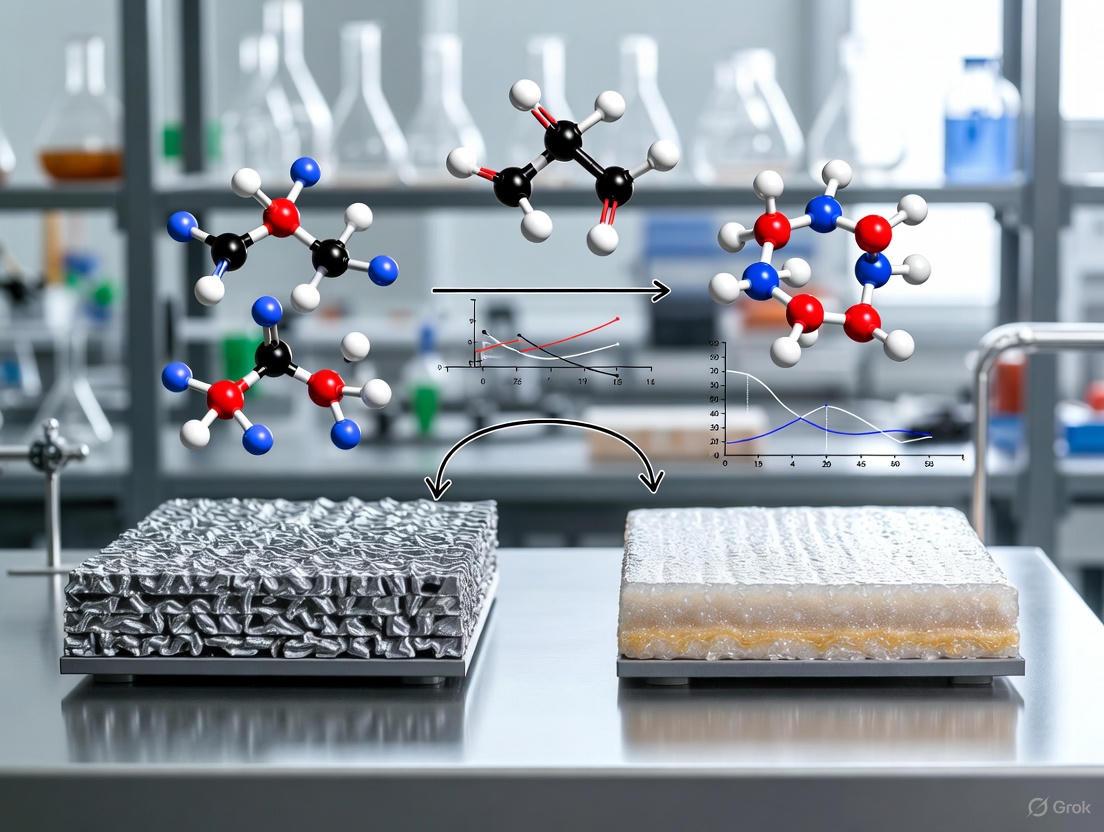
This article provides a comprehensive exploration of the critical distinction between a 'physical surface'—the intrinsic, outermost layer of a material—and an 'experimental surface'—the abstract, model-based representation of a system's behavior.
Physical vs. Experimental Surfaces: A Foundational Guide for Biomedical Research and Drug Development
Abstract
This article provides a comprehensive exploration of the critical distinction between a 'physical surface'—the intrinsic, outermost layer of a material—and an 'experimental surface'—the abstract, model-based representation of a system's behavior. Tailored for researchers, scientists, and drug development professionals, we dissect the foundational concepts, showcase methodological applications in pharmaceutical science (including drug combination analysis and solid-form selection), address common pitfalls and optimization strategies in experimental design, and establish robust validation frameworks. By synthesizing these intents, this guide aims to enhance the rigor, predictability, and success of research reliant on surface-based analysis.
Defining the Divide: Core Concepts of Physical and Experimental Surfaces
What is a Physical Surface? The Intrinsic Material Boundary
In the realms of materials science, chemistry, and solid-state physics, a physical surface represents the intrinsic boundary where a material terminates and transitions to its external environment, typically vacuum, gas, or liquid. This boundary is not merely a geometric plane but a region of dramatically altered atomic and electronic structure that governs a material's interactions and functional properties. The physical surface arises from the sharp termination of the periodic crystal lattice of the bulk material, creating a region where the symmetric potential experienced by electrons is broken. This disruption leads to the formation of new electronic states and atomic configurations not found in the bulk, fundamentally dictating properties such as catalytic activity, adsorption, corrosion resistance, and electronic behavior [1] [2].
Understanding the physical surface is crucial for differentiating it from the experimental surface encountered in research. While the physical surface constitutes the ideal, intrinsic boundary of a material, the experimental surface represents the surface as measured and characterized through specific analytical techniques, which inevitably introduces methodological biases, artifacts, and limitations. This distinction forms a core challenge in surface science: bridging the gap between the intrinsic nature of the physical surface and our experimental observations of it [2] [3].
The Electronic Structure of Physical Surfaces
Origin and Theory of Surface States
The termination of a perfectly periodic crystal lattice creates a weakened potential at the material boundary, allowing for the formation of distinct electronic states known as surface states. These states are localized at the atom layers closest to the surface and decay exponentially both into the vacuum and the bulk crystal [1]. According to Bloch's theorem, electronic states in an infinite periodic potential are Bloch waves, extending throughout the crystal. At the surface, this periodicity is broken, giving rise to two qualitatively different types of solutions to the single-electron Schrödinger equation [1]:
- Bloch-like states that extend into the crystal and terminate in an exponentially decaying tail reaching into the vacuum.
- Surface states that decay exponentially both into the vacuum and the bulk crystal, with wave functions localized close to the crystal surface.
These surface states exist within forbidden energy gaps of semiconductors or local gaps of the projected band structure of metals. Their energies lie within the band gap, and within the crystal, these states are characterized by an imaginary wavenumber, leading to an exponential decay into the bulk [1].
Shockley States and Tamm States
Surface states are historically categorized into two types, named after their discoverers, which differ in their theoretical description rather than their fundamental physical nature [1]:
- Shockley States: These states arise as solutions to the Schrödinger equation within the framework of the nearly free electron approximation. They are associated with the change in electron potential due solely to crystal termination and are well-suited for describing normal metals and some narrow gap semiconductors. Within the crystal, Shockley states resemble exponentially decaying Bloch waves [1].
- Tamm States: In contrast, Tamm states are calculated using a tight-binding model, where electronic wave functions are expressed as linear combinations of atomic orbitals (LCAO). This approach is suitable for describing transition metals and wide gap semiconductors. Qualitatively, Tamm states resemble localized atomic or molecular orbitals at the surface [1].
Topological Surface States
A significant advancement in surface science has been the discovery of topological surface states. Materials can be classified by a topological invariant derived from their bulk electronic wave functions. When strong spin-orbital coupling causes certain bulk energy bands to invert, this topological invariant can change. At the interface between a topological insulator (non-trivial topology) and a trivial insulator, the interface must become metallic. Moreover, the surface state must possess a linear Dirac-like dispersion with a crossing point protected by time reversal symmetry. Such a state is exceptionally robust under disorder and cannot be easily localized [1].
Atomic and Crystallographic Structure of Surfaces
The atomic structure of a physical surface is often distinct from a simple termination of the bulk crystal. Several key phenomena define this structure:
Surface Reconstruction and Relaxation
Upon creation, surface atoms frequently reposition themselves to minimize the surface energy, leading to:
- Surface Relaxation: A change in the distance between the first and second crystal planes compared to the bulk interplanar spacing. This can involve either contraction or expansion [2].
- Surface Reconstruction: A more substantial rearrangement where surface atoms adopt a periodic structure different from the bulk crystal plane. This occurs when the surface structure found in the bulk is unstable, and atoms move to new positions to form a lower-energy configuration [2].
Defects and Surface Morphology
Real-world physical surfaces are not perfect; they contain various defects that significantly influence their properties. These include [2]:
- Steps
- Kinks
- Vacancies
- Ad-atoms
The concentration and type of these defects are critical parameters affecting surface reactivity and other functional behaviors.
The Physical-Experimental Duality in Surface Research
A central paradigm in surface science is recognizing the distinction between the intrinsic physical surface and the experimental surface observed through characterization techniques. This duality presents several fundamental "gaps" that researchers must bridge.
The Pressure and Materials Gap
In fields like heterogeneous catalysis, two significant challenges have long been identified [2]:
- The Pressure Gap: This refers to the disparity between surface studies conducted under Ultra-High Vacuum (UHV) conditions (e.g., 10⁻⁶ to 10⁻⁹ torr) and industrial processes that operate at much higher pressures (e.g., 1-100 atmospheres). The question is whether UHV studies on model systems can accurately predict behavior at practical operating pressures.
- The Materials Gap (or Structure Gap): This describes the contrast between ideal, single-crystal surfaces used as model systems in fundamental research and the complex, practical surfaces often consisting of nanoparticles exposing different facets or being non-crystalline.
The Dimensionality Gap: 2D vs. 3D Characterization
A critical and recently quantified gap arises from the dimensional limitations of characterization techniques. Traditional analysis has relied heavily on 2D imaging, but emerging 3D characterization reveals significant biases, as shown in Table 1 [3].
Table 1: Quantitative Comparison of 2D vs. 3D Characterization of Twin Microstructures in Titanium
| Feature | 2D Characterization Findings | 3D Characterization Findings | Implication of the Dimensionality Gap |
|---|---|---|---|
| Network Connectivity | Reduced cross-grain and in-grain twin connectivity; appears as isolated twins and pairs. | High interconnectivity of domains into networks spanning the full reconstruction volume. | 2D views systemically underestimate connectivity, misrepresenting network morphology. |
| Twin Contacts | Undercounts the number of cross-grain contacts per twin. | Reveals a densely interconnected fingerprint with more contacts. | Alters understanding of how twin networks mediate plastic response and failure modes. |
| Network Morphology | Suggests a more disconnected network. | Shows complex, tortuous twin chains with long, complex 3D paths. | 2D analysis biases understanding of mechanisms driving network growth. |
This dimensionality gap demonstrates that conventional 2D analyses provide an incomplete and potentially misleading picture of the true, three-dimensional physical surface and its associated microstructures [3].
Methodologies for Probing the Physical Surface
A wide array of techniques has been developed to characterize the physical surface, each providing specific insights into its composition, structure, and electronic properties. These methodologies, and their typical applications, form the scientist's toolkit for experimental surface research.
Core Characterization Technique Groups
Advanced characterization can be organized into groups targeting specific physical and chemical aspects of functional solid materials, as detailed in Table 2 [4].
Table 2: Groups of Submicroscopic Characterization Techniques for Solid Materials
| Target Aspect | Example Techniques | Key Information Provided |
|---|---|---|
| Morphology & Pore Structure | Scanning Electron Microscopy (SEM), Aberration-Corrected Scanning Transmission Electron Microscopy (AC-STEM), Surface Adsorption | Surface topography, particle shape, porosity, and pore size distribution. |
| Crystal Structure | X-Ray Diffraction (XRD) | Crystallographic phase, lattice parameters, crystal structure, preferred orientation (texture). |
| Chemical Composition & Oxidation States | Energy-Dispersive X-ray Spectroscopy (EDS), X-ray Photoelectron Spectroscopy (XPS) | Elemental identity, concentration, and chemical/oxidation state. |
| Coordination & Electron Structures | X-ray Absorption Fine Structure (XAFS), Electron Energy Loss Spectroscopy (EELS) | Local atomic environment, coordination numbers, bonding, electronic structure. |
| Bulk Elemental & Magnetic Structure | Nuclear Magnetic Resonance (NMR), Mössbauer Spectroscopy | Identification of specific isotopes, magnetic properties, local chemical environment. |
The Scientist's Toolkit: Essential Research Reagents and Materials
Surface science research relies on meticulously prepared samples and specific analytical environments. Key components of this toolkit include:
- Ultra-High Vacuum (UHV) Systems: Essential for creating and maintaining clean, well-defined surfaces by eliminating contamination from ambient gases [2].
- Single Crystals: Used as model substrates to provide a well-defined, atomically flat starting point for studying fundamental surface processes [2].
- Sputtering Sources & Evaporators: Equipment for the controlled removal of surface contaminants (sputtering) or deposition of thin films with atomic precision [2].
- Calibrated Gas Dosing Systems: Allow for the precise introduction of specific gases onto a clean surface to study adsorption and reaction kinetics [2].
- Standard Reference Materials (e.g., Si/SiO₂ wafers, Gratings): Crucial for calibrating the lateral and vertical dimensions of surface profilometers and microscopes [5].
In Situ and Operando Methodologies
A significant trend in modern surface science is the shift from studying static surfaces to exploring dynamic systems. In situ (in the original position) and operando (under operating conditions) characterization methodologies allow researchers to track the structural evolution of a surface during various applications, such as catalytic reactions or mechanical strain [4]. This provides a more direct correlation between the state of the physical surface and its performance under realistic conditions, helping to bridge the pressure and materials gaps.
Workflow for Surface Analysis
The following diagram illustrates a generalized experimental workflow for moving from a real-world sample to a comprehensive understanding of the physical surface, highlighting the role of different characterization groups.
Diagram 1: Integrated workflow for physical surface analysis, showing the convergence of different characterization groups to build a comprehensive model.
The physical surface is fundamentally defined as the intrinsic material boundary where the bulk crystal periodicity terminates, giving rise to unique electronic states and atomic structures that govern a material's interactive properties. A comprehensive understanding requires the integration of multiple advanced characterization techniques to build a complete picture of its morphology, crystallography, and chemical and electronic composition.
A critical challenge in surface science remains the distinction between this intrinsic physical surface and the experimental surface measured by our tools. Key gaps—including the pressure gap, materials gap, and the recently quantified dimensionality gap between 2D and 3D analysis—underscore the fact that all experimental data provides a filtered view of physical reality. The future of surface research lies in the continued development of in situ and operando methods, the increased application of 3D characterization to reveal true microstructural fingerprints, and the integration of high-throughput experimentation with data science. These approaches will progressively narrow these gaps, offering a clearer and more accurate window into the complex world of the intrinsic material boundary.
In materials science and pharmaceutical development, the concept of a "surface" operates on two distinct yet interconnected levels. The physical surface represents the tangible, atomic-level boundary of a material, characterized by its topography, chemical composition, and atomic arrangement. In contrast, the experimental surface constitutes an abstract, computational model—a theoretical construct built from experimental data and predictive simulations that represents surface properties and behaviors under specific conditions. This distinction is crucial for modern drug development, where understanding dissolution behavior, stability, and bioavailability depends on increasingly sophisticated digital design approaches.
The pharmaceutical industry faces significant challenges in bringing new compounds to market, particularly with active pharmaceutical ingredients (APIs) exhibiting poor solubility characteristics. [6] Natural products like cannabinoids often demonstrate desirable pharmacological effects but present formulation challenges due to low melting points and limited solubility. [6] The emerging paradigm combines experimental techniques with computational modeling to create accurate experimental surface models that predict API behavior without requiring extensive physical testing, accelerating development timelines while reducing material requirements. [7] [6]
The Physical Surface in Pharmaceutical Sciences
The physical surface of pharmaceutical crystals represents the direct interface between the solid dosage form and the dissolution medium, ultimately governing the API's release rate and absorption potential. Traditional surface characterization focuses on quantifying physical attributes through techniques including:
- Surface roughness and topography measured via confocal microscopy (e.g., Zeiss Axio CSM 700) providing 3D surface maps [8]
- Chemical composition analysis using scanning electron microscopy coupled with energy dispersive X-ray spectroscopy (SEM/EDX) [8]
- Crystalline structure identification through X-ray diffraction (XRD) with specialized radiation sources (αCo radiation with Kα1 = 1.789 Å for Co-Cr alloys; αCu radiation with Kα = 1.54 Å for Ti alloys) [8]
- Phase analysis and quantification performed using Rietveld refinements with specialized software (e.g., MAUD) [8]
These techniques provide the foundational data points for constructing accurate experimental surface models, capturing the multidimensional nature of material interfaces.
The experimental surface transcends physical measurements by integrating disparate data sources into a unified computational representation. This abstract model incorporates not only topographic and chemical information but also predictive elements regarding dissolution behavior, surface energy, and interaction potentials. Advanced characterization symposiums highlight growing interest in spatially-resolved and in-situ characterization techniques that provide dynamic, rather than static, surface models. [9]
The power of the experimental surface lies in its capacity to function as a digital twin of physical reality, enabling researchers to run simulations, predict behaviors under varying conditions, and optimize formulations without continuous physical experimentation. This approach is particularly valuable in pharmaceutical development where API availability may be limited during early stages. [6]
Table 1: Comparative Analysis of Physical vs. Experimental Surface Paradigms
| Characteristic | Physical Surface | Experimental Surface |
|---|---|---|
| Nature | Tangible, atomic-level boundary | Abstract, computational model |
| Primary Data Sources | Direct measurement techniques (XRD, SEM, confocal microscopy) | Integrated computational and experimental datasets |
| Temporal Dimension | Static representation at measurement time | Dynamic, can model time-dependent processes |
| Key Advantage | Ground truth measurement | Predictive capability and design optimization |
| Common Techniques | SEM/EDX, XRD, confocal microscopy, DSC | CSD-Particle, computational morphology prediction, surface interaction modeling |
| Pharmaceutical Application | Solid form characterization, impurity detection | Dissolution rate prediction, form selection, manufacturing optimization |
Case Study: Cannabigerol Solid Forms and Dissolution Behavior
Experimental Design and Methodology
A recent investigation by Zmeškalová et al. (2025) exemplifies the integrated approach to experimental surface modeling. [7] [6] The study examined three solid forms of the biologically active molecule cannabigerol: the pure API and two co-crystals with pharmaceutically acceptable coformers (piperazine and tetramethylpyrazine). The research employed a multifaceted methodology:
1. Thermal Characterization: Differential scanning calorimetry (DSC) established the thermal properties of the multicomponent materials, revealing that both co-crystals demonstrated higher melting points than pure cannabigerol—a critical factor for manufacturing processes. [6]
2. Dissolution Testing: Experimental measurements quantified the dissolution rates of all three solid forms, showing nearly triple the dissolution rate for the tetramethylpyrazine co-crystal compared to pure cannabigerol, while the piperazine co-crystal showed no significant improvement. [6]
3. Structural Analysis: Single crystal X-ray diffraction elucidated the molecular geometries, packing arrangements, and intermolecular interaction patterns in all three solid forms. [6]
4. Computational Surface Modeling: The Cambridge Crystallographic Data Centre's CSD-Particle suite predicted particle shapes and modeled surface properties, calculating interaction potentials and polar functional group distribution across major crystal facets. [6]
Quantitative Results and Surface-Based Interpretation
The experimental data revealed significant differences in performance between the solid forms, with the tetramethylpyrazine co-crystal demonstrating superior dissolution characteristics. Computational surface analysis provided the explanatory link: the predominant surface of the tetramethylpyrazine co-crystal exhibited higher incidence of polar functional groups and stronger interactions with water molecules based on Cambridge Structural Database (CSD) data, correlating directly with the enhanced dissolution rate observed experimentally. [6]
Table 2: Performance Characteristics of Cannabigerol Solid Forms [6]
| Solid Form | Melting Point | Relative Dissolution Rate | Key Surface Characteristic |
|---|---|---|---|
| Pure Cannabigerol | Low | 1.0 (baseline) | Lower polarity surface functionality |
| Piperazine Co-crystal | Higher | No significant increase | Limited polar group exposure |
| Tetramethylpyrazine Co-crystal | Higher | ~3.0 | Increased polar functional groups and water interactions |
This case study demonstrates how the experimental surface model—derived from both computational and experimental techniques—provides explanatory power that neither approach could deliver independently. The abstract surface representation successfully rationalized the observed dissolution behavior, moving beyond descriptive characterization to predictive capability.
Methodological Framework: Integrated Experimental-Computational Workflow
The transformation of physical surface measurements into predictive experimental surface models follows a systematic workflow that integrates multiple data streams and analytical techniques. This methodology represents the state-of-the-art in surface engineering for pharmaceutical applications.
Experimental Protocol for Surface Characterization
Sample Preparation and Surface Treatment
- Laser marking and electropolishing procedures prepare samples for analysis
- Standardized sample zones (typically square areas) ensure measurement consistency
- Multiple measurements (minimum three zones) establish statistical significance [8]
Topographical and Chemical Analysis
- Confocal Microscopy: Surface roughness quantification and 3D topography mapping through optical sectioning (e.g., Zeiss Axio CSM 700) [8]
- SEM/EDX: High-resolution surface imaging coupled with elemental composition analysis (e.g., Zeiss EVO MA 25 with Bruker EDX) [8]
- X-ray Diffraction: Crystalline phase identification and structural determination using appropriate radiation sources (Cu Kα = 1.54 Å for organic compounds) [8]
- Differential Scanning Calorimetry: Thermal property analysis including melting points, polymorphic transitions, and stability assessment [6]
Computational Surface Modeling Protocol
Structural Informatics and Prediction
- Cambridge Structural Database (CSD) mining for comparative structural analysis and interaction propensity [6]
- CSD-Particle implementation for crystal morphology prediction and surface property calculation [6]
- Surface interaction modeling with water and biological media to predict dissolution behavior [6]
Data Integration and Model Validation
- Experimental validation of predicted crystal habits through comparison with physically characterized materials
- Correlation of computational surface properties with observed dissolution rates
- Iterative refinement of computational parameters based on experimental discrepancies
The Researcher's Toolkit: Essential Methods and Reagents
Successful implementation of the experimental surface paradigm requires specialized instrumentation, computational tools, and analytical techniques. This toolkit enables the transition from physical characterization to predictive modeling.
Table 3: Essential Research Tools for Experimental Surface Modeling [8] [9] [6]
| Tool Category | Specific Tool/Technique | Function in Surface Modeling |
|---|---|---|
| Structural Characterization | Single Crystal X-ray Diffraction | Determines molecular arrangement and packing in crystal lattice |
| Surface Topography | Confocal Microscopy (e.g., Zeiss Axio CSM 700) | Measures surface roughness and creates 3D topographic maps |
| Chemical Analysis | SEM/EDX (e.g., Zeiss EVO MA 25 with Bruker EDX) | Determines surface elemental composition and distribution |
| Thermal Analysis | Differential Scanning Calorimetry (DSC) | Characterizes thermal stability, polymorphic transitions |
| Computational Prediction | CSD-Particle Suite (Cambridge Crystallographic Data Centre) | Predicts crystal morphology and models surface properties |
| Data Mining | Cambridge Structural Database (CSD) | Provides structural informatics for surface interaction analysis |
| In-Situ Characterization | Micro-Raman Spectroscopy, Advanced TEM | Enables real-time surface analysis during processes |
| Nanomechanical Testing | Nanoindentation, FIB-machined structures | Quantifies mechanical properties of surfaces and thin films |
Advanced characterization techniques continue to evolve, with particular emphasis on in-situ methods that provide real-time surface analysis during processes and under service conditions. [9] The integration of artificial intelligence and machine learning approaches represents the next frontier in surface modeling, enabling more accurate predictions from smaller experimental datasets. [10]
The experimental surface paradigm represents a fundamental shift in pharmaceutical materials science, transforming surfaces from static physical boundaries into dynamic, predictive models. This approach enables rational design of pharmaceutical products with optimized performance characteristics, particularly for challenging APIs with poor inherent solubility.
The case study of cannabigerol solid forms demonstrates how integrated experimental-computational workflows can successfully link molecular-level surface characteristics to macroscopic performance metrics like dissolution rate. As digital design tools continue to mature, the experimental surface will play an increasingly central role in reducing development timelines, conserving valuable API during early development, and ultimately delivering more effective pharmaceutical products to patients.
While current approaches still require experimental validation, the trajectory points toward increasingly predictive surface models that will eventually enable true in silico design of optimal solid forms, representing the future of surface engineering in pharmaceutical sciences.
Surface science, as a unified discipline, is the study of physical and chemical phenomena that occur at the interface of two phases, including solid–liquid interfaces, solid–gas interfaces, solid–vacuum interfaces, and liquid–gas interfaces [11]. This field inherently bridges the gap between two foundational domains: surface physics and surface chemistry. While surface physics focuses on physical interactions and changes at interfaces, investigating phenomena such as surface diffusion, surface reconstruction, surface phonons and plasmons, and the emission and tunneling of electrons, surface chemistry is primarily concerned with chemical reactions at interfaces, including adsorption, desorption, and heterogeneous catalysis [11] [12].
The distinction between a "physical surface" and an "experimental surface" is fundamental to understanding this convergence. The physical surface is the theoretical interface with inherent properties and behaviors governed by the laws of physics and chemistry. In contrast, the experimental surface represents the practical manifestation and probe of this interface within the constraints of measurement techniques, which can influence the very properties being observed. This article traces the historical trajectory of how these two domains, once more distinct, have merged through shared methodologies, theoretical frameworks, and a common goal of understanding the complex interface.
Historical Foundations and Early Divergence
The field of surface chemistry finds its early roots in applied heterogeneous catalysis, pioneered by Paul Sabatier on hydrogenation and Fritz Haber on the Haber process [11]. Irving Langmuir, another founding figure, made seminal contributions to the understanding of monolayer adsorption, with the scientific journal Langmuir now bearing his name [11]. Their work was fundamentally driven by chemical reactivity and the practical goal of controlling surface reactions.
A pivotal moment in the maturation of surface science was the development and application of ultra-high vacuum (UHV) techniques. These methods were necessary to create a clean, controlled environment to study surfaces without interference from contaminant layers [11]. The ability to prepare and maintain well-defined surfaces was a critical prerequisite for both physical and chemical studies, providing a common ground for experimentalists from both backgrounds. The 2007 Nobel Prize in Chemistry awarded to Gerhard Ertl for his investigations of chemical processes on solid surfaces, including the adsorption of hydrogen on palladium using Low Energy Electron Diffraction (LEED), symbolizes the ultimate recognition of this interdisciplinary field [11]. Ertl's work demonstrated how physical techniques could unravel complex chemical mechanisms, effectively bridging the historical gap.
The Methodological Convergence
The most significant driver for the convergence of surface physics and surface chemistry has been the development and shared use of sophisticated analytical techniques. These tools provide atomic-scale insights into both the structural (physical) and compositional (chemical) properties of surfaces, blurring the traditional disciplinary lines.
Table 1: Key Analytical Techniques in Modern Surface Science
| Technique | Primary Domain | Key Information Provided | Citation |
|---|---|---|---|
| Scanning Tunneling Microscopy (STM) | Surface Physics | Real-space imaging of surface topography and electronic structure at the atomic level. | [11] |
| X-ray Photoelectron Spectroscopy (XPS) | Surface Chemistry | Elemental composition and chemical bonding states of the top few nanometers of a surface. | [11] [12] |
| Low Energy Electron Diffraction (LEED) | Surface Physics | Long-range order and atomic structure of crystal surfaces. | [11] |
| Auger Electron Spectroscopy (AES) | Surface Chemistry | Elemental identity and composition of surface layers. | [11] |
| Grazing-Incidence Small-Angle X-ray Scattering (GISAXS) | Surface Physics | Size, shape, and orientation of nanoparticles on surfaces. | [11] [13] |
Exemplar Technique: GISAXS Analysis of Ion Bombardment
The power of modern surface analysis is exemplified by GISAXS, which probes the structure factor of surfaces evolving during processes like ion bombardment. This technique is particularly powerful for studying early-time dynamics during pattern formation on surfaces [13].
The evolution of the surface height (h(\mathbf{r},t)) during the linear regime is described by: [ \frac{\partial \tilde{h}(\mathbf{q},t)}{\partial t} = R(\mathbf{q})\tilde{h}(\mathbf{q},t) + \beta(\mathbf{q},t) ] where (\tilde{h}(\mathbf{q},t)) is the Fourier transform of the surface height, (R(\mathbf{q})) is the amplification factor (dispersion relation), and (\beta(\mathbf{q},t)) is a stochastic noise term [13]. The structure factor (S(\mathbf{q},t)) measured by GISAXS evolves as: [ \langle S(\mathbf{q},t)\rangle = \left[S(q,0) + \frac{\alpha}{2R(\mathbf{q})}\right] \exp[2R(\mathbf{q})t] - \frac{\alpha}{2R(\mathbf{q})} ] where (\alpha) is the noise amplitude [13]. By fitting the experimental (S(\mathbf{q},t)) to this equation, the dispersion relation (R(\mathbf{q})) can be extracted and compared directly to theoretical models, enabling researchers to distinguish between competing physical mechanisms such as sputtering, atom redistribution, surface diffusion, and ion-induced stress [13].
The Modern Synthesis: A Quantitative and Interdisciplinary Paradigm
The contemporary landscape of surface science is characterized by a fully integrated, quantitative approach. The reliance on a single, potentially speculative technique is now recognized as insufficient. Instead, the "considerable added power" comes from combining methods like scanning probe microscopy and theoretical calculations with more traditional quantitative experiments that provide precise data on composition, vibrational properties, adsorption/desorption energies, and electronic and geometrical structure [14].
This synthesis is evident in the study of electrochemistry, where the behavior of an electrode–electrolyte interface is probed by combining traditional electrochemical techniques like cyclic voltammetry with direct observations from spectroscopy, scanning probe microscopy, and surface X-ray scattering [11]. Similarly, in geochemistry, the adsorption of heavy metals onto mineral surfaces is studied using in situ synchrotron X-ray techniques and scanning probe microscopy to predict contaminant travel through soils with molecular-scale accuracy [11]. This interplay ensures that theoretical models of the physical surface are constantly refined and validated against data from experimental surfaces.
Table 2: Essential Research Reagents and Materials in Surface Science
| Material/Reagent | Function in Research | Field of Application |
|---|---|---|
| Single Crystal Surfaces (e.g., Pt, Pd, Si) | Well-defined model substrates to study fundamental processes without the complexity of real-world materials. | Heterogeneous Catalysis, Model Electrodes [11] |
| Ultra-High Vacuum (UHV) Systems | Creates a contamination-free environment (≤10⁻⁷ Pa) to prepare and maintain clean surfaces for analysis. | Fundamental Surface Physics and Chemistry [11] |
| Synchrotron Radiation | High-intensity, tunable-energy X-ray source for high-resolution scattering and spectroscopy studies of buried interfaces. | GISAXS, HAXPES, XSW [11] [13] |
| Self-Assembled Monolayers | Model organic surfaces with controlled composition and structure for studying adhesion, lubrication, and biomaterial interfaces. | Surface Engineering, Tribology [11] |
The historical journey of surface science demonstrates a definitive convergence of surface physics and surface chemistry into a cohesive, interdisciplinary field. This fusion has been driven by the shared use of powerful analytical techniques capable of probing the atomic-scale structure and reactivity of interfaces. The distinction between the theoretical "physical surface" and the measured "experimental surface" remains a critical conceptual framework, guiding the interpretation of data and the development of more accurate models. Today, the most significant advances occur at this intersection, where quantitative physical measurements inform our understanding of chemical mechanisms, and chemical insights drive the exploration of new physical phenomena. The continued refinement of techniques like GISAXS and HAXPES promises to further bridge any remaining gaps, solidifying a unified approach to understanding and engineering the complex world at the interface.
In scientific research, the concept of a "surface" embodies a fundamental dichotomy between its physical reality and its experimental representation. The physical surface is a complex, multi-scale boundary layer of a material, defined by its innate topographical features, chemical composition, and behavioral properties under environmental interactions. In contrast, the experimental surface is a conceptual model constructed through measurement principles, characterization parameters, and analytical interpretations that inevitably simplify this physical reality for systematic study. This distinction is not merely philosophical; it has profound implications for how researchers across disciplines—from materials science to pharmaceutical development—design experiments, interpret data, and build predictive models. Understanding the relationship between actual surface properties and their parameterized representations is essential for advancing surface science and its applications. This guide examines the key properties that define both physical and experimental surfaces, providing a framework for navigating their complex interrelationships through quantitative characterization, standardized methodologies, and functional correlations.
Fundamental Properties of Physical Surfaces
Physical surfaces represent the actual boundary where a material interacts with its environment, possessing intrinsic properties that exist independently of measurement. These properties can be categorized into three interconnected domains: topography, composition, and behavior.
Surface Topography
Surface topography encompasses the three-dimensional geometry and microstructural features of a surface across multiple scales, typically classified as macroroughness (Ra ~10 μm), microroughness (Ra ~1 μm), and nanoroughness (Ra ~0.2 μm) [15]. This hierarchical structure represents the "fingerprint" of a material's manufacturing history and significantly influences its functional capabilities. At the nanoscale, surface features affect molecular interactions, while at microscales, they govern mechanical and tribological behaviors. Macroscale topography influences aesthetic perception and fluid dynamics. The complexity of natural surfaces often requires advanced characterization methods beyond simple height measurements, incorporating lateral and hybrid parameters to fully describe feature distribution and orientation [15] [5].
Surface Composition
Surface composition refers to the chemical and molecular makeup of the outermost material layers, which often differs substantially from bulk composition due to segregation, oxidation, or contamination processes. This composition dictates fundamental material properties including surface energy, reactivity, catalytic activity, and biocompatibility. In dental implants, for instance, titanium surfaces may be nitrided or acid-etched to create specific chemical properties that enhance biocompatibility and osseointegration [15]. Surface composition interacts synergistically with topography—for example, a chemically patterned surface with specific wettability properties may be further enhanced by hierarchical microstructures that amplify these effects.
Surface Behavior
Surface behavior emerges from the interaction between topography, composition, and external stimuli, manifesting as functional properties such as friction, wear resistance, adhesion, wettability, and corrosion resistance. The behavioral response represents the ultimate determinant of a surface's suitability for specific applications. For instance, the race for the surface between bacterial cells and mammalian cells on implant materials demonstrates how surface properties dictate biological responses—with smoother surfaces (nitrided, as machined, or lightly acid-etched) generally proving more favorable than rougher ones (strong acid etched or sandblasted/acid etched) in balancing bacterial resistance with tissue integration [15].
Table 1: Fundamental Properties of Physical Surfaces
| Property Category | Key Parameters | Functional Significance | Characterization Challenges |
|---|---|---|---|
| Topography | Height parameters (Sa, Sq), Spatial parameters (Str), Hybrid parameters (Sdq) | Friction, adhesion, optical perception, biocompatibility | Multi-scale nature, measurement instrument limitations |
| Composition | Elemental distribution, chemical states, molecular arrangement | Reactivity, corrosion resistance, surface energy, catalytic activity | Surface contamination, depth resolution, representative sampling |
| Behavior | Friction coefficient, contact angle, wear rate, adhesion strength | Tribological performance, wettability, durability, biological response | Context-dependent behavior, complex interaction mechanisms |
Experimental Surface Characterization
Measurement Principles and Instrumentation
Experimental surface characterization bridges the physical reality of surfaces with quantifiable parameters through various measurement modalities. The choice of instrumentation involves critical trade-offs between resolution, field of view, measurement speed, and potential surface damage.
Tactile methods, particularly stylus profilometry (SP), historically dominated industrial applications due to their robustness and standardization. However, they present limitations in measurement speed and potential for surface damage on soft materials [5]. Optical methods including confocal microscopy (CM), white light interferometry (WLI), focus variation microscopy (FV), and coherence scanning interferometry (CSI) have emerged as predominant techniques in research environments, offering non-contact, areal measurements with high vertical resolution and speed [5]. These now account for approximately 70% of applications in scientific studies of functional surfaces [5]. Advanced techniques such as atomic force microscopy (AFM) and scanning electron microscopy (SEM) provide nanometer-scale resolution but face limitations in field of view, measurement time, and operational complexity [15] [16].
Table 2: Surface Measurement Techniques
| Technique | Principle | Lateral/Vertical Resolution | Primary Applications | Key Limitations |
|---|---|---|---|---|
| Stylus Profilometry (SP) | Physical tracing with diamond tip | 0.1-10 μm / 1 nm-0.1 μm | Standardized roughness measurement, process control | Surface damage, slow speed, limited to 2D profiles |
| Confocal Microscopy (CM) | Optical sectioning with pinhole elimination of out-of-focus light | 0.1-0.4 μm / 1-10 nm | Transparent materials, steep slopes, biological surfaces | Limited to moderately rough surfaces, lower speed than WLI |
| White Light Interferometry (WLI) | Interference pattern analysis using white light source | 0.3-3 μm / 0.1-1 nm | High-speed areal measurements, rough surfaces | Noise on transparent materials, step height ambiguity |
| Atomic Force Microscopy (AFM) | Physical probing with nanoscale tip | 0.1-10 nm / 0.01-0.1 nm | Nanoscale topography, molecular resolution, force measurements | Very small scan area, slow measurement, surface contact |
| Scanning Electron Microscopy (SEM) | Electron beam scanning with secondary electron detection | 1-10 nm / N/A | Ultra-high magnification, compositional mapping | Vacuum requirements, conductive coatings often needed, no direct height measurement |
Characterization Parameters and Their Limitations
The transformation of physical surface data into quantitative parameters introduces another layer of abstraction between reality and representation. Amplitude parameters (e.g., Sa, Sq, Sz) describing vertical characteristics remain the most widely used due to their historical precedence and conceptual simplicity, yet they provide incomplete information about feature distribution and orientation [15] [5]. Spatial parameters (e.g., Str, Sal) describe the dominant directionality and spacing of surface features, critically important for anisotropic functional behaviors like fluid transport or optical scattering. Hybrid parameters (e.g., Sdq, Sdr) combine vertical and lateral information to better characterize the complexity of surface geometry, with developed interfacial area ratio (Sdr) particularly valuable for predicting adhesion and wettability. Functional parameters based on the Abbott-Firestone curve (e.g., Sk, Spk, Svk) attempt to directly correlate topography with performance characteristics like lubricant retention, wear resistance, and load-bearing capacity [5].
Despite the proliferation of standardized parameters (>100 in ISO standards), a significant gap persists between parameter availability and functional understanding. Many industries continue to rely predominantly on Ra/Sa values despite their well-documented limitations in capturing functionally relevant topographic features [5]. This "parameter rash" [5] creates challenges in selecting the most appropriate descriptors for specific applications, often leading to either oversimplification or unnecessary complexity in surface specification.
Quantitative Contrast: Physical Properties vs. Model Parameters
The relationship between physical surface properties and their experimental representations can be quantitatively examined across multiple domains. The following tables synthesize data from surface science research to illustrate these critical distinctions.
Table 3: Topographic Properties vs. Experimental Parameters
| Physical Topographic Property | Experimental Parameter | Measurement Limitations | Typical Value Ranges |
|---|---|---|---|
| Feature height distribution | Sa (Arithmetic mean height) | Insensitive to feature shape and spacing | 0.01 μm (polished) to 25 μm (coated) |
| Surface texture directionality | Str (Texture aspect ratio) | Dependent on measurement area and sampling | 0 (strongly directional) to 1 (isotropic) |
| Peak sharpness and valley structure | Sku (Kurtosis) and Ssk (Skewness) | Requires sufficient sampling statistics for accuracy | Sku: 1.5 (spiky) to 5 (bumpy); Ssk: -3 (porous) to +3 (peaked) |
| Effective surface area | Sdr (Developed interfacial area ratio) | Resolution-dependent, underestimates nanoscale features | 0% (perfectly flat) to >100% (highly textured) |
| Hybrid topography characteristics | Sdq (Root mean square gradient) | Sensitive to noise and filtering | 0° (flat) to 90° (vertical) |
Table 4: Compositional and Behavioral Properties vs. Experimental Parameters
| Physical Property | Experimental Parameter/Method | Functional Correlation | Common Applications |
|---|---|---|---|
| Surface energy/wettability | Contact angle measurement | Predicts adhesion, coating uniformity, biocompatibility | 30° (hydrophilic) to >120° (superhydrophobic) |
| Frictional behavior | Friction coefficient (μ) | Depends on both topography and material properties | 0.01 (lubricated) to >1 (high friction) |
| Wear resistance | Volume loss (mm³) under standardized load | Related to hardness, toughness, and topography | Varies by material and application |
| Adhesion performance | Peel strength (N/mm) or pull-off force (N) | Critical for coatings, composites, and bonding | Application-specific thresholds |
| Chemical composition | XPS (X-ray photoelectron spectroscopy) | Determines reactivity, corrosion resistance, catalysis | Elemental atomic percentages |
Case Studies: From Physical Properties to Fitted Responses
Case Study 1: Visual Perception of Surface Color
The perception of surface color in complex scenes demonstrates sophisticated interactions between physical properties and cognitive processing. Research on representative surface color perception of real-world materials reveals that humans judge overall surface color using simple image measurements rather than complex physical analyses [17]. Despite heterogeneous structures in natural surfaces (soil, grass, skin), observers consistently identify a representative color that correlates strongly with the saturation-enhanced color of the brightest point in the image (excluding high-intensity outliers) [17].
This perceptual mechanism was validated through matching experiments using original natural images and their statistically synthesized versions (Portilla-Simoncelli-synthesized and phase-randomized images). Surprisingly, the perceived representative color showed no significant differences between original and synthetic stimuli except for one sample, despite dramatic impairments in perceived shape and material properties in the synthetic images [17]. This demonstrates that the visual system employs efficient heuristics rather than physical simulation for routine color judgments, with important implications for computer graphics, material design, and visual neuroscience.
Diagram 1: Surface color perception pathway
Case Study 2: Pharmaceutical Activity Landscapes
In pharmaceutical research, the relationship between chemical structure (surface composition and topography at molecular level) and biological activity represents a critical application of surface-property modeling. The pharmacological topography constitutes a two-dimensional mapping of chemical structure against biological activity, where activity cliffs appear as discontinuities—structurally similar compounds with unexpectedly large differences in biological effects [18].
Quantitative analysis of these landscapes employs similarity (s) and variation (d) metrics weighted by chemical similarity (c). Research reveals that activity variation (d) maintains above-average values more consistently than similarity (s) as chemical similarity increases, particularly in the transitional region (c ∈ [0.3, 0.64]) where rises in d are significantly greater than drops in s [18]. This "canyon" representation of activity landscapes provides a mathematical framework for predicting the probability of distinctive drug interactions, with important implications for drug design, repurposing, and safety assessment. The method identifies drug pairs where small structural modifications produce dramatic therapeutic differences, such as the tricyclic compounds Promethazine, Chlorpromazine, and Imipramine, which possess distinct therapeutic profiles despite high chemical similarity [18].
Case Study 3: Bacterial vs. Mammalian Cell Adhesion on Implant Surfaces
The "race for the surface" between bacterial and mammalian cells on dental implants demonstrates how topographic parameters influence biological responses. Research on five representative implant surfaces (nitrided, as-machined, lightly acid-etched, strongly acid-etched, and sandblasted/acid-etched) revealed that surface topography modulates differential responses based on cell size and membrane properties [15].
Bacterial cells (approximately 1μm diameter) with rigid membranes struggle to interact with complex nano-sized topographies where their size exceeds accessible adhesion cavities. In contrast, mammalian cells (gingival fibroblasts) with highly elastic membranes (up to 100μm spreading) accommodate complex topographies through actin microspikes that sense surfaces before adhesion occurs [15]. This fundamental difference means that rougher surfaces (strong acid etched or sandblasted/acid etched) generally favor bacterial adhesion over cell integration, while smoother surfaces (nitrided, as machined, or lightly acid etched) better support the "race for the surface" by mammalian cells [15]. These findings demonstrate the importance of multi-parameter topographic analysis beyond simple Sa values for predicting biological performance.
Diagram 2: Biological response to implant surface topography
Experimental Protocols and Methodologies
Comprehensive Surface Characterization Protocol
Based on analyzed research, an effective surface characterization protocol should integrate multiple complementary techniques:
Primary Topography Mapping: Begin with non-contact optical methods (CM or WLI recommended) for areal surface measurement across representative regions (minimum 3 locations). Use 20×20μm to 250×250μm scan areas depending on feature scale with Gaussian filtering (ISO 25178) to separate roughness from waviness [15] [5].
Multi-Parameter Analysis: Calculate amplitude (Sa, Sq), spatial (Str), and hybrid (Sdr, Sdq) parameters following ISO 25178 standards. Include Abbott-Firestone curve parameters (Sk, Spk, Svk) for functional assessment of bearing ratio and lubricant retention [5].
Nanoscale Validation: For surfaces with suspected nanofeatures, employ AFM on selected 1×1μm to 10×10μm regions to validate optical measurements and characterize sub-resolution features.
Compositional Analysis: Perform XPS survey scans with monochromatic AlKα source (1486.7 eV), 300μm spot size, pass energy 200eV, and C1s referencing at 285.0eV for elemental quantification and chemical state identification [15].
Functional Testing: Conduct application-specific behavioral tests (contact angle measurements for wettability, adhesion assays, or tribological tests) correlating results with topographic and compositional parameters.
Visual Perception Experimental Protocol
To investigate perceived surface properties like color and gloss, researchers can adapt the methodology from Honson et al. [19]:
Stimulus Generation: Create 3D rendered surfaces with systematically varied specular roughness, mesoscopic relief height, and orientation to light source using perceptually uniform CIE LCH color space [19].
Psychophysical Procedure: Implement a matching paradigm where observers adjust reference stimuli (e.g., spherical objects) to match perceived lightness and chroma of test surfaces across multiple hue conditions (red, green, blue) [19].
Data Collection: Record matches across multiple trials (minimum 10 repetitions) and observers (minimum 5 observers with normal color vision).
Model Fitting: Analyze results through weighted linear combinations of perceived gloss and specular coverage to account for variations in perceived saturation and lightness across different hue conditions [19].
The Scientist's Toolkit: Essential Research Reagents and Materials
Table 5: Essential Materials for Surface Research
| Item/Category | Specification Guidelines | Research Function | Application Notes |
|---|---|---|---|
| Reference Samples | Certified roughness standards (ISO 5436-1), calibrated step heights | Instrument calibration and measurement validation | Essential for cross-technique and cross-laboratory comparison |
| Surface Characterization Kits | Multiple surface finishes (polished, etched, textured, coated) | Method development and controlled experimentation | Dental implant studies used Ti discs with 5 treatments [15] |
| Optical Profilometers | White light interferometry or confocal microscopy systems | Primary areal surface topography measurement | Dominant in research (70% of studies) [5] |
| Fractal Analysis Software | MATLAB toolboxes or specialized surface analysis packages | Quantification of surface complexity across scales | Critical for food, porous materials, biological surfaces [16] |
| GTM/Chemography Platforms | Generative Topographic Mapping software with chemical descriptors | Visualization of structure-activity relationships in drug design | Creates predictive property landscapes from high-dimensional data [20] |
The dichotomy between physical surfaces and their experimental representations represents both a challenge and opportunity for scientific advancement. While physical surfaces embody infinite complexity across scales, experimental surfaces provide the essential abstraction needed for systematic analysis, prediction, and design. The most significant advances in surface science occur when researchers maintain critical awareness of the limitations inherent in parameterized representations while leveraging their power for functional correlation. Future progress will depend on developing more sophisticated characterization methods that better capture multi-scale relationships, establishing clearer correlations between parameter combinations and functional outcomes, and creating new visualization tools that help researchers navigate complex surface-property relationships. By embracing both the physical reality of surfaces and the experimental models needed to study them, researchers across disciplines can design better materials, optimize manufacturing processes, and develop more predictive computational models of surface-mediated phenomena.
From Theory to Practice: Methodological Approaches and Real-World Applications
Response Surface Methodology (RSM) for Analyzing Drug Combinations and Synergy
Quantitative evaluation of how drugs combine to elicit a biological response is crucial for modern drug development, particularly in areas like cancer and infectious diseases where combination therapy affords greater efficacy with potential reduction in toxicity and drug resistance [21]. Traditional evaluations of drug combinations have predominantly relied on index-based methods such as Combination Index (CI) and Bliss independence, which distill combination experiments down to a single metric classifying interactions as synergistic, antagonistic, or additive [21]. However, these approaches are now recognized to be fundamentally biased and unstable, producing misleadingly structured patterns that lead to erroneous judgments of synergy or antagonism [21].
The distinction between physical surface research and experimental surface research provides crucial context for understanding the value of RSM. Physical surface research investigates tangible, directly measurable properties of material surfaces, whereas experimental surface research in drug combination studies involves constructing mathematical response surfaces from empirical data to model relationships between input variables (drug doses) and outputs (biological effects) across a multi-dimensional design space [22] [23]. This empirical modeling approach enables researchers to navigate complex biological response landscapes that cannot be directly observed physically but must be inferred through carefully designed experiments and statistical modeling.
Response Surface Methodology represents a more robust, unbiased, statistically grounded framework for evaluating combination experiments [21]. Through parametric mathematical functions of each drug's concentration, RSMs provide a complete representation of combination behavior at all doses, moving beyond simple synergy/antagonism designations to offer greater stability and insight into combined drug action [21].
Theoretical Foundations of Response Surface Methodology
Core Principles and Historical Development
Response Surface Methodology comprises a collection of mathematical and statistical techniques for modeling and optimizing systems influenced by multiple variables [22]. Originally developed by Box and Wilson in the 1950s, RSM emerged from practical industrial needs to link experimental design with optimization, creating formal statistical procedures for process improvement in chemical engineering and manufacturing [22] [23]. The methodology focuses on designing experiments, fitting mathematical models to empirical data, and identifying optimal operational conditions by quantifying how input variables jointly affect responses [22].
In pharmaceutical applications, RSM enables researchers to systematically explore the relationship between multiple input factors (e.g., drug concentrations, administration timing) and measured biological responses (e.g., cell viability, enzyme inhibition) [24]. Unlike traditional one-factor-at-a-time approaches, RSM varies all factors simultaneously according to structured experimental designs, enabling efficient detection of interaction effects between variables that would otherwise be missed [23].
Comparison of Major Synergy Analysis Methods
Table 1: Comparison of Major Methodologies for Analyzing Drug Combinations
| Method Category | Key Methods | Underlying Principle | Advantages | Limitations |
|---|---|---|---|---|
| Index-Based | Combination Index (CI), Bliss Volume, Loewe Additivity, Zero Interaction Potency (ZIP) | Distills combination experiment to single interaction metric | Simple interpretation; Widely adopted; Computational simplicity | Structured bias; Unstable predictions; Divergent conclusions based on curve shape [21] |
| Response Surface Models | URSA, GRS, BRAID, MuSyC | Parametric mathematical function describing response across all dose combinations | Complete response representation; Statistical robustness; Reduced bias; Mechanistic insight [21] | Increased complexity; Larger experimental requirements; Steeper learning curve |
The Meaning of Synergy in Pharmacological Context
The term "synergy" carries different connotations across research contexts. Formally, a synergistic interaction occurs when compounds produce a larger effect in combination than expected from their isolated behavior, requiring a model of non-interaction that accounts for the nonlinear dose-effect relationship [21]. The Loewe additivity model remains the pharmacological gold standard, largely because it assumes additive interaction when a compound is combined with itself [21].
In practical drug discovery contexts, "synergy" often simply indicates an observed response greater than achievable with single agents alone—a distinct meaning from formal pharmacological synergy [21]. This definitional variance underscores the importance of specifying the null model and experimental framework when reporting combination effects.
Limitations of Traditional Index-Based Methods
Patterned Bias in Combination Index (CI) Methods
Simulation studies reveal that CI methods produce structured bias leading to erroneous synergy judgments. When combining drugs with different Hill slopes but identical EC₅₀ values in theoretically additive combinations, CI methods incorrectly identify synergy at 50% effect levels, additivity at 90% effect, and antagonism at 99% effect levels [21]. Similarly, combining drugs differing in maximum efficacy consistently produces false synergy conclusions [21]. These patterned biases stem from flawed assumptions about constant-ratio combination behavior in Loewe additive surfaces.
Patterned Bias in Bliss Independence Methods
Bliss independence frequently yields divergent conclusions compared to Loewe-based methods and RSMs because it employs different fundamental principles [21]. For example, when combining drugs with maximum efficacies of 0.35 and 0.7, Bliss independence predicts a combined effect of 0.815 at high concentrations—judged as antagonistic—while simultaneously judging lower dose combinations as synergistic [21]. These reproducible deviation patterns reflect disagreements between non-interaction models rather than true mechanistic interactions, creating analytical artifacts driven solely by variations in single-agent dose-response curve shapes.
Empirical Performance Comparison
A comprehensive evaluation using the Merck OncoPolyPharmacology Screen (OPPS)—comprising over 22,000 combinations from 38 drugs tested across 39 cancer cell lines—demonstrated RSM superiority in capturing biologically meaningful interactions [21]. When combination metrics were used to cluster compounds by mechanism of action, RSM-based approaches (except MuSyC's alpha2 parameter) consistently outperformed index-based methods [21]. The BRAID method's Index of Achievable Efficacy (IAE), a surface integral over the fitted response surface, achieved the best performance, indicating that RSMs more effectively capture the true interaction patterns reflective of underlying biological mechanisms [21].
Response Surface Methodology: Experimental Design and Implementation
Fundamental Experimental Designs for RSM
Proper experimental design forms the foundation of effective RSM application. The most prevalent designs include:
Central Composite Design (CCD): Extends factorial designs by adding center points and axial (star) points, allowing estimation of linear, interaction, and quadratic effects [22]. CCD can be arranged to be rotatable, ensuring uniform prediction variance across the experimental region [22]. Variations include circumscribed CCD (axial points outside factorial cube), inscribed CCD (factorial points scaled within axial range), and face-centered CCD (axial points on factorial cube faces) [22].
Box-Behnken Design (BBD): Efficiently explores factor space with fewer experimental runs than full factorial designs, particularly valuable when resources are constrained [22]. For three factors, BBD requires approximately 13 runs compared to 27 for full factorial, making it practically advantageous in pharmaceutical research with expensive compounds [24].
Factorial Designs: Serve as foundational elements for screening significant variables before implementing more comprehensive RSM designs [22]. Full factorial designs explore all possible combinations of factor levels, while fractional factorial designs examine subsets when screening large numbers of factors [25].
Step-by-Step RSM Implementation Protocol
Implementing RSM involves a systematic sequence of steps [25]:
Problem Definition and Response Selection: Clearly define research objectives and identify critical response variables (e.g., percentage cell viability, inhibitory concentration, therapeutic window).
Factor Screening and Level Selection: Identify key input factors (drug concentrations, ratios, timing) and determine appropriate experimental ranges based on preliminary data.
Experimental Design Selection: Choose appropriate design (CCD, BBD, etc.) based on number of factors, resources, and optimization goals.
Experiment Execution: Conduct experiments according to the design matrix, randomizing run order to minimize systematic error.
Model Development and Fitting: Fit empirical models (typically second-order polynomials) to experimental data using regression analysis.
Model Adequacy Checking: Evaluate model validity through statistical measures (R², adjusted R², lack-of-fit tests, residual analysis).
Optimization and Validation: Identify optimal factor settings and confirm predictions through additional experimental runs.
Mathematical Modeling in RSM
The most common empirical model in RSM is the second-order polynomial equation [22]:
Y = β₀ + ∑βᵢXᵢ + ∑βᵢᵢXᵢ² + ∑βᵢⱼXᵢXⱼ + ε
Where:
- Y represents the predicted response
- β₀ is the constant term
- βᵢ are linear coefficients
- βᵢᵢ are quadratic coefficients
- βᵢⱼ are interaction coefficients
- Xᵢ and Xⱼ are coded factor levels
- ε represents random error
This model captures linear effects, curvature, and two-factor interactions, providing sufficient flexibility to approximate most biological response surfaces within limited experimental regions [22] [25]. Model parameters are typically estimated using ordinary least squares regression, with significance testing to eliminate unimportant terms [23].
Diagram 1: RSM Implementation Workflow for Drug Combination Studies
Experimental Protocols for Drug Combination Studies
Comprehensive Screening Protocol
For initial characterization of unknown drug interactions:
Plate Setup: Seed cells in 384-well plates at optimized density (typically 1,000-5,000 cells/well) and incubate for 24 hours.
Compound Preparation: Prepare serial dilutions of individual compounds in DMSO followed by culture medium, maintaining final DMSO concentration ≤0.1%.
Combination Matrix Design: Implement 8×8 dose-response matrix covering EC₁₀-EC₉₀ ranges for each compound, including single-agent and combination treatments.
Dosing Protocol: Add compounds using liquid handlers, maintaining consistent timing across plates.
Incubation and Assay: Incubate for 72-96 hours, then assess viability using ATP-based (CellTiter-Glo) or resazurin reduction assays.
Data Collection: Measure luminescence/fluorescence, normalize to vehicle (100%) and no-cell (0%) controls.
Quality Control: Include reference compounds with known responses, assess Z'-factor >0.4 for assay quality.
RSM-Optimized Experimental Protocol
For response surface modeling with Central Composite Design:
Factor Coding: Code drug concentrations to -α, -1, 0, +1, +α levels based on preliminary EC₅₀ estimates.
Design Implementation: Execute CCD with 4-6 center points to estimate pure error.
Response Measurement: Quantify multiple relevant endpoints (viability, apoptosis, cell cycle) where feasible.
Replication: Perform technical triplicates with biological replicates (n≥3).
Model Fitting: Fit second-order polynomial models to response data using multiple regression.
Surface Analysis: Generate 3D response surfaces and 2D contour plots to visualize interaction landscapes.
Validation Protocol for Synergy Claims
To confirm putative synergistic regions identified through RSM:
Confirmation Experiments: Conduct targeted experiments at predicted optimal combination ratios with increased replication (n≥6).
Bliss Independence Calculation: Compare observed effects against expected Bliss independent effects [26].
Statistical Testing: Apply two-stage response surface models with formal hypothesis testing for synergism at specific dose combinations to control false positives [26].
Mechanistic Follow-up: Investigate pathway modulation through Western blotting, RNA sequencing, or functional assays.
Data Analysis and Interpretation
Quantitative Analysis of Combination Effects
Table 2: Key Parameters in RSM Analysis of Drug Combinations
| Parameter | Mathematical Representation | Biological Interpretation | Optimal Range |
|---|---|---|---|
| Interaction Coefficient (β₁₂) | Coefficient for cross-term X₁X₂ in polynomial model | Magnitude and direction of drug interaction; Positive values suggest synergy, negative values antagonism | Statistically significant deviation from zero (p<0.05) |
| Loewe Additivity Deviation | ∫(Yobserved - YLoewe) over dose space | Integrated measure of synergy/antagonism across all concentration pairs | Confidence intervals excluding zero indicate significant interaction |
| Bliss Independence Deviation | Yobserved - YBliss at specific concentrations | Difference between observed and expected effect assuming independent action | Values >0 suggest synergy, values <0 suggest antagonism |
| Potency Shift | ΔEC₅₀ between single agent and combination | Change in effective concentration required for response | Significant reduction indicates favorable combination effect |
| Therapeutic Index Shift | Combination TI / Best single-agent TI | Improvement in safety window | Values >1 indicate therapeutic advantage |
Model Diagnostics and Validation
Robust RSM analysis requires rigorous model validation:
Coefficient Significance: Test regression coefficients using t-tests, retaining only statistically significant terms (p<0.05-0.10) unless required for hierarchy.
Lack-of-Fit Testing: Compare pure error (from replicate points) to model lack-of-fit using F-tests; non-significant lack-of-fit (p>0.05) indicates adequate model.
R² and Adjusted R²: Evaluate proportion of variance explained, with adjusted R² >0.70 typically indicating reasonable predictive ability.
Residual Analysis: Examine residuals for normality, independence, and constant variance using Shapiro-Wilk tests and residual plots.
Prediction R² (R²pred): Assess predictive power through cross-validation or holdout samples, with R²pred >0.60 indicating acceptable prediction.
Visualization and Interpretation
Effective communication of RSM results employs multiple visualization approaches:
3D Response Surfaces: Display response as a function of two drug concentrations, enabling identification of synergistic regions and optimal combination ratios.
Contour Plots: Provide 2D representations of response surfaces with isoboles indicating equal effect levels, facilitating direct comparison with traditional synergy methods.
Interaction Plots: Show how the effect of one drug changes across levels of another, highlighting significant interactions.
Optimization Overlays: Superimpose contour plots for multiple responses to identify regions satisfying all optimization criteria simultaneously.
Diagram 2: RSM Data Analysis and Validation Workflow
The Scientist's Toolkit: Essential Research Reagents and Materials
Table 3: Essential Research Reagents for Drug Combination Studies
| Reagent/Material | Specific Example | Function in Combination Studies | Key Considerations |
|---|---|---|---|
| Cell Viability Assays | CellTiter-Glo (ATP quantification), Resazurin reduction, MTT | Quantification of treatment effects on cell metabolism and proliferation | Linear range, sensitivity, compatibility with drug compounds |
| Apoptosis Assays | Annexin V/PI staining, Caspase-3/7 activation assays | Distinction of cytostatic vs. cytotoxic combination effects | Timing of assessment relative to treatment |
| High-Throughput Screening Plates | 384-well tissue culture treated plates, 1536-well for large screens | Enable efficient testing of multiple dose combinations | Surface treatment, edge effects, evaporation control |
| Automated Liquid Handlers | Beckman Biomek, Tecan Freedom Evo, Hamilton Star | Precise compound transfer and serial dilution for combination matrices | Volume accuracy, carryover minimization, DMSO compatibility |
| Response Surface Analysis Software | R (drc, Response Surface packages), Prism, COMPUSYM | Statistical analysis of combination data and response surface modeling | Implementation of appropriate null models, visualization capabilities |
| Compound Libraries | FDA-approved oncology drugs, Targeted inhibitor collections | Source of combination candidates with diverse mechanisms | Solubility, stability in DMSO, concentration verification |
Advanced Applications and Future Directions
Three-Way Drug Combinations and Higher-Order Interactions
RSM methodologies extend beyond two-drug combinations to address the increasing interest in three-drug regimens, particularly in oncology and infectious disease. Specialized experimental designs such as Box-Behnken and mixture designs enable efficient exploration of these higher-dimensional spaces [22]. The BRAID method specifically demonstrates RSM extensions for analyzing three-way drug combinations, capturing complex interactions that cannot be identified through pairwise testing alone [21].
Integration with Machine Learning and Predictive Modeling
The rise of large-scale drug combination databases presents opportunities for integrating empirical RSM with computational approaches [21]. Machine learning models can leverage RSM-derived interaction parameters as training data to predict novel synergistic combinations, creating virtual screening tools that prioritize combinations for experimental validation [21]. This integration addresses the fundamental dimensionality challenge in combination therapy development, where exhaustively testing all possible combinations remains practically impossible.
Atypical Response Behaviors and Therapeutic Window Optimization
RSM provides flexible frameworks for analyzing non-standard response behaviors, including partial inhibition, bell-shaped curves, and hormetic effects that complicate traditional synergy analysis [21]. By modeling entire response surfaces rather than single effect levels, RSM enables simultaneous optimization of both efficacy and toxicity surfaces, formally defining combination therapeutic windows that balance maximum target effect with minimum adverse effects [21].
Response Surface Methodology represents a paradigm shift in quantitative analysis of drug combinations, moving beyond the limitations of traditional index-based methods to provide robust, unbiased characterization of drug interactions. By modeling complete response surfaces across concentration ranges, RSM captures the complexity of biological systems more effectively, reduces structured analytical bias, and provides deeper mechanistic insights. The methodological framework supports advanced applications including three-way combinations, therapeutic window optimization, and integration with machine learning approaches. As combination therapies continue growing in importance across therapeutic areas, RSM offers the statistical rigor and conceptual framework necessary to navigate the complex landscape of drug interactions efficiently and accurately.
In the development of new pharmaceutical agents, a critical challenge lies in ensuring that the active pharmaceutical ingredient (API) can be effectively delivered to and absorbed by the body. The solid-form selection and the subsequent particle engineering of an API are pivotal steps that directly influence key properties such as solubility, dissolution rate, stability, and processability during manufacturing [6]. Traditionally, the characterization of these properties has relied heavily on experimental techniques, a process that can be both time-consuming and resource-intensive. This paradigm establishes a fundamental distinction between the physical surface, which is the actual, measurable interface of a solid particle, and the experimental surface, which is the model of the surface constructed from analytical data. Computational surface analysis tools like CSD-Particle are now emerging to bridge this gap, offering a digital framework to predict critical material properties from crystal structure alone, thereby refining the physical-experimental research loop [6] [27].
This whitepaper details how computational modeling, particularly through the CSD-Particle software suite, is used to predict particle shape and dissolution behavior. It provides an in-depth technical guide on the underlying principles, methodologies, and integration of computational predictions with experimental validation, framed for researchers, scientists, and drug development professionals.
Core Principles: From Crystal Structure to Functional Properties
The connection between a molecule's crystal structure and its macroscopic behavior is governed by the principle that a crystal's external form and surface chemistry are direct manifestations of its internal packing. The crystalline surface landscape is not uniform; it is composed of distinct facets with unique chemical functionalities and topographies. It is the surface chemistry and topology of these facets that dictate how a particle interacts with its environment, most critically with dissolution media [6].
- Particle Shape Prediction (Morphology): The equilibrium shape of a crystal particle is determined by the relative growth rates of its different crystallographic facets. Facets with slower growth rates tend to have a larger surface area in the final crystal habit. CSD-Particle and similar tools predict this morphology by calculating the attachment energies for different facets, allowing researchers to visualize the dominant facets that will be present [27].
- Linking Surface to Dissolution: The dissolution rate of a pharmaceutical solid is highly dependent on the surface exposed to the solvent. A facet with a high density of polar functional groups or hydrogen-bond donors/acceptors will typically exhibit stronger interactions with aqueous solvents, leading to a faster dissolution rate [6]. Computational tools can quantify these chemical features on a per-facet basis, providing a rationalization for observed dissolution differences between solid forms.
Computational Workflow and Experimental Integration
The power of modern computational analysis is fully realized when it is embedded within a combined workflow that leverages both digital and experimental techniques. The following diagram illustrates this integrated approach, using a real-world study of Cannabigerol (CBG) solid forms as a archetypal example [6].
Diagram 1: Combined computational and experimental workflow for solid-form analysis.
Detailed Computational Methodology with CSD-Particle
The computational workflow, as demonstrated in the CBG study, involves several key steps [6]:
- Crystal Structure Input: The process begins with a known crystal structure, typically determined by Single-Crystal X-ray Diffraction (SCXRD). For CBG, the structures of the pure API and its two co-crystals (with piperazine and tetramethylpyrazine) were solved using SCXRD.
- Particle Shape Prediction: The CSD-Particle software uses the crystal structure to predict the equilibrium crystal habit. It calculates the Bravais-Friedel-Donnay-Harker (BFDH) model or other attachment energy models to predict which facets are morphologically important and their relative surface areas.
- Surface Chemistry and Topology Quantification: This is the core analytical step. For the predicted dominant facets (e.g., the facet with the largest surface area), the software performs a detailed analysis:
- Surface Chemistry: Quantifies the density of specific chemical groups exposed on the surface, such as hydrogen-bond donors, acceptors, and aromatic rings. It can also visualize these with color-coded maps [27].
- Interaction Potentials: Uses Full Interaction Maps (FIMs) to show where a specific molecular probe (e.g., a water molecule) is most likely to interact with the surface, directly assessing hydrophilicity/hydrophobicity [27].
- Topology Metrics: Calculates quantitative parameters like rugosity (roughness) to describe the surface topography.
Essential Experimental Protocols for Validation
The computational predictions require rigorous experimental validation. Key protocols include:
- Solid Form Synthesis: Preparation of the different solid forms (e.g., co-crystals) via methods like solvent-assisted grinding or slurry crystallization [6].
- Thermal Characterization: Differential Scanning Calorimetry (DSC) is used to determine the melting point and identify solid-form relationships (e.g., enantiotropy or monotropy) [6].
- Dissolution Rate Testing: A critical performance test. Typically, a powder or compressed disc of the solid form is immersed in a dissolution medium under controlled conditions (e.g., pH, temperature, agitation). Samples are withdrawn at timed intervals and analyzed via UV spectroscopy or HPLC to quantify the amount of API dissolved over time. The dissolution rate is then calculated from the slope of the concentration vs. time curve [6].
Quantitative Data and Analysis
The following tables summarize the types of quantitative data generated in a combined computational and experimental study, using the Cannabigerol (CBG) case as a template [6].
Table 1: Experimentally Measured Solid Form Properties
| Solid Form | Melting Point (°C) | Dissolution Rate (Relative to CBG) | Key Experimental Observation |
|---|---|---|---|
| CBG (Pure API) | Measured via DSC [6] | 1.0 (Baseline) | Low melting point and low dissolution rate present challenges. |
| CBG:Piperazine Co-crystal | Higher than pure CBG [6] | No significant increase | Improved thermal stability for manufacturing. |
| CBG:Tetramethylpyrazine Co-crystal | Higher than pure CBG [6] | ~3.0 | Nearly three times the dissolution rate of pure CBG. |
Table 2: Computationally Predicted Surface Properties for Dominant Facets
| Solid Form | Predicted Dominant Facet | Polar Group Density | Hydrophilicity (Interaction Map Score) | Surface Rugosity |
|---|---|---|---|---|
| CBG (Pure API) | (hkl) index of main facet | Lower | Lower | Value |
| CBG:Piperazine Co-crystal | (hkl) index of main facet | Lower | Lower | Value |
| CBG:Tetramethylpyrazine Co-crystal | (hkl) index of main facet | Higher | Higher | Value |
Note: The specific numerical data for surface properties are illustrative. In the actual study, the CBG:tetramethylpyrazine co-crystal's main facet showed a higher instance of polar groups and stronger interactions with water, correlating with its enhanced dissolution [6].
The Scientist's Toolkit: Essential Research Reagents and Materials
Successful execution of the described research requires a suite of specialized computational and experimental tools.
Table 3: Key Research Reagent Solutions for Surface Analysis
| Tool / Material | Function / Description | Application in Workflow |
|---|---|---|
| CSD-Particle Software Suite | A computational tool for predicting particle shape, visualizing surface chemistry, and quantifying topology [27]. | Core computational analysis of crystal structures. |
| Cambridge Structural Database (CSD) | The world's largest repository of small-molecule organic crystal structures; provides foundational data for informatics and model validation [6]. | Contextual stability analysis and big-data insights. |
| Single-Crystal X-ray Diffractor | The "gold standard" instrument for determining the precise three-dimensional atomic arrangement within a crystal [6]. | Experimental crystal structure determination. |
| Differential Scanning Calorimeter (DSC) | An analytical instrument that measures the thermal stability and phase transitions of a material as a function of temperature [6]. | Characterization of thermal properties and form relationships. |
| Dissolution Testing Apparatus | Standardized equipment (e.g., USP Apparatus) used to measure the rate at which a solid dosage form dissolves in a specified medium [6]. | Experimental measurement of dissolution performance. |
The integration of computational surface analysis into pharmaceutical development represents a significant leap towards the digital design of advanced materials. Tools like CSD-Particle enable researchers to move beyond a purely descriptive understanding of the physical surface and begin to predict its properties from first principles. This does not render the experimental surface obsolete; rather, it creates a powerful synergy. Computational models guide targeted experimentation, which in turn validates and refines the digital tools. As these methodologies continue to mature, the combined computational-experimental approach will undoubtedly accelerate the development of safer, more effective, and more reliably manufactured pharmaceutical products, ultimately bridging the gap between digital prediction and physical reality.
In scientific research, a physical surface refers to a tangible, topographical boundary—such as a material's exterior, a biological membrane, or a catalytic interface—where observable phenomena occur. In contrast, an experimental surface is a multidimensional conceptual space, a model representing the complex, functional relationship between multiple input variables (factors) and the resulting output (responses) of a system [28]. While physical surface research investigates direct, often localized interactions, the study of experimental surfaces aims to map the entire performance landscape of a process, capturing not just individual effects but the critical interactions between factors that define a system's true behavior. This distinction is fundamental in fields like drug development, where a molecule's physical structure is only one component in the complex experimental surface of its efficacy, safety, and manufacturability.
Design of Experiments (DoE) provides the statistical framework for efficiently navigating these complex experimental surfaces. It is a systematic approach to planning, conducting, and analyzing controlled tests to determine the relationship between factors affecting a process and its output [29]. By moving beyond the traditional "one-factor-at-a-time" (OFAT) approach, which fails to identify interactions, DoE enables researchers to build predictive models of complex systems, revealing the hidden topography of the experimental surface [29].
Core Principles of Design of Experiments
The power of DoE is rooted in several foundational principles established by R.A. Fisher and developed over decades [30]. These principles ensure that the data collected is sufficient to characterize the experimental surface accurately and reliably.
Comparison, Randomization, and Replication: Reliable experimentation hinges on comparing treatments against a baseline or control. Randomization—the random assignment of experimental units to different groups or conditions—mitigates the effect of confounding variables and is what distinguishes a rigorous, "true" experiment from an observational study [30]. Replication, or repeating experiments, helps researchers identify sources of variation, obtain a better estimate of the true effect of treatments, and strengthen the experiment's reliability and validity [30].
Blocking: This is the non-random arrangement of experimental units into groups (blocks) that are similar to one another. Blocking reduces known but irrelevant sources of variation, thereby allowing for greater precision in estimating the source of variation under study [30].
Multifactorial Experiments: A core tenet of DoE is the simultaneous variation of multiple factors. This approach is efficient and, crucially, allows for the estimation of interactions—when the effect of one factor on the response depends on the level of another factor [30] [29]. Capturing these interactions is essential for a true mapping of the experimental surface.
Key Terminology
To apply DoE effectively, understanding its language is critical [29]:
- Factors: The independent variables that can be controlled and changed during the experiment (e.g., temperature, pH, concentration). The specific settings or values for a factor are its levels (e.g., 25°C and 40°C).
- Responses: The dependent variables—the outcomes or results that are measured (e.g., yield, purity, dissolution time).
- Main Effect: The average change in the response caused by changing a single factor from one level to another.
- Interaction: Occurs when the effect of one factor on the response depends on the level of another factor. This is a key feature of complex experimental surfaces that OFAT methodologies cannot detect [29].
A Taxonomy of Common DoE Designs
Selecting the appropriate experimental design is critical for efficiently modeling the experimental surface. The choice depends on the number of factors and the presumed complexity of the response surface, particularly the extent of nonlinearity and interaction effects [28].
Table 1: Common DoE Designs and Their Applications in Method Development
| Design Type | Primary Purpose | Key Characteristics | Ideal Use Case |
|---|---|---|---|
| Full Factorial [29] | Investigate all main effects and interactions for a small number of factors. | Tests every possible combination of factor levels. Powerful but number of runs grows exponentially. | A benchmark for characterization; suitable for ≤4 factors where a complete map is required. |
| Fractional Factorial [29] | Screen a large number of factors to identify the most significant ones. | Tests a carefully selected fraction of all possible combinations. Highly efficient but confounds some interactions. | Initial screening (e.g., 5+ factors) to identify "vital few" factors from the "trivial many". |
| Plackett-Burman [29] | Screening a very large number of factors. | Highly efficient design for main effects screening only. Does not estimate interaction effects. | Early-stage screening when the number of potential factors is high and interactions are assumed negligible. |
| Response Surface Methodology (RSM) [28] [29] | Modeling and optimizing a process after key factors are identified. | Uses designs with 3 or more levels per factor to model curvature (nonlinearity). | Finding the "sweet spot" (optimum) and understanding the shape of the experimental surface (e.g., hill, valley). |
| Definitive Screening Design (DSD) [28] | A modern design that combines screening and optimization characteristics. | Can screen many factors and identify active second-order effects in a minimal number of runs. | An efficient alternative when there is uncertainty about whether factors have linear or nonlinear effects. |
| Taguchi Arrays [28] | Focus on robustness, making a process insensitive to "noise" variables. | Uses inner and outer arrays to simulate variable conditions. | Optimizing product or process design to perform consistently in real-world, variable environments. |
Table 2: Performance Comparison of DoE Designs from a Case Study on a Double-Skin Façade [28]
| Design Category | Example Designs | Characterization Performance | Notes on Efficiency |
|---|---|---|---|
| High Performers | Central Composite (CCD), Some Taguchi Arrays | Good characterization of the complex thermal behavior. | Successfully captured the nonlinearity and interactions in the system. |
| Variable Performers | Various Fractional Factorial, Plackett-Burman | Mixed results; some were adequate, others failed. | Performance highly dependent on the specific array and the system's nonlinearity. |
| Benchmark | Full Factorial (FFD) | Used as the "ground truth." | Provided the most complete characterization but was computationally expensive. |
The selection of an optimal design is not one-size-fits-all. Research has demonstrated that the performance of various DOEs can differ significantly when characterizing a complex system. A 2021 study analyzing the thermal behavior of a double-skin façade found that while some designs like Central Composite Design (CCD) and certain Taguchi arrays allowed for a good characterization, others failed to adequately map the experimental surface [28]. The study concluded that the extent of the nonlinearity in the system plays a crucial role in selecting the optimal design, leading to the development of general guidelines and a decision tree for researchers [28].
Experimental Protocol: A Step-by-Step Workflow for DoE
Implementing a DoE is a disciplined process that transforms a statistical plan into a validated model of your experimental surface. The following workflow provides a detailed methodology for its application.
Diagram 1: The DoE Workflow
Step 1: Define the Problem and Goals
Clearly articulate the objective of the experiment. What analytical method or process are you developing or improving? Define the key performance indicators (responses) you want to optimize, such as percent yield, chromatographic resolution, or dissolution rate [29]. This foundational step ensures the experimental surface you aim to model is aligned with the project's ultimate purpose.
Step 2: Select Factors and Levels
Identify all potential input variables (factors) that could influence your responses. This requires prior knowledge, literature review, or preliminary experiments. For each factor, determine the practical range to be investigated by setting its levels (e.g., low and high values for a two-level design) [29]. Carefully chosen levels are crucial for exploring a meaningful region of the experimental surface.
Step 3: Choose the Experimental Design
Based on the number of factors and the stage of development, select an appropriate DoE design from Table 1. Use a screening design (e.g., Fractional Factorial, Plackett-Burman) when dealing with many factors to identify the critical few. Subsequently, use an optimization design (e.g., RSM like Central Composite or Box-Behnken) to model the curvature of the experimental surface and locate the optimum [29].
Step 4: Conduct the Experiments
Execute the experiments according to the randomized run order generated by the DoE software. Randomization is critical to minimize the influence of lurking variables and to satisfy the underlying assumptions of statistical analysis [30] [29]. Meticulous execution and accurate data recording are paramount.
Step 5: Analyze the Data
Input the results into a statistical software package. The analysis will generate statistical models, ANOVA tables, and various plots (e.g., main effects, interaction, contour) [31] [29]. This analysis identifies which factors and interactions have statistically significant effects on the responses, allowing you to build a mathematical model (e.g., a first-order or second-order polynomial) that describes the experimental surface.
Step 6: Validate and Document
Perform confirmatory experiments at the predicted optimal conditions to validate the model. If the model accurately predicts the response, the experimental surface has been successfully characterized. Finally, document the entire process, including the DoE matrix, statistical analysis, and the final optimized parameters. This documentation is essential for regulatory submissions and for building institutional knowledge [29].
The Scientist's Toolkit: Essential Reagents and Materials for a DoE Study
The following table details key materials and solutions commonly used in DoE studies, particularly within pharmaceutical and analytical development.
Table 3: Key Research Reagent Solutions for Analytical Method Development
| Reagent/Material | Function in the Experiment | Typical DoE Factors |
|---|---|---|
| Mobile Phase Buffers | The liquid solvent that carries the analyte through the chromatographic system. Its composition directly affects separation. | pH, Buffer Concentration, Organic Modifier Ratio (e.g., %Acetonitrile) [29]. |
| Stationary Phase (HPLC Column) | The solid phase within the column that interacts with the analytes, causing separation based on chemical properties. | Column Chemistry (C18, C8, phenyl), Particle Size, Pore Size [29]. |
| Reference Standards | Highly characterized substances used to calibrate equipment and quantify analytes, ensuring accuracy and precision. | Concentration (for calibration curves), Purity. While often fixed, its preparation can be a factor. |
| Chemical Reagents (for Sample Prep) | Used to dissolve, extract, or derivative samples to make them suitable for analysis. | Extraction Solvent Type, Extraction Time, Sonication Power, Derivatization Agent Concentration. |
| Temperature-Controlled Baths/Blocks | Provide a constant temperature environment for reactions, incubations, or sample stability studies. | Temperature, Incubation Time. These are common critical process parameters in many chemical and biological processes [29]. |
Visualizing the Experimental Surface: From Data to Decision
A primary outcome of a Response Surface Methodology study is the visualization of the experimental surface, which provides intuitive insight into the relationship between factors and the response.
Diagram 2: From Data to Surface Visualization
These visualizations, such as contour plots and 3D surface plots, are generated from the mathematical model derived in Step 5 of the workflow. They allow researchers to instantly grasp the system's behavior:
- Identifying Optima: The peak (for maximum response) or trough (for minimum response) of the surface represents the optimal factor settings [29].
- Understanding Robustness: A flat, wide peak indicates a robust region where variations in factor levels have little impact on the response. A steep, narrow peak suggests a sensitive process [29].
- Characterizing Interactions: The shape of the contours reveals interactions between factors. Elliptical or saddle-shaped contours indicate that the effect of one factor is dependent on the level of another.
The strategic application of Design of Experiments provides a powerful framework for moving beyond the study of simple physical surfaces to the mastery of complex, multidimensional experimental surfaces. By employing a structured methodology that systematically investigates factors, interactions, and nonlinear effects, researchers and drug development professionals can build predictive models that accurately map the performance landscape of their processes. This data-driven understanding, often formalized as a design space under Quality by Design (QbD) principles, leads to more robust, reliable, and efficient methods that are less prone to failure during scale-up or technology transfer [29]. In an era of increasing process complexity and regulatory scrutiny, embracing DoE is not merely a best practice but a fundamental requirement for rigorous scientific innovation.
Cannabigerol (CBG) is a non-psychoactive bioactive compound derived from Cannabis sativa that has attracted significant scientific interest due to its promising pharmaceutical and nutraceutical properties. Research has indicated that CBG may offer therapeutic potential for its anti-inflammatory, anticancer, antibacterial, neuroprotective, and appetite-stimulating properties [32]. Despite this promising pharmacological profile, the development of effective CBG-based pharmaceuticals faces substantial formulation challenges stemming from its inherent physicochemical properties. CBG exists in a thermally unstable solid form with a low melting point (approximately 54°C) and demonstrates limited solubility in aqueous environments [32]. Furthermore, CBG crystallizes in an unfavorable needle-like habit, which presents significant difficulties in formulating consistent tablets or capsules with appropriate manufacturability and performance characteristics [32].
The challenges associated with CBG formulation represent a common problem in pharmaceutical development, where the solid form of an active pharmaceutical ingredient (API) dictates critical performance parameters including dissolution rate, bioavailability, and stability. Within this context, a fundamental distinction emerges between the physical surface—the static, topographical structure of a crystal—and the experimental surface—the dynamic, chemically active interface that governs interactions with the dissolution medium. While traditional solid-form screening often focuses on physical surface properties, this case study demonstrates how targeted surface engineering through cocrystal formation can manipulate both physical and experimental surface characteristics to achieve enhanced pharmaceutical performance.
Cocrystal Screening and Discovery
Systematic Screening Approach
To address the limitations of pure CBG, a comprehensive crystallization screening was undertaken with the specific objective of discovering new crystal forms with enhanced physicochemical properties [32]. The screening strategy encompassed multiple approaches:
- Polymorph screening aimed at identifying different crystalline forms of pure CBG
- Solvate screening exploring crystalline structures incorporating solvent molecules
- Cocrystal screening investigating multicomponent crystalline forms with pharmaceutically acceptable coformers
Despite extensive efforts, the polymorph and solvate screenings did not yield new solid forms of CBG [32]. However, the cocrystal screening proved successful, leading to the discovery of two novel cocrystals:
- CBG-piperazine cocrystal in a 1:1 stoichiometric ratio
- CBG-tetramethylpyrazine cocrystal in a 1:1 ratio, which was found to exist in three distinct polymorphic forms [32]
The success of the cocrystal screening contrasted with the unsuccessful polymorph and solvate screenings, highlighting the specific advantage of cocrystallization as a strategy for modifying CBG's solid-state properties. The cocrystals demonstrated significant improvements in both melting point and crystal habit compared to the pure CBG form, addressing two critical limitations of the native compound [32].
Experimental Protocols for Cocrystal Preparation
The cocrystals described in this study were characterized using a comprehensive suite of analytical techniques, providing a robust protocol for similar investigations:
- X-ray Powder Diffraction (XRPD) for solid form identification and phase purity assessment
- Single-crystal X-ray Diffraction for determining three-dimensional crystal structures
- Nuclear Magnetic Resonance (NMR) Spectroscopy for confirming stoichiometry and molecular integrity
- Differential Scanning Calorimetry (DSC) for characterizing thermal behavior and melting points
- Thermogravimetric Analysis (TGA) for evaluating thermal stability and solvent content
- Intrinsic Dissolution Rate (IDR) measurements for quantifying dissolution performance [32]
The crystal structures obtained through single-crystal X-ray diffraction provided the fundamental structural information necessary for subsequent surface analysis and correlation with dissolution performance.
Surface Analysis Methodology
CSD-Particle Suite for Comprehensive Surface Characterization
The crystal morphologies and surfaces of the pure CBG and the novel cocrystals were comprehensively analyzed using the CSD-Particle suite, a powerful toolset designed to facilitate rapid assessment of crystalline particles' mechanical and chemical properties [32]. This software module enables researchers to correlate structural features with bulk properties through several advanced analytical capabilities:
- Particle shape and surface facet prediction based on crystallographic data
- Surface chemistry analysis including hydrogen-bond donors and acceptors mapping
- Electrostatic charge distribution visualization across crystal faces
- Full Interaction Maps on Surface (FIMoS) calculation to predict interaction propensities with various molecular probes [32]
The FIMoS approach utilizes interaction data from the Cambridge Structural Database to identify regions on crystal surfaces where specific interactions are most likely to occur. These maps indicate the probability of interaction between surface functional groups and specific probe molecules, with higher grid densities signifying greater interaction likelihood beyond random chance [32]. For example, a range value of 75 indicates that the density of contacts in that region is 75 times higher than would be expected randomly.
Physical Surface vs. Experimental Surface Properties
The surface analysis revealed critical distinctions between traditional physical surface properties and the more functionally relevant experimental surface characteristics:
Table 1: Comparison of Surface Properties and Their Correlation with Dissolution Performance
| Surface Property Category | Specific Parameters Analyzed | Correlation with Dissolution Rate | Functional Interpretation |
|---|---|---|---|
| Physical Surface Properties | Surface attachment energy, Rugosity (surface roughness), Surface area | No significant correlation | Static topographic descriptors with limited predictive power for dissolution |
| Experimental Surface Properties | Unsatisfied hydrogen-bond donors, Maximum FIMoS range for water probe, Electrostatic charge difference | Strong positive correlation | Dynamic, chemically active interfaces that govern interaction with dissolution medium |
The analysis demonstrated that while traditional physical surface parameters such as attachment energy and rugosity showed no significant effects on dissolution performance, parameters describing the experimental surface characteristics displayed strong correlations with dissolution enhancement [32]. This distinction highlights the importance of moving beyond purely topological surface analysis toward functional surface characterization that accounts for chemical reactivity and interaction potential.
Results and Correlation Analysis
Quantitative Dissolution Enhancement
The cocrystal strategy yielded substantial improvements in dissolution performance, with the CBG-tetramethylpyrazine cocrystal demonstrating particularly significant enhancement in dissolution rate compared to pure CBG [32]. The quantitative analysis of structure-property relationships revealed several critical parameters with strong correlations to dissolution performance:
Table 2: Key Parameters Correlated with Dissolution Enhancement
| Parameter | Correlation Strength | Functional Role in Dissolution | Measurement Approach |
|---|---|---|---|
| Concentration of unsatisfied H-bond donors | Positive correlation | Increases surface hydrophilicity and water interaction potential | Surface hydrogen-bond mapping |
| FIMoS range for water probe | Very strong correlation | Directly measures propensity for water interaction at surface | Full Interaction Maps with water oxygen probe |
| Electrostatic charge difference | Very strong correlation | Enhances surface polarity and interaction with polar solvent molecules | Electrostatic potential mapping |
The two parameters with the strongest correlation to dissolution rate—the propensity for interactions with water molecules (determined by the maximum range in FIMoS for the water probe) and the difference in positive and negative electrostatic charges—proved highly predictive of aqueous dissolution behavior [32]. These parameters offer immense utility in pharmaceutical development by enabling pre-screening of potential cocrystal candidates based on structural features that promote dissolution enhancement.
Structural Basis for Enhanced Performance
The superior performance of the CBG-tetramethylpyrazine cocrystal can be attributed to specific structural modifications that enhance experimental surface properties:
- Modified crystal habit from needle-like to more isotropic morphology, improving handling and formulation properties
- Enhanced thermal stability through increased melting point, addressing the thermal instability of pure CBG
- Optimized surface chemistry with increased density of interaction sites for water molecules
- Improved electrostatic characteristics with favorable charge distribution for solvent interaction [32]
These structural modifications collectively contribute to a more favorable experimental surface that promotes interaction with aqueous dissolution media, thereby addressing the fundamental limitation of poor aqueous solubility that plagues many cannabinoid-based APIs.
Research Reagent Solutions
The experimental workflow for CBG cocrystal development and characterization requires specific reagents and analytical tools, each serving distinct functions in the research process:
Table 3: Essential Research Materials and Their Functions
| Research Material | Category | Function in Research Process |
|---|---|---|
| Cannabigerol (CBG) | Active Pharmaceutical Ingredient | Primary compound for solid form optimization |
| Piperazine | Coformer | Forms 1:1 cocrystal with modified properties |
| Tetramethylpyrazine | Coformer | Forms 1:1 cocrystal with three polymorphic forms |
| Cambridge Structural Database (CSD) | Database | Reference for hydrogen-bonding propensity and interaction data |
| CSD-Particle Suite | Software | Particle morphology prediction and surface analysis |
| Single-crystal X-ray Diffractometer | Instrument | Determination of three-dimensional crystal structures |
| Intrinsic Dissolution Rate Apparatus | Instrument | Quantification of dissolution performance |
The selection of coformers was based on functional group complementarity, pKa considerations, molecular size, and hydrogen-bonding propensity using data from the Cambridge Structural Database [32]. This knowledge-based selection approach increases the probability of successful cocrystal formation by targeting molecular partners with high likelihood of forming stable crystalline complexes with the target API.
This case study demonstrates the powerful approach of targeting experimental surface properties through cocrystal engineering to overcome dissolution limitations of poorly soluble APIs like cannabigerol. By moving beyond traditional physical surface characterization to focus on chemically active interface properties, researchers can design solid forms with enhanced performance characteristics. The strong correlation between FIMoS parameters for water interaction and dissolution rate provides a predictive tool for pre-screening candidate coformers, potentially reducing experimental screening requirements in pharmaceutical development.
The distinction between physical surface (static topography) and experimental surface (dynamic interface) represents a critical conceptual framework for modern crystal engineering. While physical surface properties provide important morphological information, it is the experimental surface characteristics that ultimately govern dissolution performance and bioavailability. This approach offers significant potential for application to other challenging APIs beyond cannabinoids, particularly those in Biopharmaceutics Classification System (BCS) classes II and IV where solubility limitations restrict therapeutic effectiveness.
The successful enhancement of CBG dissolution through cocrystal surface engineering represents a significant advancement in cannabinoid pharmaceutical development. By addressing the fundamental solubility limitations while improving thermal stability and crystal habit, this approach enables the development of more effective solid dosage forms, potentially unlocking the full therapeutic potential of this promising cannabinoid.
Experimental Workflows and Conceptual Relationships
Diagram 1: Cocrystal Surface Engineering Workflow
Diagram 2: Physical vs Experimental Surface Properties
Pitfalls and Precision: Troubleshooting Bias and Optimizing Surface Models
Recognizing and Mitigating Structured Bias in Index-Based Methods (e.g., Combination Index, Bliss)
In scientific research, an experimental surface represents the abstract mathematical space defined by an analytical model or index, such as those used to quantify drug synergism. This conceptual plane contrasts with physical surfaces (e.g., pavement, Raman substrates, or biomechanical testing surfaces), which are tangible and directly measurable. Index-based methods for evaluating drug combinations—including the Combination Index (CI), Bliss Independence, and others—create such experimental surfaces to characterize interactions. However, these surfaces are prone to structured biases: systematic errors embedded within the mathematical frameworks, assumptions, and application protocols of these methods. These biases are not random but arise predictably from specific methodological choices, creating distortions on the experimental surface that can lead to misinterpretation of drug interactions as synergistic, additive, or antagonistic. The recognition and mitigation of these biases is paramount for robust drug development, as biased conclusions can misdirect research resources and compromise the translation of preclinical findings to clinical applications [33] [34] [35].
Core Index-Based Methods and Their Inherent Biases
The assessment of drug combination effects relies heavily on quantitative indices, each with distinct philosophical foundations and inherent vulnerabilities to bias.
Foundational Models and Metrics
- Bliss Independence: This model operates on the principle of multiplicative survival. It assumes that two drugs act independently and that their combined effect can be predicted from the individual effects. Synergy is declared when the observed combined effect is greater than this expected independent effect [33] [34]. The Bliss model is particularly sensitive to biases when drug effects exceed certain thresholds, potentially misclassifying strong additive effects as synergy [33].
- Loewe Additivity (and Combination Index): This approach is based on the principle of dose equivalence, where reducing the concentration of one drug is compensated by increasing the concentration of the other to achieve the same effect. The widely used Combination Index (CI) method by Chou and Talalay is derived from this principle. A CI < 1 indicates synergy, CI = 1 additivity, and CI > 1 antagonism [33] [35]. A key limitation is its requirement for full dose-response curves for each drug, which is often impractical in resource-intensive in vivo experiments and can lead to evaluation bias if simplified protocols are used [33].
- Other Reference Models: Alternative models include the Highest Single Agent (HSA) model, which expects the combination effect to be equal to the effect of the most active single agent, and Response Additivity (RA). The choice of model is critical, as a combination can be classified as synergistic under one model and antagonistic under another, leading to selection bias where researchers might consciously or subconsciously choose the model that best supports their hypothesis [35].
Quantitative Data on Methodological Biases
Table 1: Comparative Analysis of Synergy Assessment Methods and Their Limitations
| Method | Underlying Principle | Primary Strengths | Key Vulnerabilities to Bias |
|---|---|---|---|
| Bliss Independence | Multiplicative Survival | Requires only single dose data; computationally straightforward. | Can misclassify strong additive effects as synergistic, especially when drug effects exceed 50% viability reduction [33]. |
| Loewe Additivity (CI) | Dose Equivalence | Intuitive for pharmacologists; well-established historical use. | Requires multiple dose-response data; impractical for high-throughput in vivo screens; can introduce evaluation bias with simplified protocols [33] [35]. |
| HSA Model | Highest Single Agent | Very conservative; simple to calculate. | Often fails to detect weak but meaningful synergies; can be overly stringent [35]. |
| Statistical Methods (e.g., SynergyLMM) | Longitudinal Modeling | Accounts for inter-animal heterogeneity and temporal data; provides statistical significance (p-values). | Relies on correct model specification (e.g., exponential vs. Gompertz growth); complexity can be a barrier to adoption [35]. |
The "method debate" between Bliss and Loewe principles has not been fully resolved, leading to a lack of standardization in the field. This absence of a community-wide standard is a fundamental source of structured bias, as it directly impacts the consistency and comparability of results across different studies [33] [34] [35].
A Typology of Structured Bias in Combination Index Methods
Structured biases in index-based methods can be categorized based on their origin within the experimental lifecycle.
Conception and Design Phase Biases
- Selection Bias: This occurs during the choice of the synergy model itself. As demonstrated by SynergyLMM reanalysis, a drug combination (U87-MG model with Docetaxel + GNE-317) showed significant synergy under the HSA model but not under the Bliss model, highlighting how model choice predetermines outcomes. Researchers may be biased towards selecting a model that confirms their preliminary hypotheses [35].
- Confirmation Bias: During model development and data interpretation, researchers may consciously or subconsciously prioritize data or analytical paths that confirm their pre-existing beliefs or expectations, while disregarding contradictory patterns [36].
Data Generation and Analysis Phase Biases
- Evaluation Bias: This is a major bias in in vivo studies. The rigorous dose-equivalence method (e.g., CI) requires testing multiple drug dose levels, which greatly increases the number of animals needed. Consequently, researchers often adopt simplified protocols (e.g., using a fixed dose and a multiplicative survival metric like Bliss) for practical reasons. This compromise, while necessary, introduces a systematic bias as the method may not be optimal for the biological question [33].
- Temporal and Endpoint Bias: In in vivo experiments, tumor growth is a dynamic process with exponential growth, drug efficacy, and potential relapse phases. Synergy may be transient and occur only in a specific temporal window. Assessing synergy only at a single, pre-specified endpoint, rather than through longitudinal analysis, can miss these dynamics or lead to false conclusions. Furthermore, the humane endpoint requiring termination of control groups with large tumors leads to underestimation of effects in later phases and complicates long-term synergy assessment [33] [35].
Systemic and Implicit Biases
- Systemic Bias: Broader structural factors in research create this bias. The high cost and ethical imperatives to minimize animal use create systemic pressure to use smaller sample sizes and fewer time points, which reduces statistical power and increases the risk of both false positives and false negatives. The predominance of certain methodologies in high-impact journals can also perpetuate the use of potentially biased approaches [36] [33].
- Implicit Bias: This manifests through features that are strongly correlated with the chosen experimental design. For example, the use of tumor volume normalization and the specific algorithm for extrapolating data after control animals are lost are unprotected features that can indirectly but significantly influence the final synergy score in ways that are difficult to detect [36] [37].
Table 2: Structured Bias Typology and Proposed Mitigation Strategies
| Bias Type | Phase of Introduction | Impact on Experimental Surface | Mitigation Strategy |
|---|---|---|---|
| Selection Bias | Conception & Design | Distorts the foundational rules of the surface, pre-defining interaction zones. | Pre-register experimental plans and analysis methods; report results using multiple models [35]. |
| Evaluation Bias | Data Generation | Creates a surface that inaccurately maps the true drug interaction landscape due to methodological compromise. | Use robust statistical frameworks like SynergyLMM that are designed for in vivo constraints [35]. |
| Temporal Bias | Data Analysis | Results in an incomplete or skewed surface that misses time-dependent interaction dynamics. | Implement longitudinal analysis and time-resolved synergy scoring [33] [35]. |
| Systemic Bias | All Phases | Imposes broad constraints that flatten the resolution and fidelity of the entire experimental surface. | Develop and adhere to community standards; leverage power analysis tools for better study design [35]. |
Mitigation Strategies and Advanced Analytical Frameworks
Addressing structured bias requires a multi-faceted approach combining rigorous methodology, statistical tools, and transparent reporting.
Methodological and Statistical Mitigation
The development of advanced statistical frameworks represents the most robust path toward bias mitigation. The SynergyLMM framework is a notable example, specifically designed to address key biases in in vivo drug combination studies [35].
Its workflow involves:
- Inputting longitudinal tumor burden data.
- Fitting a linear or non-linear mixed-effect model (exponential or Gompertz) to the data, which accounts for inter-animal heterogeneity.
- Performing model diagnostics to check for goodness-of-fit and identify outliers.
- Estimating time-resolved synergy scores and confidence intervals based on multiple reference models (Bliss, HSA, RA).
- Providing statistical assessment of both synergy and antagonism, including p-values.
- Enabling power analysis to optimize future experimental designs.
This framework mitigates temporal bias by using all time points, addresses evaluation bias by providing statistical rigor, and helps counter selection bias by allowing comparison across multiple models. For instance, its application showed that only 25% to 38% of combinations in a particular dataset were truly synergistic, a finding consistent with independent in vitro and in silico validation, thereby increasing confidence in the corrected results [35].
Data Pre-processing and Algorithmic Mitigation
For data-driven models, pre-processing techniques can be employed to mitigate bias. The Evolutionary Bias Mitigation by Reweighting (EBMR) algorithm is one such method designed for structured data. It operates by assigning optimized weights to individual training instances during model development. Instances that contribute more to biased patterns in the data receive lower weights. This approach can simultaneously target both explicit bias (direct correlation between protected features and outcome) and implicit bias (indirect influence through other correlated features), and has shown reductions of up to 77% in implicit bias while retaining classifier accuracy [37].
Experimental Protocols for Bias-Aware Synergy Assessment
Detailed Protocol for Robust In Vivo Synergy Assessment
Experimental Design and Power Analysis:
- Before commencing, use a tool like SynergyLMM's power analysis module to determine the required number of animals and measurement time points needed to achieve sufficient statistical power. This mitigates systemic bias from underpowered studies [35].
- Pre-register the primary synergy model (e.g., Bliss) and any alternative models (e.g., HSA) that will be reported.
Animal Model and Treatment Groups:
- Establish a relevant in vivo model (e.g., patient-derived xenograft). Randomize animals into at least four groups: Vehicle Control, Drug A monotherapy, Drug B monotherapy, and Drug A+B Combination. Use a minimum of 6-8 animals per group to account for biological variability [35].
Longitudinal Data Collection:
- Measure tumor volume (or relevant biomarker signal) at baseline and at regular, frequent intervals throughout the experiment until the control group reaches the humane endpoint. Do not rely on a single endpoint. This design is critical for capturing temporal dynamics and mitigating temporal bias [33] [35].
- Consistently record environmental factors like exact dosing and animal health status.
Data Pre-processing:
- Normalize tumor burden measurements for each animal to its baseline measurement at treatment initiation to adjust for initial variability [35].
Statistical Analysis and Synergy Scoring:
- Input the longitudinal data into a robust statistical framework (e.g., SynergyLMM).
- Fit a mixed-effect model to the data and perform model diagnostics to ensure a good fit.
- Calculate time-resolved synergy scores and their statistical significance (p-values) for the preferred model(s). Do not rely solely on a quantitative threshold (e.g., CI < 0.8) without statistical validation.
- Report results from all pre-specified models and discuss any discrepancies.
The Scientist's Toolkit: Essential Research Reagents and Solutions
Table 3: Key Reagents and Tools for Combination Drug Studies
| Item Name | Function/Description | Relevance to Bias Mitigation |
|---|---|---|
| SynergyLMM (R package/Web App) | A comprehensive statistical framework for analyzing longitudinal in vivo drug combination data. | Directly mitigates temporal, evaluation, and selection bias through longitudinal modeling, statistical testing, and multi-model comparison [35]. |
| invivoSyn Tool | A publicly available tool for assessing synergy in animal studies, considering all time points. | Helps address temporal bias by using longitudinal data rather than single endpoints [33]. |
| Combination Index Calculator | Software implementing the Chou-Talalay method for calculating CI from dose-effect data. | The standard for dose-equivalence approaches; requires careful application to avoid evaluation bias from incomplete data [33] [35]. |
| BLISS Independence Model | A multiplicative survival model implemented in many tools (e.g., SynergyLMM, invivoSyn). | A key reference model for detecting synergy; users must be aware of its tendency for false positives at high drug effects [33] [35]. |
| Patient-Derived Xenograft (PDX) Models | In vivo models that better recapitulate human tumor heterogeneity and treatment response. | Reduces systemic bias rooted in the poor translatability of results from simplistic models, leading to more clinically relevant findings [35]. |
Visualizing Workflows and Bias Origins
The following diagrams illustrate the core concepts of synergy assessment and the lifecycle of bias within these methodologies.
Diagram 1: Core Synergy Assessment Workflow. This chart outlines the fundamental process for evaluating drug interactions, highlighting the critical decision point of model selection.
Diagram 2: Bias Origins and Mitigation Pathways. This chart maps the origins of different structured biases to specific phases of research and links them to targeted mitigation strategies.
Recognizing and mitigating structured bias in index-based methods like Combination Index and Bliss is not merely a technical exercise but a fundamental requirement for scientific integrity in drug development. The experimental surfaces generated by these models are powerful abstractions, but they are easily distorted by biases originating from model selection, experimental compromise, temporal oversimplification, and systemic research pressures. A new paradigm is emerging, championed by robust statistical frameworks like SynergyLMM, that moves beyond single-number summaries and embraces longitudinal, statistically rigorous, and multi-model analysis. By adopting these bias-aware methodologies, researchers can ensure that the experimental surface more accurately reflects the true biological landscape of drug interactions, thereby accelerating the discovery of genuine synergistic combinations and their successful translation into effective clinical therapies.
Surface science investigates physical and chemical phenomena occurring at the interface of two phases, such as solid-gas or solid-liquid interfaces [38] [11]. This field traditionally branches into surface physics, focusing on ideal single crystal surfaces in ultra-high vacuum (UHV) conditions, and surface chemistry, which has historically addressed more practical systems involving molecules interacting with surfaces in gas or liquid phases [2]. This division has created two significant challenges in translating fundamental surface research to industrial applications: the pressure gap and the materials gap [2].
The pressure gap refers to the vast difference in pressure between idealized UHV studies (typically 10⁻⁶ to 10⁻⁹ torr) and practical industrial operating conditions (often 1-100 atmospheres) [2]. The materials gap (sometimes called the structure gap) describes the contrast between ideal single crystal surfaces used as model systems and practical catalytic systems consisting of nanoparticles exposing different facets or non-crystalline structures [2]. This whitepaper examines the nature of these gaps, their implications for drug development and pharmaceutical research, and the advanced methodologies bridging these divides to connect idealized models with complex real-world systems.
The Pressure Gap: From Ultra-High Vacuum to Ambient Conditions
Fundamental Nature of the Pressure Gap
The pressure gap presents a substantial challenge because molecular surface coverage and behavior change dramatically across pressure regimes. At UHV conditions (approximately 10⁻⁹ torr), a surface can remain clean for hours, enabling the study of well-defined molecular interactions. In contrast, at ambient pressure (760 torr), a surface can be covered by a monolayer of contaminant molecules within seconds [11]. This fundamental difference complicates the direct extrapolation of UHV findings to real-world operating environments, particularly in pharmaceutical applications where biological interactions typically occur in solution at ambient pressure.
Techniques Bridging the Pressure Gap
Advanced characterization methods have been developed to study surfaces under more realistic conditions:
- Ambient Pressure XPS (AP-XPS): This technique extends traditional X-ray photoelectron spectroscopy to operate at near-ambient pressures, enabling researchers to probe chemical states at more realistic gas-solid and liquid-solid interfaces [11].
- High-Pressure STM and AFM: Scanning probe microscopies adapted for high-pressure environments allow real-space observation of surface processes under conditions closer to industrial applications [11].
- Sum Frequency Generation (SFG) Spectroscopy: This purely optical technique can probe solid-gas, solid-liquid, and liquid-gas interfaces under various conditions without requiring vacuum [11].
Table 1: Characterisation Techniques Across Pressure Regimes
| Technique | UHV Applications | High-Pressure/Bridging Capabilities | Information Obtained |
|---|---|---|---|
| XPS | Standard tool for measuring chemical states of surface species [11] | AP-XPS enables operation at near-ambient pressures [11] | Chemical states, surface composition, contamination detection |
| STM/AFM | Atomic-resolution imaging of clean surfaces [11] | High-pressure cells enable operation under realistic conditions [11] | Surface structure, reconstruction, molecular adsorption sites |
| LEED | Determination of surface crystal structure [2] [11] | Not applicable for high-pressure studies | Surface symmetry, unit cell dimensions, overlayer formations |
| SPR | Not typically used in UHV | Operates effectively at solid-liquid and solid-gas interfaces under various conditions [39] [11] | Biomolecular interactions, binding kinetics, structural changes |
The Materials Gap: From Single Crystals to Complex Nanostructures
Fundamental Nature of the Materials Gap
The materials gap represents the challenge in extrapolating findings from idealized single-crystal surfaces to practical materials that often consist of complex nanostructures. Early surface physics predominantly studied simple metals and semiconductors with single-element surfaces [2]. However, real-world catalysts, sensors, and pharmaceutical systems typically involve nanoparticles, alloys, oxides, and composite materials with complex surface structures, defect sites, and multiple exposed facets that significantly impact their functional properties [38] [2].
Strategies for Bridging the Materials Gap
Modern surface science has developed several approaches to connect idealized models with complex real materials:
- Model Nanoparticle Systems: Creating well-defined nanoparticles on single-crystal supports enables the study of size and shape effects in catalytic materials under controlled conditions [2] [11].
- Thin Film Approaches: Growing ultra-thin films of catalytically active materials on single-crystal surfaces allows investigation of multi-component systems and metal-support interactions [11].
- Advanced Characterization of Complex Materials: Techniques like grazing-incidence small angle X-ray scattering (GISAXS) yield information about the size, shape, and orientation of nanoparticles on surfaces, while hard X-ray photoelectron spectroscopy (HAXPES) enables access to chemical information from buried interfaces [11].
Integrated Approaches: Bridging Both Gaps Simultaneously
Modern Instrumentation and Methodologies
Contemporary surface science addresses both gaps simultaneously through integrated experimental approaches. These include:
- Multi-parametric Surface Plasmon Resonance (SPR): Operating in solid-gas, solid-liquid, and liquid-gas environments, SPR can detect sub-nanometer layers and probe interaction kinetics as well as dynamic structural changes under biologically relevant conditions [39] [11]. SPR is particularly valuable in pharmaceutical applications for real-time monitoring of biomolecular interactions, label-free detection, and high-throughput screening [39] [40].
- Dual-Polarization Interferometry: This technique quantifies order and disruption in birefringent thin films and has been used to study the formation of lipid bilayers and their interactions with membrane proteins [11].
- Quartz Crystal Microbalance with Dissipation Monitoring (QCM-D): Used for time-resolved measurements at various interfaces, this method allows analysis of molecule-surface interactions as well as structural changes and viscoelastic properties of adlayers [11].
Application in Pharmaceutical Research
In drug discovery, these bridging technologies have enabled more effective translation from basic research to practical applications:
- Fragment-Based Drug Design (FBDD): SPR biosensors are particularly valuable for detecting small molecule interactions, enabling the identification and optimization of drug fragments [39] [40].
- High-Throughput Screening (HTS): The ability to analyze multiple samples simultaneously makes SPR valuable for pharmaceutical screening applications [39].
- ADMET Studies: SPR applications in pharmacokinetic drug profiling and absorption, distribution, metabolism, excretion, and toxicity studies help bridge the gap between early-stage discovery and clinical applications [40].
Table 2: Pharmaceutical Applications of Gap-Bridging Techniques
| Application Area | Traditional Limitations | Bridging Technologies | Research Advancements Enabled |
|---|---|---|---|
| Fragment-Based Drug Design | Difficulty detecting small molecule interactions | SPR with enhanced sensitivity [39] [40] | Identification of low molecular weight drug fragments |
| Biomolecule Interaction Studies | Artificial buffer conditions misrepresent real biology | Multi-parametric SPR operating in near-physiological conditions [11] | More accurate binding kinetics and affinity measurements |
| Membrane Protein Studies | Difficulty maintaining native lipid environment | Dual-polarization interferometry for lipid bilayers [11] | Study of protein-membrane interactions in near-native environments |
| Drug Candidate Screening | Low throughput of traditional methods | SPR with high-throughput capabilities [39] | Rapid screening of compound libraries against targets |
Experimental Protocols for Gap Studies
Protocol: Surface Plasmon Resonance for Drug Discovery Applications
Surface Plasmon Resonance has become a cornerstone technology for bridging both pressure and materials gaps in pharmaceutical research [39] [40]. The following protocol outlines its implementation for drug discovery applications:
Instrument Preparation:
- Calibrate the SPR instrument using standard solutions according to manufacturer specifications
- Prepare the sensor chip surface appropriate for your target (e.g., CM5 chip for covalent immobilization)
- Establish stable baseline running buffer (typically HBS-EP: 10mM HEPES, 150mM NaCl, 3mM EDTA, 0.05% surfactant P20, pH 7.4)
Ligand Immobilization:
- Activate the sensor surface using a mixture of N-ethyl-N'-(3-dimethylaminopropyl)carbodiimide hydrochloride (EDC) and N-hydroxysuccinimide (NHS)
- Dilute the ligand (target protein) in appropriate immobilization buffer (typically sodium acetate buffer, pH 4.0-5.5)
- Inject ligand solution until desired immobilization level is reached (typically 5,000-15,000 Response Units)
- Block remaining activated groups with ethanolamine hydrochloride
Analyte Binding Measurements:
- Prepare analyte (drug candidate) in running buffer with appropriate DMSO concentration (typically ≤1%)
- Inject analyte at various concentrations using multi-cycle or single-cycle kinetics method
- Allow for association phase (typically 60-180 seconds)
- Monitor dissociation phase by switching to running buffer (typically 120-600 seconds)
- Regenerate surface if needed with mild conditions (e.g., 10mM glycine pH 2.0-3.0)
Data Analysis:
- Reference subtract all sensorgrams using blank flow cell data
- Subtract buffer injections for double-referencing
- Fit binding data to appropriate model (1:1 binding, two-state, or heterogeneous ligand models)
- Calculate kinetic parameters (kₐ, kᵢ, K_D) and affinity values
Protocol: Ambient Pressure XPS Studies
Ambient Pressure XPS allows the investigation of surfaces under conditions that bridge the pressure gap [11]. This protocol outlines its application for catalyst characterization:
Sample Preparation:
- Prepare model catalyst surfaces (single crystals or well-defined nanoparticles on substrates)
- For nanoparticle studies, deposit controlled sizes using physical vapor deposition or colloidal methods
- Transfer samples to AP-XPS system using anaerobic transfer cells if air-sensitive
Experimental Setup:
- Mount sample on AP-XPS holder with heating and cooling capabilities
- Evacuate main chamber to UHV conditions (<1×10⁻⁸ torr)
- Collect reference spectra of clean surface under UHV conditions
- Introduce reactive gases (O₂, CO, H₂, etc.) using precision leak valves
- Gradually increase pressure to desired operating conditions (up to several torr)
Data Collection:
- Acquire core level spectra (e.g., C 1s, O 1s, metal signals) at various pressures
- Perform temperature-programmed experiments if relevant to catalytic process
- Collect data at multiple incident photon energies if using synchrotron source
- Monitor potential radiation damage by repeated scans of same region
Data Analysis:
- Analyze chemical shifts in core levels to identify surface species
- Quantify coverage of adsorbates using peak intensities and known sensitivity factors
- Compare with UHV reference data to identify pressure-dependent changes
- Correlate electronic structure changes with catalytic activity measurements
The Scientist's Toolkit: Essential Research Reagents and Materials
Table 3: Essential Research Reagents and Materials for Surface Gap Studies
| Item | Function/Application | Key Characteristics |
|---|---|---|
| Single Crystal Surfaces | Model substrates for fundamental studies [2] [11] | Precisely oriented surfaces (e.g., Pt(111), Au(100)), low defect density |
| Functionalized SPR Sensor Chips | Immobilization of biological targets [39] | Carboxymethylated dextran (CM5), nitrilotriacetic acid (NTA), streptavidin surfaces |
| Ultra-High Pure Gases | Reaction environments for pressure gap studies [11] | High purity O₂, H₂, CO, with purification filters to remove contaminants |
| AFM/STM Probes | Nanoscale imaging and manipulation [11] | Silicon, silicon nitride, conductive coatings for different imaging modes |
| QCM-D Crystals | Mass and viscoelastic measurements at interfaces [11] | AT-cut quartz crystals with gold or silica coatings, fundamental frequency 5-15 MHz |
| Surface Modification Reagents | Controlled surface functionalization [38] | Silanes, thiols, EDC/NHS coupling chemistry, plasma treatment systems |
| Calibration Standards | Instrument validation and quantification [11] | XPS sensitivity factors, SPR reference molecules, AFM pitch standards |
| Environmental Cells | Bridging pressure and materials gaps [11] | Compatible with various techniques, gas/liquid handling capabilities, thin windows |
The pressure and materials gaps represent historical challenges in surface science that have driven significant methodological innovations. While these gaps initially created skepticism about the relevance of fundamental surface studies to practical applications, modern experimental approaches have successfully bridged these divides. Technologies such as ambient pressure XPS, advanced SPR, and various in situ characterization methods now enable researchers to study complex, realistic systems under relevant conditions while maintaining atomic-level understanding. For drug development professionals and researchers, these advancements mean that surface science insights can be more directly and reliably translated to pharmaceutical applications, from fragment-based drug design to biomolecular interaction studies. The continued evolution of gap-bridging technologies promises to further enhance our ability to connect fundamental surface science with real-world applications across pharmaceutical, energy, and environmental fields.
In pharmaceutical research, the journey from a new active pharmaceutical ingredient (API) to a viable drug product hinges on understanding two distinct yet interconnected realms: the physical surface and the experimental surface. The physical surface refers to the actual, molecular-level structure and topology of a solid form, dictating critical properties like dissolution rate and stability [6]. The experimental surface, in contrast, is a statistical-metamodel—a mathematical approximation built from designed experiment (DoE) data that predicts how process inputs influence critical quality outputs [25] [22]. The disconnect between a perfectly optimized statistical model and the complex reality of physical material behavior represents a major risk in drug development. This guide details strategies for selecting robust Response Surface Methodologies (RSM) and validating them with statistical DoE to ensure that process optimization is not only statistically sound but also physiologically relevant and physically predictive, thereby bridging the gap between the experimental and the physical surface.
Core Concepts: Physical Surfaces, Experimental Surfaces, and RSM
The Physical Surface in Pharmaceuticals
The physical surface of a solid form, such as a crystal, is its literal exterior where interactions with the environment occur. Its properties are not arbitrary; they are determined by the internal crystal structure. Characteristics of the physical surface directly influence key pharmaceutical behaviors:
- Dissolution Rate: The surface area and chemistry control how quickly a drug dissolves, a key factor for absorption [6]. For instance, a co-crystal of cannabigerol with tetramethylpyrazine showed a nearly threefold increase in dissolution rate compared to the pure API, an effect linked to its surface topology and increased presence of polar functional groups [6].
- Physical Stability: This is the ability of a formulation to maintain its physical properties (e.g., particle size, appearance) over time. Poor physical stability can lead to sedimentation, caking, or phase separation, affecting both efficacy and customer perception [41].
- Chemical Stability: This refers to the maintenance of chemical integrity and potency. Factors like oxidation and hydrolysis, often initiated at surfaces, can lead to degradation and impurity formation [41].
The Experimental Surface and Response Surface Methodology (RSM)
The experimental surface is a conceptual mathematical model generated through RSM. Response Surface Methodology (RSM) is a collection of statistical and mathematical techniques used to model, optimize, and analyze problems where multiple independent variables influence a dependent response [25] [22]. Its primary goal is to efficiently map the relationship between input factors (e.g., temperature, pressure) and output responses (e.g., yield, purity) to find optimal process conditions [25].
Key benefits of RSM include:
- It reveals complex interactions between factors that are missed when varying one factor at a time [25].
- It enables identification of optimal process settings or acceptable operating ranges [25].
- It reduces the number of experiments needed for optimization, saving time and resources [22].
Foundational Principles of Response Surface Methodology
Implementing RSM successfully requires an understanding of its core statistical components.
Key Statistical Components of RSM
- Experimental Design: Systematic plans for experimentation, such as Central Composite Designs (CCD) and Box-Behnken Designs (BBD), which allow for efficient exploration of multiple factors and the fitting of complex models [25] [22].
- Regression Analysis: Used to fit a mathematical model (often a second-order polynomial) to the experimental data. This model approximates the functional relationship between the input variables and the response [25] [22].
- Model Validation: The fitted model's accuracy must be checked using techniques like Analysis of Variance (ANOVA), lack-of-fit tests, R-squared values, and residual analysis to ensure it is a reliable predictor [25].
The Standard RSM Workflow
The following diagram illustrates the iterative, multi-stage process of a typical RSM study, from problem definition to validation.
Designing Robust Response Surface Experiments
Selection of Experimental Designs
The choice of experimental design is critical for efficiently building an accurate experimental surface. The table below summarizes the key characteristics of two prevalent designs in RSM.
Table 1: Comparison of Common RSM Experimental Designs
| Design Feature | Central Composite Design (CCD) [25] [22] | Box-Behnken Design (BBD) [22] |
|---|---|---|
| Core Components | Factorial points, center points, and axial (star) points | Combines two-level factorial designs with incomplete block designs |
| Region of Exploration | Can explore a spherical or cuboidal region beyond the factorial points; can be circumscribed, inscribed, or face-centered | Explores a spherical region within the factorial cube |
| Number of Runs (for k factors) | Varies with type; e.g., circumscribed CCD has more runs than BBD | Number of runs = 2k(k-1) + nₚ (e.g., 13 runs for k=3, nₚ=1) |
| Primary Advantage | Excellent for fitting full quadratic models; can be made rotatable | High efficiency with fewer runs than a CCD for the same number of factors |
| Best Application | When the region of interest is large and curvature needs precise estimation | When the experimental region is known to be spherical and run economy is a priority |
A Practical Protocol for a Central Composite Design (CCD)
For a process with two critical factors (e.g., Temperature (X₁) and Concentration (X₂)), a circumscribed CCD can be implemented as follows:
- Define Factor Ranges: Set the low and high levels for each factor in their natural units (e.g., Temperature: 50°C to 90°C; Concentration: 0.1 M to 0.5 M).
- Code the Factors: Convert natural units to coded units (-1, +1) to normalize the factors and avoid multicollinearity. The center point is (0, 0) [25].
- Determine Axial Distance (α): For a rotatable design with two factors, α = (2^(k))^(1/4) = (4)^(1/4) ≈ 1.414 [22].
- Execute the 13-Run Design Matrix:
- 4 Factorial Points: (X₁, X₂) = (-1,-1), (-1,+1), (+1,-1), (+1,+1)
- 4 Axial Points: (X₁, X₂) = (-1.414, 0), (+1.414, 0), (0, -1.414), (0, +1.414)
- 5 Center Points: (0, 0) — replicated 5 times to estimate pure error.
- Randomize and Run: Randomize the order of all 13 experimental runs to minimize the effect of confounding variables.
- Measure Response: For each run, measure the response variable of interest (e.g., API yield).
Model Fitting, Validation, and Optimization
Building and Validating the Empirical Model
Once data is collected, a second-order polynomial model is fitted to the data. For two factors, the model is: Y = β₀ + β₁X₁ + β₂X₂ + β₁₂X₁X₂ + β₁₁X₁² + β₂₂X₂² + ε where Y is the predicted response, β₀ is the constant, β₁ and β₂ are linear coefficients, β₁₂ is the interaction coefficient, β₁₁ and β₂₂ are quadratic coefficients, and ε is the error term [25] [22].
Model validation is non-negotiable. The following checks must be performed:
- Analysis of Variance (ANOVA): Checks the overall significance of the model. Look for a low p-value (e.g., < 0.05) and a high F-value [25].
- Lack-of-Fit Test: Determines if the model is sufficiently complex to describe the data. A non-significant lack-of-fit (p-value > 0.05) is desirable [25].
- Coefficient of Determination (R²): Indicates the proportion of variance in the response explained by the model. R² should be high (e.g., > 0.80), but adjusted R² is a better metric for models with multiple terms [25].
- Residual Analysis: Plots of residuals (differences between observed and predicted values) should show random scatter, confirming the model's assumptions are met [25].
Optimization Techniques and Bridging to the Physical Surface
After validation, the model is used for optimization. The diagram below outlines the critical process of using the experimental surface to guide physical validation.
Common optimization methods include:
- Steepest Ascent/Descent: An iterative procedure to move sequentially toward the optimum region [25] [22].
- Canonical Analysis: Used to characterize the nature of a stationary point (maximum, minimum, or saddle point) [25].
- Desirability Function Approach: A powerful method for simultaneously optimizing multiple responses by converting them into a single composite metric [22].
Case Study: Integrating Physical and Experimental Surface Analysis
A 2025 study on the cannabinoid Cannabigerol (CBG) provides a seminal example of integrating physical and experimental surface analysis [6].
Objective: Overcome the low melting point and low solubility of CBG by forming co-crystals and understanding the resulting changes in dissolution behavior.
Experimental Surface Approach:
- Response Measurement: The dissolution rate of pure CBG and its two co-crystals (with piperazine and tetramethylpyrazine) was measured experimentally—this is the key response [6].
- Key Finding: The co-crystal with tetramethylpyrazine showed a dissolution rate almost three times that of pure CBG [6].
Physical Surface Analysis:
- Structural Characterization: Single-crystal X-ray diffraction was used to determine the three-dimensional atomic structure of each solid form [6].
- Computational Surface Analysis: The Cambridge Crystallographic Data Centre's CSD-Particle tool was used to predict the crystal habit (shape) and analyze the surface properties of the most prominent facet for each form [6].
- Key Finding: The tetramethylpyrazine co-crystal's main surface exhibited a higher instance of polar functional groups and stronger interactions with water molecules, as calculated from structural data. This physical surface property directly correlated with the enhanced dissolution rate observed in the experiment [6].
Conclusion: This workflow successfully linked an experimental response (dissolution rate) to the physical surface properties of the materials, demonstrating a robust, structure-based explanation for the performance of an optimized form.
The Scientist's Toolkit: Essential Reagents and Materials
Table 2: Key Research Reagent Solutions for RSM and Physical Surface Studies
| Item/Category | Function in RSM/Physical Surface Studies |
|---|---|
| Cambridge Structural Database (CSD) [6] | A repository of crystal structures used for informatics-based analysis and to predict intermolecular interactions and relative stabilities of different solid forms. |
| CSD-Particle Software Suite [6] | A computational tool that uses crystal structure to predict particle shape (habit) and analyze surface chemistry and topology, linking structure to properties like dissolution. |
| Differential Scanning Calorimetry (DSC) [6] | Used to characterize the thermal properties (e.g., melting point, polymorphism) of solid forms, which is critical for understanding physical stability and selecting viable forms. |
| TURBISCAN Series [41] | An analytical instrument that quantitatively analyzes physical stability (e.g., sedimentation, creaming, aggregation) of formulations, accelerating shelf-life and stability studies. |
| High-Performance Liquid Chromatography (HPLC) [41] | An essential analytical technique for assessing chemical stability by identifying and quantifying the active ingredient and any degradation products or impurities. |
| Central Composite & Box-Behnken Designs [25] [22] | Pre-defined statistical matrices that serve as a "reagent" for efficiently planning experiments to build accurate, quadratic response surface models. |
| X-ray Diffractometer (Single Crystal & Powder) [6] | The gold standard for characterizing the atomic-level structure of solid forms, which is the foundational data for all subsequent physical surface analysis. |
The selection of an optimal solid form for an Active Pharmaceutical Ingredient (API) is a critical determinant in the success of a drug product. This process directly influences key properties including melting point, solubility, and manufacturing viability [42] [43]. In the context of physical versus experimental surface research, solid form selection embodies this dichotomy: the "physical surface" represents the ideal, thermodynamically stable structure of a single crystal under perfect conditions, while the "experimental surface" deals with the complex, often heterogeneous realities of bulk powder processing, excipient compatibility, and stability under various environmental stresses [2] [44]. A phase-appropriate strategy is therefore essential, where screening activities become more comprehensive as a drug candidate progresses through development, balancing cost, timelines, and risk [42] [44].
Core Solid Forms and Their Property Implications
A drug substance can exist in several solid forms, each with distinct implications for stability and performance. The following diagram illustrates the primary solid forms investigated during pharmaceutical development and their general relationships.
The strategic choice among these forms involves significant trade-offs. Crystalline forms, where molecules are arranged in a regular, repeating pattern, are typically pursued for their superior physical and chemical stability [43]. However, different crystalline forms can exhibit vastly different properties. Polymorphism, the ability of a compound to exist in multiple crystal structures, is a common phenomenon, with research suggesting it occurs in up to 51% of small-molecule drugs [43]. These polymorphs can differ in mechanical, thermal, and chemical properties, directly impacting bioavailability and stability [43]. In contrast, amorphous solids lack long-range order, which often leads to higher solubility but also lower stability compared to their crystalline counterparts, requiring techniques like solid dispersions with polymers for stabilization [42] [43].
Quantitative Comparison of Solid Form Properties
The following table summarizes the typical property enhancements offered by different solid forms relative to the crystalline free form, which are key considerations in form selection [44].
Table 1: Typical Apparent Solubility Enhancement Ranges of Solid Forms
| Solid Form | Typical Solubility Enhancement | Key Considerations |
|---|---|---|
| Polymorphs | ~2-fold | Metastable forms offer higher solubility but risk converting to the stable form. |
| Salts & Co-crystals | 0.1 to 1000-fold | Highly dependent on counterion or co-former; can improve stability and manufacturability. |
| Amorphous Materials | 2 to 1000-fold | Highest enhancement potential but poses significant physical and chemical stability risks. |
Phase-Appropriate Solid Form Screening Strategies
A rational, phase-appropriate approach to solid form screening ensures that resources are allocated efficiently while mitigating critical risks at each stage of development [42] [44]. The following workflow outlines a generalized, iterative screening strategy for early development.
Early-Stage Polymorph Screening
The goal of initial polymorph screening is to identify a stable crystalline form suitable for early toxicology and first-in-human (FIH) studies, with an emphasis on discovering potential hydrates and solvates [44]. These screens typically use 20-30 manual experiments or 100 or more automated high-throughput screens (HTS). Key methodologies include:
- Slurries: Conducted in diverse solvents (water, water-containing solvents, solvents of wide polarity) at room temperature or formulation storage temperature to approach equilibrium conditions [44].
- Slow Evaporation & Cooling: Used to explore a broad landscape of solid forms. It is critical to analyze solids while still damp with solvent to increase the probability of finding solvates and metastable forms [44].
Rational Salt Selection
For compounds with ionizable groups, salt formation is the most common and effective method to modify solubility and other physicochemical properties; over half of all marketed small-molecule drugs are salts [42] [43]. An early salt screen is typically abbreviated, evaluating 4 to 12 pharmaceutically acceptable counter-ions [44]. The process hinges on the pKa difference between the API and the counter-ion, with a general rule of a difference of at least 2-3 units being favorable for salt formation [44]. The thermodynamic stability of a salt in an aqueous environment is determined by its pHmax, calculated from the pKa of the free form and the solubility of the salt and free form [44].
Analytical Techniques for Solid-State Characterization
A robust solid-form screening strategy relies on a suite of complementary analytical techniques to fully characterize the physical and chemical properties of the generated materials.
Essential Characterization Methods
Table 2: Key Analytical Techniques for Solid-State Characterization
| Technique | Function | Application in Form Selection |
|---|---|---|
| Powder X-Ray Diffraction (XRPD) | Identifies different solid forms by their unique diffraction patterns; distinguishes crystalline from amorphous materials. | Primary tool for form identification and confirmation of crystallinity [43] [44]. |
| Differential Scanning Calorimetry (DSC) | Measures thermal transitions (e.g., melting point, glass transition) and energy changes. | Detects polymorphs, solvates, and assesses purity and stability [43] [44]. |
| Thermogravimetric Analysis (TGA) | Measures weight changes as a function of temperature. | Identifies solvates and hydrates by quantifying solvent loss [44]. |
| Hot-Stage Microscopy (HSM) | Allows visual observation of a sample under controlled temperature. | Provides visual clues of melting, cracking, or recrystallization behavior [44]. |
| Infrared (IR) & Raman Spectroscopy | Provides information on molecular vibrations and interactions. | Used with XRPD to identify functional groups and molecular arrangements [43]. |
| Solid-State NMR (ssNMR) | Provides detailed information on molecular structure and environment in solids. | Solves complex structural problems where other methods are insufficient [43]. |
The Scientist's Toolkit: Key Reagents and Materials
Successful solid form screening requires careful selection of reagents and materials. The following table details essential components used in typical experimental protocols.
Table 3: Essential Research Reagents for Solid Form Screening
| Reagent/Material | Function | Example Uses |
|---|---|---|
| Diverse Solvent Systems | Medium for crystallization; influences polymorph nucleation and growth. | Polymorph screens use solvents of varying polarity, H-bonding capacity, and water activity [42] [44]. |
| Pharmaceutical Acids/Bases | Counter-ions for salt formation to modify API properties. | Common acids: HCl, H2SO4, citrate, acetate. Common bases: sodium, potassium. Chosen based on pKa and toxicology [42] [44]. |
| Co-crystal Formers (Co-formers) | Neutral molecules that form a crystalline structure with the API. | Pharmaceutically acceptable molecules (e.g., carboxylic acids) that can form H-bonds with the API [42]. |
| Polymers & Surfactants | Stabilizers for amorphous solid dispersions (ASD). | Inhibit precipitation and recrystallization from supersaturated solutions; enable higher drug loading [42]. |
Navigating the challenges of solid form selection requires a strategic balance between the idealized "physical surface" of a pure, stable crystal and the "experimental surface" of a viable, manufacturable drug product. By adopting a phase-appropriate, iterative screening strategy that leverages a comprehensive toolkit of analytical techniques and a deep understanding of solid-state chemistry, scientists can systematically identify a solid form that optimizes melting point, solubility, and manufacturability. This rigorous approach is fundamental to ensuring the development of stable, effective, and high-quality pharmaceutical therapies.
Ensuring Validity: Comparative Frameworks and Model Validation
In the pursuit of effective combination therapies, researchers must navigate two distinct yet interconnected conceptual domains: the physical surface and the experimental surface. The physical surface encompasses the tangible, structural interfaces where biological interactions occur, such as protein binding sites, cellular membranes, and drug nanocrystal interfaces. These surfaces govern fundamental molecular recognition events through their geometric and electrostatic properties [45] [46]. In contrast, the experimental surface represents the abstract, high-dimensional parameter space explored during combinatorial screening—a conceptual landscape where dose-response relationships, synergy scores, and phenotypic outcomes are mapped [47] [48]. This distinction is not merely semantic; it frames a critical methodological challenge in drug discovery: how to connect mechanistic insights derived from physical interactions with empirical patterns observed in experimental data.
The validation of synergy metrics represents a particular challenge in this landscape. While computational models can identify combinations with predicted synergistic effects [47] [48], establishing their biological plausibility requires bridging the gap between observed efficacy and underlying mechanism of action (MoA). MoA clustering has emerged as a powerful validation framework that groups drug combinations based on shared functional pathways rather than mere structural similarity [49] [50]. This approach provides a structured method to assess whether predicted synergistic relationships align with established biological mechanisms, serving as a crucial ground truth for distinguishing meaningful synergism from experimental artifact.
Theoretical Foundation: Physical vs. Experimental Surfaces
Physical Surface Characterization
The physical surface in drug interaction research refers to the actual structural interfaces that mediate biological function. Protein surface characterization has revealed that shape and electrostatic complementarity are fundamental to molecular recognition and interaction specificity [45]. Recent advances in protein surface retrieval, such as those evaluated in SHREC 2025, demonstrate that incorporating electrostatic potential signatures significantly enhances the identification of surficial homologs—proteins with similar interaction interfaces despite low sequence or structural similarity [45]. These physical properties directly determine binding affinity and selectivity, forming the structural basis for drug mechanisms.
At the cellular level, drug nanocrystals represent another critical physical surface interface. Surface engineering of drug nanocrystals through functionalized ligands enables targeted delivery by modifying how drugs interact with cellular membranes and transport systems [46]. The nano-scale surface properties govern dissolution kinetics, cellular uptake, and ultimately drug bioavailability, creating a direct link between physical surface characteristics and pharmacological activity.
Experimental Surface Mapping
The experimental surface constitutes a conceptual framework for representing combinatorial drug effects. Unlike physical surfaces, these are mathematical constructs that model dose-response relationships. The comboKR approach exemplifies this paradigm by directly predicting continuous drug combination response surfaces rather than discrete synergy scores [48]. This method employs kernel regression to model the full response landscape, allowing researchers to sample predicted responses at any concentration combination within the experimental range.
Table 1: Comparative Analysis of Surface Types in Drug Combination Research
| Surface Characteristic | Physical Surface | Experimental Surface |
|---|---|---|
| Fundamental Nature | Structural, tangible interfaces | Abstract parameter space |
| Primary Descriptors | Shape, electrostatic potential, hydrophobicity | Dose-response curves, synergy scores, interaction patterns |
| Characterization Methods | Protein surface retrieval, nanocrystal engineering | Response surface modeling, high-throughput screening |
| Biological Relevance | Direct molecular recognition | Emergent therapeutic effects |
| Temporal Dynamics | Nanosecond to millisecond timescales | Hours to days treatment response |
A key advancement in experimental surface methodology is the recognition that different synergy models (HSA, Bliss, Loewe) may yield conflicting results due to variations in experimental design and concentration ranges [48]. This has driven the development of normalization schemes that align dose-response surfaces across heterogeneous experimental conditions, enabling more consistent comparison of combination effects measured in different laboratories [48].
MoA Clustering as a Validation Framework for Synergy Metrics
Establishing Mechanistic Ground Truth
Mechanism of Action clustering provides a biological validation framework for synergy metrics by grouping drugs based on their functional targets and downstream effects rather than structural properties. The underlying premise is that combinations with similar MoA profiles should demonstrate consistent synergy patterns if the observed effects reflect true biological mechanisms rather than experimental noise.
DeepTarget represents a sophisticated approach for establishing this mechanistic ground truth by integrating drug sensitivity profiles with genetic dependency data [49]. The method operates on the principle that CRISPR-Cas9 knockout of a drug's target gene should phenocopy the drug's treatment effects across diverse cellular contexts. DeepTarget computes a Drug-Knockout Similarity (DKS) score that quantifies the correlation between drug response patterns and genetic dependency profiles, effectively creating a MoA-based similarity metric [49]. When applied to synergy validation, this approach can determine whether observed combination effects align with expected target interactions.
SiamCDR extends this concept by using contrastive learning to create embedding spaces that preserve relationship structures associated with drug mechanisms of action and cell line cancer types [50]. This method explicitly groups drugs with similar targets and cell lines with similar cancer types, creating a structured representation that facilitates MoA-based validation of predicted synergies [50].
Experimental Protocols for MoA-Based Validation
Protocol 1: DKS Score Calculation for Synergy Validation
- Objective: Quantify the mechanistic alignment between observed synergy and expected target effects.
- Materials: Drug combination screening data, CRISPR knockout viability data (e.g., DepMap), transcriptomic profiles of cell lines.
- Procedure:
- Compute synergy scores for all drug combinations using preferred model (Bliss, Loewe, etc.)
- Calculate DKS scores for each drug in the combination against genome-wide CRISPR knockout profiles
- Identify primary and secondary targets for each drug based on DKS scores
- Cluster combinations based on target similarity and pathway enrichment
- Assess whether combinations with high synergy scores cluster by MoA
- Validate predictions using context-specific secondary target analysis in cell lines lacking primary target expression
- Output: Mechanistically validated synergistic combinations with higher confidence in biological relevance [49].
Protocol 2: Contrastive Learning for MoA-Informed Synergy Clustering
- Objective: Leverage few-shot learning to identify synergy patterns across limited MoA categories.
- Materials: Drug response data, drug descriptors (Morgan fingerprints, etc.), cell line transcriptomics, known MoA annotations.
- Procedure:
- Train Siamese neural networks to project drugs into embedding spaces that preserve MoA similarity
- Similarly project cell lines into embedding spaces that preserve cancer type similarity
- Compute pairwise synergy scores for drug combinations across cell lines
- Apply clustering algorithms in the learned embedding spaces to identify MoA-synergy relationships
- Validate clusters using known pathway annotations and experimental data
- Output: MoA-informed synergy clusters that enable prediction of combination effects for new drugs [50].
Validation Workflow: Connecting Surface Data to MoA
Quantitative Frameworks for Synergy Metric Validation
Benchmarking Synergy Metrics Against MoA Clusters
The critical test for any synergy metric is its ability to consistently identify combinations that share mechanistic relationships. RECOVER implemented a sequential model optimization approach that achieved approximately 5-10× enrichment for highly synergistic drug combinations compared to random selection by progressively incorporating experimental feedback [47]. This enrichment factor provides a quantitative measure of metric performance, which can be further validated by assessing the mechanistic coherence of the identified combinations.
When benchmarking synergy metrics against MoA clusters, the following quantitative measures should be employed:
- MoA Enrichment Score: The degree to which synergistic combinations are enriched for shared mechanisms compared to random combinations
- Cluster Purity: The homogeneity of mechanistic annotations within synergy-based clusters
- Target Specificity Index: The prevalence of known drug-target relationships among synergistic pairs
Table 2: Synergy Metrics and Their MoA Validation Performance
| Synergy Metric | Experimental Surface Type | MoA Concordance Rate | Key Advantages | Validation Requirements |
|---|---|---|---|---|
| Bliss Independence | Probabilistic surface | Moderate (65-75%) | Simple computation, minimal assumptions | Context-specific null models |
| Loewe Additivity | Dose-effect surface | High (75-85%) | Consistent with dose equivalence principle | Full monotherapy dose-response |
| HSA (Highest Single Agent) | Effect-based surface | Variable (50-80%) | Intuitive interpretation | Reference to individual drug effects |
| Response Surface (comboKR) | Continuous dose-response | High (80-90%) | Model-free, enables multiple synergy calculations | Normalization across experiments [48] |
| RECOVER Sequential Model | Iteratively optimized surface | Very High (>90%) | Active learning improves mechanistic alignment [47] | Multiple rounds of experimentation |
Case Study: RECOVER Pipeline Validation
The RECOVER pipeline exemplifies the rigorous integration of MoA clustering with synergy validation. Through five rounds of sequential experimentation, the approach achieved increasing enrichment for synergism by evaluating only approximately 5% of the total search space [47]. The key to this success was the incorporation of learned drug embeddings that began to reflect biological mechanisms, creating a feedback loop between predicted synergy and mechanistic plausibility.
In silico benchmarking of this approach demonstrated that search queries were approximately 5-10× enriched for highly synergistic drug combinations compared to random selection, or approximately 3× when using a pretrained model without sequential optimization [47]. This performance improvement directly results from the increasing alignment between predicted synergy and biological mechanism through iterative model refinement.
The Scientist's Toolkit: Essential Research Reagents and Materials
Table 3: Essential Research Reagents for MoA-Informed Synergy Studies
| Reagent/Material | Function in Validation | Example Application | Key Considerations |
|---|---|---|---|
| CRISPR Knockout Libraries | Target identification and validation | Establishing DKS scores for MoA annotation [49] | Use Chronos-processed scores to account for confounders |
| L1000 Gene Expression Profiling | Transcriptomic signature generation | Conditioning generative models like MorphDiff [51] | Enables connection to cellular morphology |
| Drug Nanocrystals with Surface Engineering | Enhanced bioavailability and targeted delivery [46] | Testing combination efficacy in challenging cellular contexts | Surface ligands influence cellular uptake and distribution |
| Structured Vehicle Systems (Liquid crystals, microemulsions) | Drug stabilization and penetration enhancement | Formulating hydrophobic combinations for consistent screening | Advanced cream/gel bases maximize drug availability |
| Surface Acoustic Wave (SAW) Atomizers | Precise aerosol generation for pulmonary delivery | Creating monodisperse aerosols (1-5μm) for respiratory disease models [52] | Enables efficient drug delivery to deep lung regions |
Integrated Workflow: From Surface Characterization to Validated Synergy
The complete validation pipeline integrates both physical and experimental surface analysis with MoA clustering to establish confidence in synergistic combinations. The following workflow represents a comprehensive approach:
Integrated Synergy Validation Pipeline
This integrated approach enables researchers to:
- Characterize physical interaction surfaces that govern drug-target recognition
- Map experimental response surfaces that capture emergent combination effects
- Cluster combinations by Mechanism of Action using functional genomics data
- Validate synergy metrics based on mechanistic coherence rather than statistical patterns alone
The resulting validated combinations demonstrate both statistical significance and biological plausibility, accelerating their translation to more complex disease models and ultimately clinical application.
The distinction between physical and experimental surfaces provides a valuable conceptual framework for addressing one of the most challenging aspects of combination drug development: validating that observed synergies represent meaningful biological interactions rather than experimental artifacts. MoA clustering serves as the crucial bridge between these domains, enabling researchers to ground truth synergy metrics in biological mechanism.
The methodologies discussed—from DeepTarget's DKS scoring to SiamCDR's contrastive learning and RECOVER's sequential optimization—represent a paradigm shift in synergy validation. By prioritizing mechanistic plausibility alongside statistical significance, these approaches promise to increase the predictive accuracy of combination screening and accelerate the discovery of novel therapeutic synergies for complex diseases.
As the field advances, the integration of increasingly sophisticated surface characterization methods with functional genomics data will further strengthen the validation pipeline, ultimately improving the success rate of combination therapies in clinical translation.
In the realm of drug discovery, particularly in evaluating combination therapies, a fundamental distinction exists between the physical surface of biological targets and the experimental surface generated from dose-response data. The physical surface refers to the actual, topographical landscape of protein targets or cell membranes where drug molecules interact—a three-dimensional reality governing molecular interactions. In contrast, the experimental surface is a mathematical construct derived from empirical data, representing how biological responses change with varying drug concentrations [21] [53].
This distinction creates a critical methodological challenge: how faithfully do our analytical methods represent the true underlying biology? Index-based methods, which distill complex combination data into single synergy metrics, often oversimplify this representation. Conversely, Response Surface Models (RSMs) attempt to capture the complete interaction landscape through parametric mathematical functions, potentially offering a more accurate representation of the physical reality [21]. The core tension in analytical method selection lies in balancing computational simplicity against biological fidelity, with significant implications for drug development efficiency and accuracy.
Theoretical Foundations: Analytical Approaches for Drug Combinations
Index-Based Methods: Traditional Simplifications
Index-based methods reduce complex drug interaction data to single-point estimates of synergy or antagonism. These methods include:
- Combination Index (CI): Based on the median-effect principle, where CI < 1, = 1, and > 1 indicate synergy, additivity, and antagonism, respectively [21] [53]
- Bliss Independence: Measures volumetric deviations from expected effect assuming non-interacting drugs [21]
- Loewe Additivity: Assumes a compound combined with itself produces an additive response [21]
- Highest Single Agent (HSA): Compares combination effects to the best single agent [21]
These methods share a common limitation: they provide isolated assessments at specific effect levels rather than a comprehensive view of drug interactions across all possible dose combinations.
Response Surface Methodology: A Comprehensive Framework
Response Surface Methodology is a statistical and mathematical approach that models relationships between explanatory variables (drug concentrations) and response variables (biological effect) [54]. In drug combination studies, RSMs:
- Employ sequential experimentation to optimize biological responses [55]
- Use polynomial regression to model curvature and interaction effects [25]
- Generate complete response surfaces through parametric functions of each drug's concentration [21]
Specific RSM implementations in drug discovery include:
- BRAID: A unifying paradigm for analyzing combined drug action [21] [53]
- MuSyC: A model that quantifies synergy along potency and efficacy axes [21]
- URSA: The universal response surface approach for broad application [21]
- GRS: Another specialized RSM implementation for drug combinations [53]
Methodological Comparison: Structured Bias and Performance Metrics
Quantitative Performance Assessment
Table 1: Performance Comparison of Analytical Methods in Clustering Compounds by Mechanism of Action
| Method Category | Specific Method | Clustering Accuracy | Key Advantages | Key Limitations |
|---|---|---|---|---|
| Response Surface Models | BRAID IAE | ~95% | Incorporates potency and interaction information; superior clustering | Computational complexity |
| URSA | ~90% | Robust across varied response behaviors | Requires statistical expertise | |
| MuSyC (except alpha2) | ~85% | Quantifies synergy along multiple axes | Parameter interpretation challenges | |
| Index-Based Methods | Loewe Volume | ~75% | Theoretical consistency | Unstable with noisy data |
| ZIP | ~70% | Improved bias profile | Still produces patterned deviations | |
| Bliss Volume | ~68% | Computational simplicity | Strong disagreement with Loewe additivity | |
| HSA | ~65% | Simple interpretation | High false positive rate |
Experimental Evidence of Methodological Bias
Research has demonstrated that index-based methods produce structured patterns of bias leading to erroneous synergy/antagonism judgments [21] [53]:
- CI Bias Patterns: Combining drugs with different Hill slopes consistently produces antagonism at high effect levels (e.g., 99% effect) even in truly additive combinations [21]
- Bliss Independence Limitations: Bliss methods predict divergent combined effects at high drug concentrations, disagreeing with additive surfaces and creating false interaction patterns [21]
- Ground Truth Validation Challenge: When evaluated using mechanism of action clustering as a proxy for accuracy, RSM methods consistently outperform index-based approaches, with BRAID's Index of Achievable Efficacy (IAE) outperforming all methods [21]
Table 2: Experimental Protocol for Method Comparison Studies
| Experimental Component | Implementation Details | Purpose |
|---|---|---|
| Data Source | Merck OncoPolyPharmacology Screen (OPPS): 22,000+ combinations from 38 drugs tested in 39 cancer cell lines [21] | Real-world large-scale combination dataset for validation |
| Single Agent Measurements | Dose-response curves with varying Hill slopes and maximum efficacies [21] | Foundation for predicting expected combination effects |
| Combination Design | Constant-ratio and checkerboard designs across multiple dose levels [21] | Comprehensive sampling of interaction space |
| Analysis Methods Applied | Multiple RSMs (URSA, BRAID, MuSyC) and index methods (CI, Bliss, Loewe, ZIP, HSA) [21] | Direct comparison of methodological performance |
| Validation Metric | Mechanism of action clustering accuracy for 32 compounds [21] | Proxy for ground truth assessment |
Advanced Applications: Extending RSM Capabilities
Therapeutic Window Assessment
While traditional combination analysis focuses on synergy identification, RSMs enable therapeutic window quantification—the range of doses providing efficacy without toxicity [53]. By modeling the complete response surface, RSMs can identify dose regions maximizing efficacy while minimizing adverse effects, providing critical translational insights beyond simple synergy metrics [53].
Three-Drug Combination Analysis
RSMs can be extended to triplet drug combinations, overcoming the logistical challenges of three-drug experimentation through efficient experimental designs and modeling approaches [53]. This capability is clinically relevant as many treatment regimens involve three or more therapeutic agents.
Atypical Response Behavior
RSMs demonstrate flexibility in modeling non-standard drug behaviors, including:
- Cross-Antagonism: Where combined efficacy is lower than individual drug effects [53]
- Inverted U-Shaped Responses: Non-monotonic dose-response relationships [53]
- Discrete Endpoints: Binary or count data that challenge traditional index methods [53]
Implementation Framework: Experimental Protocols and Workflows
RSM Experimental Workflow
Method Selection Decision Pathway
The Researcher's Toolkit: Essential Materials and Reagents
Table 3: Essential Research Reagents and Computational Tools for Combination Studies
| Category | Specific Items | Function/Purpose |
|---|---|---|
| Biological Materials | Cancer cell lines (e.g., NCI-60 panel) [21] | Model systems for combination screening |
| Primary patient-derived cells | Physiologically relevant models | |
| Infectious disease pathogens | Anti-infective combination studies | |
| Small Molecule Libraries | FDA-approved drug collections [56] | Repurposing opportunities |
| Targeted agent collections | Mechanism-specific combinations | |
| Natural product libraries | Novel chemotype exploration | |
| Assay Reagents | Viability indicators (MTT, Alamar Blue, ATP-lite) | Quantification of cell growth/death |
| High-content screening reagents | Multiparametric endpoint assessment | |
| Apoptosis/necrosis detection kits | Mechanism of cell death determination | |
| Computational Tools | R packages (drc, BRAID, MuSyC) [21] [53] | RSM implementation and analysis |
| Combenefit [53] | Interactive combination analysis platform | |
| Virtual screening software [56] | In silico combination prediction |
The comparative analysis between Response Surface Models and index-based methods reveals a critical evolution in how we bridge experimental surfaces and physical biological reality. Index methods, despite their computational simplicity and historical prevalence, introduce structured bias and instability that can misdirect therapeutic development. RSMs, though more computationally demanding, provide robust, unbiased evaluations that better capture the complexity of drug interactions.
For modern drug development, particularly with the expansion of large-scale combination screening and machine learning prediction of compound interactions [21], RSMs offer the analytical rigor necessary to translate empirical data into biological insight. Their ability to model therapeutic windows, analyze triplet combinations, and accommodate atypical responses positions RSMs as essential tools for next-generation combination therapy development.
The transition from index-based methods to RSMs represents more than a technical improvement—it signifies a maturation in how we conceptualize drug interactions, moving from simplified metrics toward comprehensive representations that honor the complexity of biological systems. As combination therapies continue to grow in importance across oncology, infectious diseases, and chronic conditions, this analytical evolution will play a pivotal role in ensuring their efficient and effective development.
The integration of computational and experimental methods has emerged as a powerful paradigm for advancing scientific research, particularly in fields where traditional approaches face significant limitations. This whitepaper presents a comprehensive framework for combining these methodologies to achieve robust predictions, with special emphasis on the critical distinction between the physical surface (the actual atomic-scale topography) and the experimental surface (the representation obtained through measurement techniques). By leveraging hybrid workflows, researchers can overcome the inherent limitations of individual methods, enabling more accurate characterization of complex systems across structural biology, materials science, and drug development.
In surface science research, a fundamental distinction exists between the physical surface - the true atomic-scale structure of a material or biomolecule - and the experimental surface - the representation obtained through various measurement techniques [2] [57]. This discrepancy arises because all experimental methods introduce artifacts, limitations, and uncertainties based on their underlying principles and operational parameters.
The physical surface represents the ideal, complete structural information, while experimental surfaces are inherently partial representations constrained by technical limitations [57]. For instance, in additive manufacturing, surface characterization is confounded by intricate geometries and features including asperities, undercuts, and deep valleys that different measurement techniques capture with varying efficacy [57]. Similarly, in structural biology, techniques like X-ray crystallography provide exquisite pictures of average structures but struggle with dynamic systems, crystallization-resistant proteins, and transient states [58].
Hybrid methodologies that integrate computational and experimental approaches provide a pathway to bridge this gap, offering more complete characterization than either method could achieve independently [59]. These integrated workflows leverage computational models to interpret, augment, and contextualize experimental data, resulting in more accurate representations of the physical surface and its properties.
Core Strategies for Data Integration
The combination of experimental data and computational methods can be implemented through several distinct strategies, each with specific advantages and applications [59].
Independent Approach
In this strategy, experimental and computational protocols are performed separately, with results compared post-hoc [59]. Computational sampling (using molecular dynamics, Monte Carlo simulations, or other techniques) generates conformational models that are subsequently validated against experimental data. While this approach can reveal "unexpected" conformations and provide pathways based on physical models, it risks poor correlation between simulation and experiment when the computational sampling misses relevant conformational space [59].
Guided Simulation (Restrained) Approach
Experimental data is incorporated directly into the computational protocol through external energy terms (restraints) that guide the sampling toward conformations compatible with experimental observations [59]. This approach efficiently limits the conformational space explored and ensures sampling of "experimentally observed" conformations. The main challenge is implementing experimental data as restraints, which requires significant computational expertise [59]. This method has been successfully implemented in software packages including CHARMM, GROMACS, and Xplor-NIH [59].
Search and Select (Reweighting) Approach
A large ensemble of molecular conformations is generated computationally without experimental bias, followed by filtering to select subsets that correlate with experimental data [59]. This strategy offers simplicity in integrating multiple experimental constraints and allows retrospective incorporation of new data without regenerating conformational ensembles. The limitation is the requirement that the initial pool must contain the "correct" conformations, necessitating extensive sampling [59]. Successful implementations include ENSEMBLE, X-EISD, BME, and MESMER [59].
Guided Docking
For studying molecular complexes, docking protocols predict binding structures by combining sampling algorithms with scoring functions. Experimental data guides the process by defining binding sites or influencing the scoring [59]. Programs like HADDOCK, IDOCK, and pyDockSAXS effectively incorporate experimental constraints to improve docking accuracy [59].
Table 1: Comparison of Hybrid Integration Strategies
| Strategy | Key Methodology | Advantages | Limitations | Example Software |
|---|---|---|---|---|
| Independent Approach | Separate execution with post-hoc comparison | Reveals unexpected conformations; Provides physical pathways | Risk of poor simulation-experiment correlation | Custom analysis pipelines |
| Guided Simulation | Experimental data as restraints during sampling | Efficient conformational space exploration | Technical complexity of implementation | CHARMM, GROMACS, Xplor-NIH |
| Search and Select | Filtering pre-generated ensembles using experimental data | Simple integration of multiple data types; Retrospective analysis | Initial ensemble must contain correct conformations | ENSEMBLE, BME, MESMER |
| Guided Docking | Experimental constraints in binding pose prediction | Accurate complex structure determination | Limited to molecular interaction studies | HADDOCK, IDOCK, pyDockSAXS |
Experimental Techniques and Their Computational Integration
Experimental Techniques for Surface and Structure Characterization
Multiple experimental techniques provide complementary information for surface and molecular characterization, each with unique strengths and limitations for capturing different aspects of the physical surface.
High-Resolution Microscopy Techniques:
- Scanning Tunneling Microscopy (STM): Provides atomic-level resolution images of conductive materials by measuring quantum tunneling effects [60]. STM captures surface topographies and electronic characteristics with incredible detail, making it invaluable for nanotechnology and semiconductor surface characterization [60].
- Atomic Force Microscopy (AFM): Measures surface features using a physical probe, capable of characterizing both conductive and non-conductive surfaces [60]. AFM has become increasingly important with integration of AI and machine learning for data interpretation [60].
Biomolecular Characterization Techniques:
- Nuclear Magnetic Resonance (NMR): Provides distance restraints and information about dynamics in biomolecules [58] [59].
- Förster Resonance Energy Transfer (FRET): Measures distances between fluorophores in the 1-10 nm range [58].
- Double Electron-Electron Resonance (DEER): Provides distance distributions in the 1.5-6 nm range [58].
- Small-Angle X-ray Scattering (SAXS): Yields low-resolution shape information about molecules in solution [59].
- Chemical Crosslinking: Identifies proximal residues within macromolecules [58].
Table 2: Experimental Techniques for Surface and Molecular Characterization
| Technique | Spatial Resolution | Information Type | System Requirements | Computational Integration Methods |
|---|---|---|---|---|
| STM | Atomic-scale | Surface topography, electronic density | Conductive surfaces | Image analysis, feature recognition |
| AFM | Sub-nanometer | 3D surface topography | Any solid surface | Topography reconstruction, pattern analysis |
| NMR | Atomic-level | Distance restraints, dynamics | Soluble biomolecules | Restrained MD, ensemble selection |
| FRET | 1-10 nm | Inter-probe distances | Fluorophore-labeled systems | Distance restraint modeling |
| DEER | 1.5-6 nm | Distance distributions | Spin-labeled systems | Conformational sampling with restraints |
| SAXS | Low-resolution | Overall shape, size | Solution samples | Shape reconstruction, docking |
| Chemical Crosslinking | Residue-level | Proximal residues | Reactive groups | Distance filtering, docking |
Measurement Limitations and the Experimental Surface
All experimental techniques capture only aspects of the physical surface, creating what we term the "experimental surface" - an approximation constrained by methodological limitations [57]. For example:
- Technical Variability: In additive manufacturing characterization, measurements of the same location with different techniques (contact profilometry, white light interferometry, focus variation microscopy, X-ray tomography) yield significantly varied parameters [57].
- Resolution Limits: Optical methods encounter challenges measuring steep features and sharp slopes, sometimes producing significant reconstruction errors [57].
- Environmental Factors: Surface physics traditionally studied ideal systems (single crystals in ultra-high vacuum) while practical applications involve complex environments, creating "pressure gaps" and "material gaps" between model systems and real-world conditions [2].
These limitations underscore why computational integration is essential for approximating the physical surface more accurately.
Computational Frameworks and Methodologies
Molecular Dynamics Simulations
Molecular dynamics (MD) simulations numerically solve Newton's equations of motion for all atoms in a system, generating trajectories that reveal structural dynamics and thermodynamics [58] [59]. With improved force fields and enhanced sampling techniques, MD simulations now achieve excellent agreement with experimental data [58]. Advanced sampling methods like replica exchange molecular dynamics, metadynamics, and accelerated MD enable exploration of rare events and complex conformational changes [59].
Enhanced Sampling and Analysis Methods
Markov State Models (MSM) provide kinetic information on relationships between states, becoming increasingly popular for understanding biomolecular dynamics [58]. Bayesian inference methods combine prior information with new evidence in model selection, while maximum entropy and maximum parsimony approaches help select ensembles compatible with experimental data [59].
Data Visualization and Interpretation Principles
Effective data visualization is crucial for interpreting hybrid computational-experimental results [61]. Key principles include:
- Diagram First: Prioritize information to share before engaging with visualization software [61].
- Use Appropriate Geometries: Match visualization types (bar plots, scatterplots, density plots) to data characteristics and communication goals [61].
- Maximize Data-Ink Ratio: Prioritize ink used for data representation over non-data visual elements [61].
- Ensure Color Contrast: Maintain sufficient contrast ratios (at least 4.5:1 for large text, 7:1 for standard text) between foreground and background elements [62].
Workflow Implementation: A Practical Guide
Hybrid Workflow for Surface Characterization
The following diagram illustrates a generalized workflow for integrating computational and experimental methods in surface characterization:
Decision Framework for Method Selection
Choosing the appropriate integration strategy depends on multiple factors, including research goals, system characteristics, and available resources. The following workflow provides guidance for method selection:
Research Reagent Solutions and Essential Materials
Table 3: Essential Research Reagents and Materials for Hybrid Workflows
| Category | Specific Tools/Reagents | Function in Workflow | Application Context |
|---|---|---|---|
| Surface Characterization | STM, AFM, XPS, Contact Profilometry | Provides experimental surface data | Materials science, nanotechnology |
| Biomolecular Analysis | NMR, FRET, DEER, Chemical Crosslinkers | Generates structural restraints | Structural biology, drug discovery |
| Computational Software | CHARMM, GROMACS, Xplor-NIH, HADDOCK | Implements integration strategies | All application domains |
| Sampling Enhancement | Replica Exchange MD, Metadynamics | Improves conformational sampling | Systems with rare events |
| Ensemble Selection | BME, ENSEMBLE, MESMER | Selects structures matching data | Data interpretation |
| Data Visualization | ggplot2, Matplotlib, Plotly | Communicates hybrid models | Results interpretation |
Case Studies and Applications
Structural Biology and Drug Development
In structural biology, hybrid methods have enabled determination of complex structures that resist traditional approaches. The nuclear pore complex and 26S proteasome architecture represent landmark achievements where integrative modeling combined data from multiple experiments [59]. For drug development, combining NMR, FRET, and computational docking has revealed mechanisms of ligand binding and conformational changes relevant to pharmaceutical targeting [58].
Molecular dynamics simulations enhanced with experimental restraints can identify metastable states, mechanisms of action, and pathways connecting conformational states - information crucial for understanding drug mechanism of action [58]. The wwPDB-dev repository now accepts models from integrative/hybrid approaches, though adoption remains limited with just 112 entries as of January 2023 compared to over 200,000 in the traditional PDB [58].
Materials Science and Surface Engineering
In materials science, the hybrid approach addresses the fundamental challenge of correlating surface properties with performance characteristics. Studies on additively manufactured Ti-6Al-4V components demonstrate how different measurement techniques (contact profilometry, white light interferometry, focus variation microscopy, X-ray tomography) capture distinct aspects of surface topography [57]. Computational integration of these disparate datasets enables more accurate prediction of material properties, including fatigue resistance crucial for aerospace applications [57].
Research shows that surface roughness significantly impacts functional performance, with high-cycle fatigue characteristics influenced by average surface roughness (Ra) variations within 13-27 µm ranges [57]. Hybrid models that combine topographic measurements with finite element analysis can predict stress concentration points and potential failure initiation sites.
Future Directions and Standardization Efforts
The field of hybrid computational-experimental methods is rapidly evolving, with several key trends shaping its future:
Standardization Initiatives: Collaborative efforts between task forces, computational groups, and experimentalists are crucial for standardizing data formats and protocols in integrative structural biology approaches [58]. The development of wwPDB-dev represents an important step toward accepting hybrid models, though better assessment tools for model validation are still needed [58].
Artificial Intelligence Integration: Machine learning and AI are increasingly employed for data interpretation and automation, enhancing precision and efficiency in surface analysis [60]. Manufacturers are developing AI-enabled data analysis tools that automatically interpret complex datasets from techniques like AFM and XPS [60].
Multiscale Modeling: Future workflows will increasingly span spatial and temporal scales, combining atomistic, coarse-grained, and ultra-coarse-grained approaches appropriate for different system characteristics [58]. For instance, Hi-C-restraint data is already being used to model genome assemblies, demonstrating the power of integrative approaches for complex biological systems [58].
Closing the Pressure and Materials Gaps: In surface science, ongoing research aims to bridge the historical divides between ideal model systems (single crystals in ultra-high vacuum) and practical conditions (nanoparticles at ambient pressure) [2]. Similar efforts are underway to connect in vitro characterization with in vivo functionality across multiple domains.
The integration of computational and experimental data through hybrid workflows represents a powerful paradigm for advancing scientific research across multiple domains. By recognizing the fundamental distinction between the physical surface and experimental surface, researchers can develop more sophisticated strategies for combining these complementary approaches. The frameworks presented in this whitepaper provide practical guidance for implementing these methodologies, emphasizing appropriate strategy selection based on research goals, system characteristics, and available data. As standardization improves and computational methods advance, hybrid approaches will increasingly enable robust predictions in complex systems from atomic-scale materials characterization to drug development.
The characterization of solid dosage forms represents a critical frontier in pharmaceutical development, spanning the distinct domains of physical surface research and experimental surface research. Physical surface research focuses on the theoretical prediction and computational modeling of surface properties, including morphology, area, and energy. In contrast, experimental surface research empirically measures dissolution behavior and release kinetics under biologically relevant conditions. The convergence of these approaches through robust validation frameworks enables researchers to correlate predicted surface properties with experimental dissolution rates, thereby accelerating formulation development while reducing reliance on extensive physical testing. This technical guide examines established methodologies for characterizing surface properties, measuring dissolution behavior, and constructing computational bridges between predicted and experimental outcomes, with particular emphasis on model-informed drug development (MIDD) approaches that are transforming pharmaceutical quality assessment.
Advanced manufacturing technologies, particularly additive manufacturing (AM), have dramatically expanded the geometric possibilities for solid dosage forms, making the understanding of surface property effects more crucial than ever. Research demonstrates that while parameters such as surface area and surface-area-to-volume ratio (S/V) significantly influence dissolution behavior, they alone are insufficient to fully predict the dissolution kinetics of complex geometries [63]. This complexity underscores the necessity for sophisticated correlation frameworks that can account for the multifaceted interactions between physical surface properties and experimental dissolution outcomes.
Theoretical Foundations: Surface Properties and Dissolution Relationships
Key Surface Properties Influencing Dissolution
The dissolution behavior of pharmaceutical dosage forms is governed by fundamental surface properties that control the solid-liquid interface dynamics. Understanding these properties provides the foundation for predicting dissolution performance.
Table 1: Key Surface Properties Affecting Dissolution Rates
| Property | Definition | Impact on Dissolution | Measurement Techniques |
|---|---|---|---|
| Surface Area | Total area of solid exposed to dissolution medium | Increased surface area typically enhances dissolution rate through greater exposure to solvent | Computational geometry, BET analysis, SEM analysis |
| Surface-Area-to-Volume Ratio (S/V) | Ratio of surface area to total volume of dosage form | Higher S/V ratios generally correlate with faster initial dissolution rates | CAD modeling, volumetric analysis |
| Surface Morphology | Physical topography and texture at micro- and nano-scales | Irregular and fractal surfaces can enhance local mixing and boundary layer disruption | SEM, AFM, surface profilometry |
| Surface Chemistry | Chemical composition and energy at the surface | Hydrophilicity/hydrophobicity affects wetting and initial dissolution | Contact angle measurement, XPS |
| Nanostructure Features | Nano-scale architectural features | Can create localized enhancement zones through plasmonic effects or increased reactivity | SEM, FEM modeling [64] |
Research on additively manufactured tablets has demonstrated that geometric modifications can enable administration of the same drug dosage through either sustained or immediate release profiles, offering enhanced versatility in drug delivery [63]. This geometric control is particularly valuable for personalized medicine applications where patient-specific release profiles are desirable.
Fundamental Mechanisms of Dissolution
Polymer-based tablets, increasingly common in advanced manufacturing, typically release drugs through complex mechanisms including diffusion, swelling, erosion, or combinations thereof. Diffusion-based models have gained significant attention due to their ability to effectively predict drug release profiles. These models range from analytical solutions of Fick's laws for simple geometries to advanced numerical models capable of addressing non-linear and dynamic systems [63]. For hydrophilic polymers like polyvinyl alcohol (PVA), which is frequently used in fused deposition modeling (FDM) of pharmaceuticals, dissolution occurs primarily through matrix swelling and diffusion mechanisms. The hydrophilic nature of PVA allows water absorption, leading to polymer swelling and formation of hydrated layers that facilitate diffusion [63].
Experimental Methodologies for Surface Characterization
Surface Morphology Analysis
Scanning Electron Microscopy (SEM) provides high-resolution characterization of surface topography and nanostructure. The methodology employed in surface-enhanced Raman scattering (SERS) substrate analysis exemplifies rigorous surface characterization [64]:
- Instrumentation: Phenom Pro SEM with magnification range of 160-350,000× and theoretical resolution of approximately 8 nm; supplemented with Thermo Fisher Scientific Helios 5 UX SEM for high-resolution imaging (0.7 nm resolution)
- Acceleration Voltages: 5, 10, and 15 kV for optimal contrast and resolution
- Sample Preparation: Substrates imaged directly without coating for conductive materials; non-conductive samples may require thin metal coating
- Analysis Parameters: Multiple images at various magnifications to characterize feature sizes, distribution, and interstructural distances
SEM analysis of commercial SERS substrates revealed significant morphological differences: Substrate A exhibited fractal structures with high irregularity and interstructural distances of 100-300 nm; Substrate B showed more ordered nanostructures with average particle size of 97 nm; Substrate C consisted of evenly distributed silver nanoparticles averaging 18 nm in size [64]. These morphological differences directly influenced functional performance, demonstrating the critical relationship between physical surface structure and experimental behavior.
Computational Surface Modeling
Finite Element Method (FEM) modeling enables predictive simulation of surface interactions and enhancement effects:
- Software Platform: COMSOL Multiphysics with electromagnetic waves frequency domain physics package
- Model Construction: 2D models based on cross-sectional SEM images of real substrates with contours drawn using edge threshold detection
- Boundary Conditions: Scattering boundary conditions on model edges with perfectly matched layers at top and bottom
- Material Definition: Representative materials (gold, silicon) matching experimental substrates
- Field Calculation: Full field calculation for incoming electromagnetic waves across frequency spectrum [64]
This approach successfully predicted enhancement factors that aligned well with experimental measurements, validating the use of computational modeling for surface property prediction [64].
Experimental Protocols for Dissolution Assessment
Standard Dissolution Testing
Dissolution testing represents the experimental surface research component, measuring actual release rates under controlled conditions:
- Apparatus: USP paddle apparatus with 1000 mL vessel volume
- Temperature Control: 37.0°C ± 0.5°C maintained throughout test
- Rotation Speed: Typically 50 rpm for immediate release formulations
- Media Selection: Multiple media representing physiological variability:
- Hydrochloric acid solution (pH 1.2, 0.1 mol/L)
- Acetate buffer (pH 4.5, 0.2 mol/L)
- Phosphate buffer (pH 6.8, 0.2 mol/L)
- Sink Conditions: For poorly soluble drugs, addition of surfactants like sodium lauryl sulfate (SDS) to maintain sink conditions [65]
- Sampling Timepoints: Strategic intervals based on drug properties (e.g., 5, 10, 15, 30, 45, 60 min for highly soluble drugs; extended to 240 min for poorly soluble drugs) [65]
- Analytical Quantification: UV spectrophotometry or HPLC-UV with 0.45 μm membrane filtration [65]
Measurement Uncertainty Quantification
Comprehensive dissolution assessment requires quantification of measurement uncertainty arising from sampling and analytical steps:
- Sampling Uncertainty: Estimated using duplicate method (empirical approach) with 17 sampling targets, two samples per target, and three replicas per sample (total 102 analyses)
- Dissolution Step Uncertainty: Estimated using Monte Carlo method and regression equation from Design of Experiments (DoE)
- Quantification Uncertainty: Component analysis of analytical method variability
- Overall Uncertainty Calculation: Combined uncertainty from all sources, with target uncertainty (ut) typically 2.5% or less [66]
A study of prednisone tablets demonstrated uncertainty contributions of 24% from sampling, 29% from dissolution steps, and 47% from quantification, with overall uncertainty of 2.2% below the target value [66].
Correlation Frameworks: Bridging Prediction and Experiment
Model-Informed Drug Development (MIDD)
Physiologically based biopharmaceutics modeling (PBBM) represents a powerful approach for correlating predicted surface properties with experimental dissolution:
- Software Tools: PK-Sim and Mobi (Version 11.3) for model development
- Model Components: Integration of formulation characteristics, dissolution profiles, and physiological parameters
- Sensitivity Analysis: Identification of critical parameters significantly influencing systemic exposure
- Virtual Bioequivalence (VBE) Assessment: Comparison between reference and test formulations through simulation
- Dissolution Safe Space Exploration: Definition of clinically relevant dissolution specifications that ensure bioequivalence [65]
Application of PBBM to metformin-glyburide fixed-dose combination (FDC) tablets successfully established a dissolution safe space, defined as concurrent achievement of ≥50% dissolution within 25 minutes for metformin and between 35-170 minutes for glyburide [65]. This approach demonstrates how predictive modeling can define clinically relevant specifications based on correlation of surface properties and dissolution behavior.
Enhancement Factor Quantification
For specialized applications involving enhanced surface interactions, quantitative correlation requires calculation of enhancement factors:
Analytical Enhancement Factor (AEF) Calculation:
Where ISERS and IRaman represent signal intensities with and without enhancement, and CRaman and CSERS represent corresponding analyte concentrations [64]
Experimental Protocol:
- Obtain normal Raman spectra for concentrated analyte
- Measure SERS spectra for diluted analyte concentrations
- Calculate intensity ratios for specific spectral peaks
- Normalize by concentration differences
- Application: This approach enabled researchers to quantify enhancement factors of 10^5-10^6 for Rhodamine B on commercial SERS substrates [64]
Computational Workflows and Signaling Pathways
The correlation between predicted surface properties and experimental dissolution rates follows a systematic workflow that integrates computational and experimental approaches.
Computational-Experimental Correlation Workflow
This systematic workflow illustrates the integration of physical surface research (computational prediction) with experimental surface research (empirical validation) through the PBBM correlation framework. The iterative refinement process continues until clinically relevant specifications are achieved, ensuring robust correlation between predicted surface properties and experimental dissolution rates.
The Scientist's Toolkit: Essential Research Reagents and Materials
Table 2: Essential Materials for Surface Property-Dissolution Correlation Studies
| Category | Specific Material/Reagent | Function/Application | Technical Specifications |
|---|---|---|---|
| Model Compounds | Rhodamine B | Analyte for enhancement factor quantification and method validation | C28H31ClN2O3, M = 479.02 g/mol, dye content 80% [64] |
| Polymer Excipients | Polyvinyl Alcohol (PVA) | Water-soluble polymer for AM-fabricated dosage forms | Biocompatible, hydrophilic, enables swelling/diffusion mechanisms [63] |
| Dissolution Media | Hydrochloric acid solution | Simulates gastric pH conditions | pH 1.2, 0.1 mol/L [65] |
| Acetate buffer | Simulates intermediate GI pH | pH 4.5, 0.2 mol/L, buffer capacity 0.1 mol/L·pH−1 [65] | |
| Phosphate buffer | Simulates intestinal pH conditions | pH 6.8, 0.2 mol/L, buffer capacity 0.1 mol/L·pH−1 [65] | |
| Surfactants | Sodium Lauryl Sulfate (SDS) | Maintains sink conditions for poorly soluble drugs | Critical for BCS Class II drugs like glyburide [65] |
| Reference Standards | Metformin-Glyburide FDC | Model system for complex dissolution behavior | 500 mg/2.5 mg IR tablets; BCS Class III/II combination [65] |
| SERS Substrates | Gold nanostructures on glass/silicon | Enhancement substrate for surface characterization | Fractal structures with 100-300 nm features [64] |
| Software Tools | COMSOL Multiphysics | FEM modeling of surface interactions | Electromagnetic waves frequency domain module [64] |
| PK-Sim | PBBM development and VBE assessment | Version 11.3 for physiologically based modeling [65] |
The correlation between predicted surface properties and experimental dissolution rates represents a transformative approach in pharmaceutical development, effectively bridging the historical divide between physical and experimental surface research. Through the methodologies outlined in this technical guide—including comprehensive surface characterization, rigorous dissolution testing, and advanced modeling approaches such as PBBM—researchers can establish quantitative relationships that predict in vivo performance based on in vitro measurements. The integration of these frameworks enables more efficient drug development, reduced regulatory burden through virtual bioequivalence assessment, and ultimately, improved therapeutic outcomes through optimized dosage form design. As additive manufacturing and other advanced technologies continue to expand the geometric possibilities for dosage forms, these correlation approaches will become increasingly essential for navigating the complex interplay between surface properties and dissolution behavior.
Conclusion
The fundamental distinction between a physical surface and an experimental surface is paramount for advancing biomedical research. A physical surface defines the static, intrinsic properties of a material, while an experimental surface is a dynamic, mathematical model that describes a system's behavior under varying conditions. The future lies in the sophisticated integration of both: using computational tools to predict physical surface properties and employing robust experimental surface methodologies like RSM and DoE to guide experimentation. This synergistic approach, which closes the historical 'pressure' and 'materials' gaps, will accelerate the rational design of pharmaceuticals—from optimizing drug combinations and solid forms to ultimately developing safer and more effective therapies. Embracing this integrated framework is key to enhancing predictive accuracy and innovation in clinical research.
References
- 1. Surface states [https://en.wikipedia.org/wiki/Surface_states]
- 2. Surface Science – How it all began, from an experimental ... [https://www.biolinscientific.com/blog/surface-science-how-it-all-began]
- 3. A quantitative comparison of the fingerprint of twinned ... [https://www.nature.com/articles/s41467-025-64740-0]
- 4. Overview of the characterization technique groups for ... [https://pubs.rsc.org/en/content/articlehtml/2025/cc/d5cc04745e]
- 5. Common Practices and Methodologies in Scientific ... [https://www.mdpi.com/2673-8244/5/2/33]
- 6. Combining experiment and prediction to explore surface ... [https://pmc.ncbi.nlm.nih.gov/articles/PMC11878446/]
- 7. Combining experiment and prediction to explore surface ... [https://www.sciencedirect.com/org/science/article/pii/S2052252525000223]
- 8. 2.4. Surface Characterization [https://bio-protocol.org/exchange/minidetail?id=7490748&type=30]
- 9. H. Advanced Characterization Techniques for Coatings, Thin ... [https://icmctf2025.avs.org/advanced-characterization-techniques-for-coatings-thin-films-and-small-volumes-h/]
- 10. Surface Characterization, Deposition and Modification [https://www.mdpi.com/journal/coatings/sections/Surface_Characterization_Deposition_Modification]
- 11. Surface science [https://en.wikipedia.org/wiki/Surface_science]
- 12. Surface Physics - an overview [https://www.sciencedirect.com/topics/materials-science/surface-physics]
- 13. Distinguishing physical mechanisms using GISAXS ... [https://www.nature.com/articles/s41598-017-01059-x]
- 14. Should surface science exploit more quantitative ... [https://www.sciencedirect.com/science/article/abs/pii/S0039602808005189]
- 15. Relevance of Topographic Parameters on the Adhesion ... [https://pmc.ncbi.nlm.nih.gov/articles/PMC6431371/]
- 16. Food surface characterization by scanning electron ... [https://pubmed.ncbi.nlm.nih.gov/41265081/]
- 17. Perceiving the representative surface color of real-world ... [https://www.nature.com/articles/s41598-023-33563-8]
- 18. An activity canyon characterization of the pharmacological ... [https://pmc.ncbi.nlm.nih.gov/articles/PMC4992238/]
- 19. Surface properties and the perception of color - PMC [https://pmc.ncbi.nlm.nih.gov/articles/PMC7888285/]
- 20. Generative topographic mapping in drug design [https://www.sciencedirect.com/science/article/abs/pii/S1740674920300044]
- 21. Using response surface models to analyze drug ... [https://pmc.ncbi.nlm.nih.gov/articles/PMC8410662/]
- 22. Response Surface Methodology - Overview & Applications [https://www.neuralconcept.com/post/response-surface-methodology-overview-applications]
- 23. Experimental design and response surface methodology in ... [https://www.sciencedirect.com/science/article/abs/pii/S0196890417308361]
- 24. Response Surface Methodology - an overview [https://www.sciencedirect.com/topics/agricultural-and-biological-sciences/response-surface-methodology]
- 25. Response Surface Methodology (RSM) in Design of ... [https://www.6sigma.us/six-sigma-in-focus/response-surface-methodology-rsm/]
- 26. A New Bliss Independence Model to Analyze Drug ... [https://www.sciencedirect.com/science/article/pii/S2472555222073695]
- 27. Understand Particle Behaviour [https://www.ccdc.cam.ac.uk/solutions/by-use-case/understand-particle-behaviour/]
- 28. Designing the design of experiments (DOE) [https://www.sciencedirect.com/science/article/pii/S037877882100582X]
- 29. Using Design of Experiments (DoE) in Method Development [https://www.labmanager.com/using-design-of-experiments-doe-in-method-development-34251]
- 30. Design of experiments [https://en.wikipedia.org/wiki/Design_of_experiments]
- 31. Quantitative Data Analysis Methods & Techniques 101 [https://gradcoach.com/quantitative-data-analysis-methods/]
- 32. Surface analysis of cannabigerol cocrystals: linking crystal ... [https://journals.iucr.org/m/issues/2025/02/00/lt5073/]
- 33. Challenges to determine synergistic drug interactions in mice [https://www.nature.com/articles/s41467-025-62618-9]
- 34. Synergism or mirage: Current progress and an empirical ... [https://www.sciencedirect.com/science/article/pii/S1359644625000947]
- 35. Improved analysis of in vivo drug combination experiments ... [https://pmc.ncbi.nlm.nih.gov/articles/PMC12630691/]
- 36. and Bias strategies in artificial intelligence... recognition mitigation [https://www.nature.com/articles/s41746-025-01503-7?error=cookies_not_supported&code=0bd20b78-07e8-43f0-b944-c782bd473c7b]
- 37. implicit and explicit Mitigating in bias data without... structured [https://link.springer.com/article/10.1007/s00146-024-02003-0]
- 38. Surface Science - an overview | ScienceDirect Topics [https://www.sciencedirect.com/topics/materials-science/surface-science]
- 39. Optimizing drug discovery: Surface plasmon resonance ... [https://www.sciencedirect.com/science/article/pii/S2667022423002530]
- 40. Surface plasmon resonance (SPR) biosensors in ... [https://pubmed.ncbi.nlm.nih.gov/25558771/]
- 41. Chemical vs. Physical Stability of Formulations [https://www.microtrac.com/knowledge/chemical-vs-physical-stability-of-formulations/]
- 42. Phase Appropriate Strategies for Solid Form Discovery & ... [https://drug-dev.com/solid-form-screening-phase-appropriate-strategies-for-solid-form-discovery-development/]
- 43. Solid State Properties of Drugs [https://vicihealthsciences.com/solid-state-properties-of-drugs/]
- 44. Solid State Considerations for Early Development [https://www.americanpharmaceuticalreview.com/Featured-Articles/172996-Solid-State-Considerations-for-Early-Development/]
- 45. SHREC 2025: Protein Surface Shape Retrieval including ... [https://arxiv.org/html/2509.12976v1]
- 46. Drug nanocrystals: Surface engineering and its ... [https://www.sciencedirect.com/science/article/pii/S2589004224024106]
- 47. RECOVER identifies synergistic drug combinations in vitro ... [https://www.sciencedirect.com/science/article/pii/S2667237523002515]
- 48. Predicting drug combination response surfaces [https://www.nature.com/articles/s44386-024-00004-z]
- 49. DeepTarget predicts anti-cancer mechanisms of action ... [https://pmc.ncbi.nlm.nih.gov/articles/PMC12589559/]
- 50. Enhancing drug and cell line representations via ... [https://www.nature.com/articles/s41698-024-00589-8]
- 51. Teaching AI to Predict What Cells Will Look Like Before ... [https://spectrum.ieee.org/genai-morphdiff-drug-discovery]
- 52. Experimental research on surface acoustic wave ... [https://www.nature.com/articles/s41598-022-11132-9]
- 53. Using response surface models to analyze drug ... [https://www.sciencedirect.com/science/article/abs/pii/S1359644621002749]
- 54. Response surface methodology [https://en.wikipedia.org/wiki/Response_surface_methodology]
- 55. Lesson 11: Response Surface Methods and Designs [https://online.stat.psu.edu/stat503/lesson/11]
- 56. Computational Methods in Drug Discovery - PMC [https://pmc.ncbi.nlm.nih.gov/articles/PMC3880464/]
- 57. A comparative analysis of non-destructive surface ... [https://www.sciencedirect.com/science/article/abs/pii/S2214860425001551]
- 58. Hybrid computational methods combining experimental information with molecular dynamics - ScienceDirect [https://www.sciencedirect.com/science/article/abs/pii/S0959440X23000830]
- 59. Combining Experimental Data and Computational Methods for the Non-Computer Specialist - PMC [https://pmc.ncbi.nlm.nih.gov/articles/PMC7594097/]
- 60. Surface Analysis Market Size, Trends & Forecast, 2025-2032 [https://www.coherentmarketinsights.com/industry-reports/surface-analysis-market]
- 61. Principles of Effective Data Visualization - PMC [https://pmc.ncbi.nlm.nih.gov/articles/PMC7733875/]
- 62. Text has enhanced contrast | ACT Rule | WAI [https://www.w3.org/WAI/standards-guidelines/act/rules/09o5cg/]
- 63. Effect of Geometry on the Dissolution Behaviour ... [https://www.mdpi.com/2504-4494/9/1/11]
- 64. Experimental and Theoretical Comparison and Analysis of ... [https://www.mdpi.com/2076-3417/14/19/9040]
- 65. Virtual Bioequivalence Assessment and Dissolution Safe ... [https://pmc.ncbi.nlm.nih.gov/articles/PMC12566952/]
- 66. Measurement uncertainty arising from sampling and ... [https://pubmed.ncbi.nlm.nih.gov/37348366/]